Injunctive Relief For Trade Secret Misappropriation In Franklin
Description

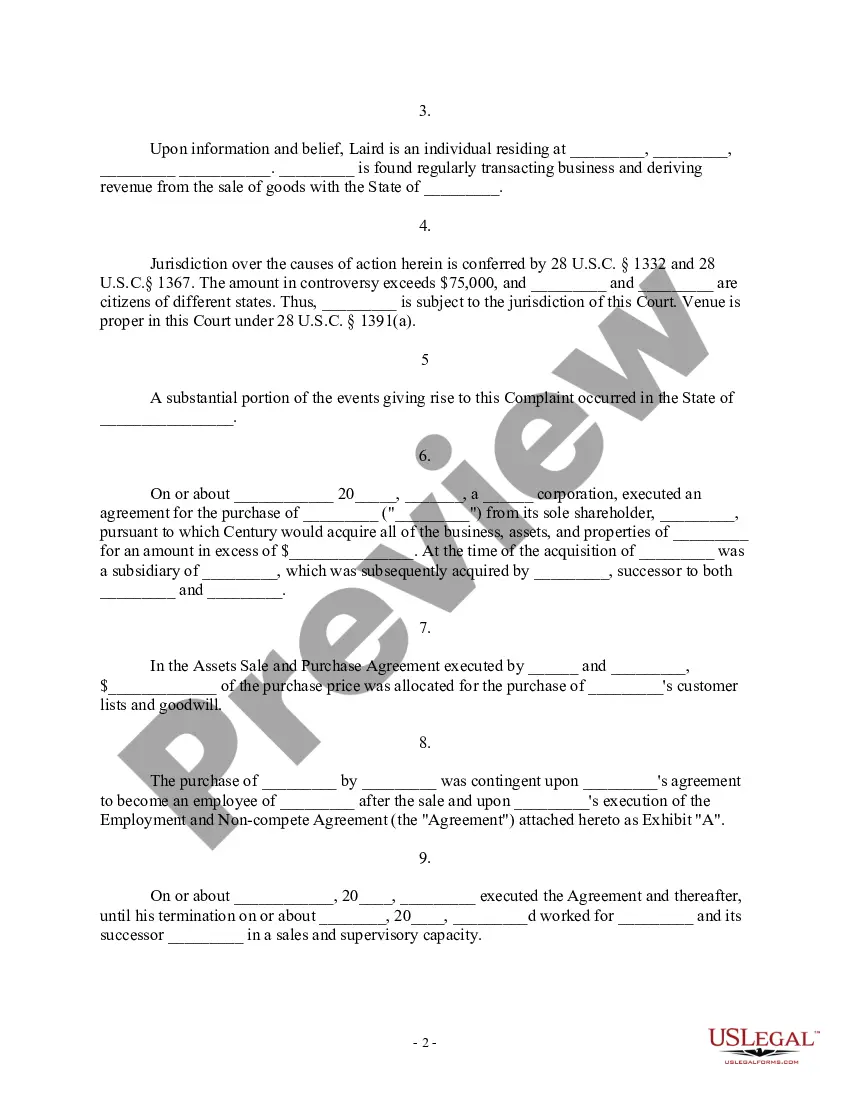
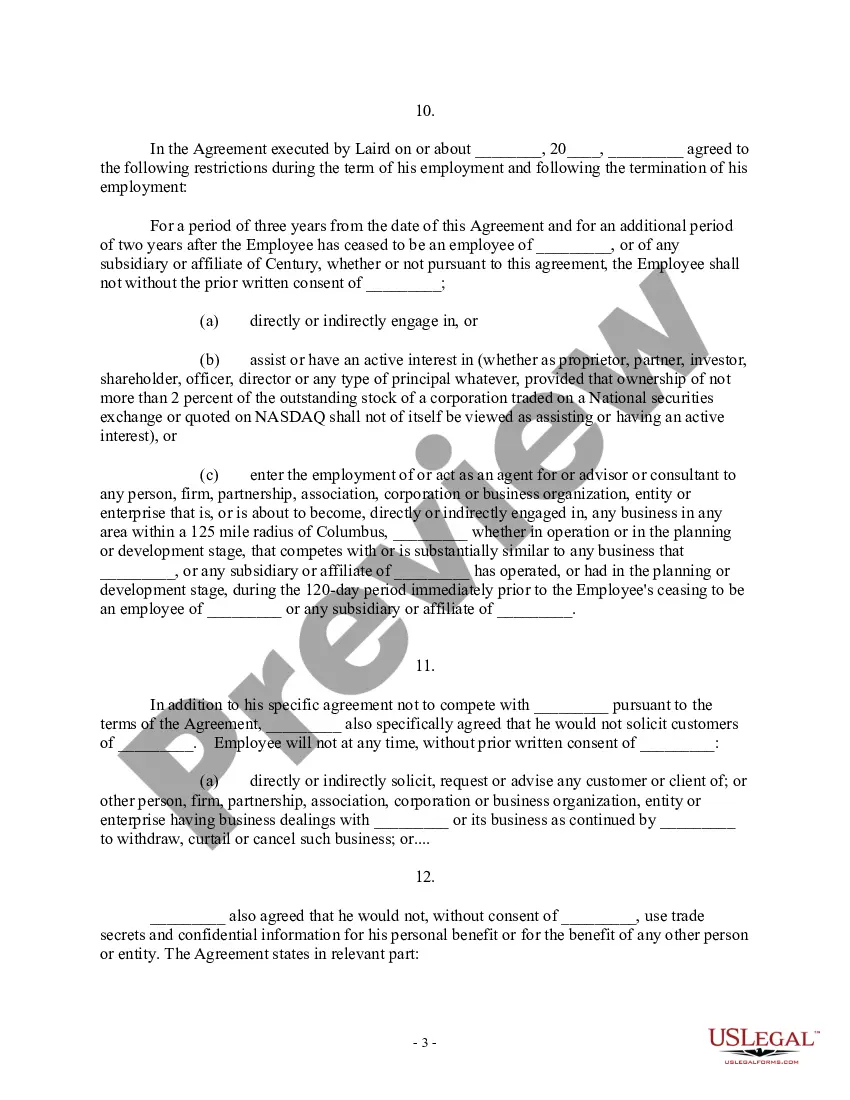
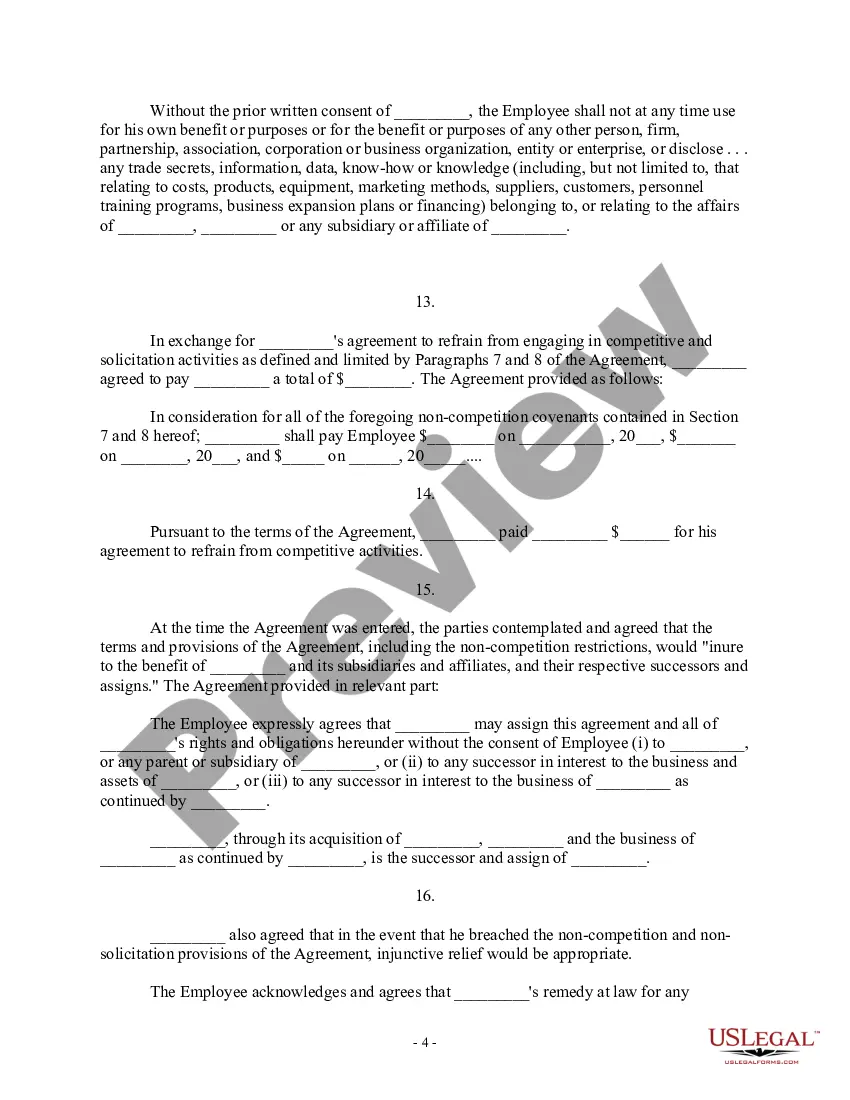
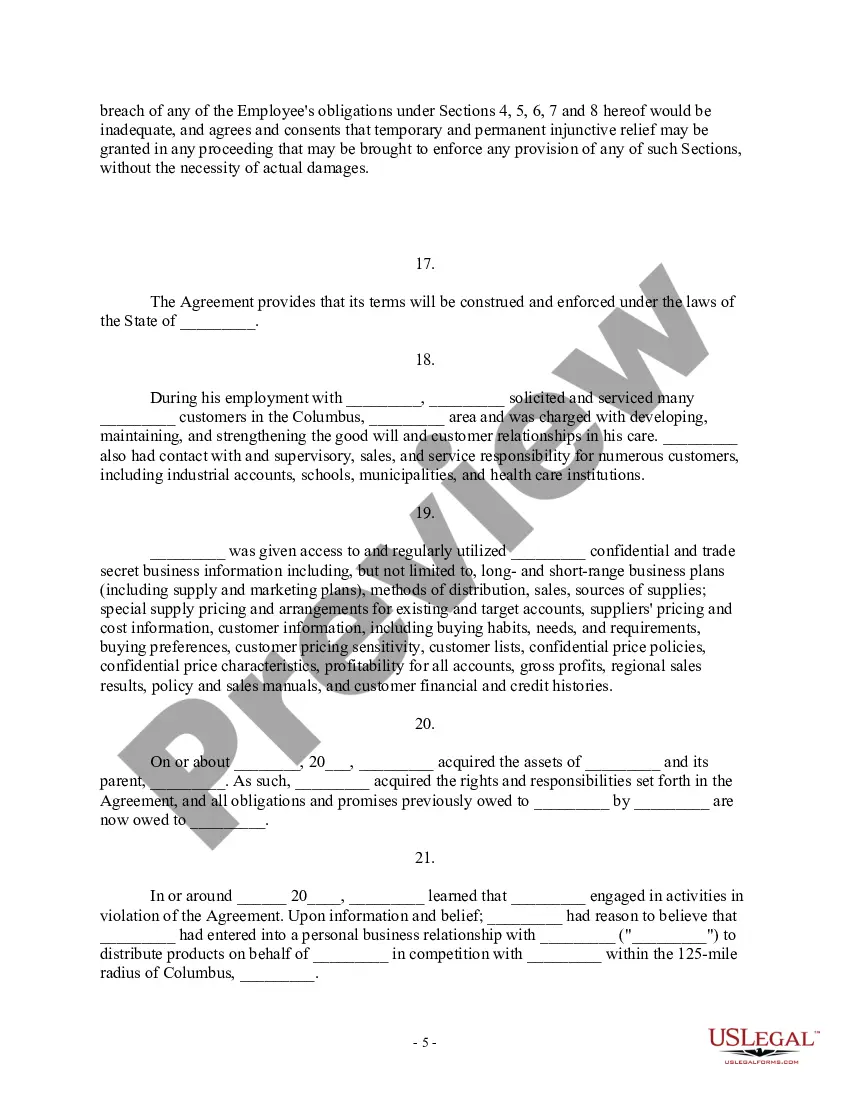
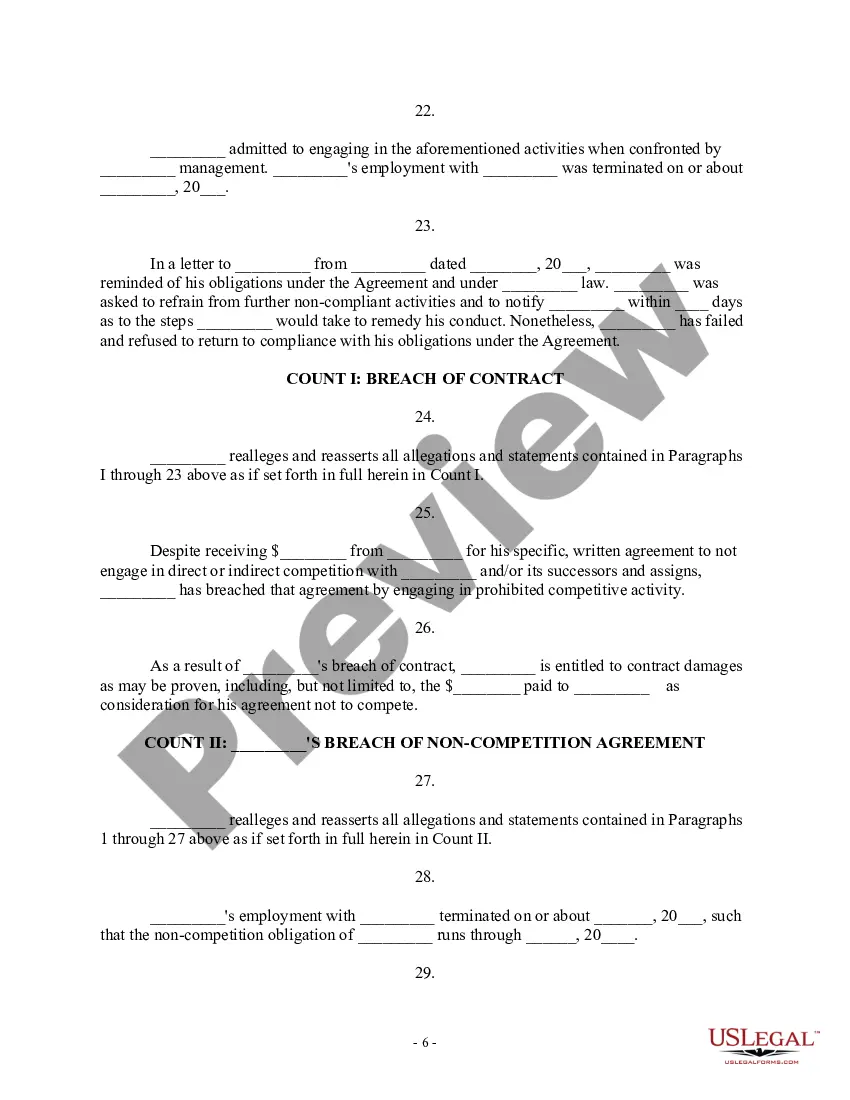
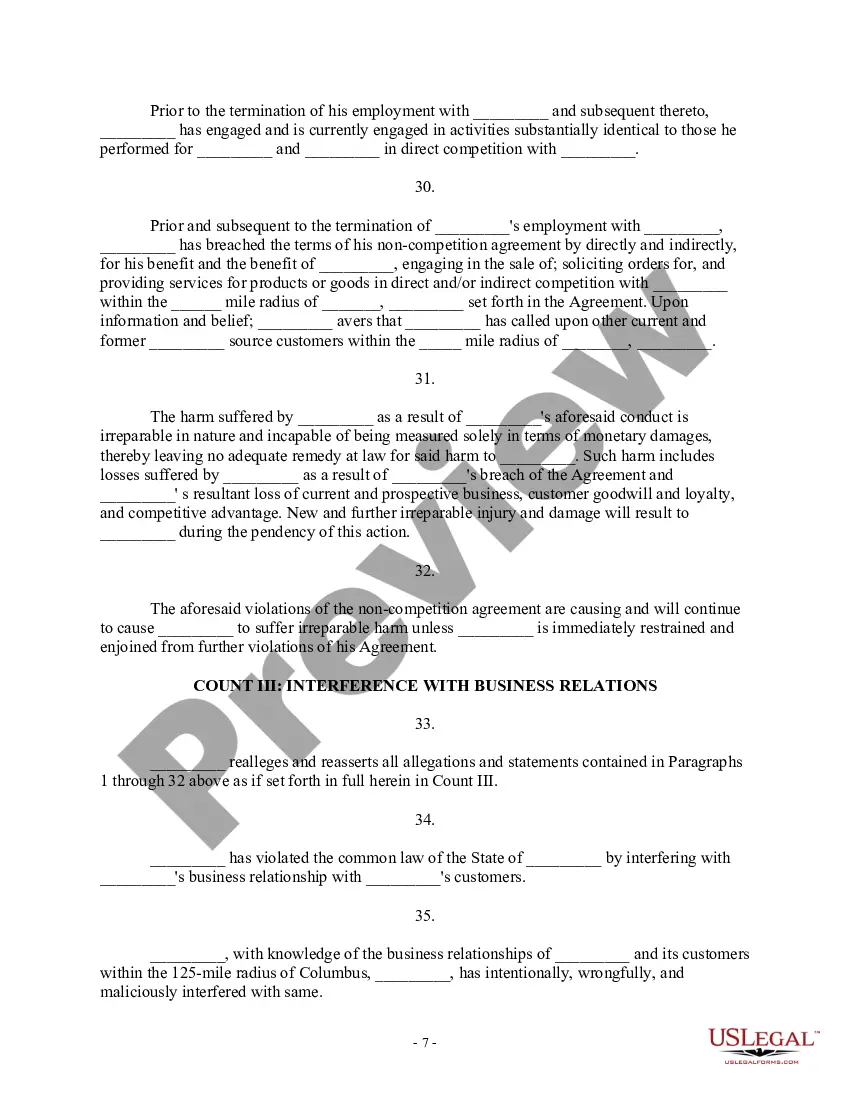
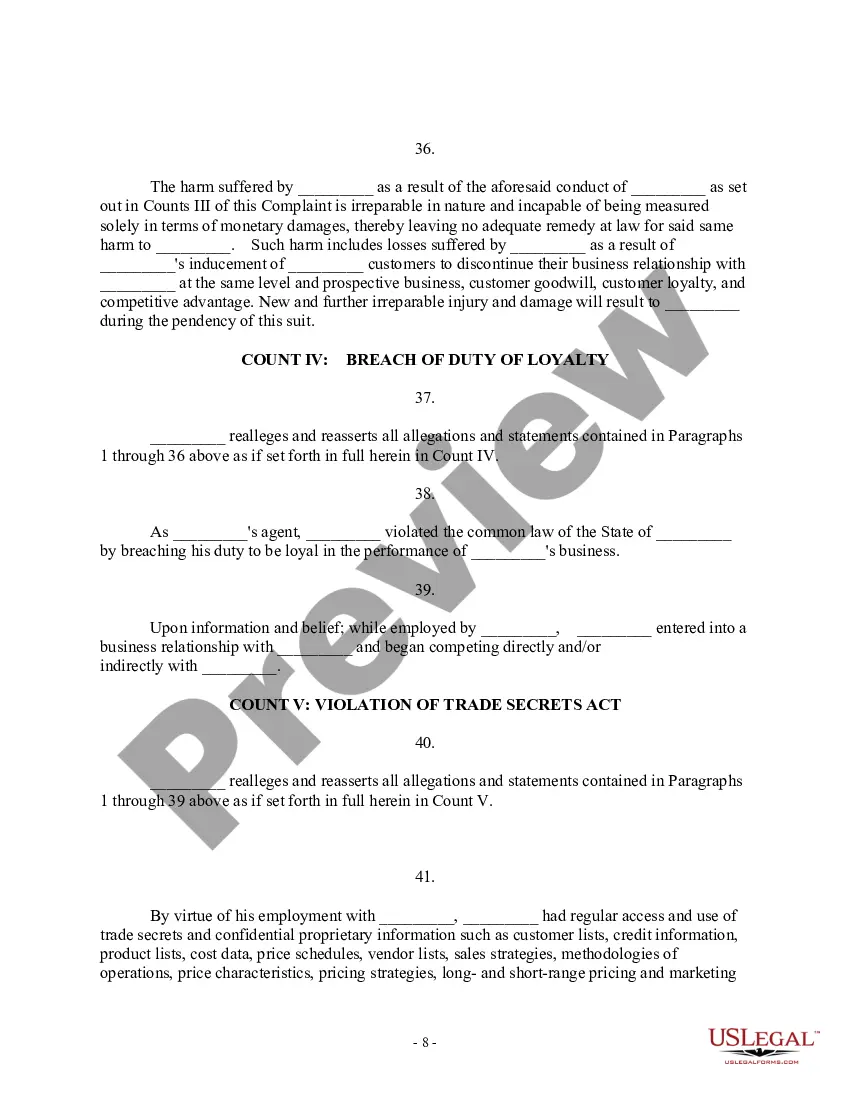
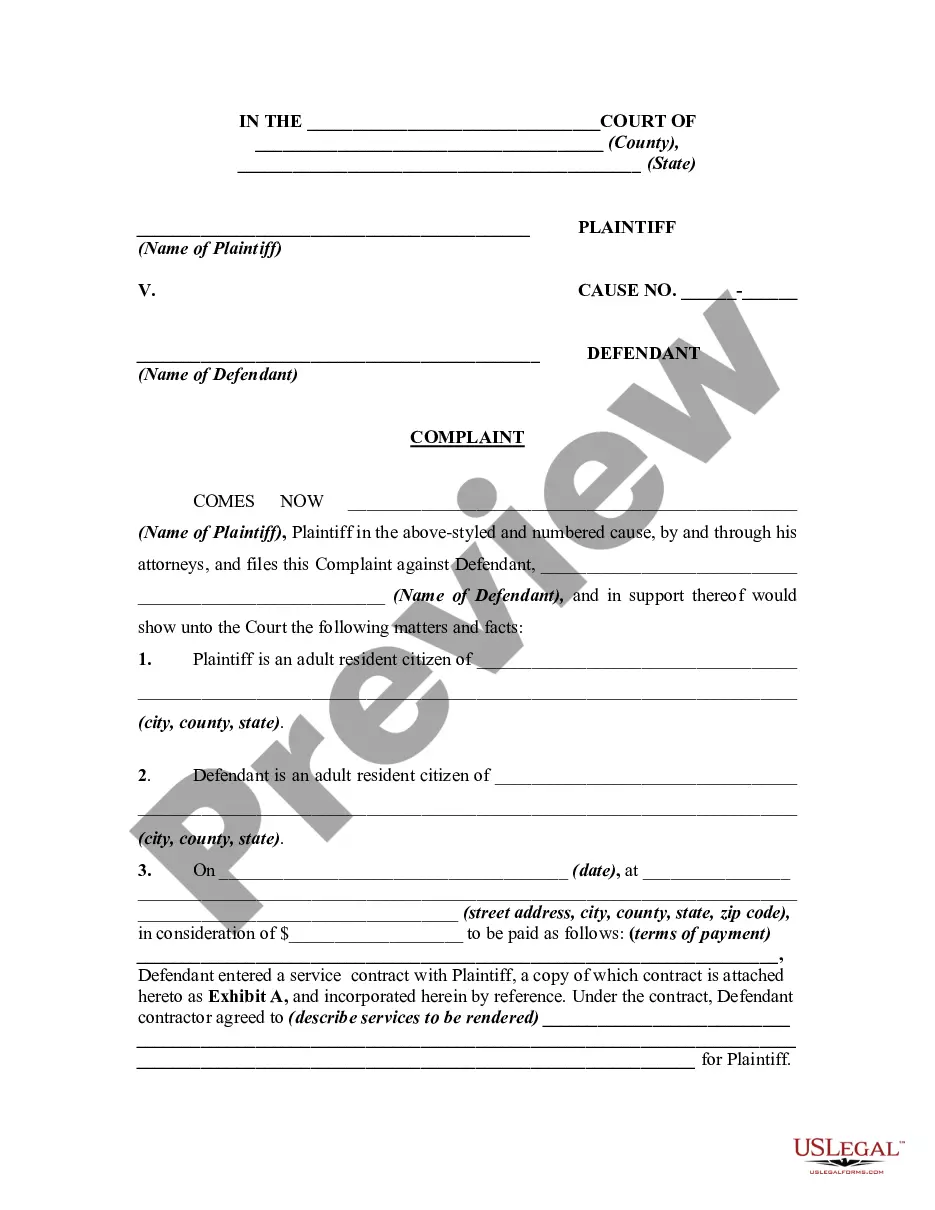

Get your form ready online
Our built-in tools help you complete, sign, share, and store your documents in one place.
Make edits, fill in missing information, and update formatting in US Legal Forms—just like you would in MS Word.
Download a copy, print it, send it by email, or mail it via USPS—whatever works best for your next step.
Sign and collect signatures with our SignNow integration. Send to multiple recipients, set reminders, and more. Go Premium to unlock E-Sign.
If this form requires notarization, complete it online through a secure video call—no need to meet a notary in person or wait for an appointment.
We protect your documents and personal data by following strict security and privacy standards.

Make edits, fill in missing information, and update formatting in US Legal Forms—just like you would in MS Word.

Download a copy, print it, send it by email, or mail it via USPS—whatever works best for your next step.

Sign and collect signatures with our SignNow integration. Send to multiple recipients, set reminders, and more. Go Premium to unlock E-Sign.

If this form requires notarization, complete it online through a secure video call—no need to meet a notary in person or wait for an appointment.

We protect your documents and personal data by following strict security and privacy standards.
Looking for another form?









Form popularity
FAQ
The typical remedy for trade secret misappropriation is an injunction. The court will order the wrongdoer to cease use, disclosure, or publication of the secret information.
Liability can arise when one party unlawfully acquires, uses, or discloses another party's trade secrets, resulting in harm or damages. There are no express criminal remedies available for misappropriation of a trade secret.
(4) "Trade secret" means the whole or any portion or phase of any scientific or technical information, design, process, procedure, formula, improvement, confidential business or financial information, listing of names, addresses, or telephone numbers, or other information relating to any business or profession which is ...
Courts, cognizant of the difficulties inherent in measuring the value of trade secrets, typically permit plaintiffs to claim damages for their misappropriation in a variety of forms. Most commonly, a plaintiff will seek damages in the form of either its lost profits or the defendant's unjust enrichment.
If you are accused of misappropriating trade secrets, your best defense in many states is actual independent development. Independently developing information from one's own pool of knowledge or the public domain is a complete defense to a company's claim of trade secret misappropriation.
The typical remedy for trade secret misappropriation is an injunction. The court will order the wrongdoer to cease use, disclosure, or publication of the secret information.
A court may grant an injunction to prevent any actual or threatened misappropriation, provided that the injunction does not “prevent a person from entering into an employment relationship,” and that any conditions placed on employment are based on “evidence of threatened misappropriation and not merely on the ...
Defenses to a Misappropriation Lawsuit You will need to use your own files and records to prove that you completed development before any dates on which the alleged misappropriation occurred. Related, but less strong, is a defense of reverse engineering.
To obtain a preliminary injunction, the seeking party must generally show that they are likely to succeed on the merits of their case, that they will suffer irreparable harm without the injunction, that the balance of hardships favors them, and that the public interest supports the injunction.
One way of showing misappropriation is by showing that an acquirer knew or had reason to know that the trade secret was acquired by improper means but the trade secret is acquired or retained. Disclosure or Use of Trade Secret as Misuse.
