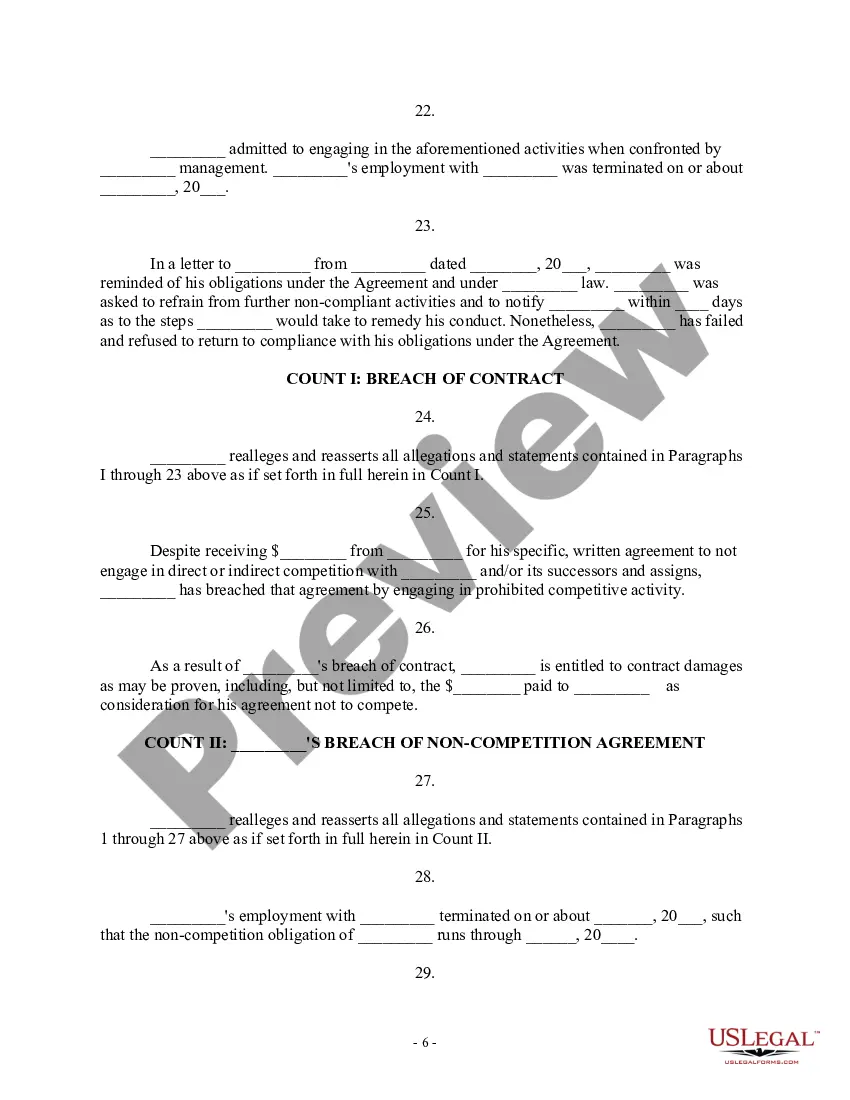
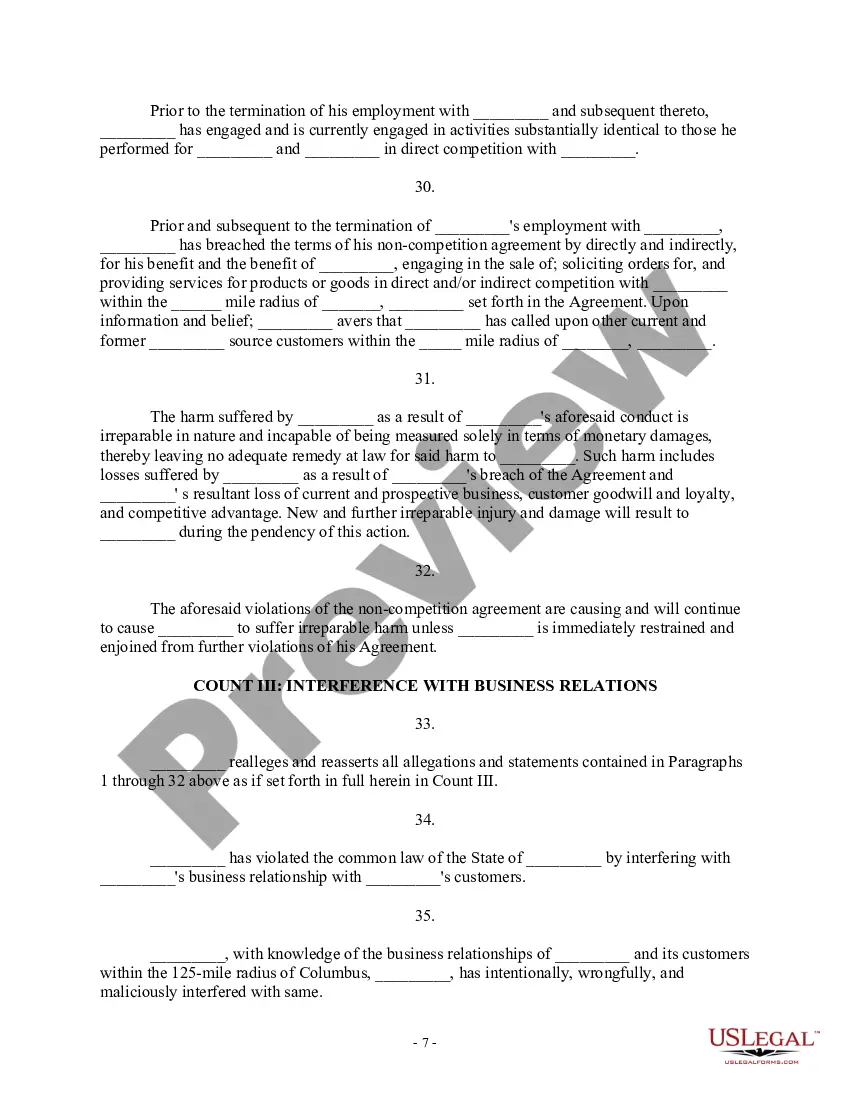
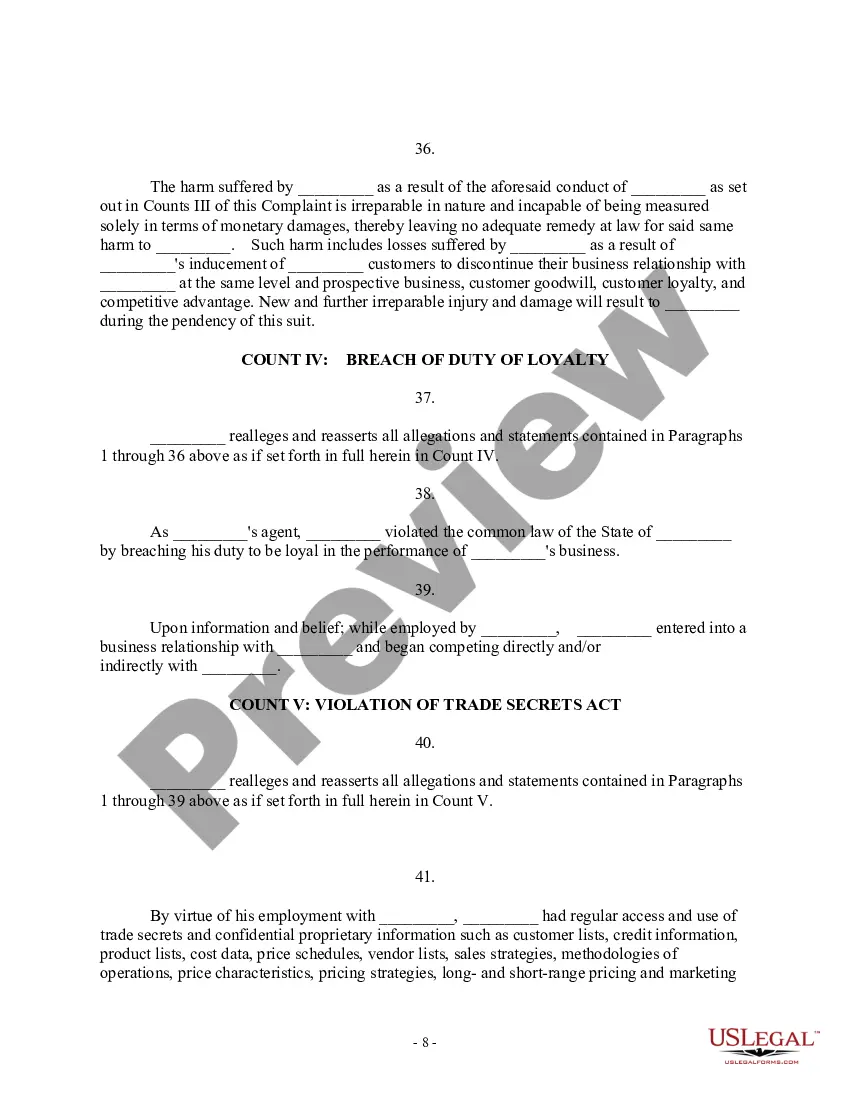
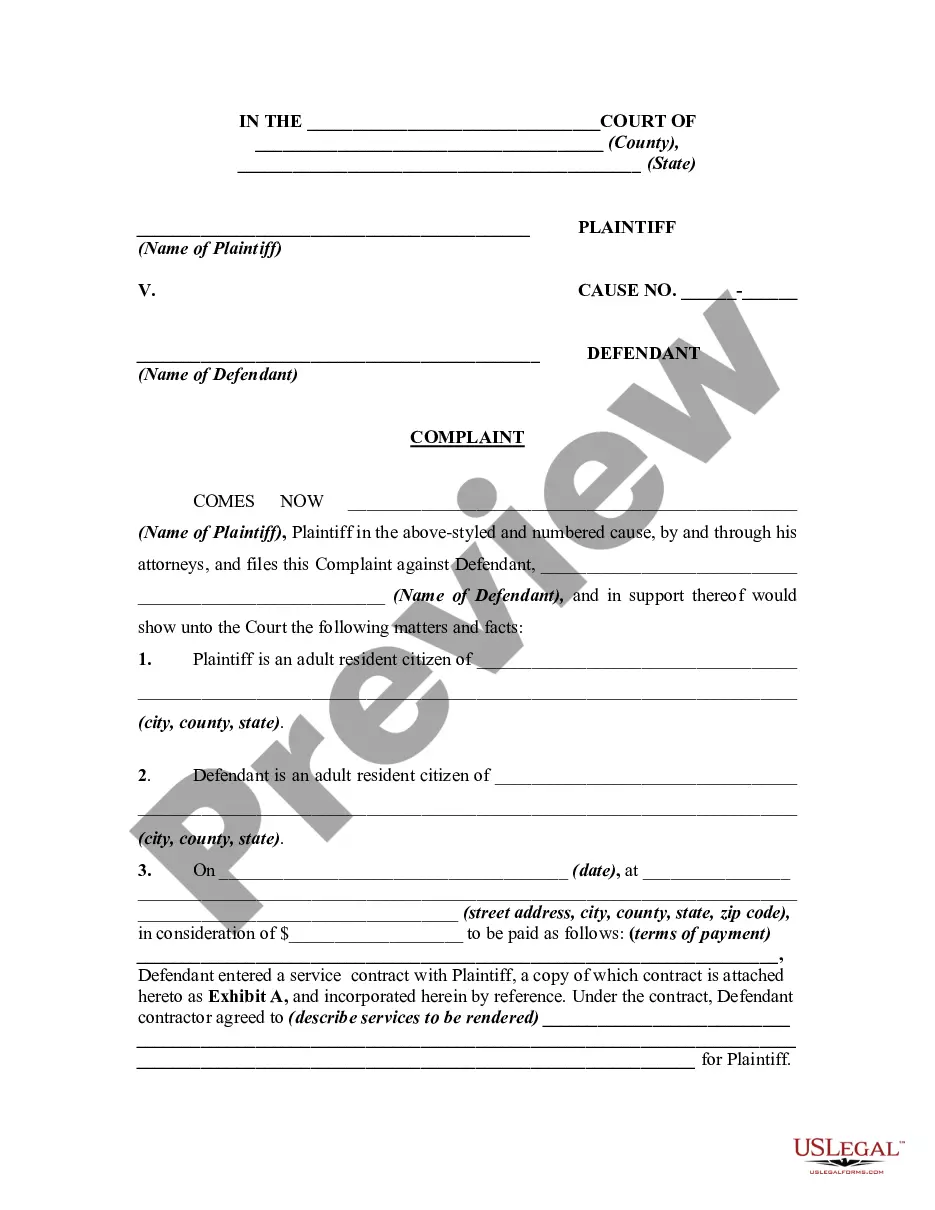
Complaint Prayer For Relief In Florida
Description

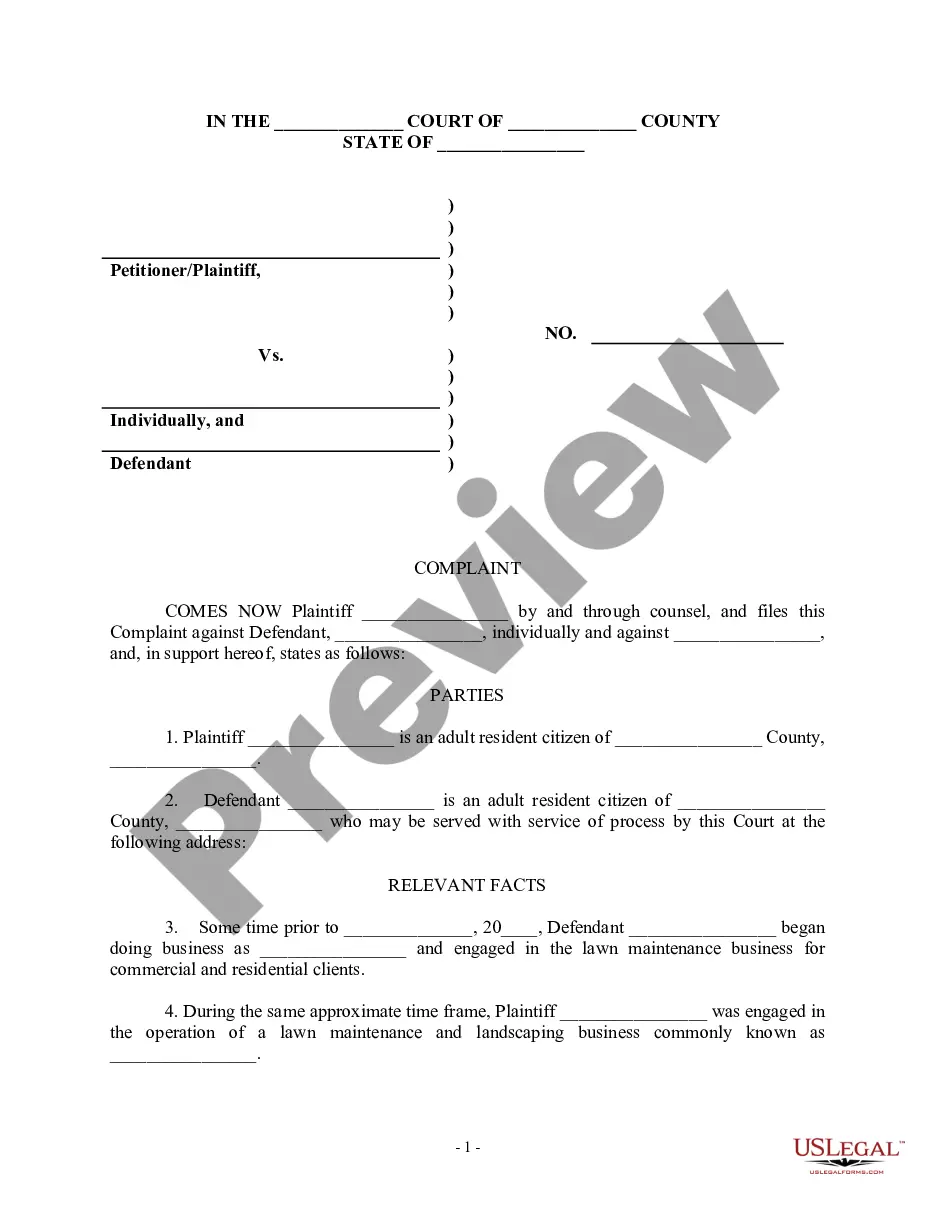
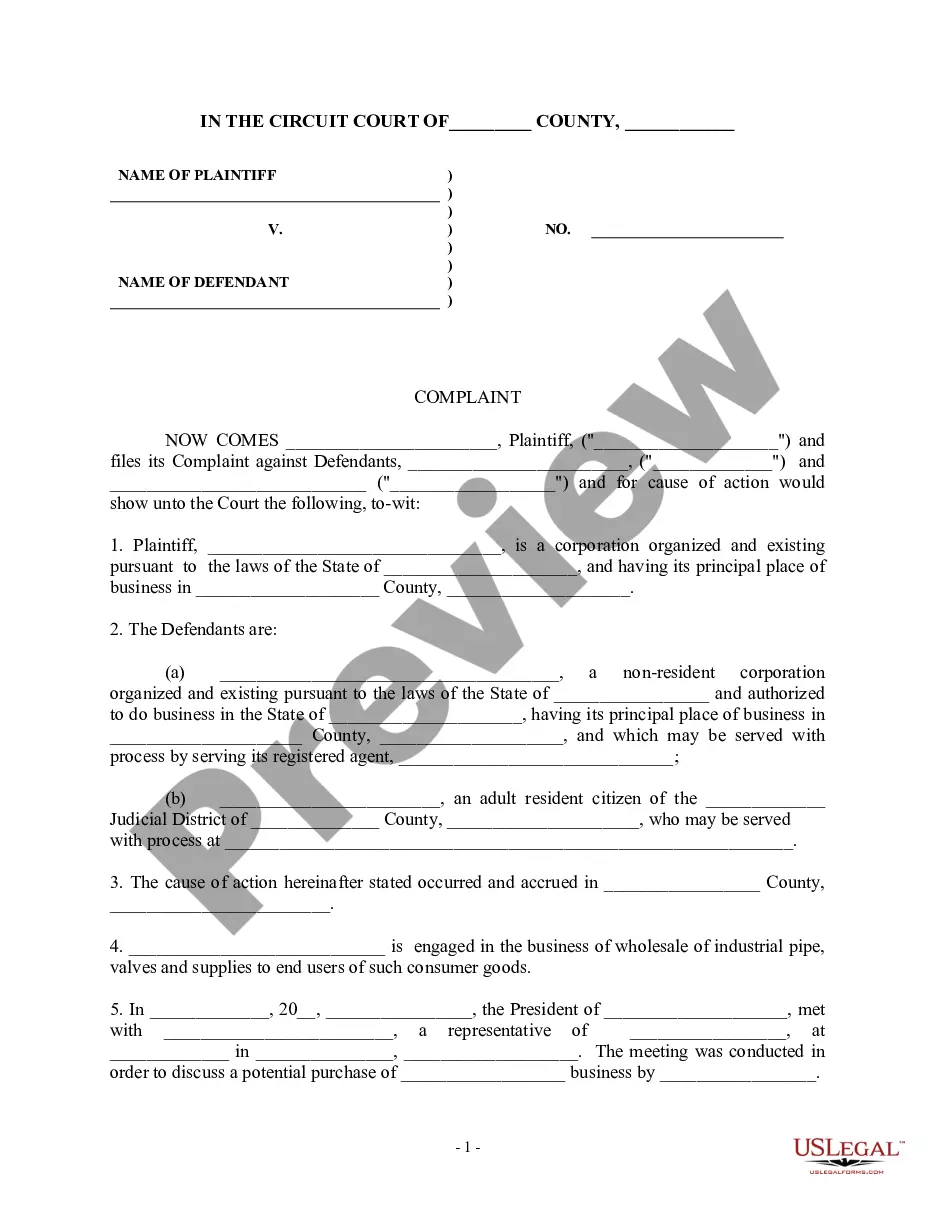

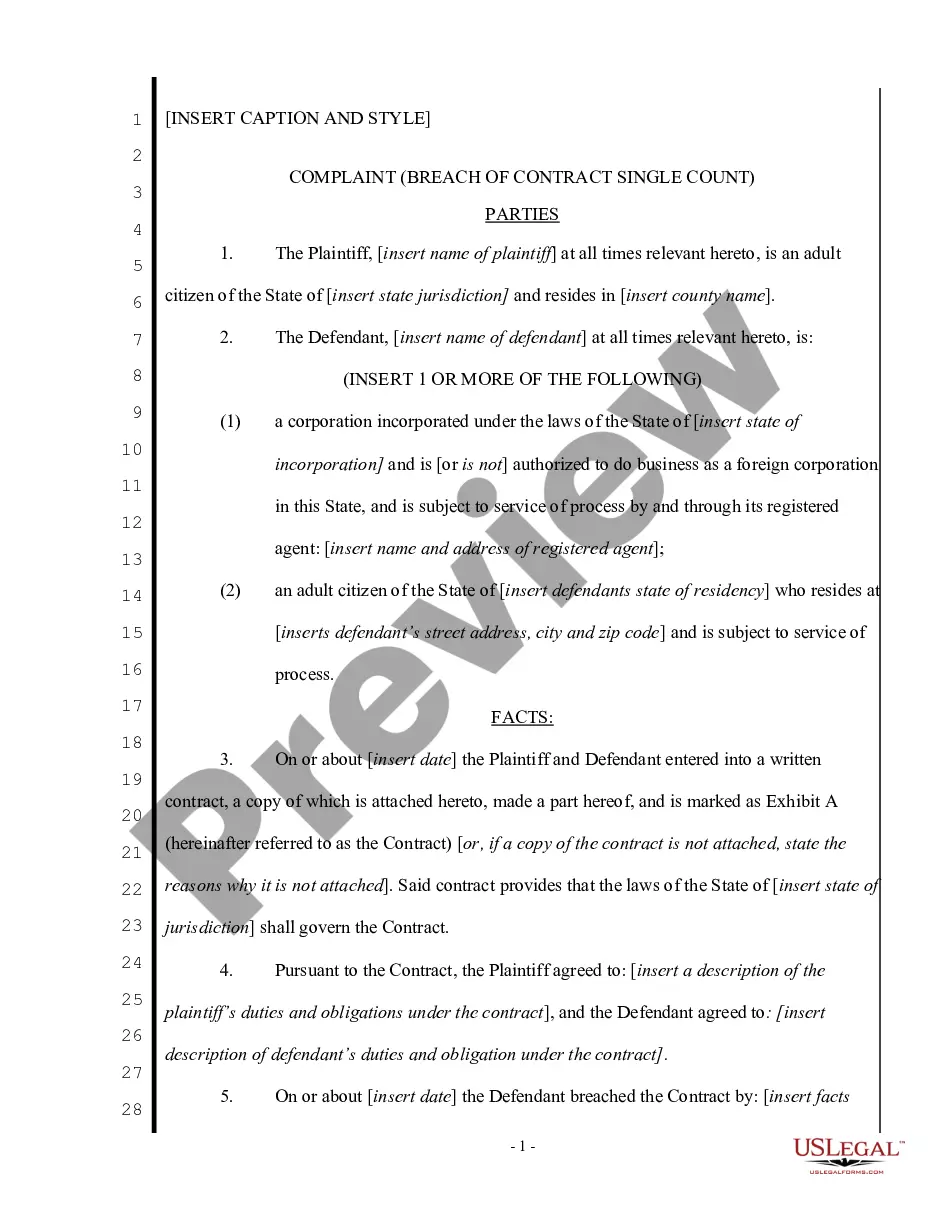
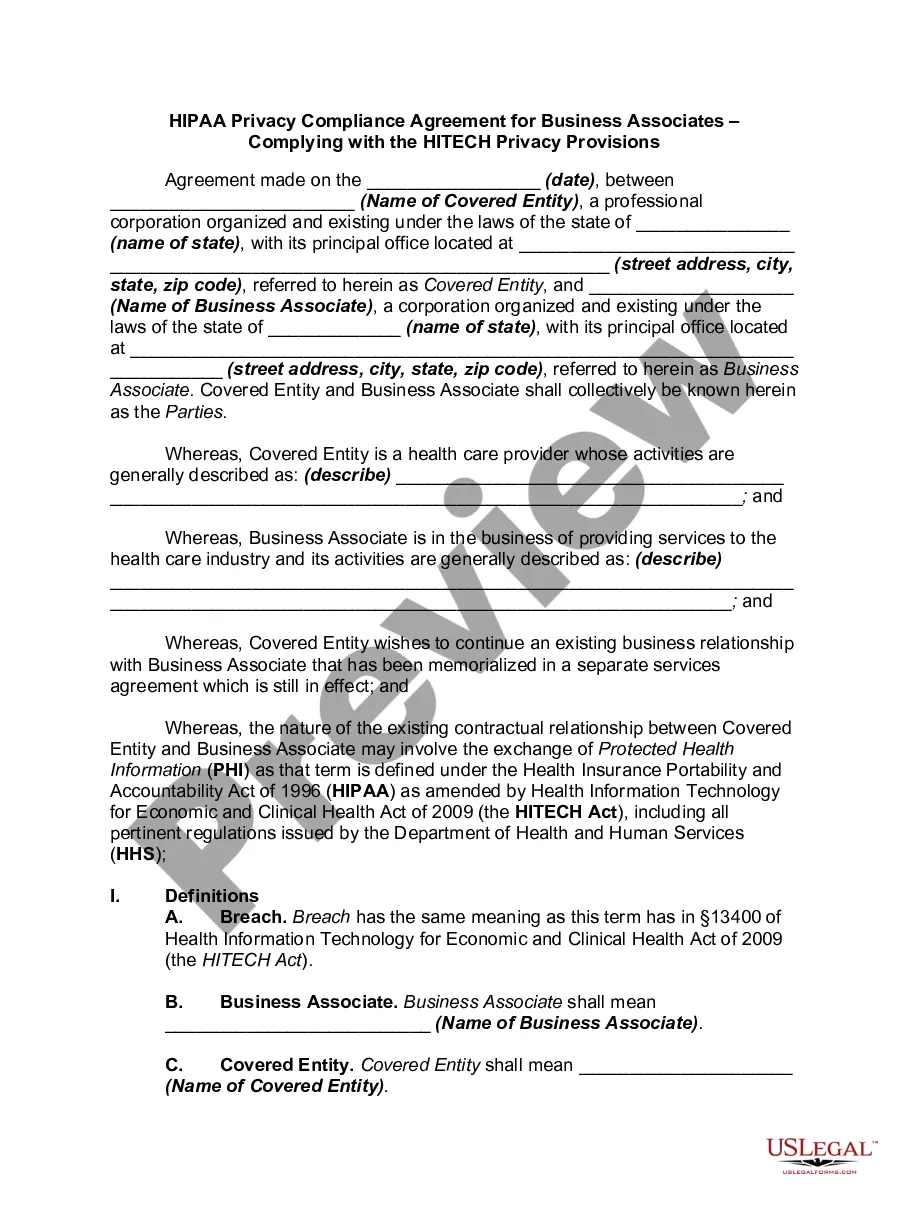
Get your form ready online
Our built-in tools help you complete, sign, share, and store your documents in one place.
Make edits, fill in missing information, and update formatting in US Legal Forms—just like you would in MS Word.
Download a copy, print it, send it by email, or mail it via USPS—whatever works best for your next step.
Sign and collect signatures with our SignNow integration. Send to multiple recipients, set reminders, and more. Go Premium to unlock E-Sign.
If this form requires notarization, complete it online through a secure video call—no need to meet a notary in person or wait for an appointment.
We protect your documents and personal data by following strict security and privacy standards.

Make edits, fill in missing information, and update formatting in US Legal Forms—just like you would in MS Word.

Download a copy, print it, send it by email, or mail it via USPS—whatever works best for your next step.

Sign and collect signatures with our SignNow integration. Send to multiple recipients, set reminders, and more. Go Premium to unlock E-Sign.

If this form requires notarization, complete it online through a secure video call—no need to meet a notary in person or wait for an appointment.

We protect your documents and personal data by following strict security and privacy standards.
Looking for another form?









Form popularity
FAQ
Since our Savior Himself promised that by offering to You, O Eternal Father, the Holy Face disfigured in the Passion, we can procure the settlement of the affairs of our household, and that nothing whatsoever will be refused us, we now come before Your Throne.
Father, send Your angelic hosts to surround the courtroom and ensure righteous judgment in my favor. I break the power of every word curse spoken against my legal victory, in the name of Jesus. I declare that no lawyer, judge, or official will be able to withstand the wisdom and power of God on my behalf (Luke ).
A prayer for relief, in the law of civil procedure, is a portion of a complaint in which the plaintiff describes the remedies that the plaintiff seeks from the court.
Your answer must be in writing and must be filed (received) on time with the Clerk of Courts at the Courthouse of the County listed at the top of the Summons (For example, Duval County Courthouse, etc.).
A prayer for relief, in the law of civil procedure, is a portion of a complaint in which the plaintiff describes the remedies that the plaintiff seeks from the court.
Personal Service: You can tell someone else to personally deliver or serve the copies. The server must be older than 18 and may not be a party in the case. The server must then complete and sign the back of the original summons form and return it to you so you can file it with the court.
Praying for someone else is called intercession—we are praying to God on behalf of another person.
The prayer for relief is the part of complaint where a plaintiff states the damages or other remedies it is seeking from the court in a lawsuit. Federal Rules of Civil Procedure 8(a)(3) requires that a plaintiff's pleadings contains a prayer for relief. The prayer is often located at the end of the complaint.
For example, if a person is injured in a car accident, they may file a lawsuit against the driver who caused the accident. In their complaint, they would include a prayer for relief asking for compensation for their medical bills, lost wages, and pain and suffering.
How to Write a Complaint Response Email to a Customer Step 1: Validate the Customer's Experience. Step 2: Explain how/why the problem happened. Step 3: Offer Some Form of ``I'm Sorry.'' Step 4: Explain how you will resolve the issue (or tell the customer what you've already done).
