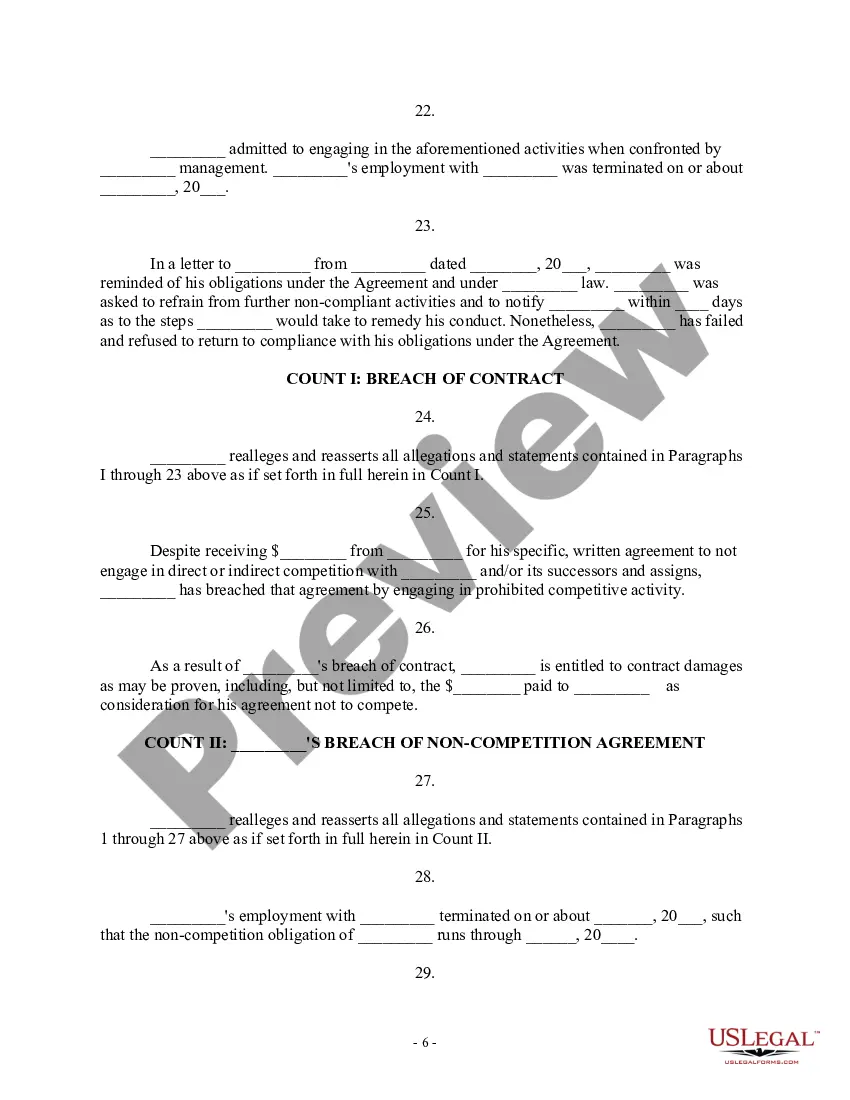
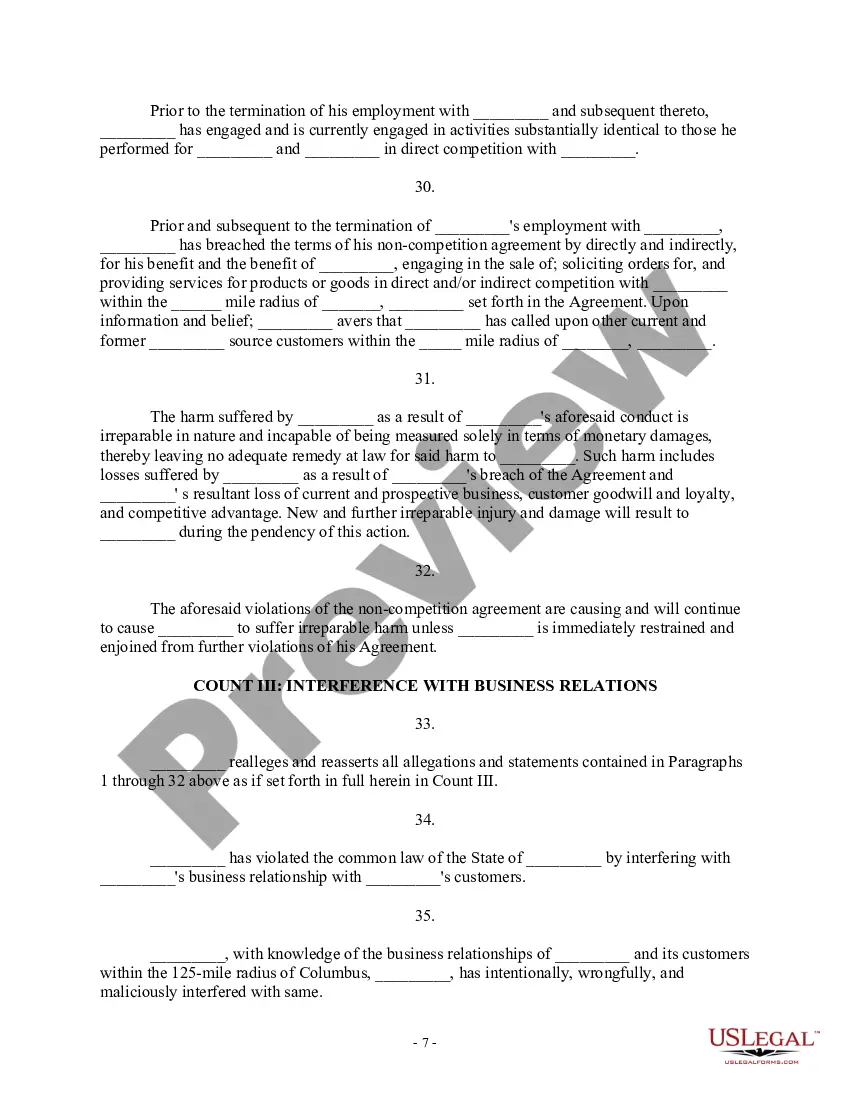
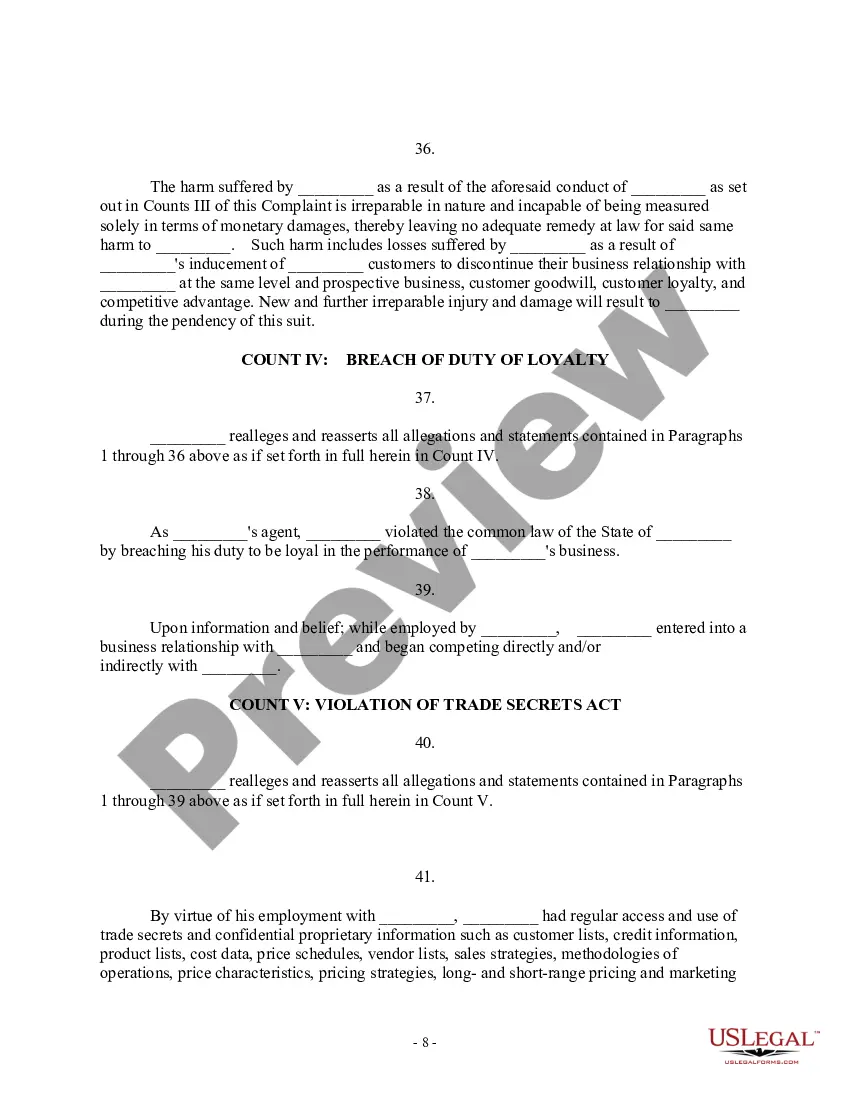
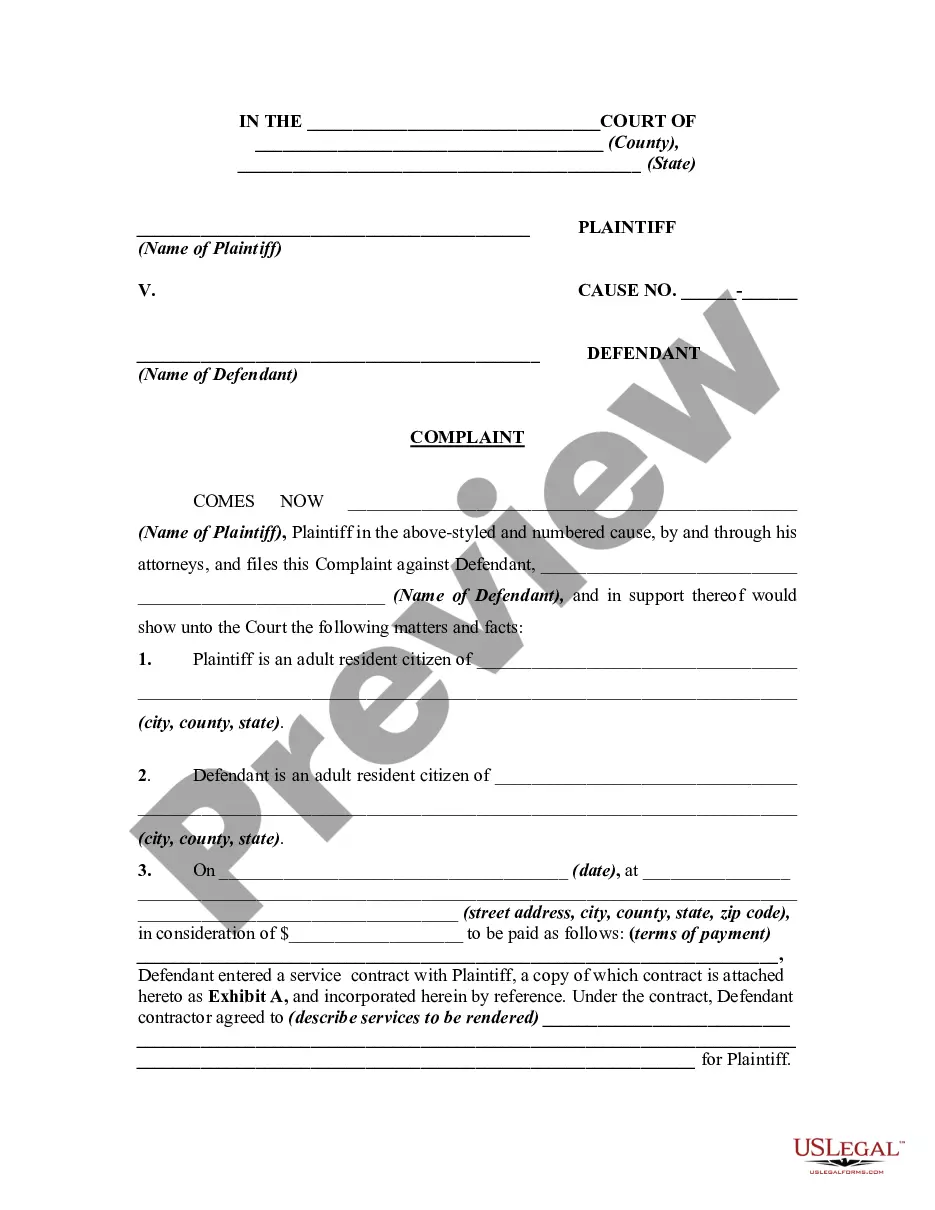
Injunctive Relief Agreement For Breach In Cuyahoga
Description

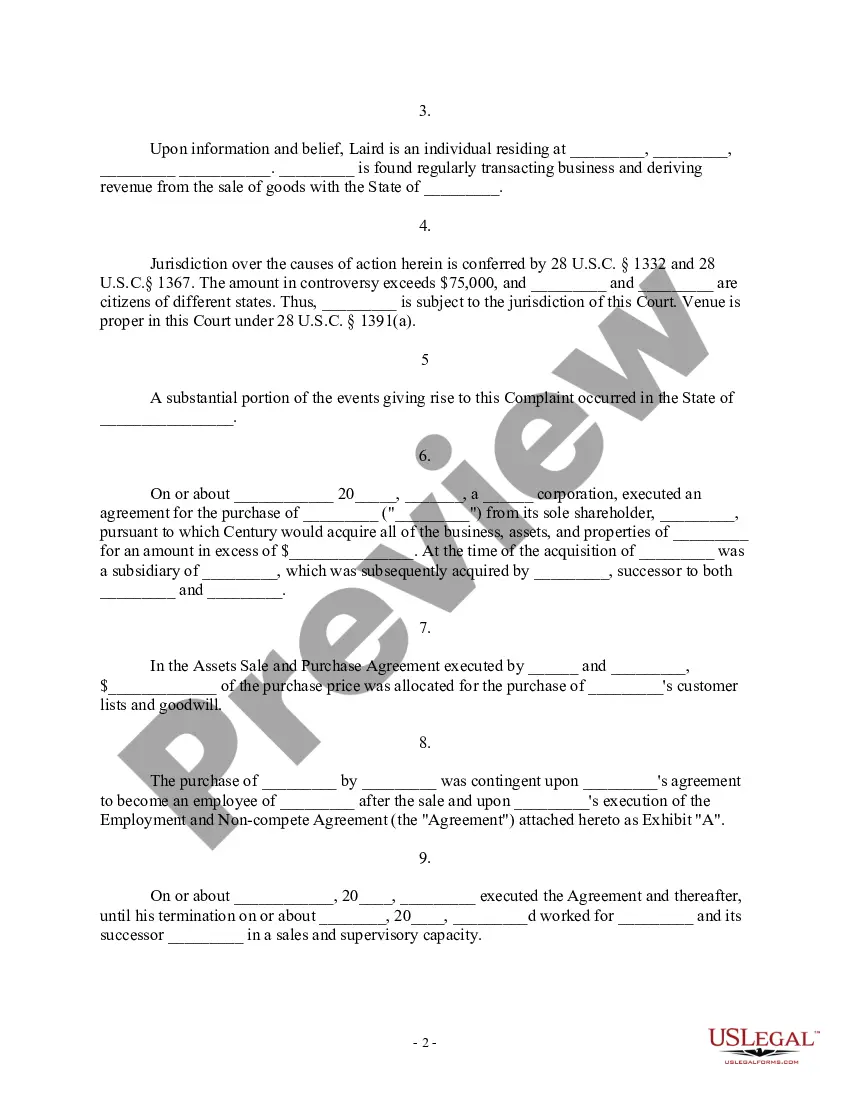
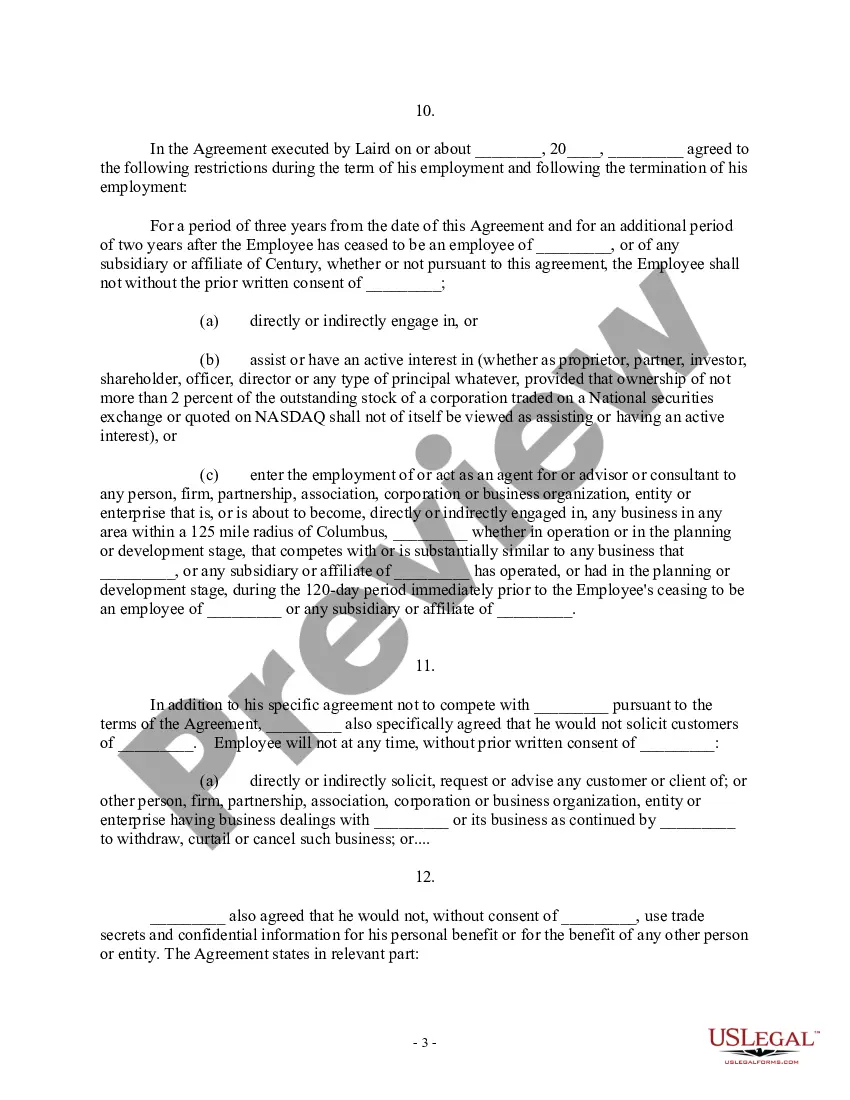
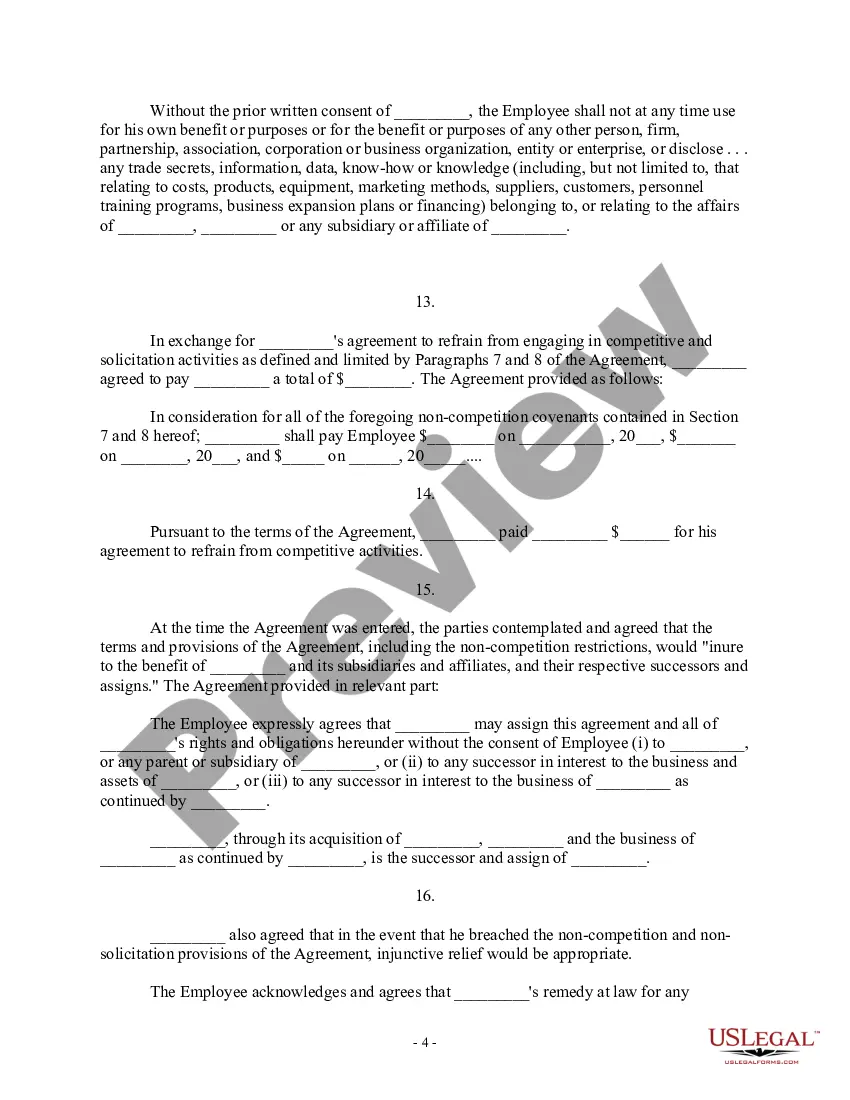
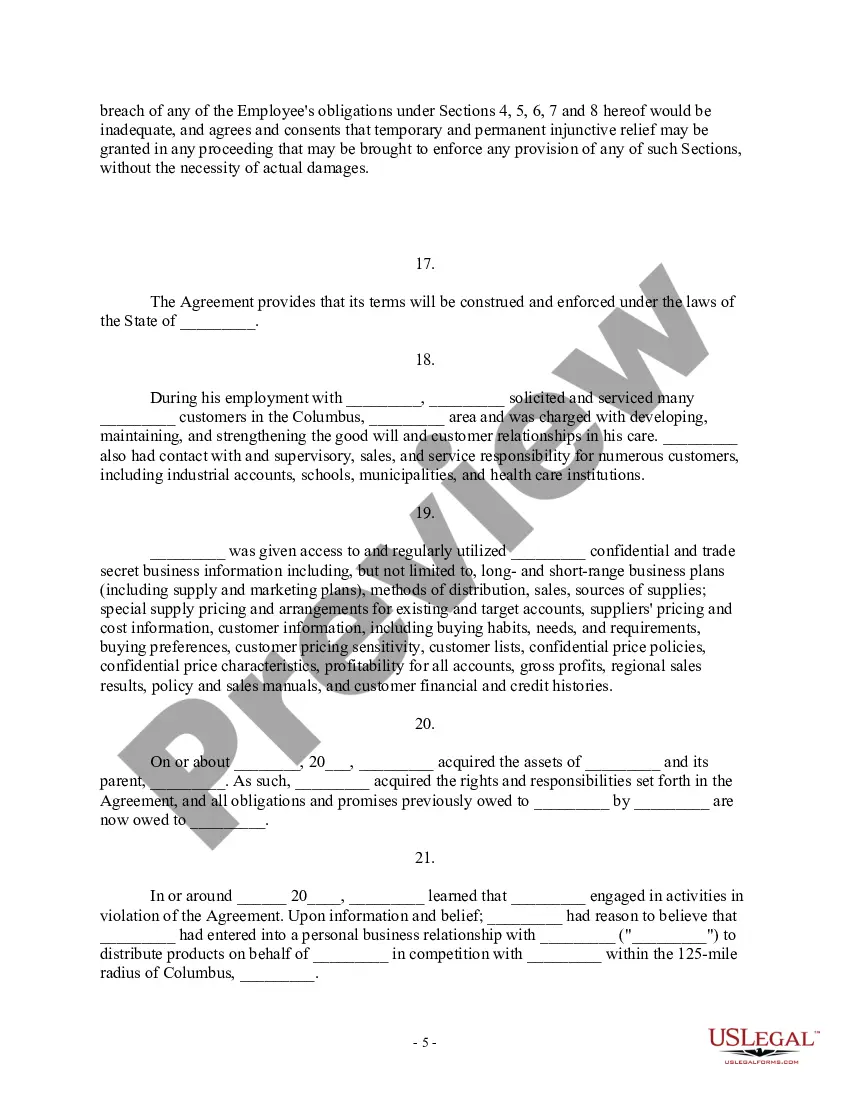

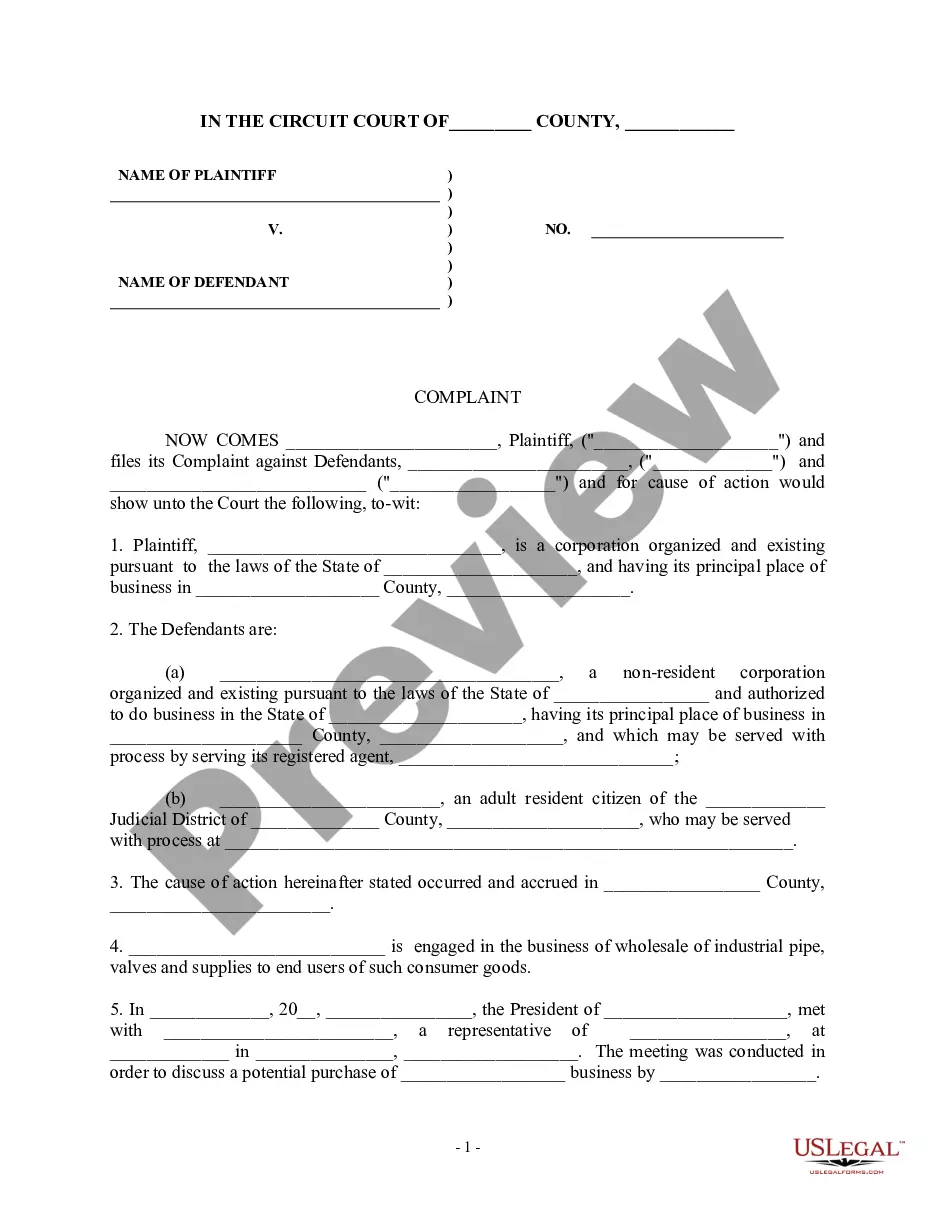

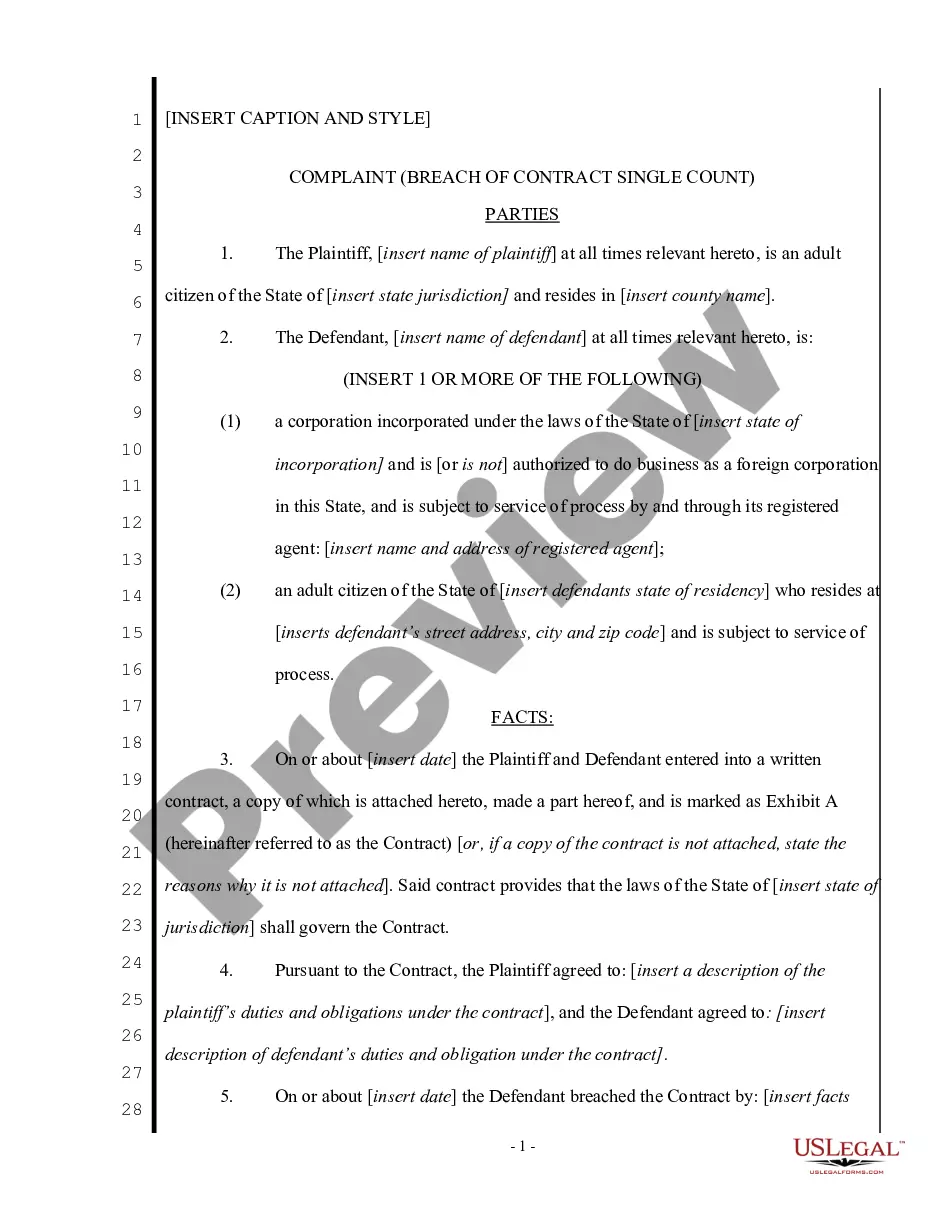
Get your form ready online
Our built-in tools help you complete, sign, share, and store your documents in one place.
Make edits, fill in missing information, and update formatting in US Legal Forms—just like you would in MS Word.
Download a copy, print it, send it by email, or mail it via USPS—whatever works best for your next step.
Sign and collect signatures with our SignNow integration. Send to multiple recipients, set reminders, and more. Go Premium to unlock E-Sign.
If this form requires notarization, complete it online through a secure video call—no need to meet a notary in person or wait for an appointment.
We protect your documents and personal data by following strict security and privacy standards.

Make edits, fill in missing information, and update formatting in US Legal Forms—just like you would in MS Word.

Download a copy, print it, send it by email, or mail it via USPS—whatever works best for your next step.

Sign and collect signatures with our SignNow integration. Send to multiple recipients, set reminders, and more. Go Premium to unlock E-Sign.

If this form requires notarization, complete it online through a secure video call—no need to meet a notary in person or wait for an appointment.

We protect your documents and personal data by following strict security and privacy standards.
Looking for another form?
Form popularity
FAQ
Although the test for obtaining a TRO or PI may vary slightly across jurisdictions, generally a plaintiff seeking preliminary injunctive relief must satisfy a four-factor test: (1) that he or she is likely to succeed on the merits of his claims; (2) that he or she is likely to suffer irreparable harm without ...
Injunctive relief usually takes one of three forms: temporary restraining order (TRO), preliminary injunction, and permanent injunction. As their modifying terms imply, each has a different level of the time commitment involved.
Injunctions can offer relief where monetary compensation does not suffice or is not appropriate. For example, in the case of bankruptcy, it is more appropriate to ask debt collectors to halt their collection efforts than to request financial rewards.
It either stops someone from doing something or requires them to do something. It's used when no other legal remedy is available and to prevent irreparable harm. Injunctive relief is typically sought when monetary damages are insufficient to right a legal wrong or prevent future harm.
These courts consider: (1) the likelihood of success on the merits; (2) irreparable harm if the injunction is not granted; (3) whether a balancing of the relevant equities favors the injunction; and (4) whether the issuance of the injunction is in the public interest.
ATTN: Clerk of Courts, 2nd Floor, Civil Division Cleveland Municipal Court 1200 Ontario St. Cleveland, Ohio 44113. ATTN: Clerk of Courts, 3rd Floor Criminal Division Cleveland Municipal Court 1200 Ontario St. Cleveland, Ohio 44113.
In all civil cases, a party may obtain one automatic leave to move or plead by certifying to the Clerk or by motion and order, stating that no previous leave has been taken. Such leave may not exceed twenty-one (21) days.
FRCP 15(d) allows the court to permit parties to add claims or defenses arising out of events that occurred after they filed the original pleading if they file a motion and provide reasonable notice. This is known as a supplemental pleading.
A party may amend its pleading once as a matter of course within twenty-eight days after serving it or, if the pleading is one to which a responsive pleading is required within twenty-eight days after service of a responsive pleading or twenty-eight days after service of a motion under Civ.
(c) If service of process is refused or was unclaimed, the Clerk shall forthwith electronically file a Return of Service Unexecuted which shall serve as notice to the attorney of record or if there is no attorney of record, the party at whose instance process was issued (who shall be copied by regular mail), that ...
