Injunctive Relief For Patents In California
Description

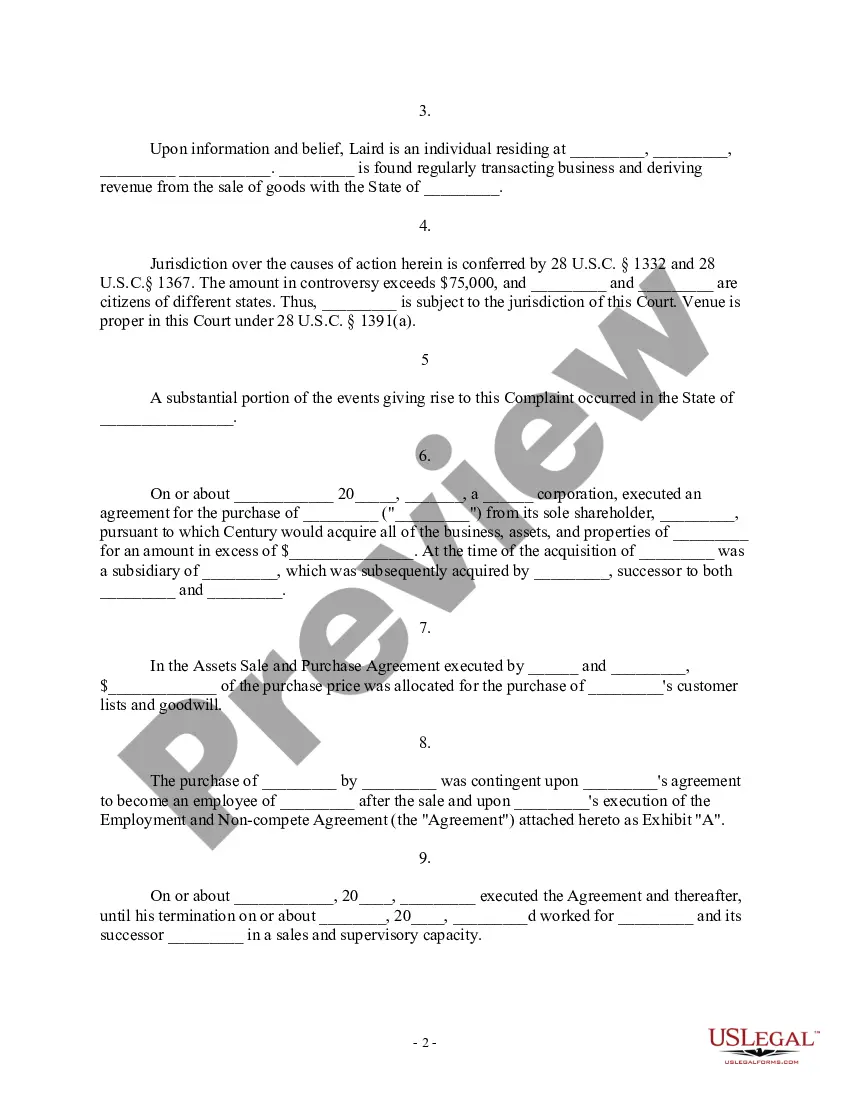
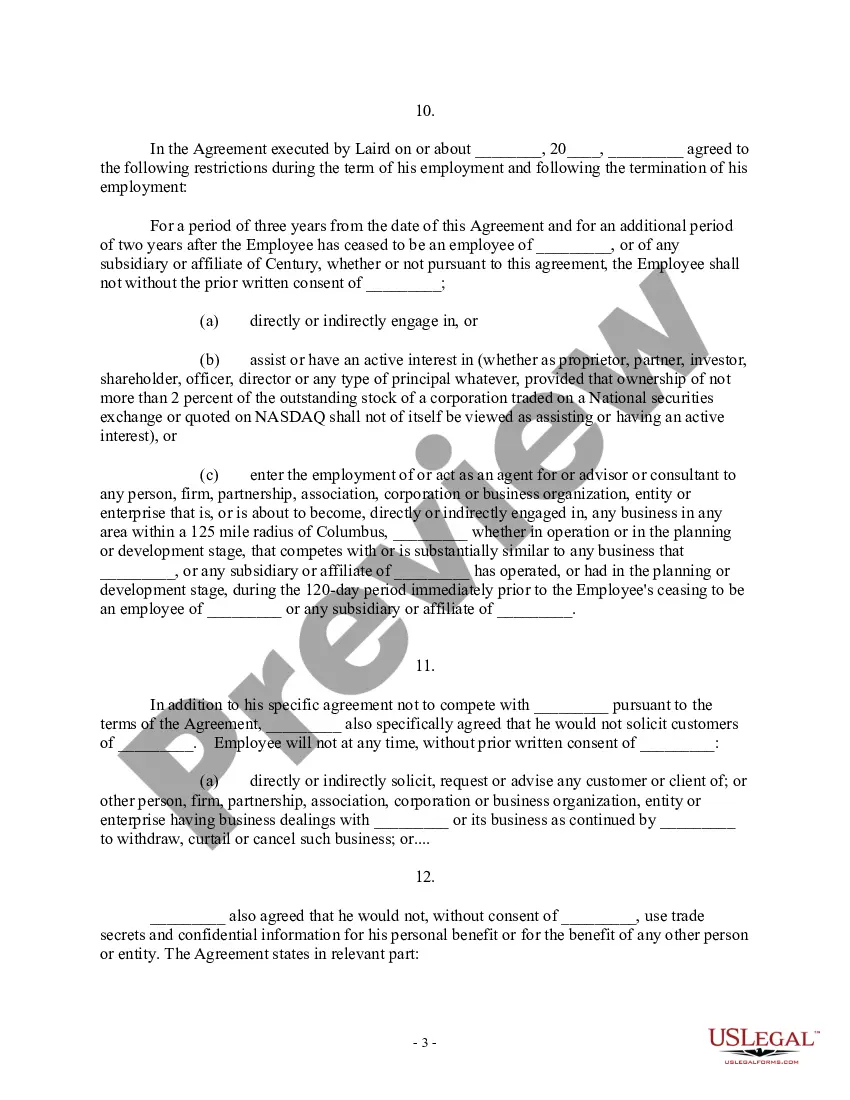
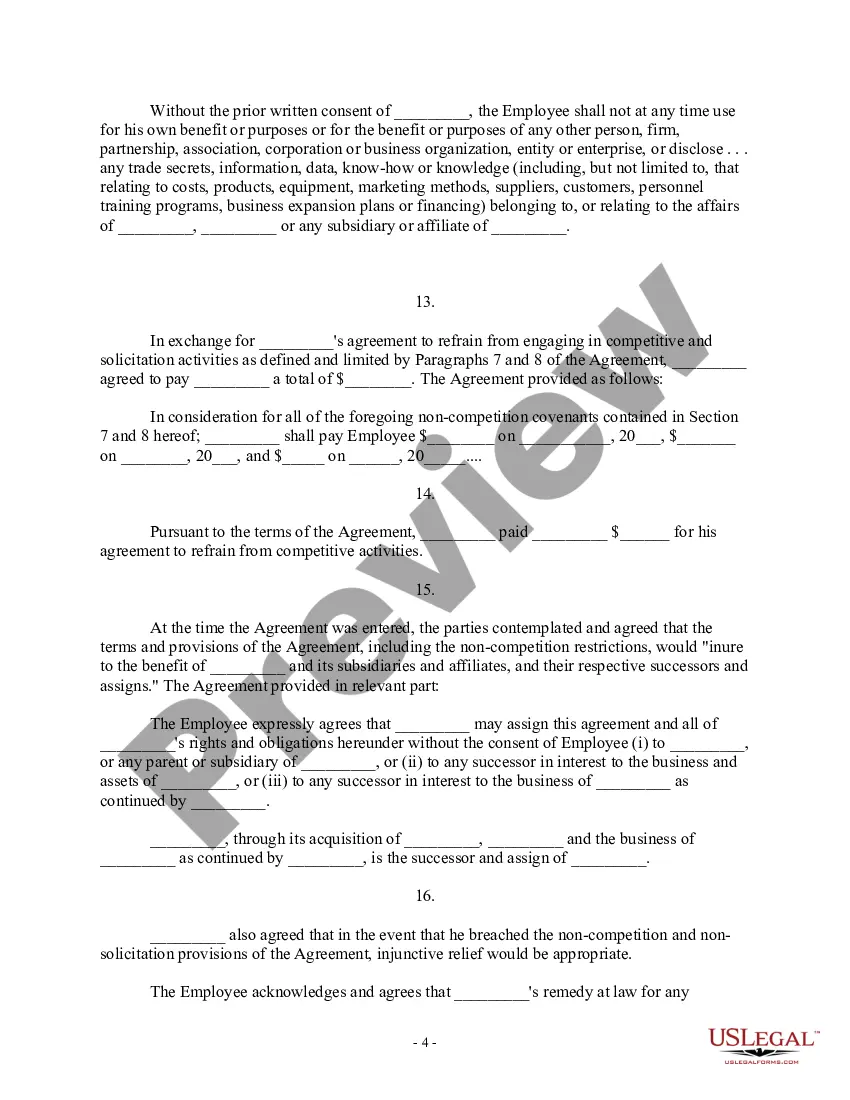
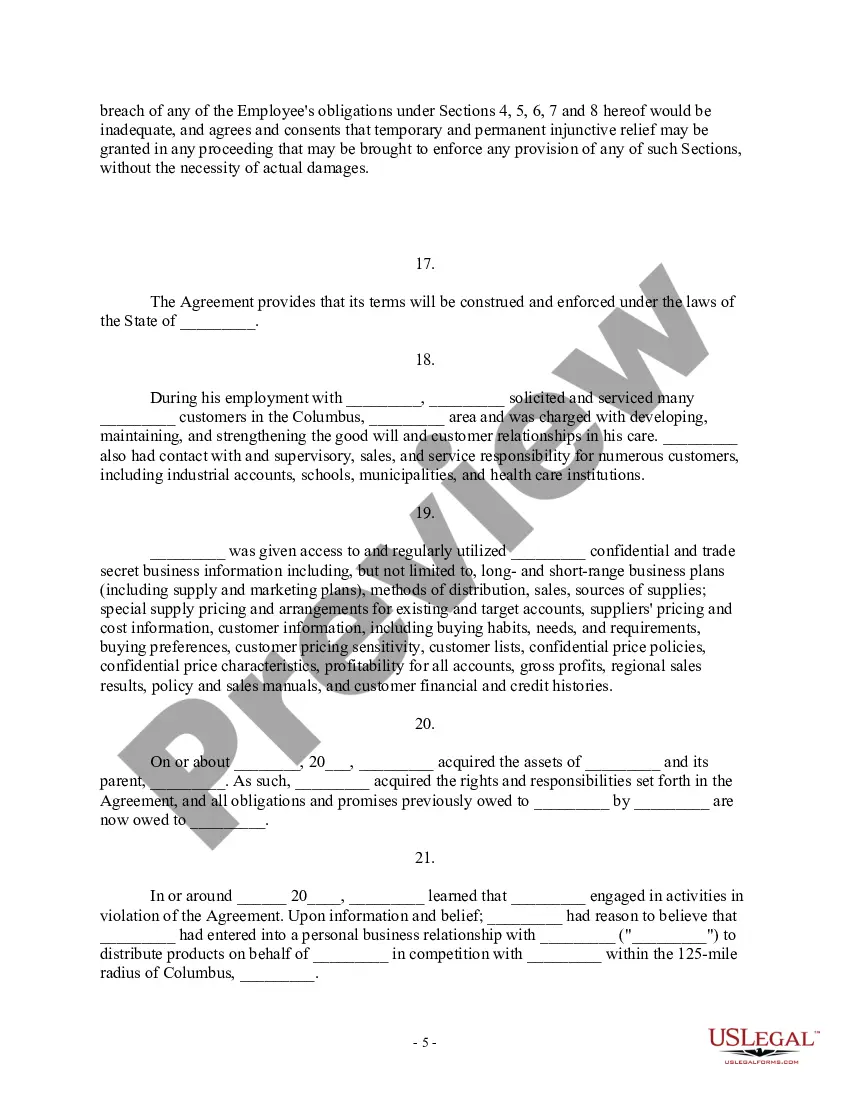

Get your form ready online
Our built-in tools help you complete, sign, share, and store your documents in one place.
Make edits, fill in missing information, and update formatting in US Legal Forms—just like you would in MS Word.
Download a copy, print it, send it by email, or mail it via USPS—whatever works best for your next step.
Sign and collect signatures with our SignNow integration. Send to multiple recipients, set reminders, and more. Go Premium to unlock E-Sign.
If this form requires notarization, complete it online through a secure video call—no need to meet a notary in person or wait for an appointment.
We protect your documents and personal data by following strict security and privacy standards.

Make edits, fill in missing information, and update formatting in US Legal Forms—just like you would in MS Word.

Download a copy, print it, send it by email, or mail it via USPS—whatever works best for your next step.

Sign and collect signatures with our SignNow integration. Send to multiple recipients, set reminders, and more. Go Premium to unlock E-Sign.

If this form requires notarization, complete it online through a secure video call—no need to meet a notary in person or wait for an appointment.

We protect your documents and personal data by following strict security and privacy standards.
Looking for another form?

Form popularity
FAQ
Injunctive relief is not a cause of action, but a remedy. (McDowell v. Watson (1997) 59 Cal. App.
The California Anti-Injunction Statutes One of the statutes at issue in the Ralphs decision, the Moscone Act (California Code of Civil Procedure section 527.3), provides that picketing and related union activities during a labor dispute cannot be enjoined except in the case of certain unlawful conduct.
Indian Patent Act 1970-Sections. (1) The reliefs which a court may grant in any suit for infringement include an injunction (subject to such terms, if any, as the court thinks fit) and, at the option of the plaintiff, either damages or an account of profits.
The “5-year rule” in California refers to summary dissolution, which is a simplified process for ending a marriage or domestic partnership without a formal court hearing. Its hope is to be a fast and less expensive option for couples who meet the specific criteria.
Injunctive relief, also known as an injunction , is a court-ordered remedy which restricts a party from committing specific actions or requires a party to complete specific actions.
Injunctive relief in a breach of contract claim is a court-ordered legal remedy whereby the court orders a party to either do something or refrain from doing something. Injunctive relief is sought when a breach of contract threatens to cause irreparable harm that can't be adequately compensated by monetary damages.
Generally speaking, there are two kinds of relief available through an injunction: prohibitory and mandatory. A prohibitory injunction is the most common form of injunction, and directs a party to refrain from acting in a certain manner.
In many patent suits, patent holders seek injunctive relief to prevent an accused infringer from continuingto practice the patented invention. Whether an injunction can be granted depends on various considerations a judge may weigh under her equitable powers.
Injunctive relief usually takes one of three forms: temporary restraining order (TRO), preliminary injunction, and permanent injunction. As their modifying terms imply, each has a different level of the time commitment involved.
