Injunctive Relief For Trademark In Broward
Description

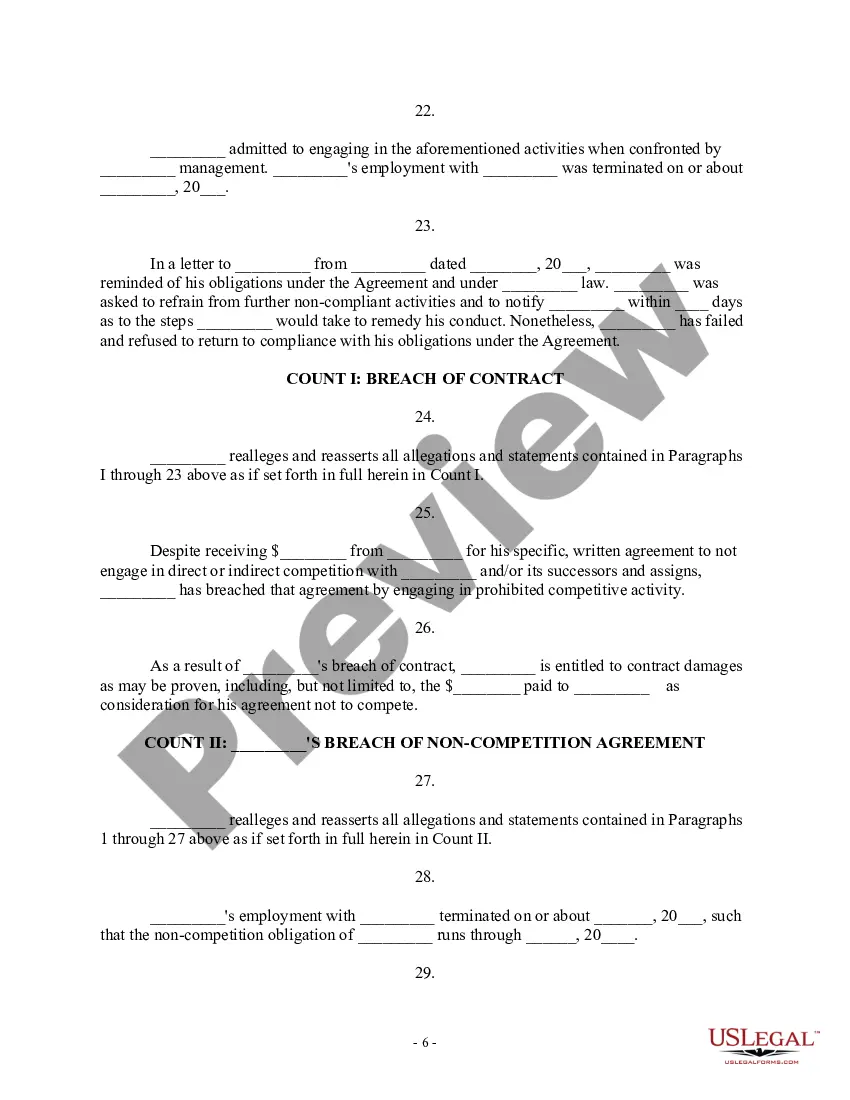
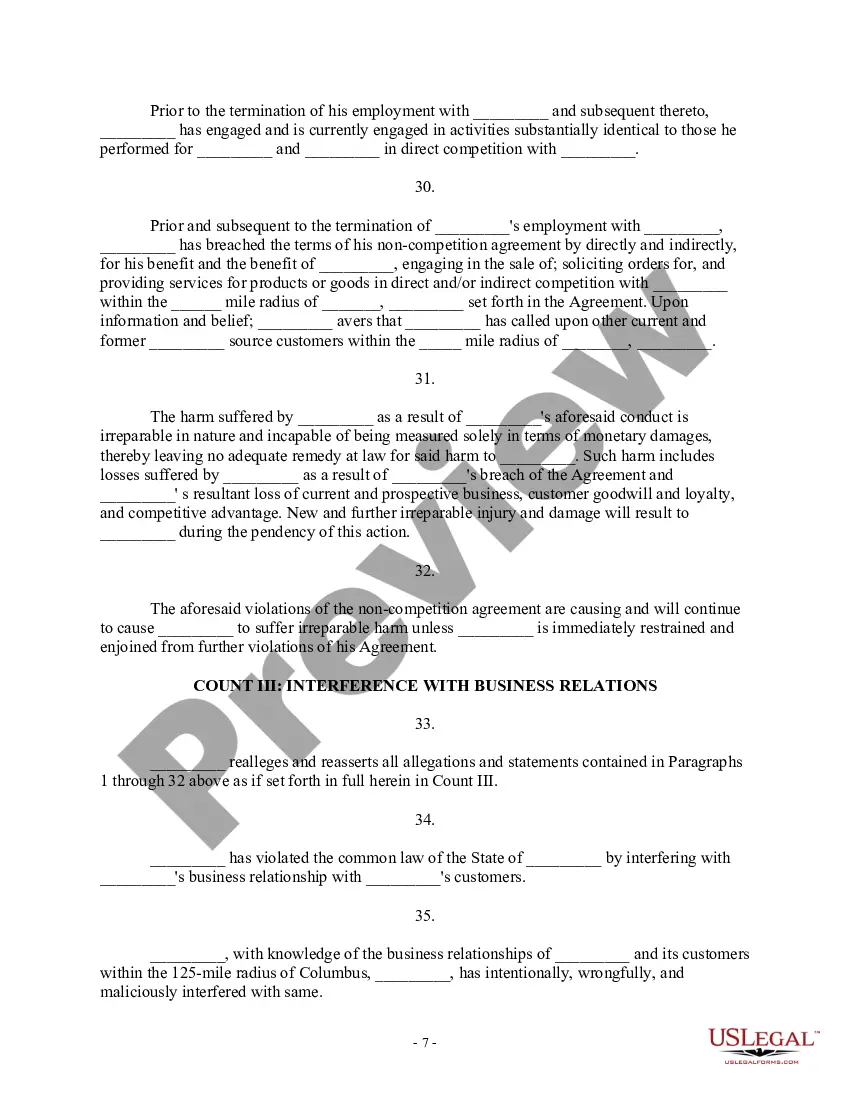
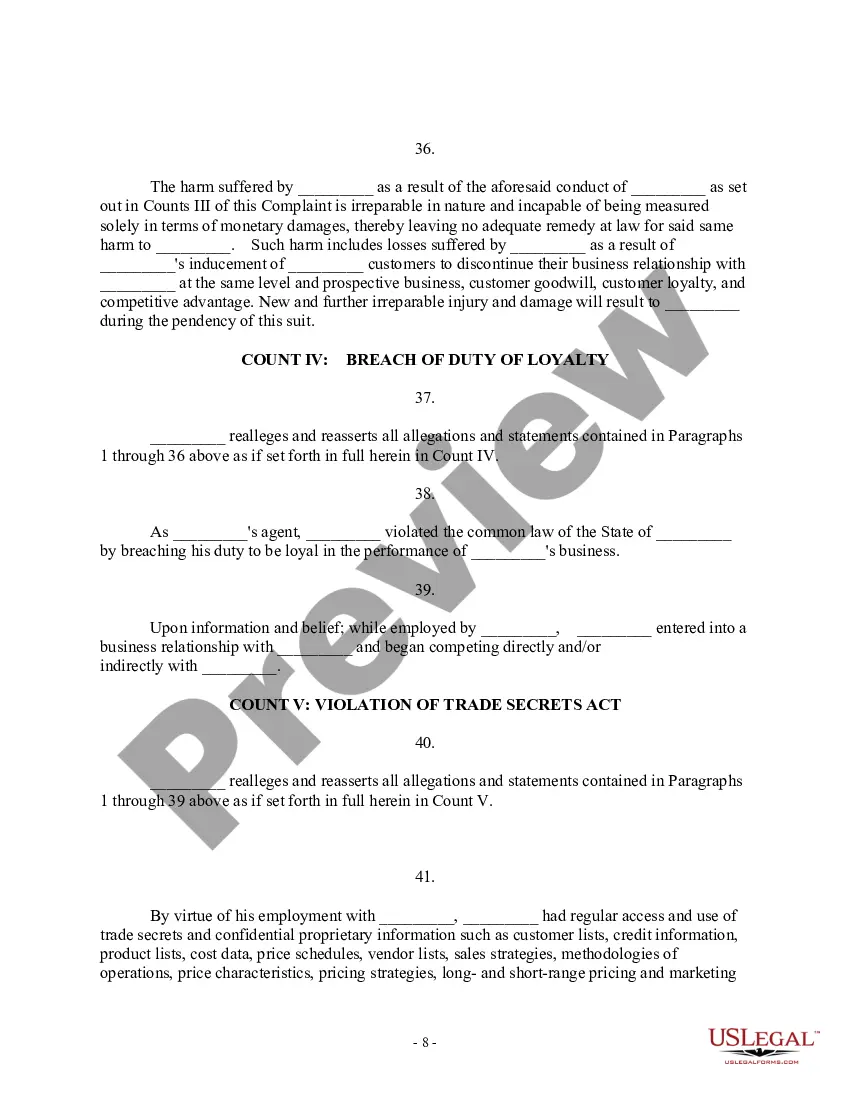
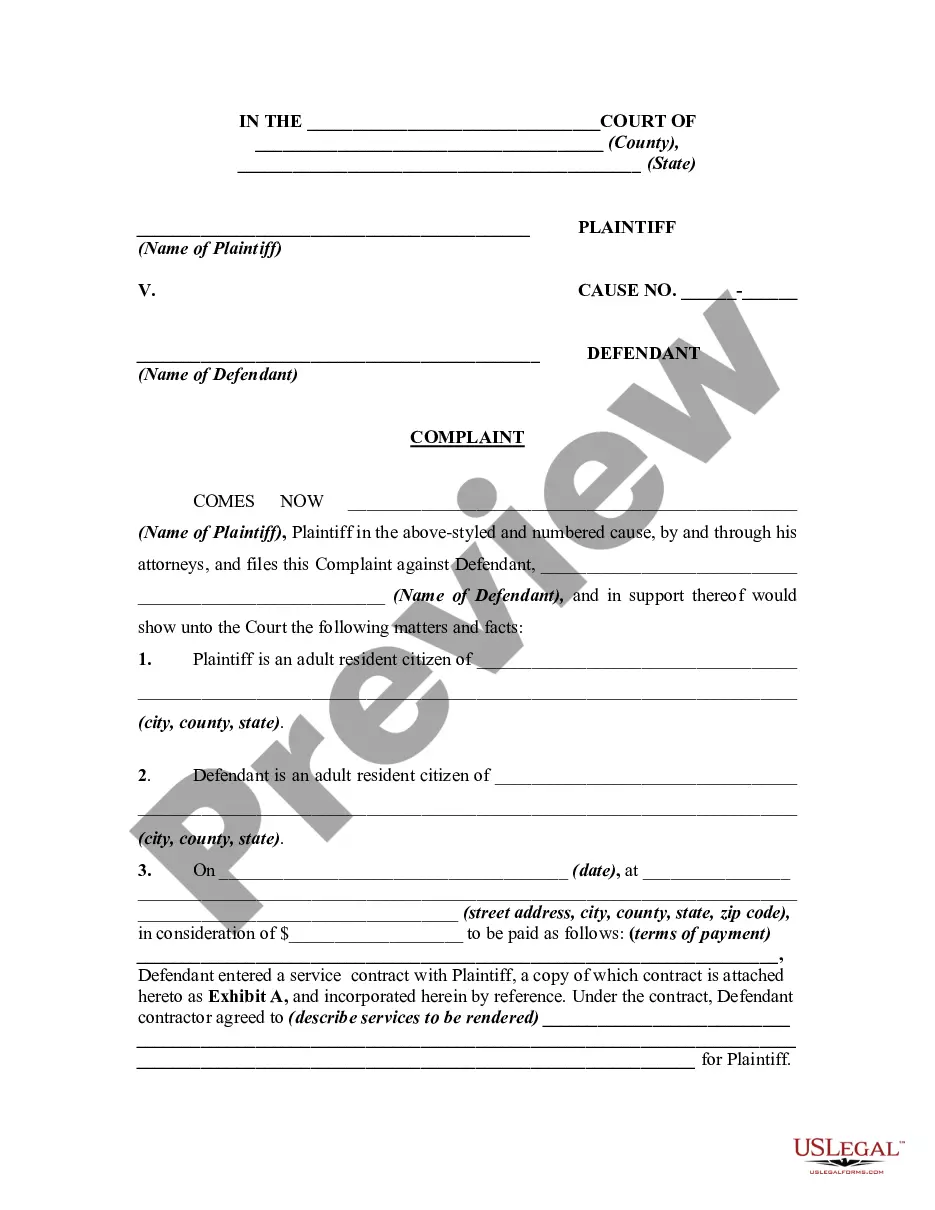
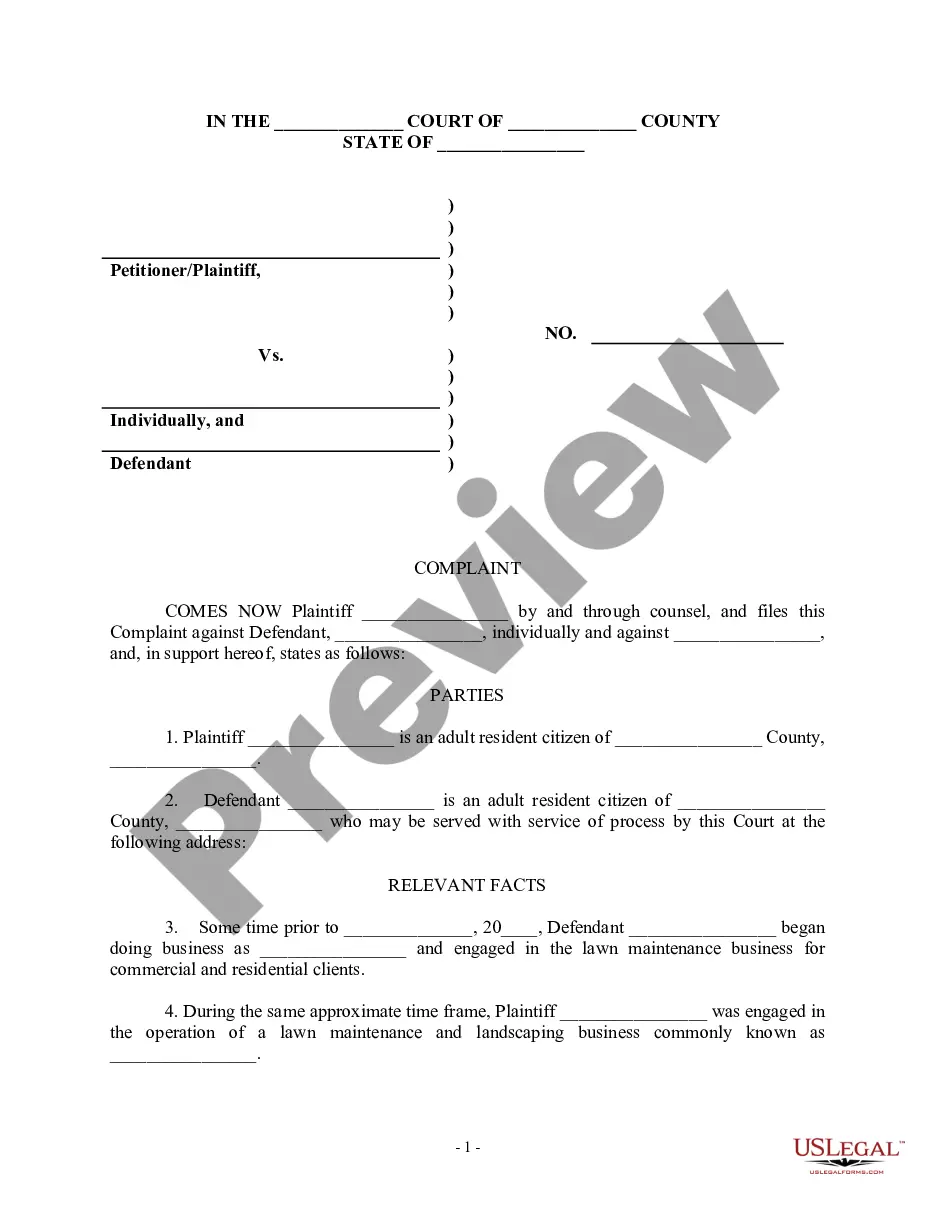
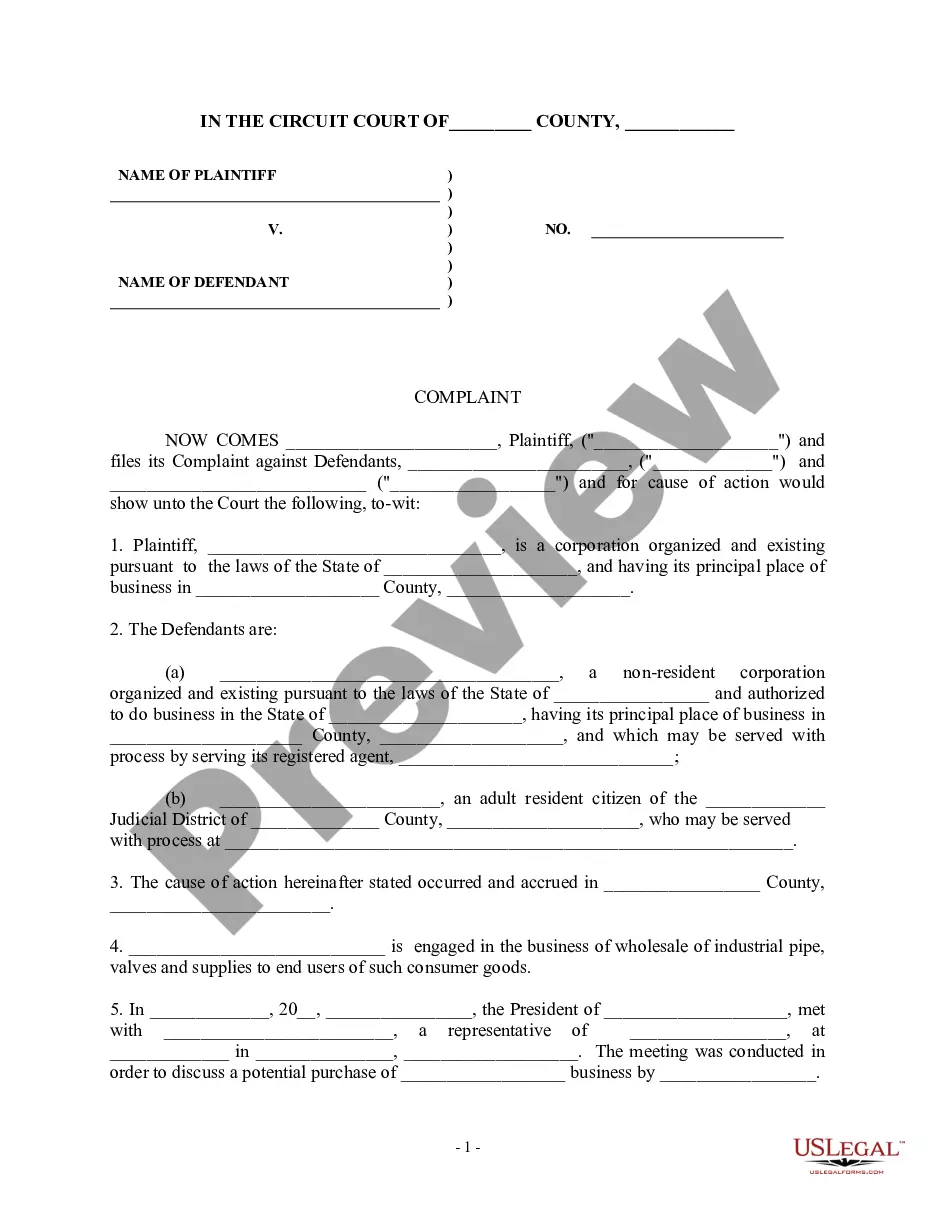

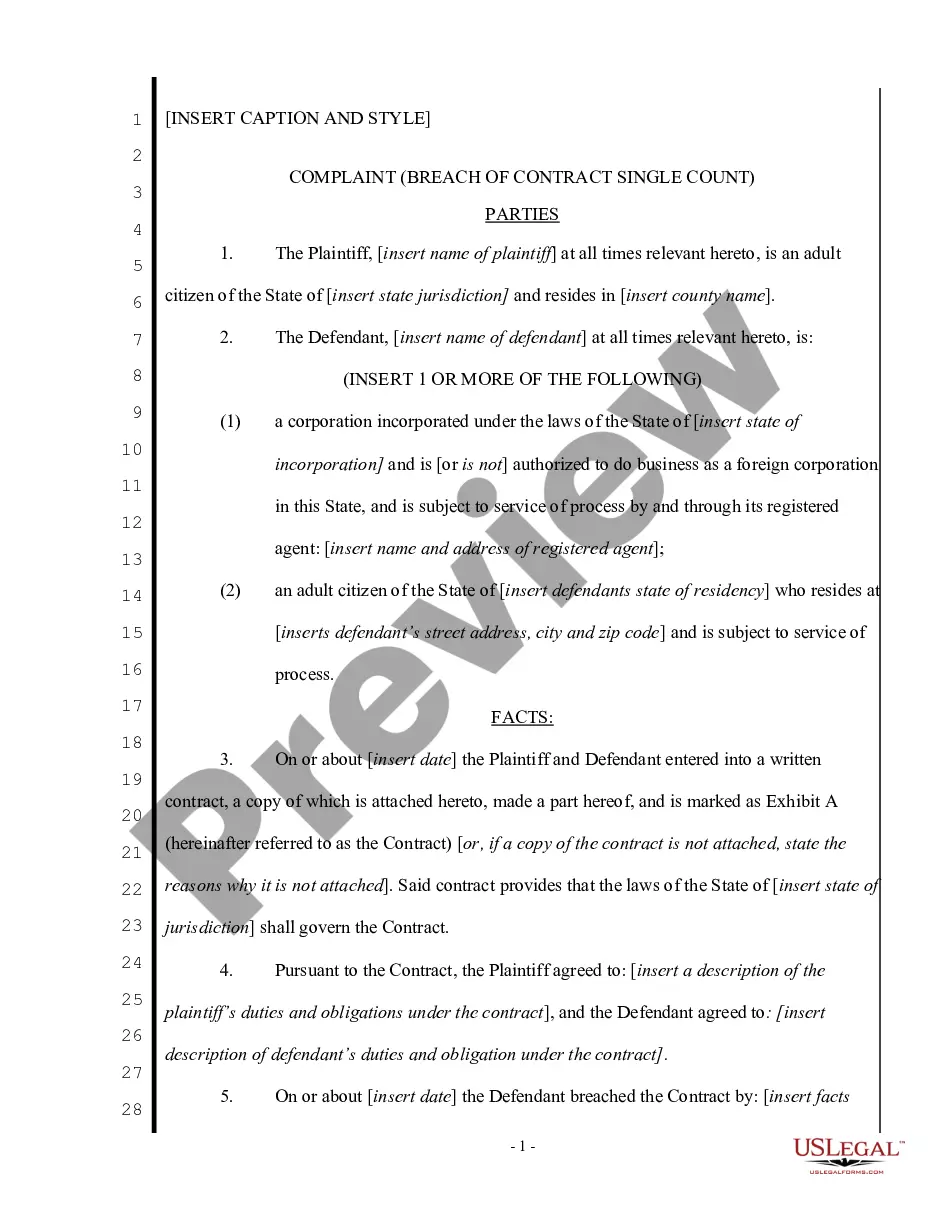
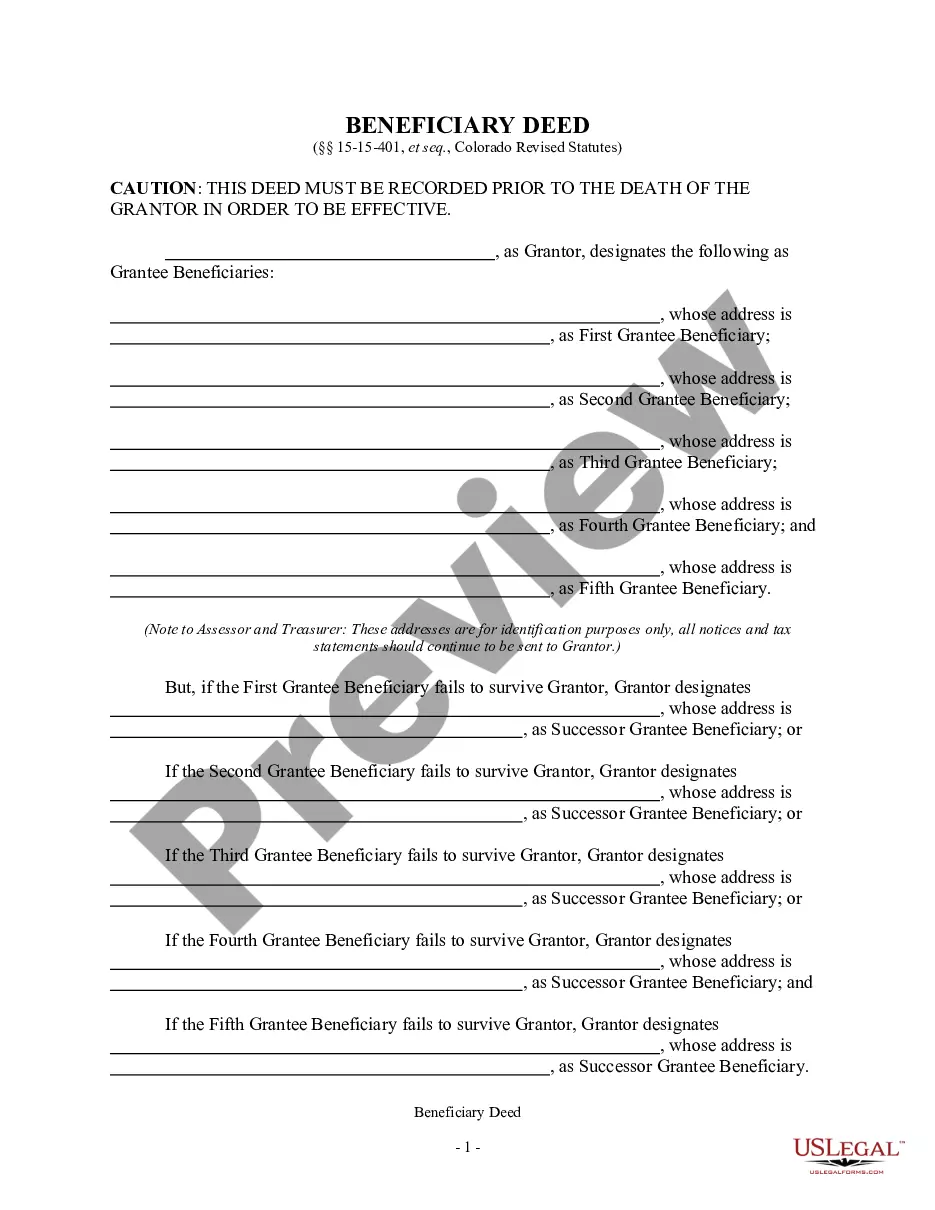
Get your form ready online
Our built-in tools help you complete, sign, share, and store your documents in one place.
Make edits, fill in missing information, and update formatting in US Legal Forms—just like you would in MS Word.
Download a copy, print it, send it by email, or mail it via USPS—whatever works best for your next step.
Sign and collect signatures with our SignNow integration. Send to multiple recipients, set reminders, and more. Go Premium to unlock E-Sign.
If this form requires notarization, complete it online through a secure video call—no need to meet a notary in person or wait for an appointment.
We protect your documents and personal data by following strict security and privacy standards.

Make edits, fill in missing information, and update formatting in US Legal Forms—just like you would in MS Word.

Download a copy, print it, send it by email, or mail it via USPS—whatever works best for your next step.

Sign and collect signatures with our SignNow integration. Send to multiple recipients, set reminders, and more. Go Premium to unlock E-Sign.

If this form requires notarization, complete it online through a secure video call—no need to meet a notary in person or wait for an appointment.

We protect your documents and personal data by following strict security and privacy standards.
Looking for another form?








Form popularity
FAQ
To prevail on a claim of trademark infringement, a plaintiff must establish that it has a valid mark entitled to protection; and that the defendant used the same or a similar mark in commerce in connection with the sale or advertising of goods or services without the plaintiff's consent.
How Much Can You Sue for Trademark Infringement? The answer varies from case to case, but you can generally sue for actual damages, profits of the infringer, and statutory damages ranging from $1,000 to $200,000 per infringement.
About Trademark Infringement a court order (injunction) that the defendant stop using the accused mark; an order requiring the destruction or forfeiture of infringing articles; monetary relief, including defendant's profits, any damages sustained by the plaintiff, and the costs of the action; and.
The most common remedy for trademark infringement is injunctive relief. Injunctions are court orders commanding that the infringer immediately cease its unlawful activities. Injunctions address future conduct rather than past actions.
Initiating A Legal Action by Filing a Complaint Assertion of your ownership rights to the trademark in question, Identification of the accused trademark infringer/defendant, An explanation of the relevant facts, Identification of the grounds upon which the action is based (e.g., trademark infringement, dilution, etc.),
There are four main trademark infringement defenses that may be available for a defendant against a claim of trademark infringement: Doctrine of laches; Estoppel; Unclean hands; and. Fair use doctrine or collateral use doctrine.
To support a trademark infringement claim in court, a plaintiff must prove that it owns a valid mark, that it has priority (its rights in the mark(s) are "senior" to the defendant's), and that the defendant's mark is likely to cause confusion in the minds of consumers about the source or sponsorship of the goods or ...
Trademark Damages Under the Lanham Act These five types include, disgorgement of the defendant's profits, actual damages, reasonable royalties, attorneys' fees in extraordinary cases, and costs.
To claim punitive damages, two requirements must be met, namely, intent to infringe and serious circumstances. The Civil Code stipulates that the subjective element of punitive damages is “intentional”, and the Trademark Law and the Anti-Unfair Competition Law stipulate that it is “bad faith”.
