Complaint Prayer For Relief Example In Bexar
Description













Get your form ready online
Our built-in tools help you complete, sign, share, and store your documents in one place.
Make edits, fill in missing information, and update formatting in US Legal Forms—just like you would in MS Word.
Download a copy, print it, send it by email, or mail it via USPS—whatever works best for your next step.
Sign and collect signatures with our SignNow integration. Send to multiple recipients, set reminders, and more. Go Premium to unlock E-Sign.
If this form requires notarization, complete it online through a secure video call—no need to meet a notary in person or wait for an appointment.
We protect your documents and personal data by following strict security and privacy standards.

Make edits, fill in missing information, and update formatting in US Legal Forms—just like you would in MS Word.

Download a copy, print it, send it by email, or mail it via USPS—whatever works best for your next step.

Sign and collect signatures with our SignNow integration. Send to multiple recipients, set reminders, and more. Go Premium to unlock E-Sign.

If this form requires notarization, complete it online through a secure video call—no need to meet a notary in person or wait for an appointment.

We protect your documents and personal data by following strict security and privacy standards.
Looking for another form?
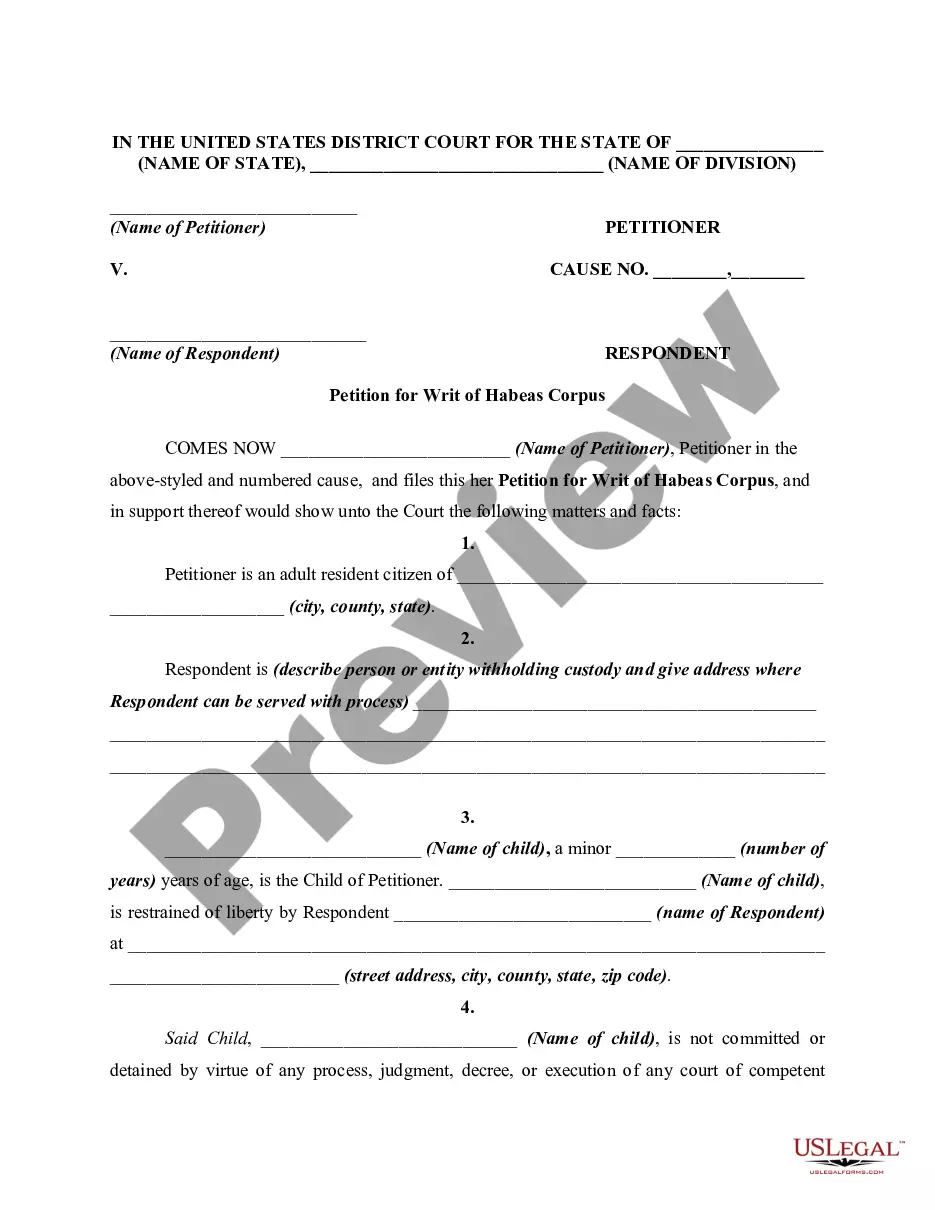




Form popularity
FAQ
In an action for a declaratory judgment, the demand for relief in the complaint shall specify the rights and other legal relations on which a declaration is requested and state whether further or consequential relief is or could be claimed and the nature and extent of any such relief which is claimed.
In such cases, a party may seek relief to protect or enforce their legal rights even in the absence of a direct injury. For example, relief can be sought through a declaratory judgment, where a court is asked to determine the legal rights or status of parties without ordering any specific action or awarding damages.
For example, if a person is injured in a car accident, they may file a lawsuit against the driver who caused the accident. In their complaint, they would include a prayer for relief asking for compensation for their medical bills, lost wages, and pain and suffering.
The prayer for relief is the part of complaint where a plaintiff states the damages or other remedies it is seeking from the court in a lawsuit. Federal Rules of Civil Procedure 8(a)(3) requires that a plaintiff's pleadings contains a prayer for relief. The prayer is often located at the end of the complaint.
A prayer for relief, in the law of civil procedure, is a portion of a complaint in which the plaintiff describes the remedies that the plaintiff seeks from the court.
A prayer for relief, in the law of civil procedure, is a portion of a complaint in which the plaintiff describes the remedies that the plaintiff seeks from the court.
A general prayer is an unspecified request for any other relief that the court deems the plaintiff is entitled to, as a court is not limited to granting the relief which the plaintiff requests. Prayer for relief is also called demand for relief.
Pray these words: Dear Lord, help me remember that I am not my pain; I am a child of God—loved, gifted, welcomed, wanted. Concentrate on what you feel besides your pain. Press your feet into the ground or floor. Feel them support you.
