Damages For Wrongful Injunction In Arizona
Description

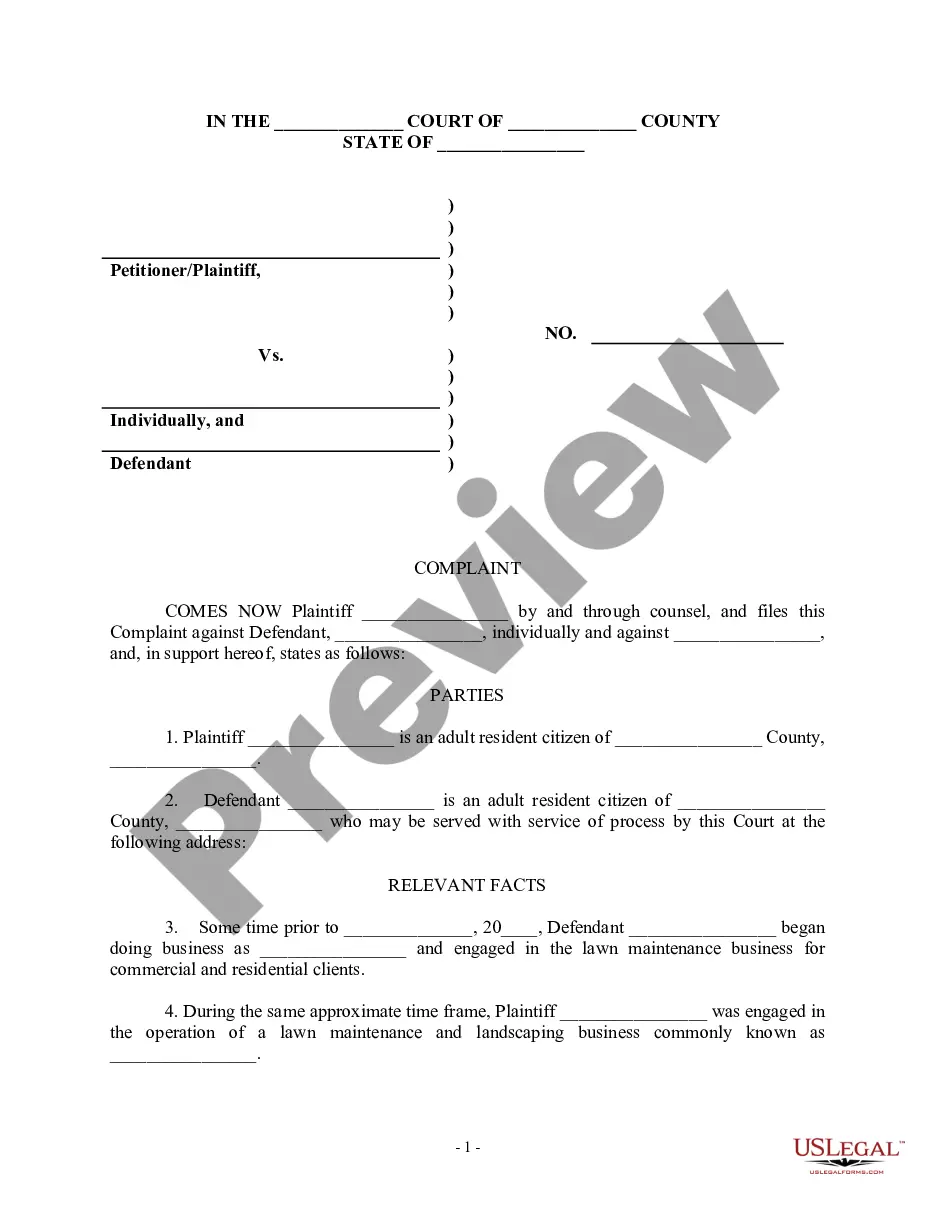
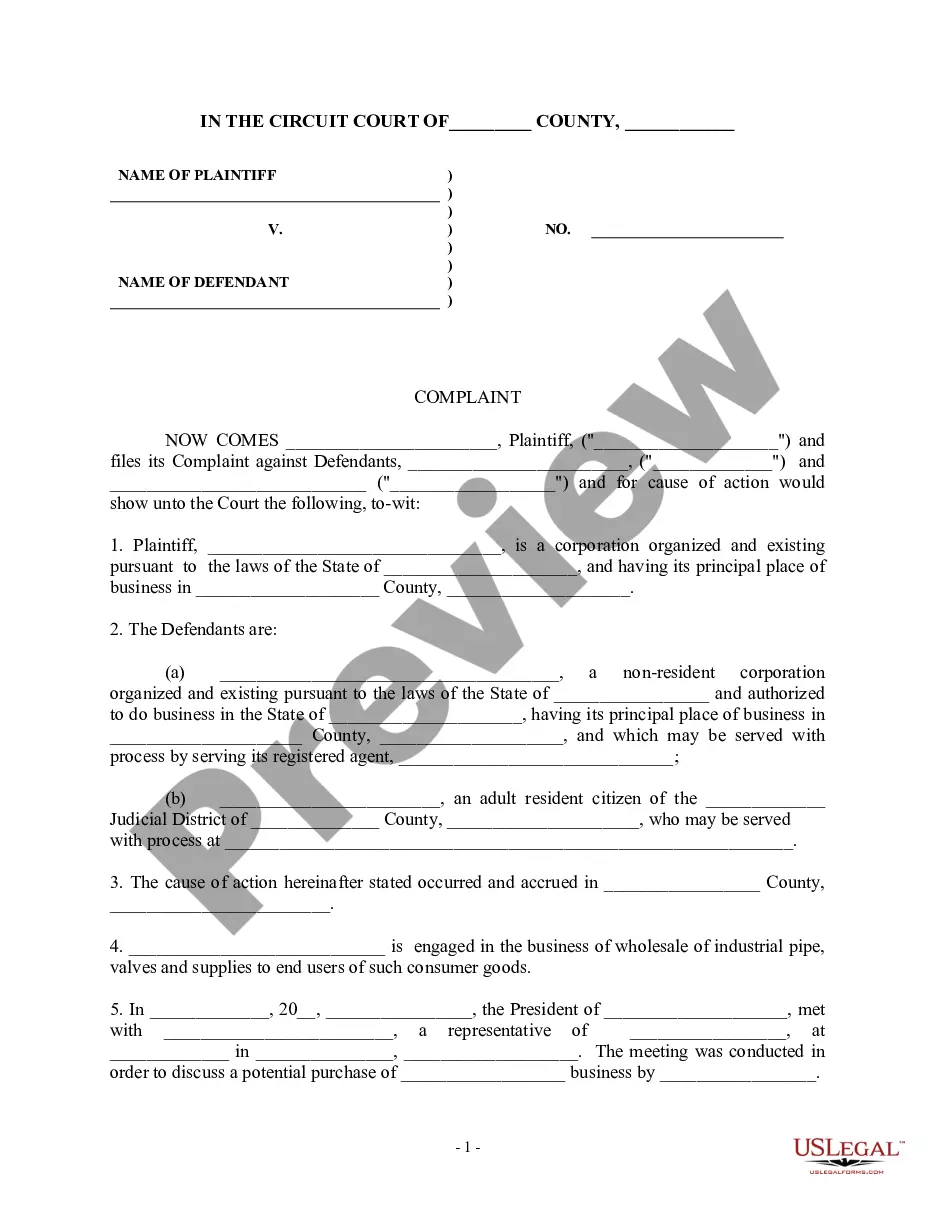

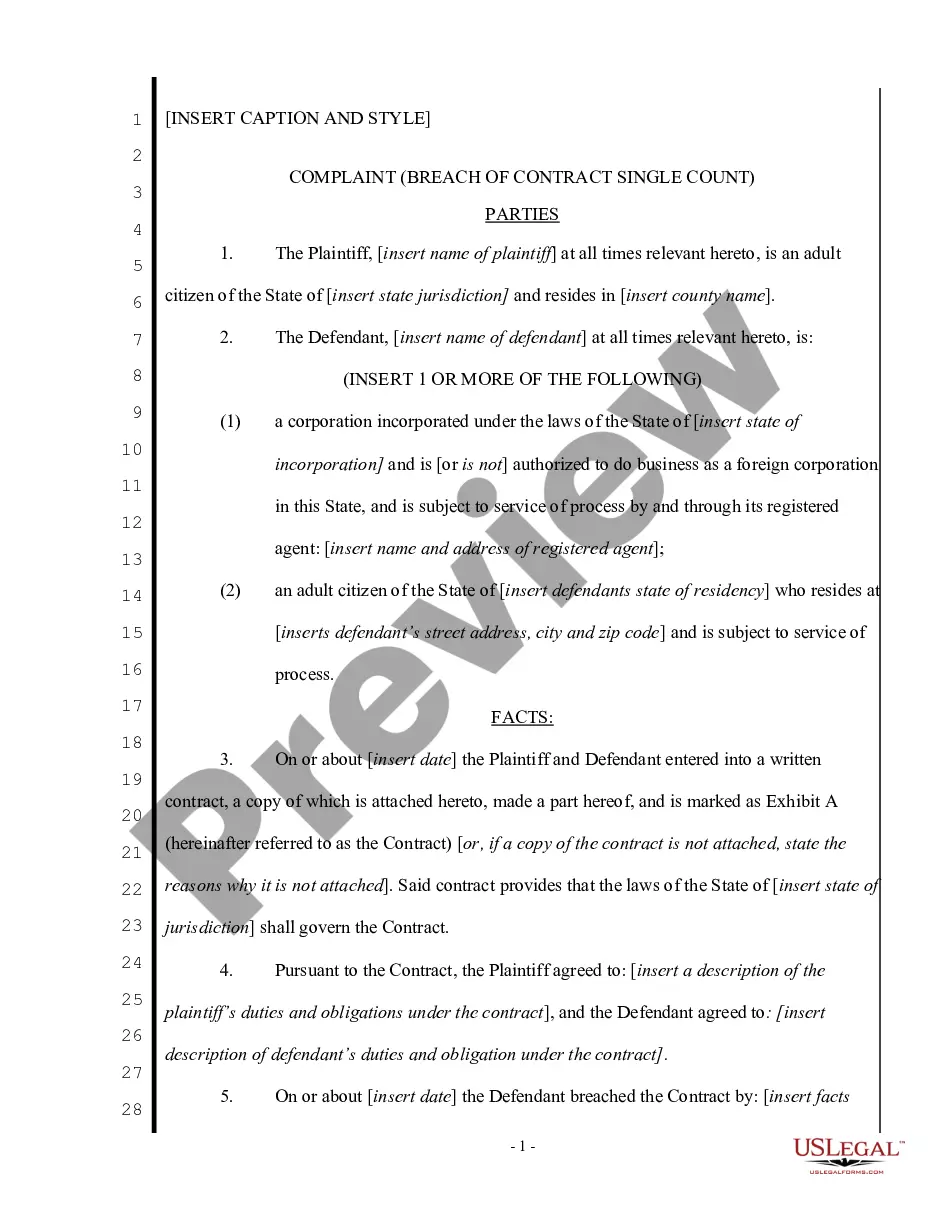
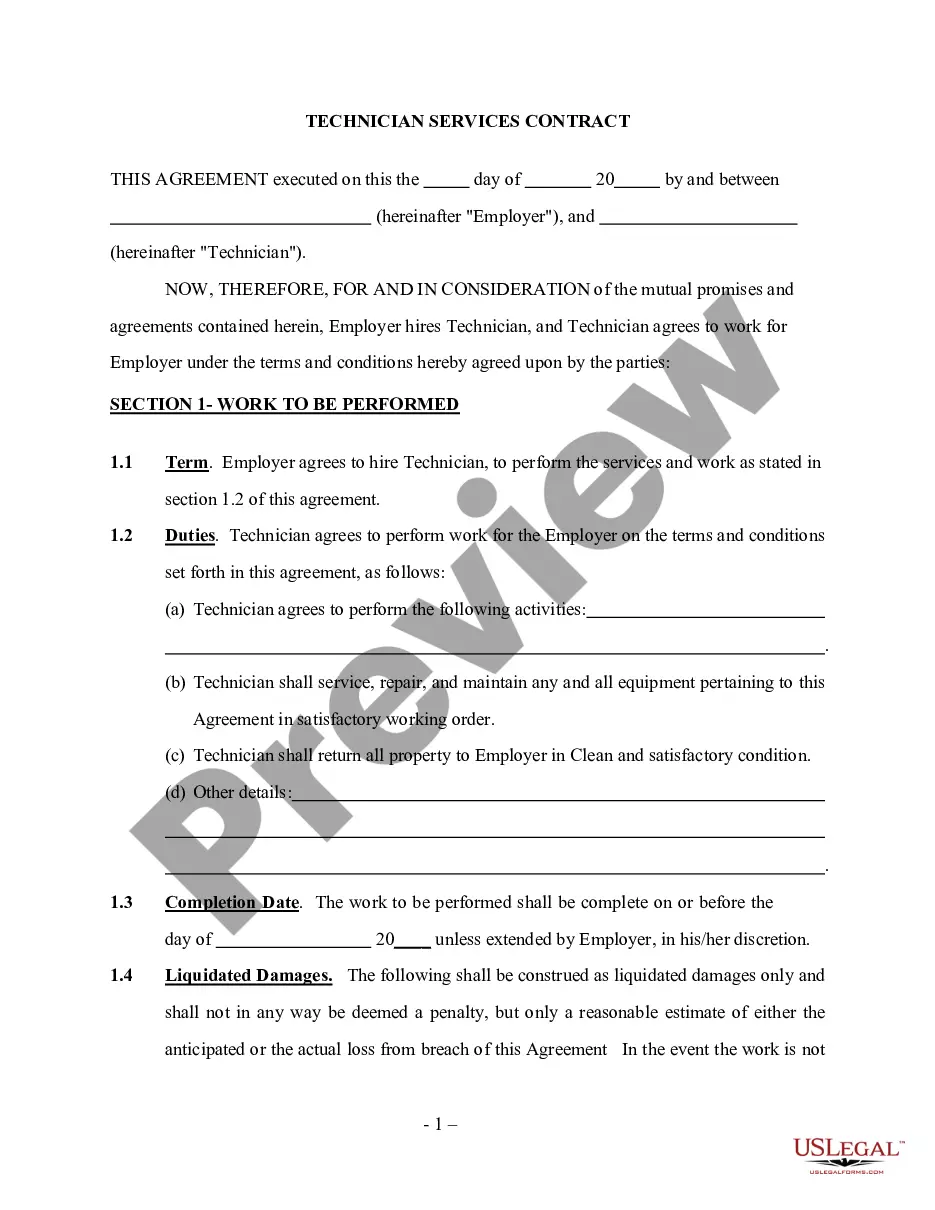
Get your form ready online
Our built-in tools help you complete, sign, share, and store your documents in one place.
Make edits, fill in missing information, and update formatting in US Legal Forms—just like you would in MS Word.
Download a copy, print it, send it by email, or mail it via USPS—whatever works best for your next step.
Sign and collect signatures with our SignNow integration. Send to multiple recipients, set reminders, and more. Go Premium to unlock E-Sign.
If this form requires notarization, complete it online through a secure video call—no need to meet a notary in person or wait for an appointment.
We protect your documents and personal data by following strict security and privacy standards.

Make edits, fill in missing information, and update formatting in US Legal Forms—just like you would in MS Word.

Download a copy, print it, send it by email, or mail it via USPS—whatever works best for your next step.

Sign and collect signatures with our SignNow integration. Send to multiple recipients, set reminders, and more. Go Premium to unlock E-Sign.

If this form requires notarization, complete it online through a secure video call—no need to meet a notary in person or wait for an appointment.

We protect your documents and personal data by following strict security and privacy standards.
Looking for another form?


Form popularity
FAQ
Arizona has some of the most restrictive sentencing laws in the country, with every person who is incarcerated required to serve a minimum 85 percent of his or her sentence— regardless of good behavior. This has resulted in a bloated prison population and massive state prison spending.
An injunction is a court order requiring a person to do or cease doing a specific action. There are three types of injunctions: Permanent injunctions, Temporary restraining orders and preliminary injunctions.
Rule 65 - Injunctions and Restraining Orders (a) Preliminary Injunction or Temporary Restraining Order. (1)Notice. Except as provided in Rule 65(b), the court may issue a preliminary injunction or a temporary restraining order only with notice to the adverse party.
An injunction is an equitable remedy in which one party must refrain from some action harmful to the party seeking such relief (prohibitive injunction), or perform a positive act to remedy a past wrong (mandatory injunction).
The Rule of 65 means when the age of the party seeking maintenance plus the length of the marriage exceeds 65, the duration range above will not apply. The recipient spouse must be at least 42, the marriage must have lasted 16 years and the combination of those two numbers must be equal to or greater than 65.
Rule 65 - Injunctions and Restraining Orders (a) Preliminary Injunction or Temporary Restraining Order. (1)Notice. Except as provided in Rule 65(b), the court may issue a preliminary injunction or a temporary restraining order only with notice to the adverse party.
These are the most common ways you can beat an injunction: Petitioner voluntarily dismisses it. Petitioner does not show up to the final injunction hearing. Petitioner agrees to keep the injunction temporary. Fighting the injunction in court (this one is the hardest and most expensive option).
A preliminary injunction is an interlocutory order issued by a judge early in a lawsuit to stop the defendant from continuing their allegedly harmful actions, or commanding them to act in a certain manner to preserve the status quo before the final judgment.
Injunctions are powerful remedies. They can force a person to act or refrain from acting, dictate policies that the government must adopt, or even refashion public institutions. Violations of an injunction can result in contempt.
Rule 65 - Injunctions and Restraining Orders (a) Preliminary Injunction or Temporary Restraining Order. (1)Notice. Except as provided in Rule 65(b), the court may issue a preliminary injunction or a temporary restraining order only with notice to the adverse party.
