Injunctive Relief Without Proof Of Damages In Allegheny
Description



Get your form ready online
Our built-in tools help you complete, sign, share, and store your documents in one place.
Make edits, fill in missing information, and update formatting in US Legal Forms—just like you would in MS Word.
Download a copy, print it, send it by email, or mail it via USPS—whatever works best for your next step.
Sign and collect signatures with our SignNow integration. Send to multiple recipients, set reminders, and more. Go Premium to unlock E-Sign.
If this form requires notarization, complete it online through a secure video call—no need to meet a notary in person or wait for an appointment.
We protect your documents and personal data by following strict security and privacy standards.

Make edits, fill in missing information, and update formatting in US Legal Forms—just like you would in MS Word.

Download a copy, print it, send it by email, or mail it via USPS—whatever works best for your next step.

Sign and collect signatures with our SignNow integration. Send to multiple recipients, set reminders, and more. Go Premium to unlock E-Sign.

If this form requires notarization, complete it online through a secure video call—no need to meet a notary in person or wait for an appointment.

We protect your documents and personal data by following strict security and privacy standards.
Looking for another form?







Form popularity
FAQ
(a) A court shall issue a preliminary or special injunction only after written notice and hearing unless it appears to the satisfaction of the court that immediate and irreparable injury will be sustained before notice can be given or a hearing held, in which case the court may issue a preliminary or special injunction ...
The plaintiff has the burden of proving that the defendant has breached the contract and that injunctive relief is necessary to prevent further harm. The plaintiff must also prove that the harm caused by the breach cannot be adequately compensated through monetary damages alone.
There are two types of an injunction. There is a temporary and a permanent injunction. The temporary injunction can last no longer than 15 days without the consent of both parties. A permanent injunction can last forever unless the judge modifies that injunction at the request of either party.
The standard in civil cases is the “preponderance of evidence,” meaning the plaintiff must prove that their claims are more likely valid than not. ing to the Legal Information Institute, “51% certainty is the threshold” for meeting the preponderance of evidence standard in most civil cases.
Understanding Burden of Proof The burden of proof refers to the obligation of a party in a legal proceeding to prove or disprove a disputed fact. In civil and criminal cases, the burden of proof determines which party must present evidence to establish the truth of the matter at issue.
A bench of Justice JB Pardiwala and Justice R Mahadevan held that suit for injunction simpliciter can be filed only if the defendant does not raise any dispute with regard to title of the property. The Supreme Court held this in the case of Krushna Chandra Behera & Ors v. Narayan Nayak & Ors. (2024).
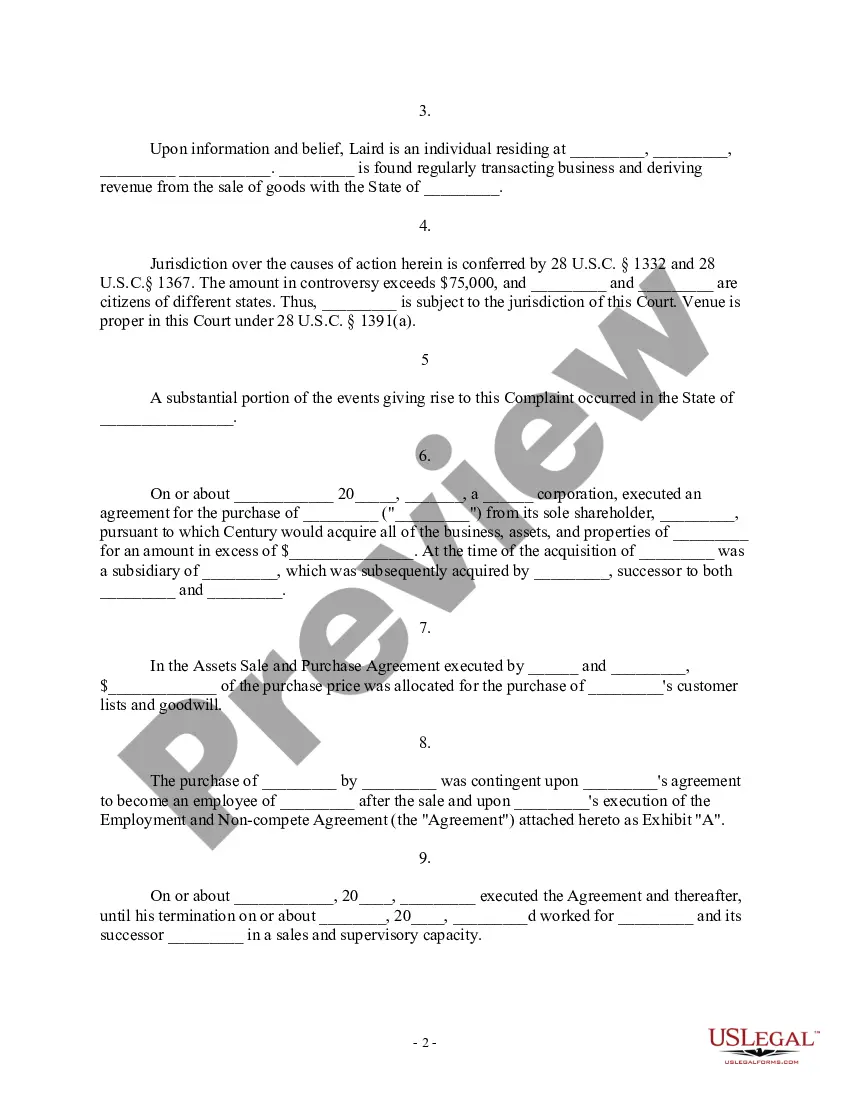
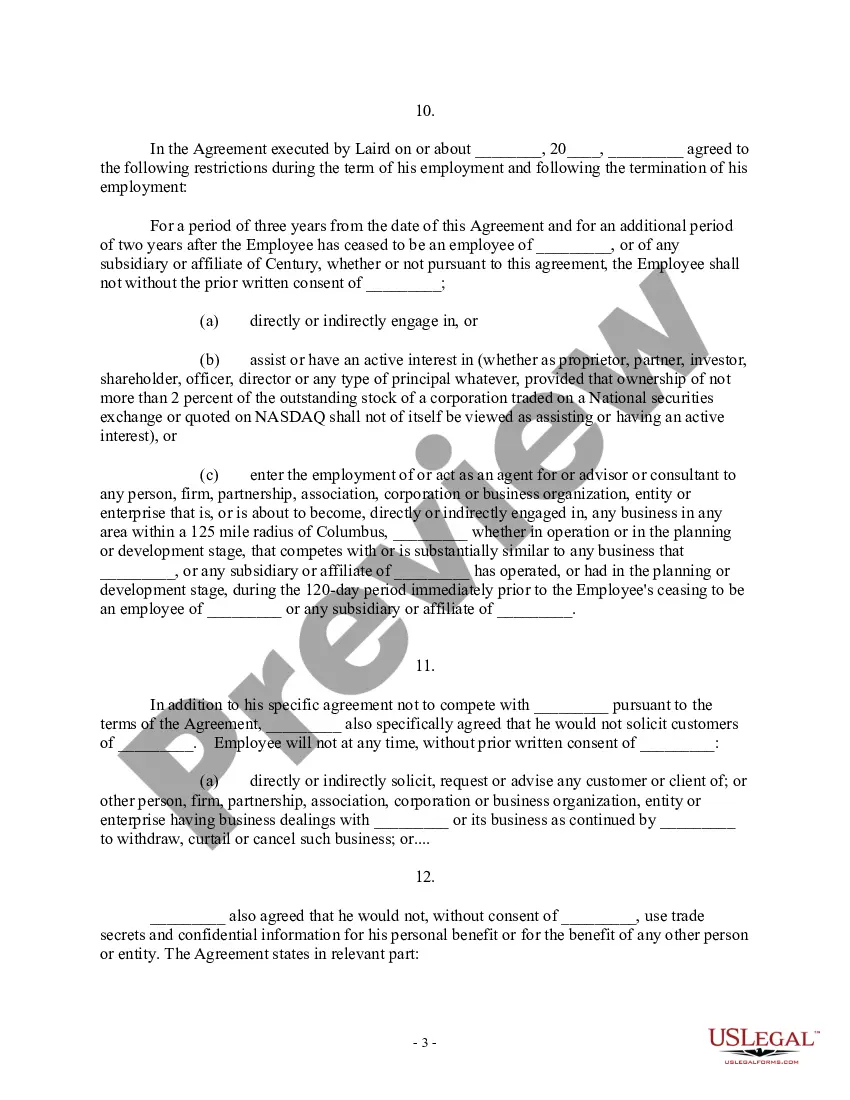
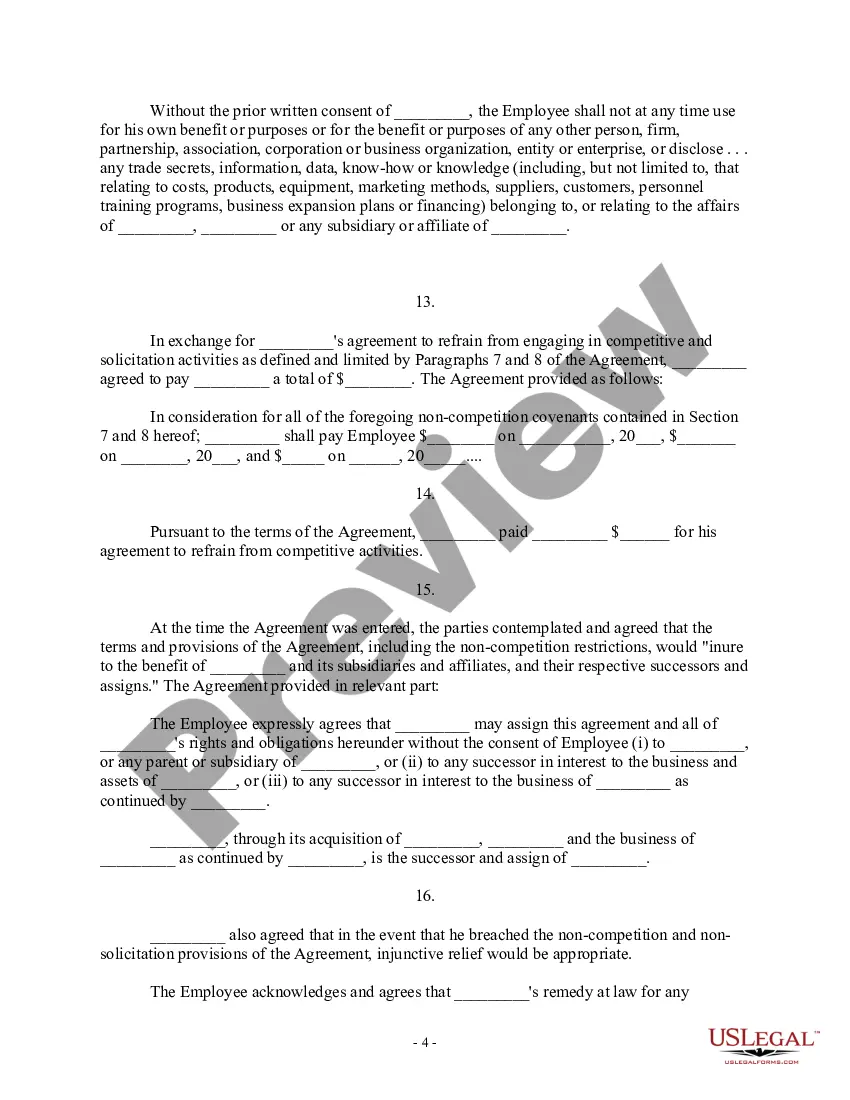
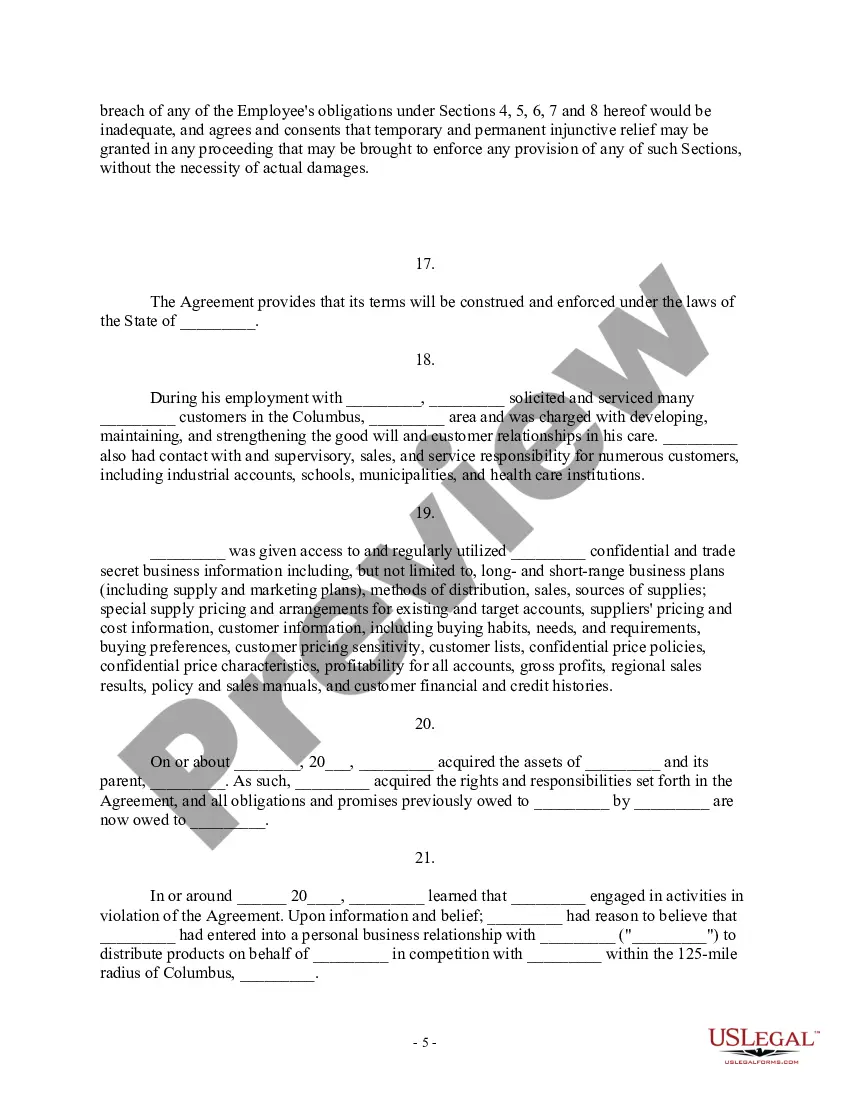
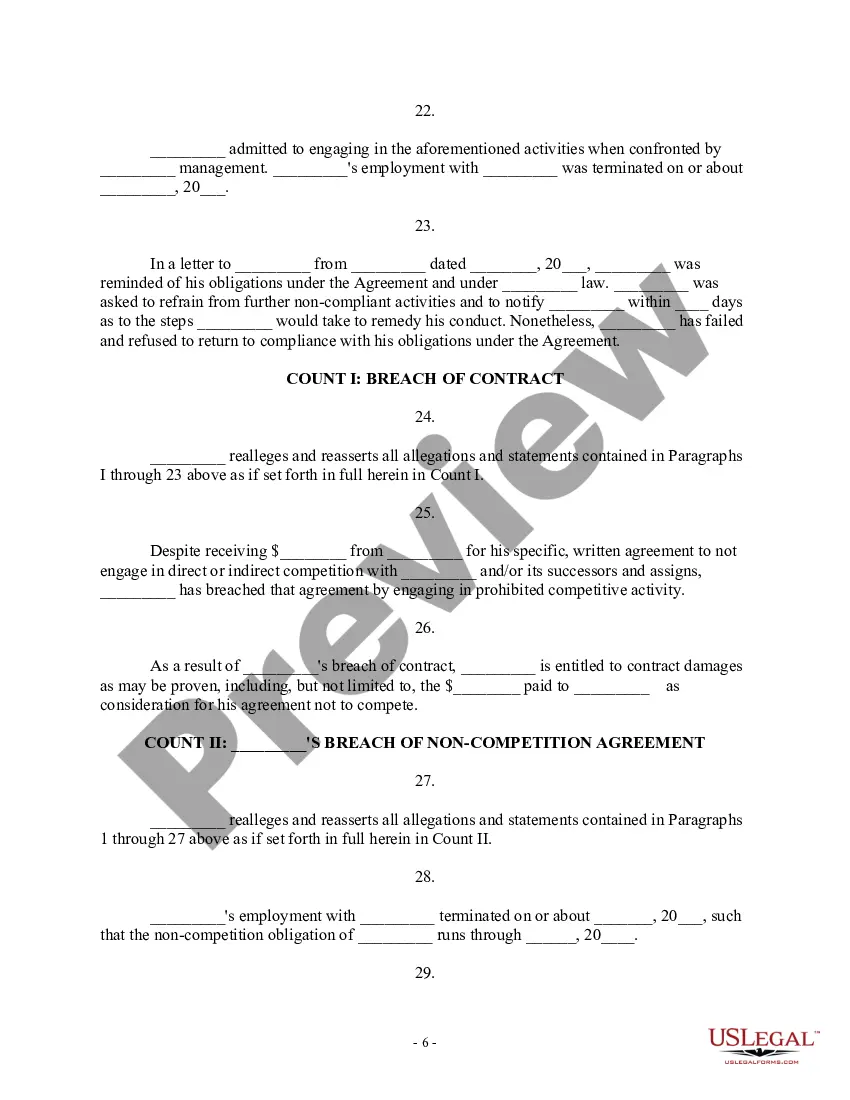
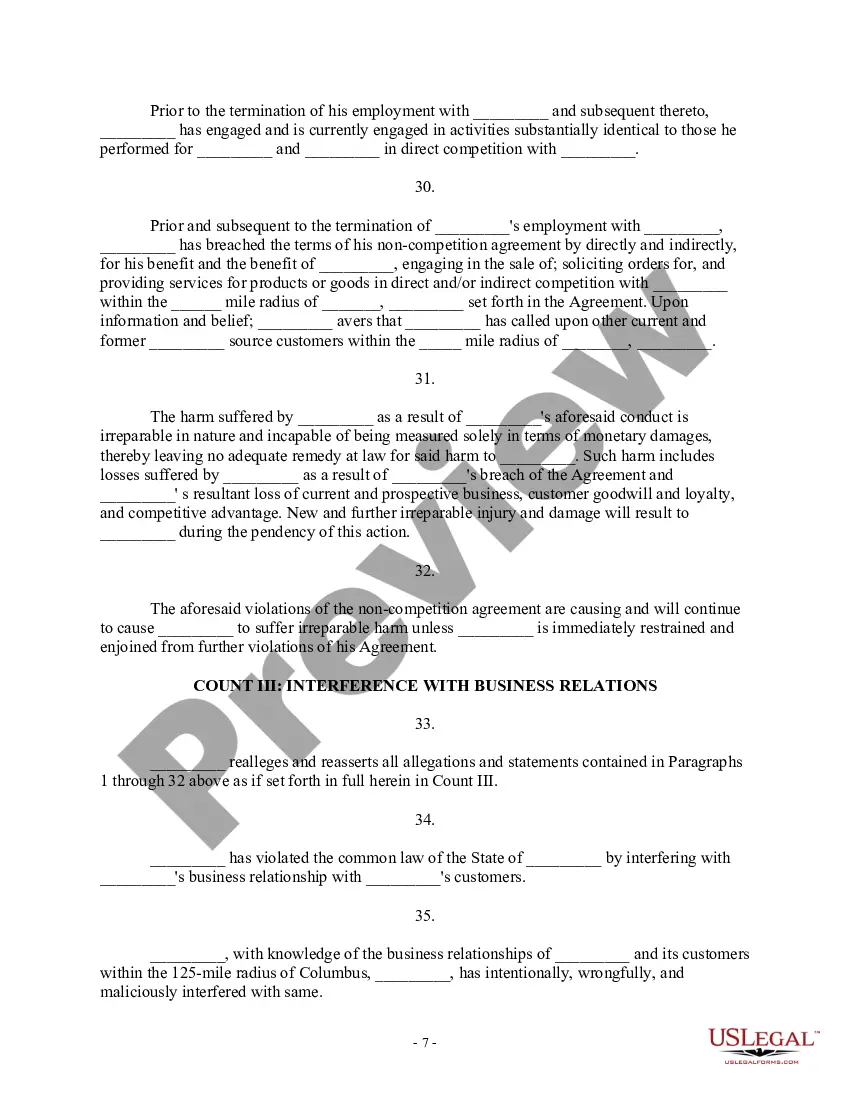
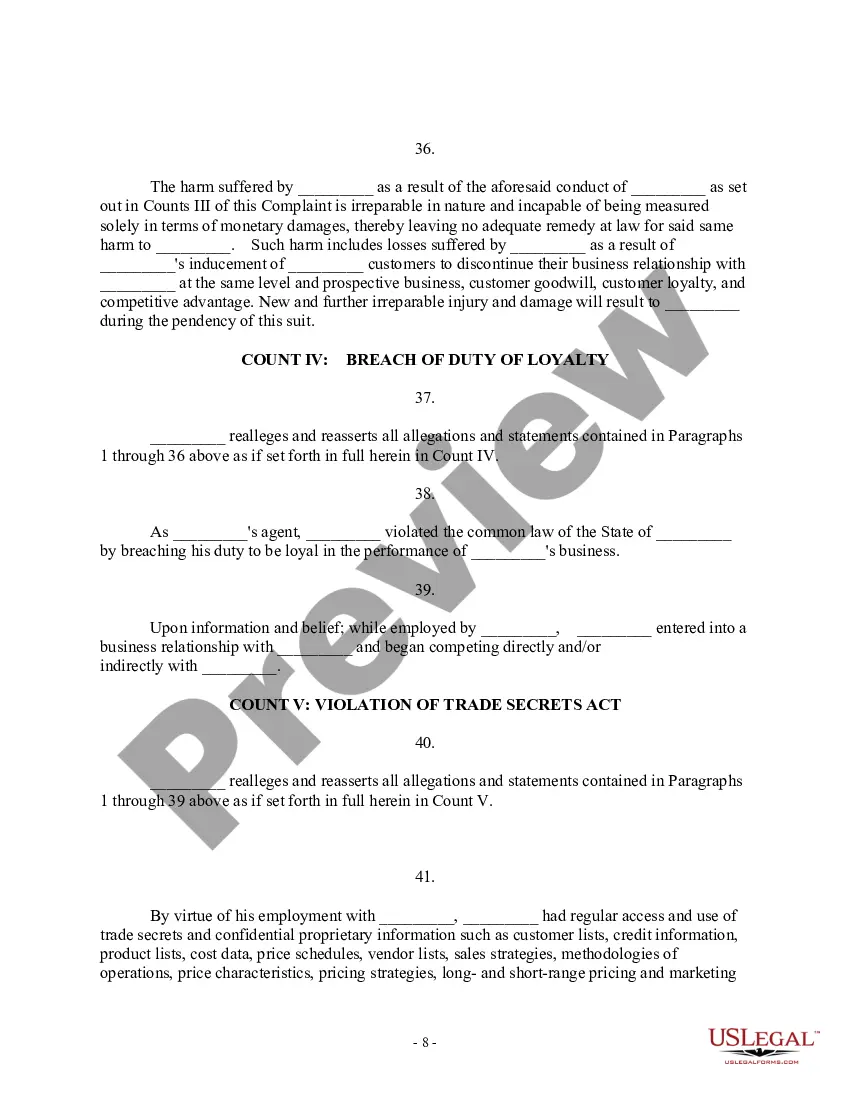
What Is an Example of Injunctive Relief? Theft of Clients: If a former employee poaches a company's clients, the innocent party may try to stop the former client from causing further damage. Breach of Contract: Injunctive relief is an effective way to stop an offending party from continuing to breach a contract.
These courts consider: (1) the likelihood of success on the merits; (2) irreparable harm if the injunction is not granted; (3) whether a balancing of the relevant equities favors the injunction; and (4) whether the issuance of the injunction is in the public interest.
To seek a permanent injunction, the plaintiff must pass the four-step test: (1) that the plaintiff has suffered an irreparable injury; (2) that remedies available at law, such as monetary damages, are inadequate to compensate for the injury; (3) that the remedy in equity is warranted upon consideration of the balance ...
The plaintiff has the burden of proving that the defendant has breached the contract and that injunctive relief is necessary to prevent further harm. The plaintiff must also prove that the harm caused by the breach cannot be adequately compensated through monetary damages alone.
