Complaint Prayer For Relief Example In Allegheny
Description

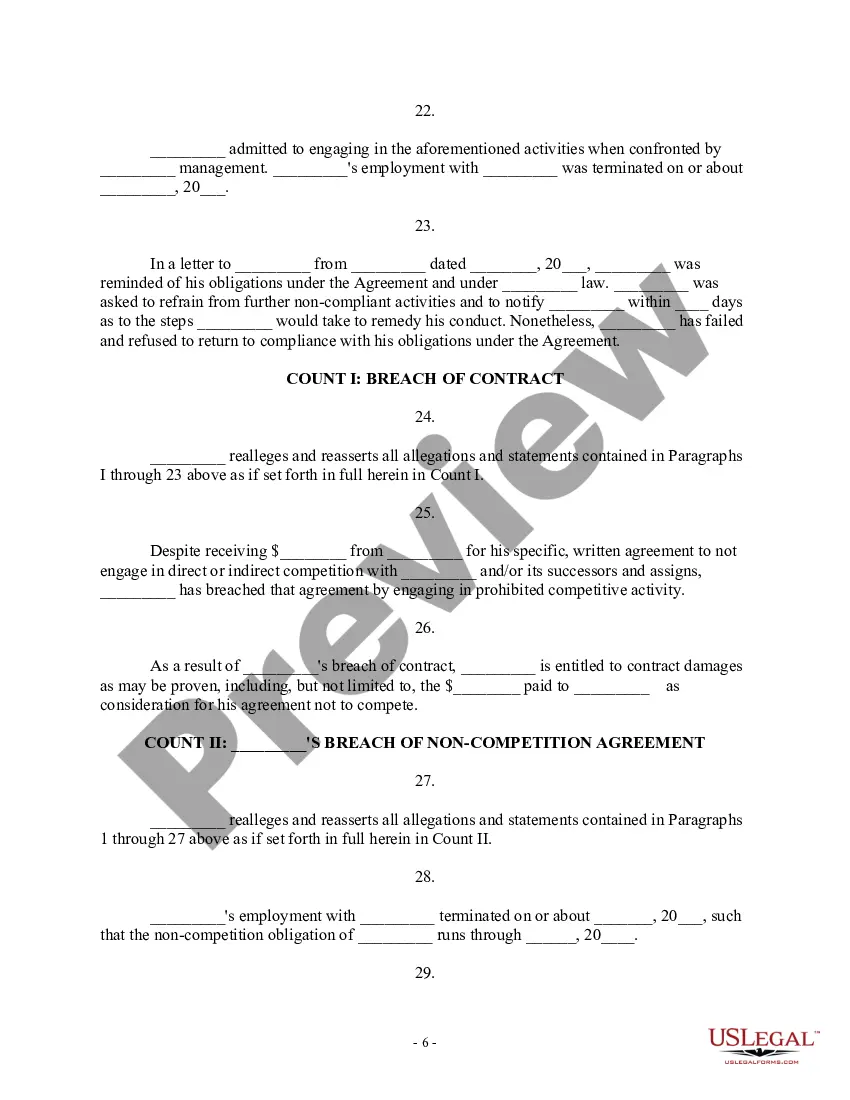
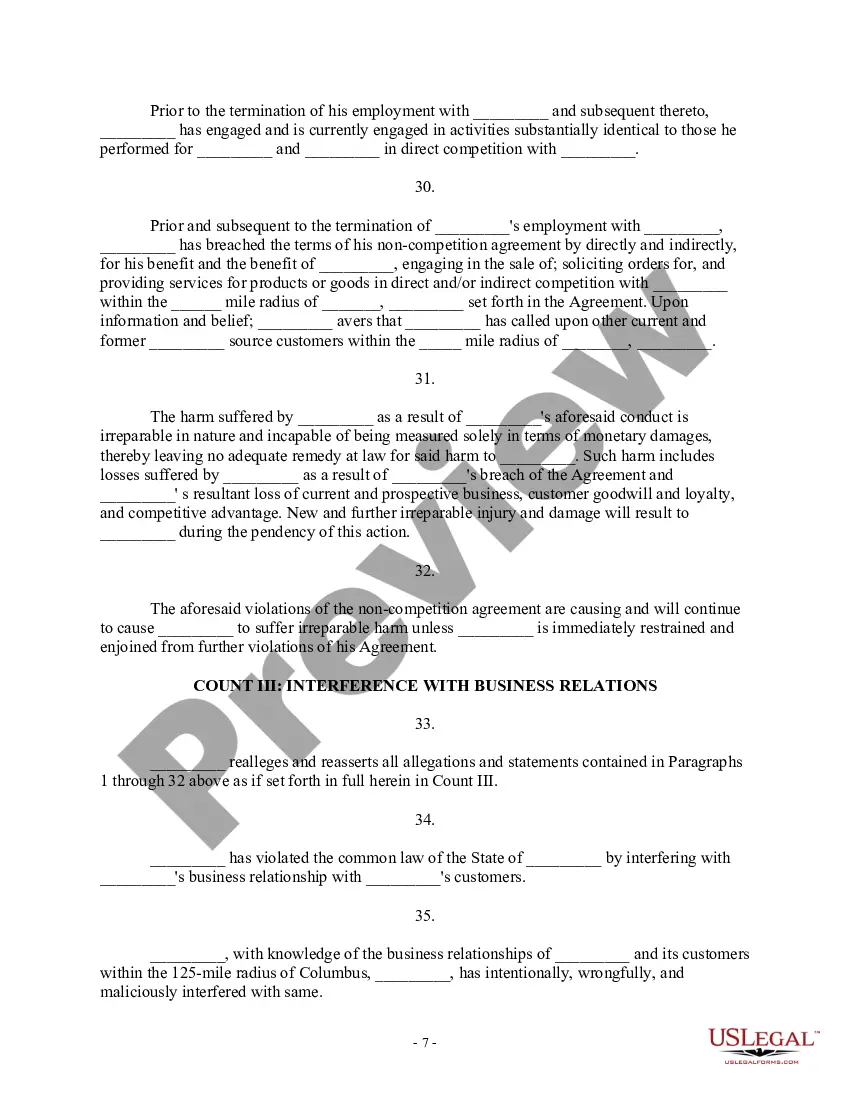
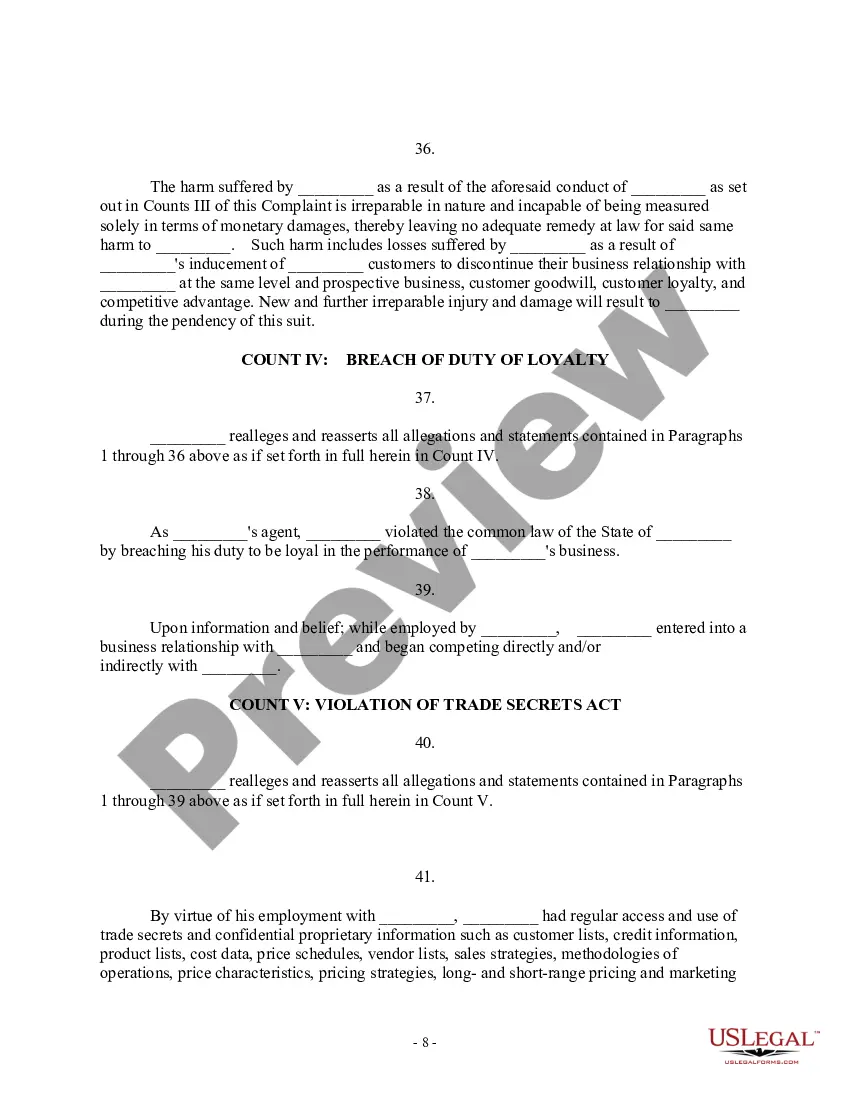

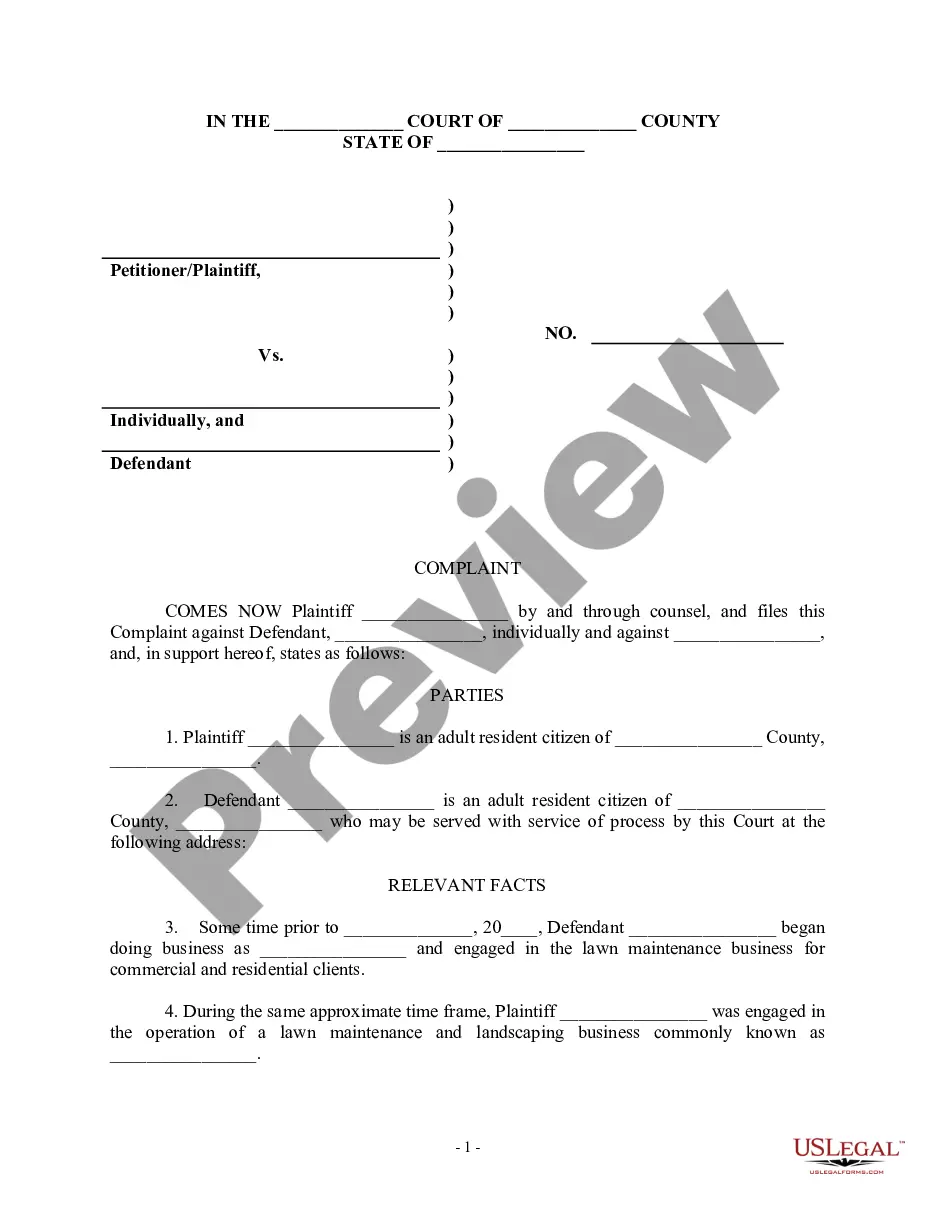
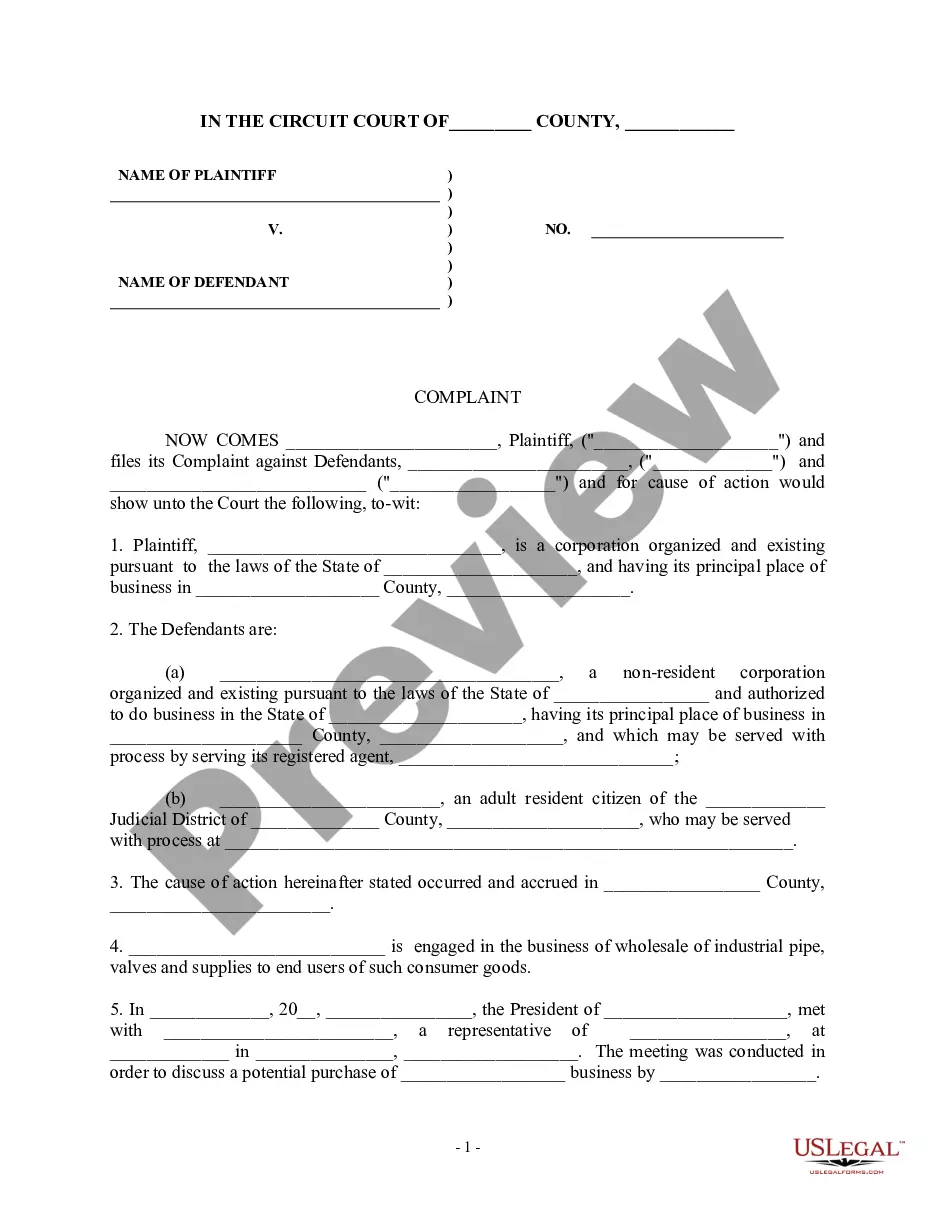

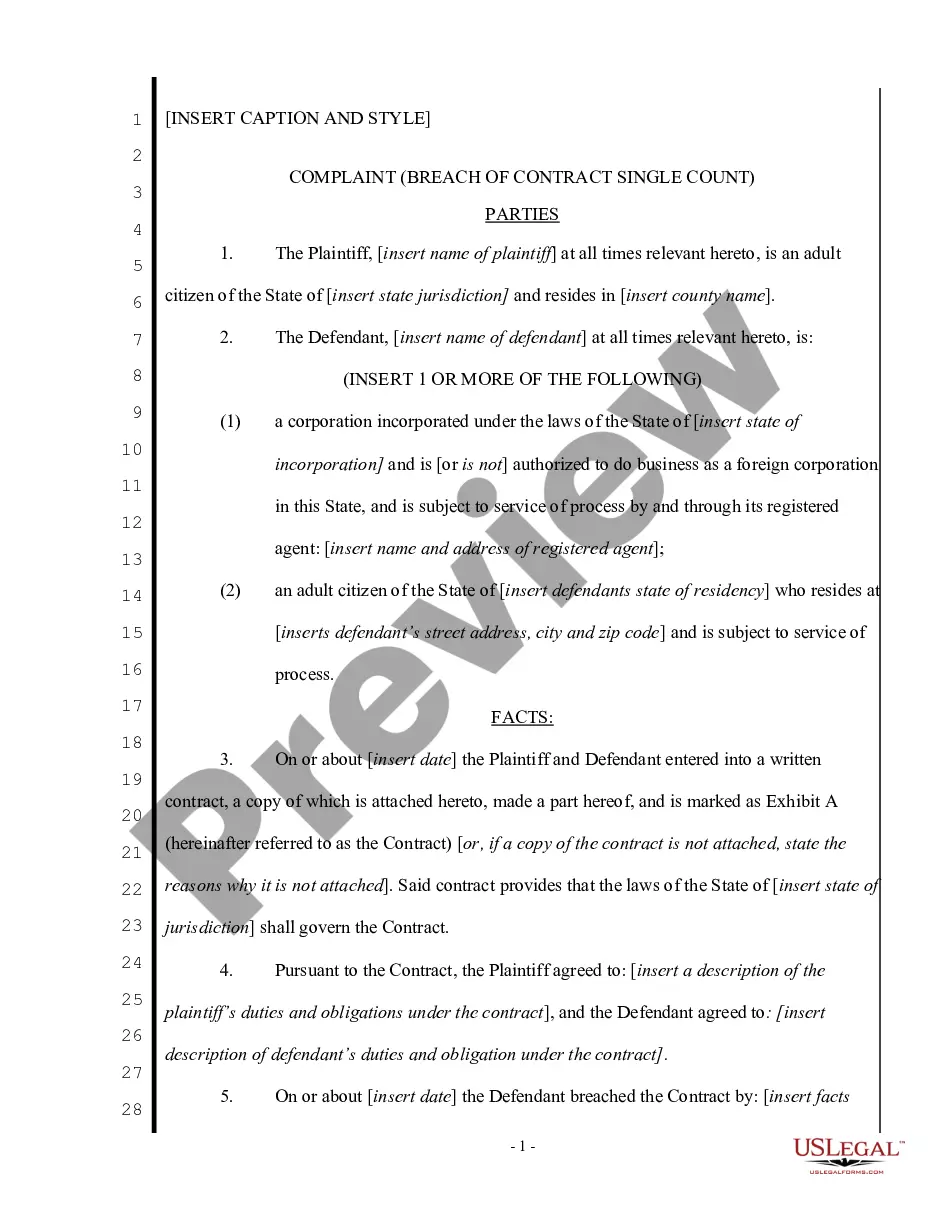
Get your form ready online
Our built-in tools help you complete, sign, share, and store your documents in one place.
Make edits, fill in missing information, and update formatting in US Legal Forms—just like you would in MS Word.
Download a copy, print it, send it by email, or mail it via USPS—whatever works best for your next step.
Sign and collect signatures with our SignNow integration. Send to multiple recipients, set reminders, and more. Go Premium to unlock E-Sign.
If this form requires notarization, complete it online through a secure video call—no need to meet a notary in person or wait for an appointment.
We protect your documents and personal data by following strict security and privacy standards.

Make edits, fill in missing information, and update formatting in US Legal Forms—just like you would in MS Word.

Download a copy, print it, send it by email, or mail it via USPS—whatever works best for your next step.

Sign and collect signatures with our SignNow integration. Send to multiple recipients, set reminders, and more. Go Premium to unlock E-Sign.

If this form requires notarization, complete it online through a secure video call—no need to meet a notary in person or wait for an appointment.

We protect your documents and personal data by following strict security and privacy standards.
Looking for another form?
Form popularity
FAQ
A prayer for relief, in the law of civil procedure, is a portion of a complaint in which the plaintiff describes the remedies that the plaintiff seeks from the court.
The prayer for relief is the part of complaint where a plaintiff states the damages or other remedies it is seeking from the court in a lawsuit. Federal Rules of Civil Procedure 8(a)(3) requires that a plaintiff's pleadings contains a prayer for relief. The prayer is often located at the end of the complaint.
A general prayer is an unspecified request for any other relief that the court deems the plaintiff is entitled to, as a court is not limited to granting the relief which the plaintiff requests. Prayer for relief is also called demand for relief.
The prayer for relief is a part of a complaint where the person who is suing (called the plaintiff) tells the court what they want the court to do to help them. This is required by the rules of the court. The prayer for relief is usually at the end of the complaint.
A prayer for relief, in the law of civil procedure, is a portion of a complaint in which the plaintiff describes the remedies that the plaintiff seeks from the court.
If you are filing the Complaint originally in Common Pleas Court, under Pennsylvania law, service of the Complaint on a resident of Pennsylvania must be made by the Sheriff. You must take two file-stamped copies (the Defendant's copy and the Sheriff's service copy) of the Complaint to the Sheriff for service.
Rule 1301 - Scope (1) The following civil actions shall first be submitted to and heard by a Board of Arbitrators: (a) Civil actions, proceedings and appeals or issues therein where the demand is for $50,000 or less (exclusive of interest and costs); (b) Replevin without bond and replevin with bond once bond has been ...
Requisites for an Appealable Order. (a) Entry upon docket below. (1) Except as provided in subparagraph (2) of this paragraph, no order of a court shall be appealable until it has been entered upon the appropriate docket in the trial court.
Arbitration. The arbitration system in Allegheny County is compulsory non-binding arbitration with a ceiling of $50,000 on civil damage awards.
Rule 1028 - Preliminary Objections (a) Preliminary objections may be filed by any party to any pleading and are limited to the following grounds: (1) lack of jurisdiction over the subject matter of the action or the person of the defendant, improper venue or improper form or service of a writ of summons or a complaint; ...
