Sample Bonus Template With Time In Pennsylvania
Description
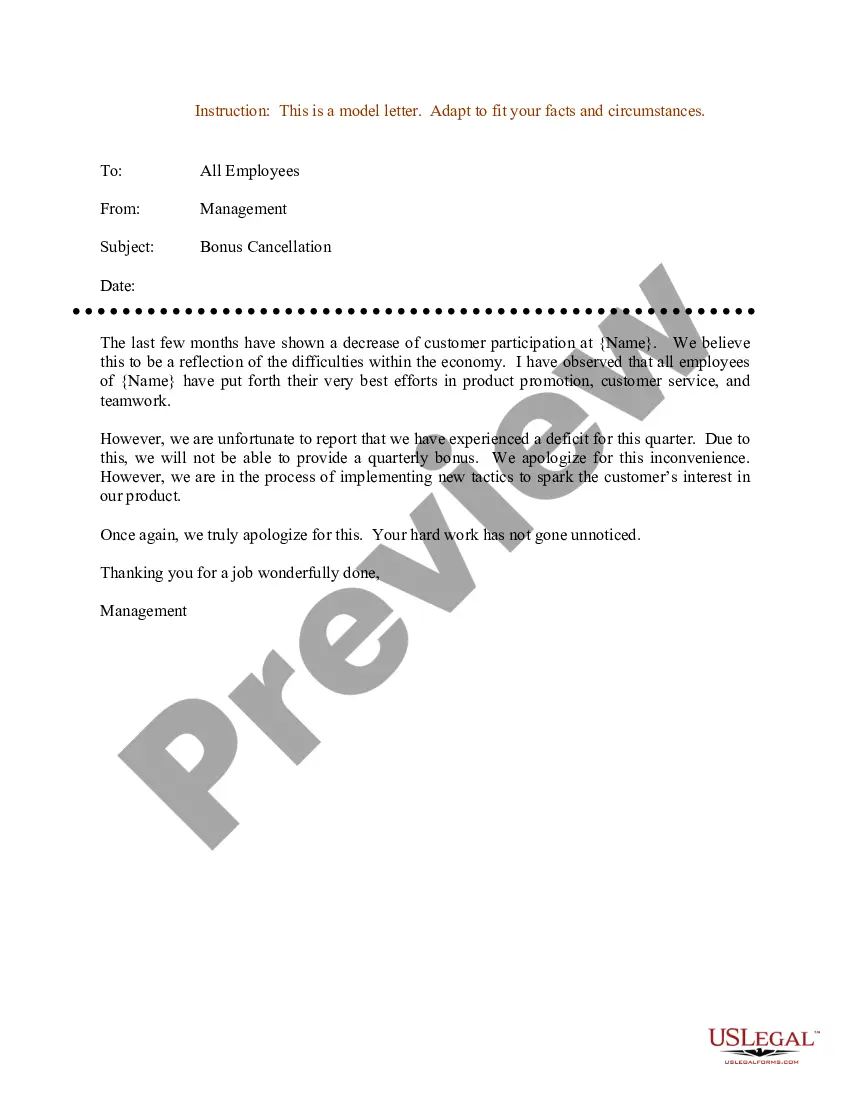
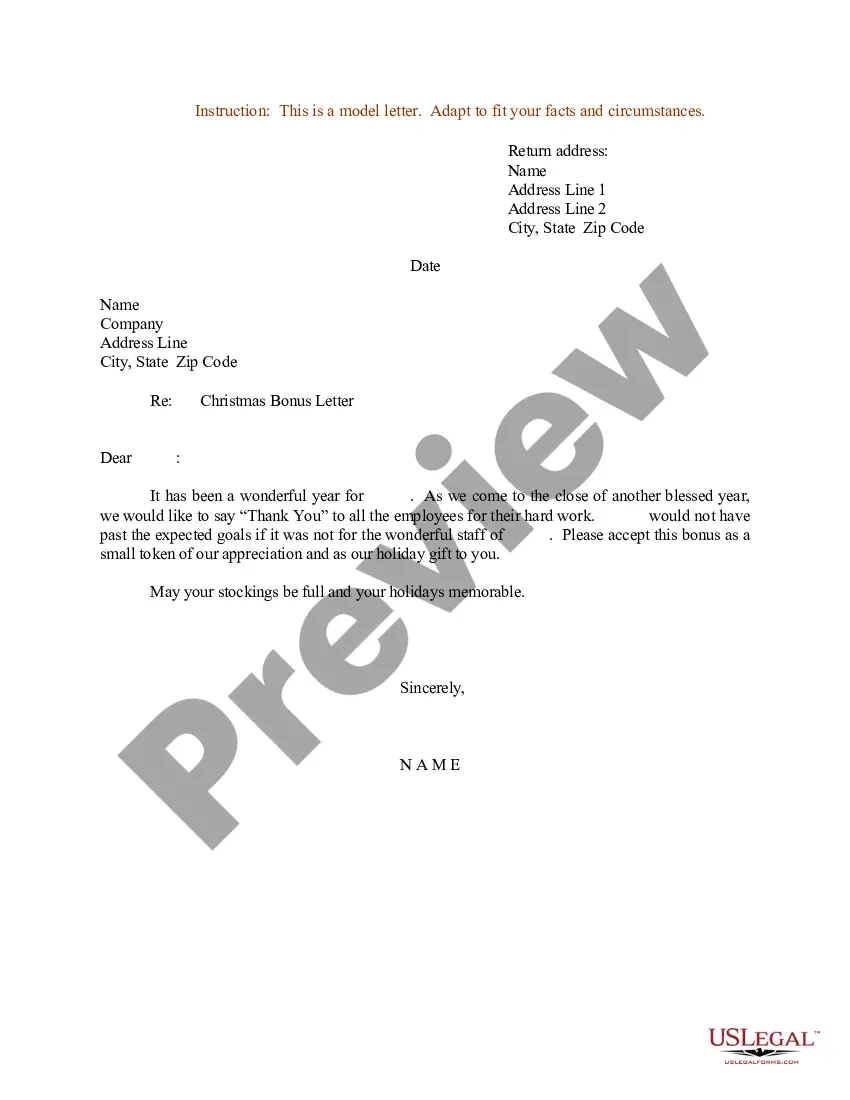
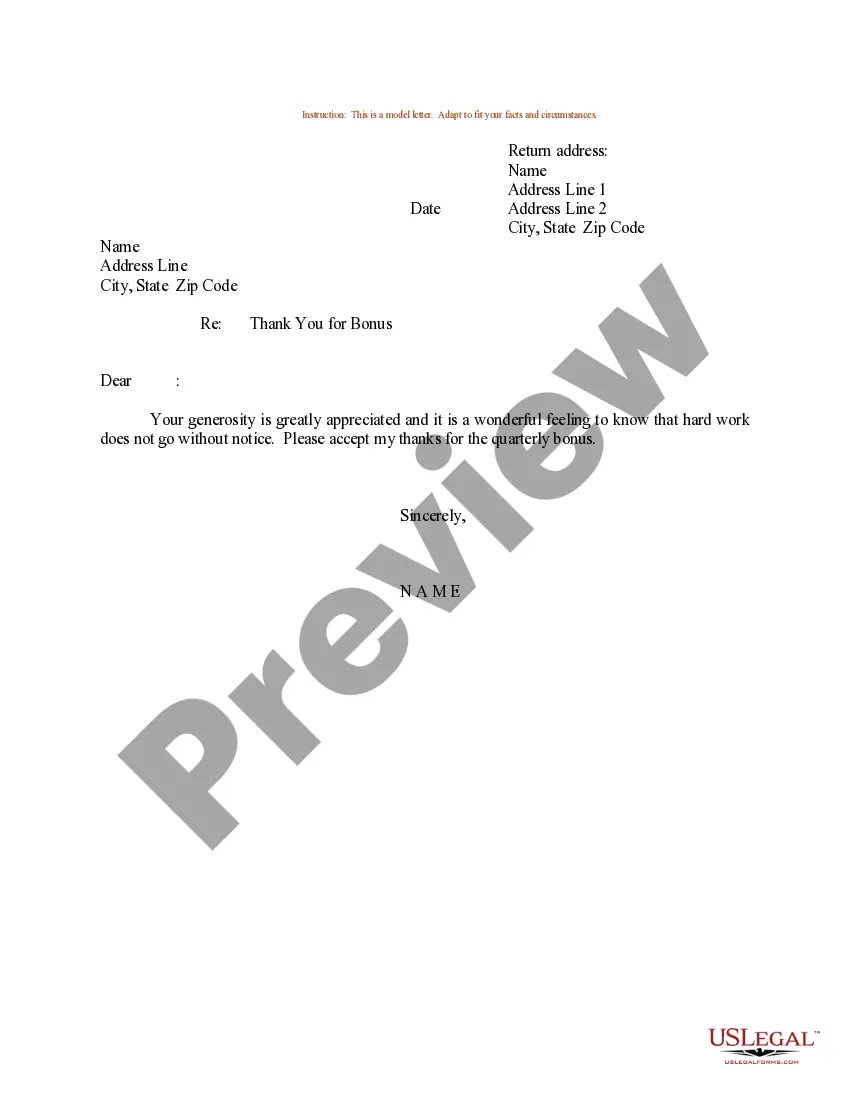
Get your form ready online
Our built-in tools help you complete, sign, share, and store your documents in one place.
Make edits, fill in missing information, and update formatting in US Legal Forms—just like you would in MS Word.
Download a copy, print it, send it by email, or mail it via USPS—whatever works best for your next step.
Sign and collect signatures with our SignNow integration. Send to multiple recipients, set reminders, and more. Go Premium to unlock E-Sign.
If this form requires notarization, complete it online through a secure video call—no need to meet a notary in person or wait for an appointment.
We protect your documents and personal data by following strict security and privacy standards.

Make edits, fill in missing information, and update formatting in US Legal Forms—just like you would in MS Word.

Download a copy, print it, send it by email, or mail it via USPS—whatever works best for your next step.

Sign and collect signatures with our SignNow integration. Send to multiple recipients, set reminders, and more. Go Premium to unlock E-Sign.

If this form requires notarization, complete it online through a secure video call—no need to meet a notary in person or wait for an appointment.

We protect your documents and personal data by following strict security and privacy standards.
Looking for another form?
Form popularity
FAQ
By definition, it is unplanned and given outside of the normal compensation plan or performance-based incentive plans. Some examples include Christmas-time bonuses that aren't dependent on an employee's performance, or random gifts to your team members to show appreciation.
One of the most common types of bonus is an annual bonus, which employers give out once a year. Annual bonuses are usually based on your overall performance, although companies who use profit-sharing rewards may distribute bonuses based on company success and profits.
An annual bonus of 5-10% of your yearly salary is standard in a lot of industries, just as a 5-10% annual raise is considered standard. However, if you work on commission, you may see a significantly higher percentage. Your industry, company revenue, location, and level also heavily inform what's expected.
Base your bonus structure on quantifiable results (excluding discretionary bonuses). Create specific, identifiable bonuses matched to measurable performance standards. Incentivize employees. Creative incentives that connect the bonuses to employees' individual financial goals.
How to write a bonus request letter Draft the structure of your letter. State why you're requesting the bonus. Provide evidence for why you're requesting the bonus. Invite the supervisor to discuss the bonus with you further. Proofread your letter before you deliver it.
Bonus Amount: State the exact amount of the bonus being awarded. For instance, “You will receive a performance bonus of $5,000.” Rationale for Award: Provide a brief explanation of why the bonus is being awarded. This could include a summary of the employee's achievements and their impact on the organization.
To devise an effective scheme you need to understand the employee's activities and what is involved. You then need to agree with them how their performance is going to be measured. Consider also what timescale you want to have for you staff to earn the bonus. It can be a monthly, quarterly, or annual bonus.

