Sale Goods With Forex In Massachusetts
Description


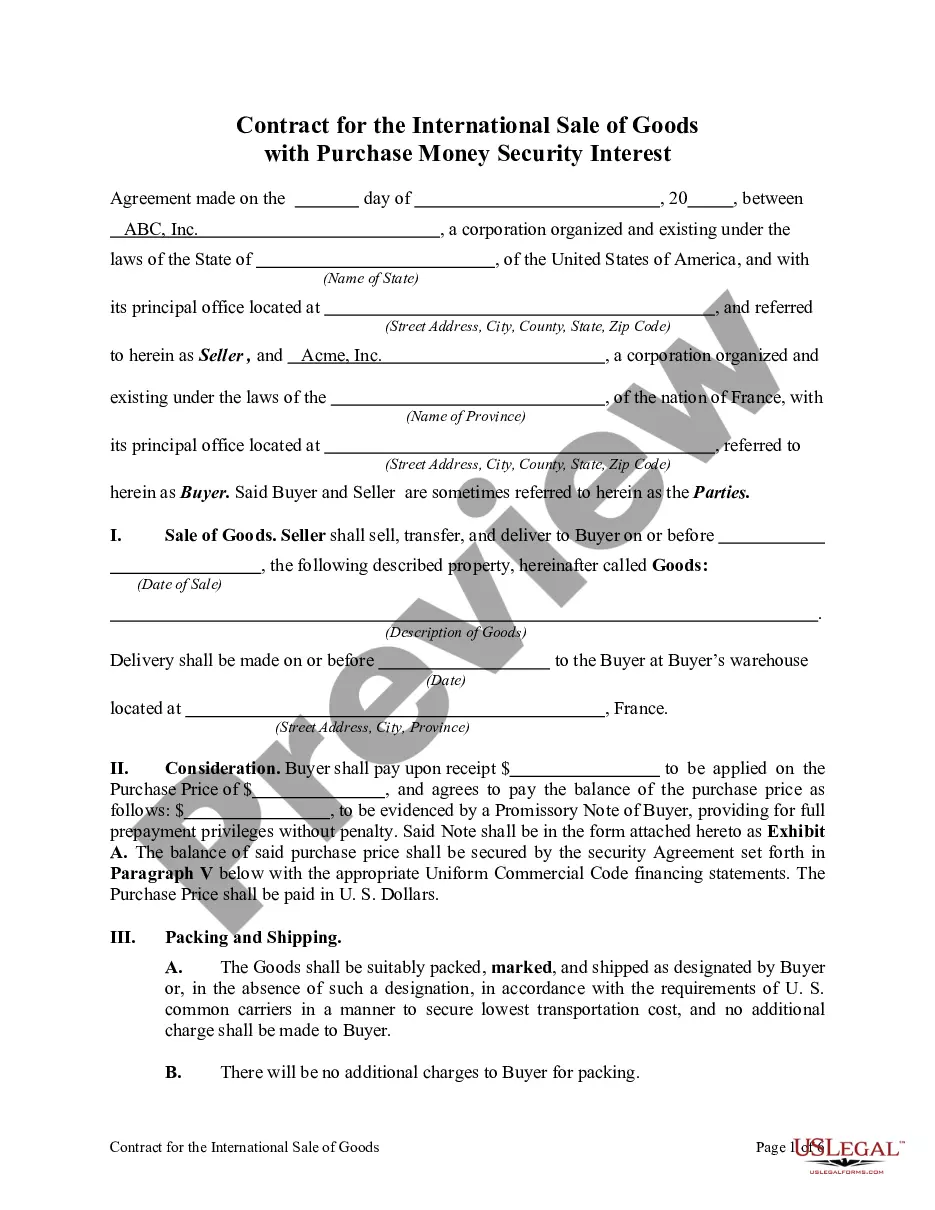
Get your form ready online
Our built-in tools help you complete, sign, share, and store your documents in one place.
Make edits, fill in missing information, and update formatting in US Legal Forms—just like you would in MS Word.
Download a copy, print it, send it by email, or mail it via USPS—whatever works best for your next step.
Sign and collect signatures with our SignNow integration. Send to multiple recipients, set reminders, and more. Go Premium to unlock E-Sign.
If this form requires notarization, complete it online through a secure video call—no need to meet a notary in person or wait for an appointment.
We protect your documents and personal data by following strict security and privacy standards.

Make edits, fill in missing information, and update formatting in US Legal Forms—just like you would in MS Word.

Download a copy, print it, send it by email, or mail it via USPS—whatever works best for your next step.

Sign and collect signatures with our SignNow integration. Send to multiple recipients, set reminders, and more. Go Premium to unlock E-Sign.

If this form requires notarization, complete it online through a secure video call—no need to meet a notary in person or wait for an appointment.

We protect your documents and personal data by following strict security and privacy standards.
Looking for another form?
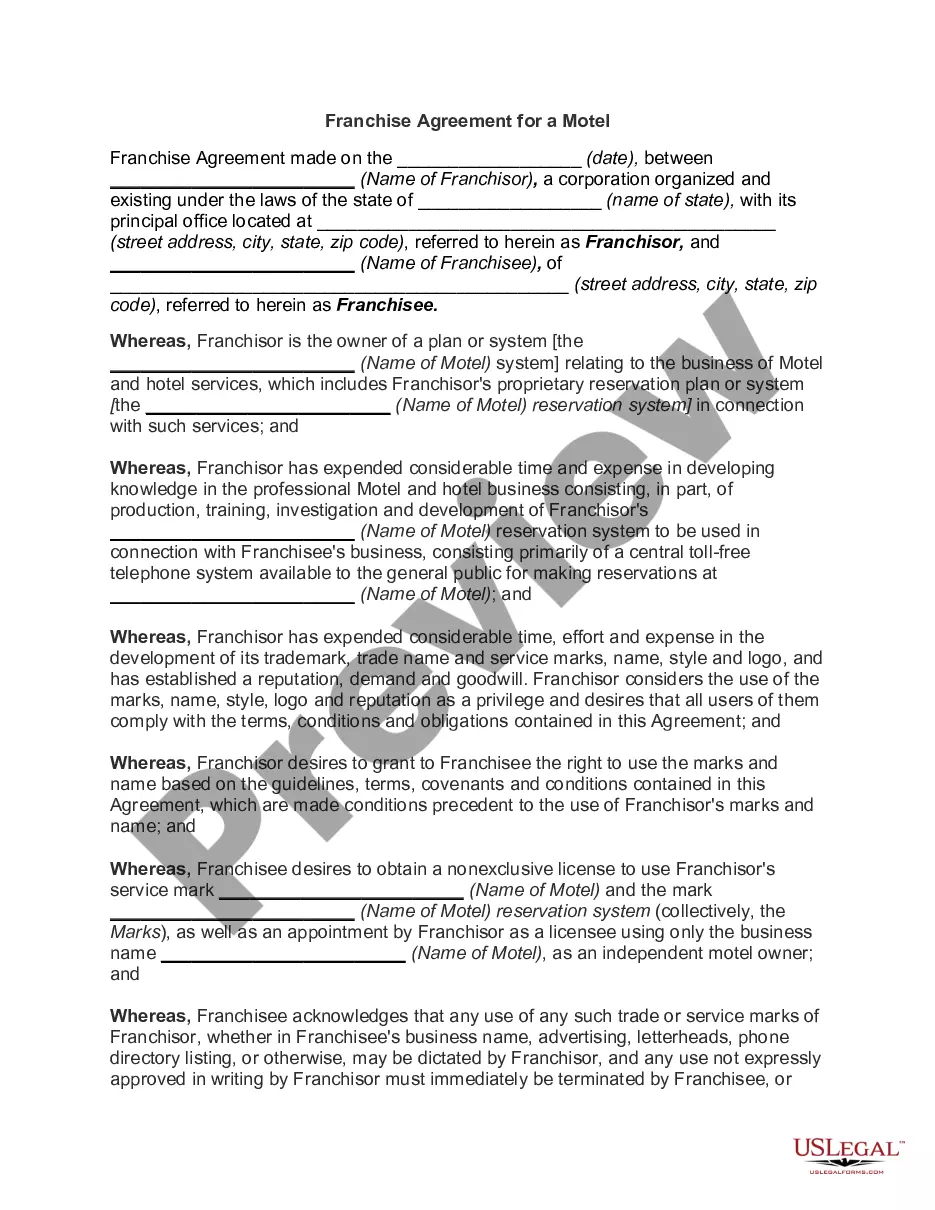
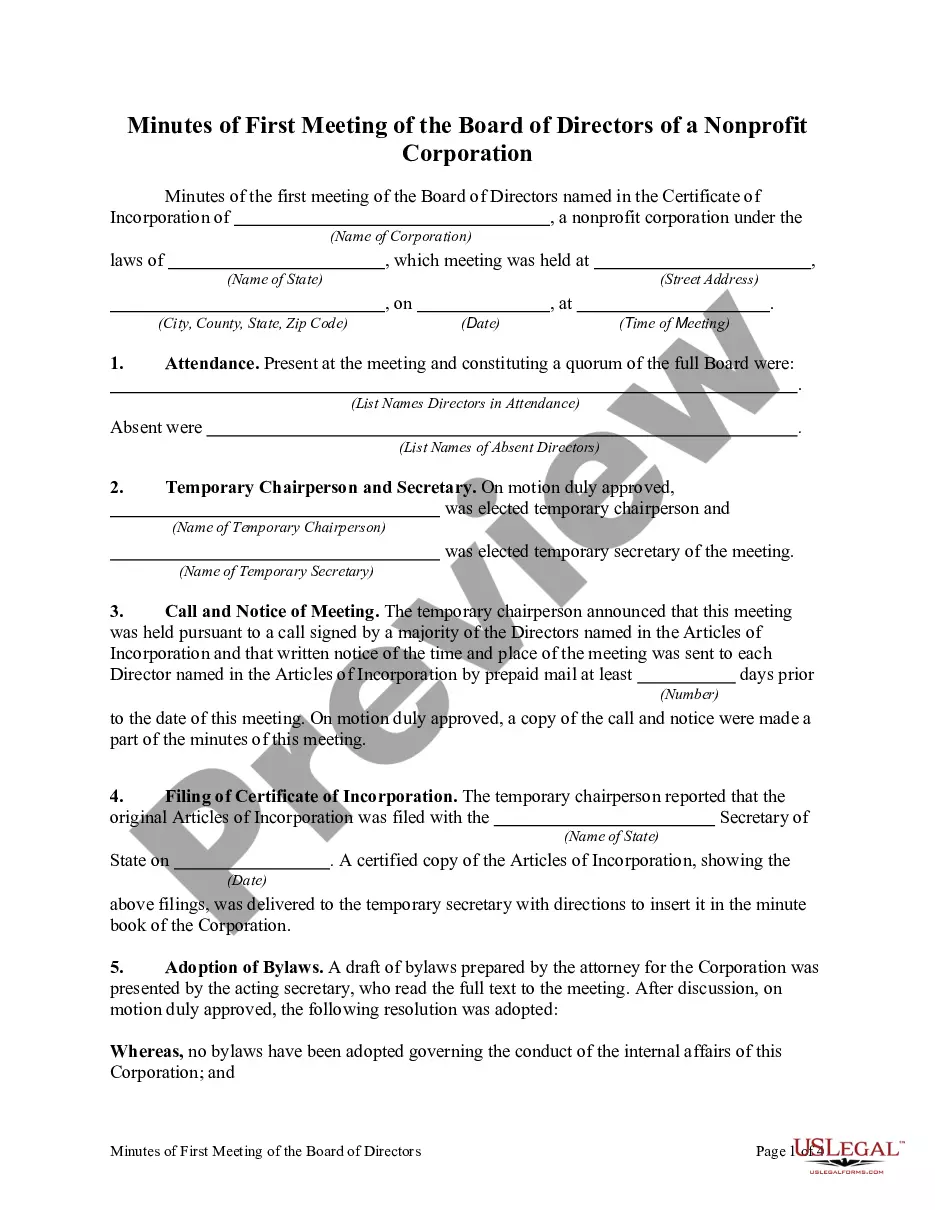
Form popularity
FAQ
More specifically, the new law increased the Massachusetts estate tax exemption from $1 million to $2 million and did so retroactively to January 1, 2023.
Massachusetts recognizes economic nexus for any vendor with $100,000 or more in sales into the state in the prior or current calendar year.
Underpayment penalty exceptions and waivers Your income tax due after credits and withholding is $400 or less. You are a qualified farmer or fisherman and paying your full amount due on/before March 1. You were a resident of Massachusetts for 12 months of the prior tax year and not liable for taxes.
A sales tax nexus is created when a business has a sufficient connection to or presence in a state or jurisdiction, such as a physical presence or economic activity, which triggers a sales tax collection obligation.
Who has to file Massachusetts state income tax? Anyone who earned $8,000 or more in gross income in Massachusetts during the tax year is required to file a state tax return. That applies to residents, part-year residents, and nonresidents with Massachusetts-sourced income.
The following categories of sales or types of transactions are generally exempted from the sales/use tax: Food & clothing. Periodicals. Admission tickets. Utilities and heating fuel. Telephone services to residential users. Shipping and Transportation services. Personal or professional services. Casual and isolated sales.
Capital Gains Massachusetts taxes most long-term gains at 5% and taxes long-term gains from the sale or exchange of collectibles at 12% (subject to a 50% deduction). For tax years ending on or before December 31, 2022, short-term gains were taxed at and short-term gains at 12%.
How to fill out the Massachusetts Sales Tax Resale Certificate Form ST-4? Enter the name and address of the purchaser. Specify the type of tangible personal property or services. Provide your Massachusetts Vendor Registration number. Sign and date the certificate.
Massachusetts has a flat income tax rate of 5%, but charges a 4% surtax on income over $1 million. The state's income tax rate is only one of a handful of states that levy a flat rate. Massachusetts also has a flat statewide sales tax rate of 6.25%.
