Motion To Modify Temporary Orders Without Oral Hearing In Wake
Description

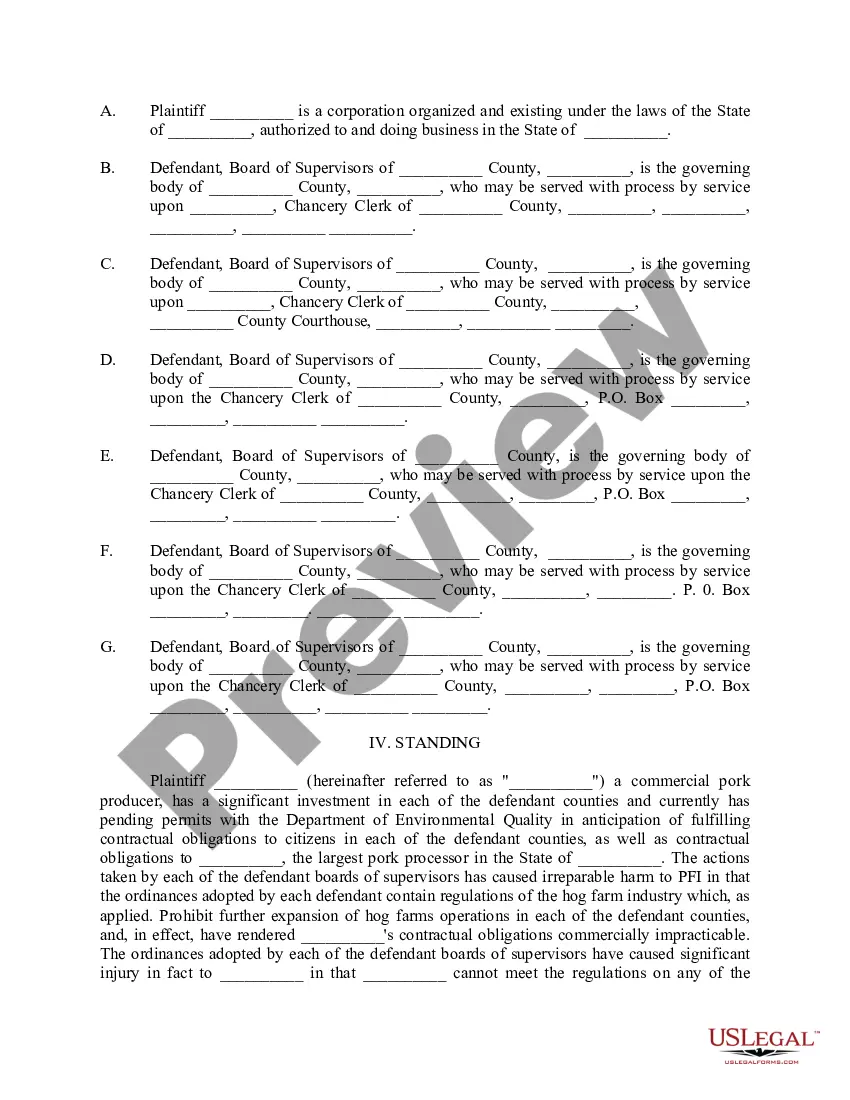
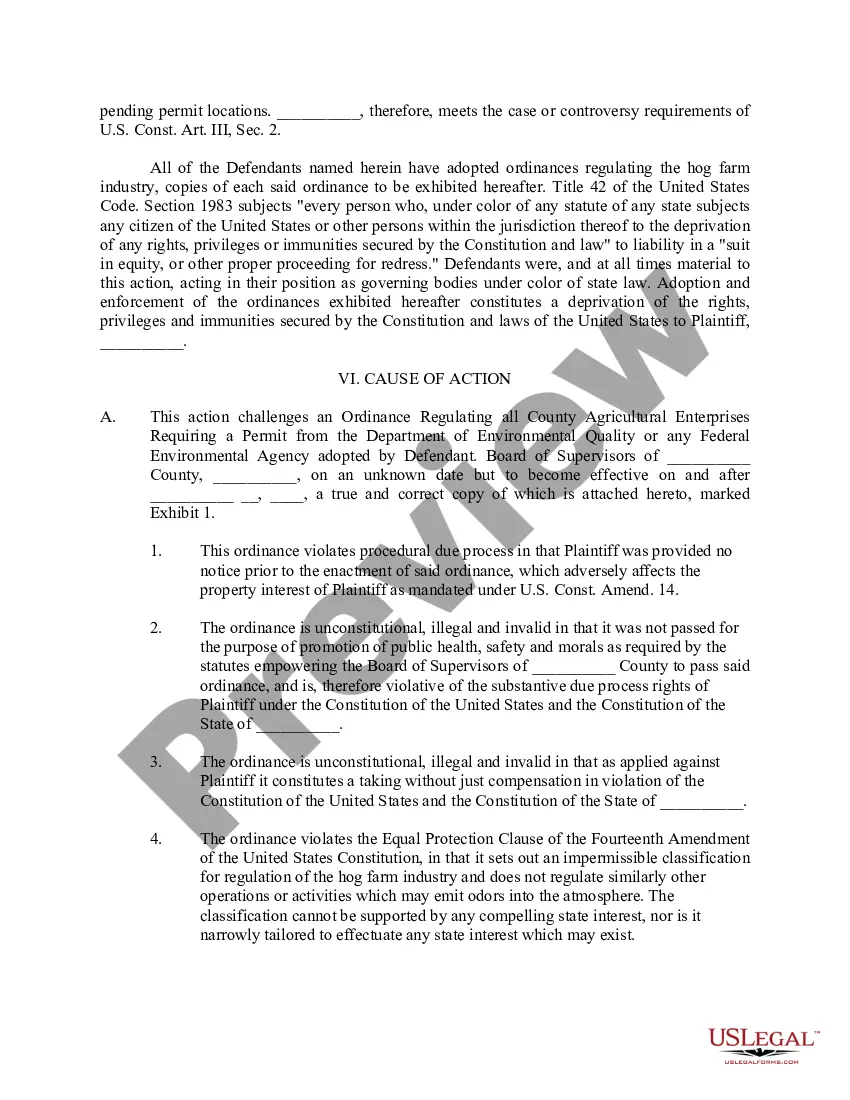
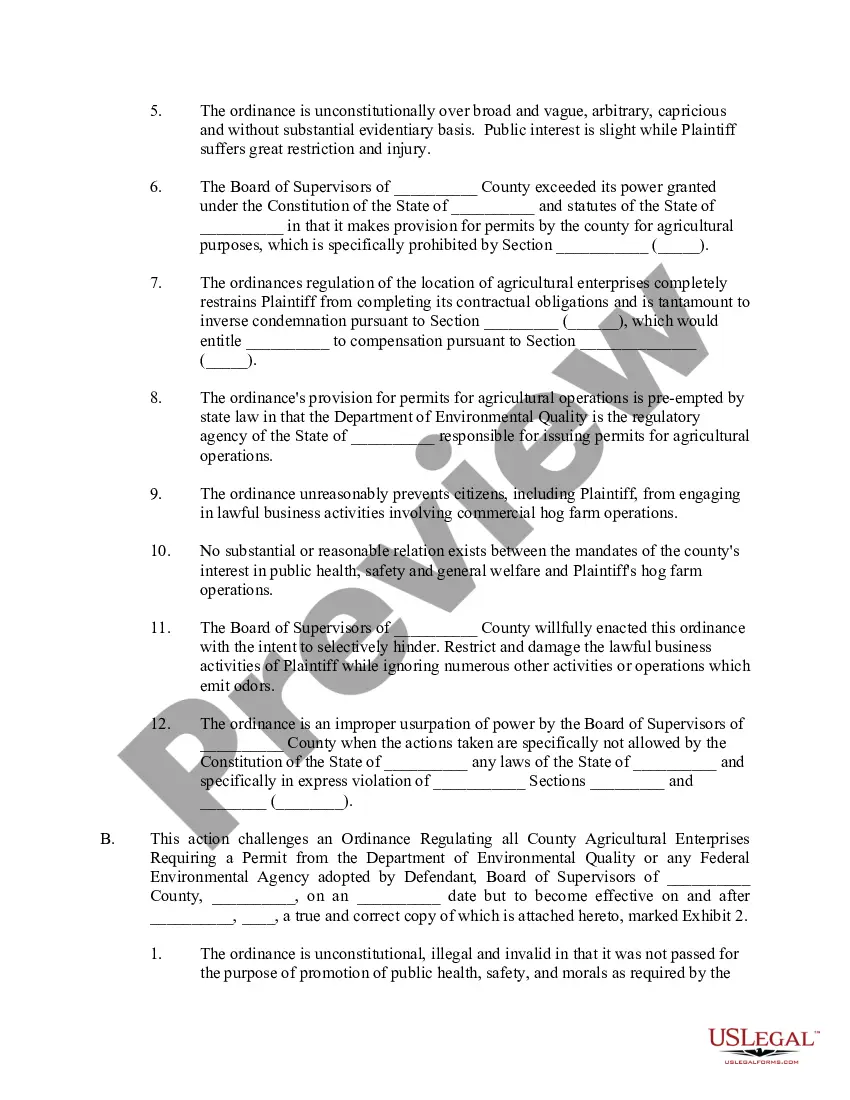
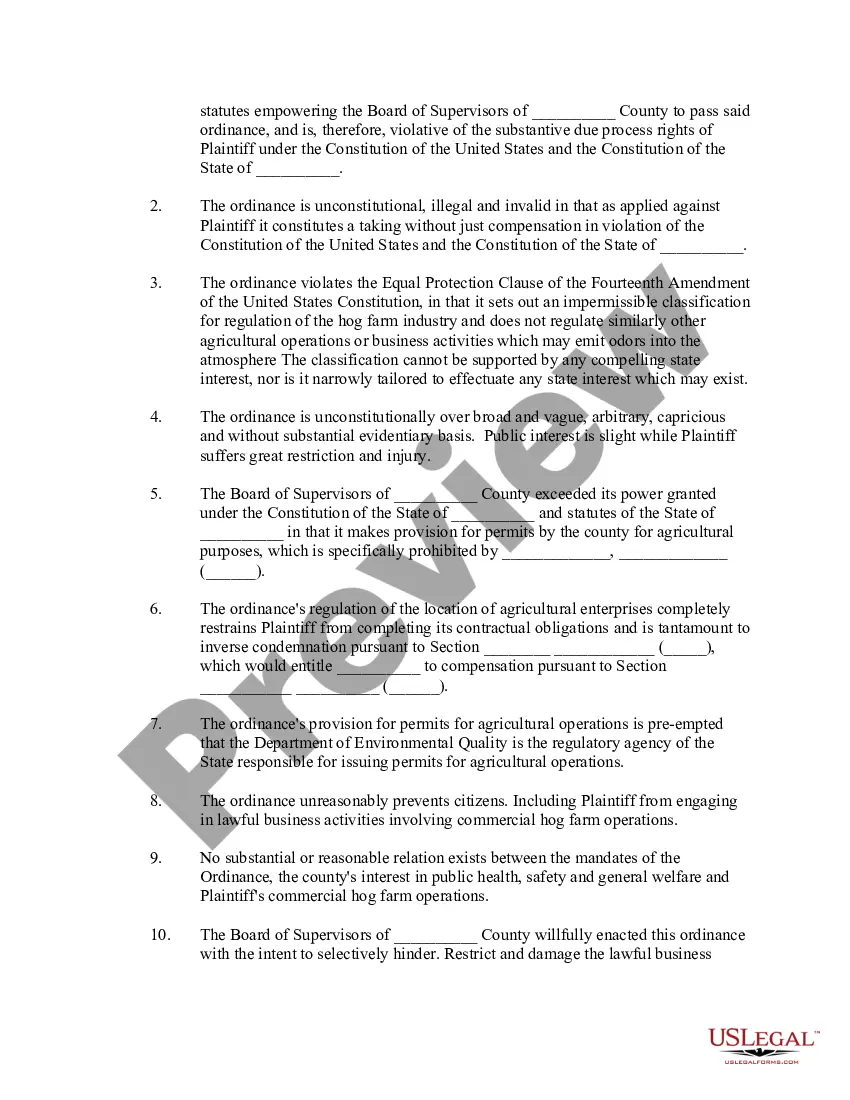






Get your form ready online
Our built-in tools help you complete, sign, share, and store your documents in one place.
Make edits, fill in missing information, and update formatting in US Legal Forms—just like you would in MS Word.
Download a copy, print it, send it by email, or mail it via USPS—whatever works best for your next step.
Sign and collect signatures with our SignNow integration. Send to multiple recipients, set reminders, and more. Go Premium to unlock E-Sign.
If this form requires notarization, complete it online through a secure video call—no need to meet a notary in person or wait for an appointment.
We protect your documents and personal data by following strict security and privacy standards.

Make edits, fill in missing information, and update formatting in US Legal Forms—just like you would in MS Word.

Download a copy, print it, send it by email, or mail it via USPS—whatever works best for your next step.

Sign and collect signatures with our SignNow integration. Send to multiple recipients, set reminders, and more. Go Premium to unlock E-Sign.

If this form requires notarization, complete it online through a secure video call—no need to meet a notary in person or wait for an appointment.

We protect your documents and personal data by following strict security and privacy standards.
Looking for another form?







Form popularity
FAQ
Keep a record of all call logs and visits with your child. This will allow you to demonstrate your connection and closeness—or, on the other hand, establish that your visitation rights are not observed. Keep track of all changes in your child's behavior, their emotional state and academic performance.
A Change in Circumstance (CIC) occurs whenever a report is received that prompts a change in a data element that requires a redetermination of eligibility; this allows the MC RD due date to be reset for a new 12-month period.
Decide whether you agree with the Motion filed by the other party. If you agree with the Motion, work with the other party to complete and file a Stipulation. If you decide that you oppose the Motion (or some part of it) complete and file a Statement Opposing the Motion and its supporting documents.
To modify the order, you must show the judge there is an issue that cannot wait to be resolved at trial. These matters include such issues as child endangerment or a parent violating the terms of the order. To modify temporary custody orders, you will need to include your reasoning for filing a motion to modify.
To request a modification of a court order, you will likely need to show that there has been a substantial change in circumstances that has happened since the order was issued. You will need to go back to the court where your order was issued and file modification forms.
To modify your parenting plan, you must prove a material change in circumstances. This could be due to living situations, employment, health, or safety concerns. It's important to work with an experienced child custody lawyer who can help you navigate the legal system and present a strong case.
Work with your lawyer to persuade the court how the change will benefit the child: Prepare to demonstrate to the judge how your proposed modification to child support benefits your child. Usually, a change on its own won't suffice to justify a modification in child support.
Consider the following 10 ways to prove your case. Prepare a parenting plan. Keep track of your parenting time. Maintain a journal to show you meet parenting duties. Keep a log of child-related expenses. Get reliable child care. Ask others to testify on your behalf. Show that you're willing to work with the other parent.
Modification via Mediation Alternative dispute resolution (ADR) is a popular avenue for parents trying to arrange or modify custody agreements in California. Through ADR, you could achieve an official, legal custody modification without going to court. ADR is not a custody trial.
Temporary orders can become permanent custody arrangements after the couple's divorce is finalized. In some cases, this may not truly be in the children's best interest.
