Restraining Order Form Printable Forced Marriage In Virginia
Description

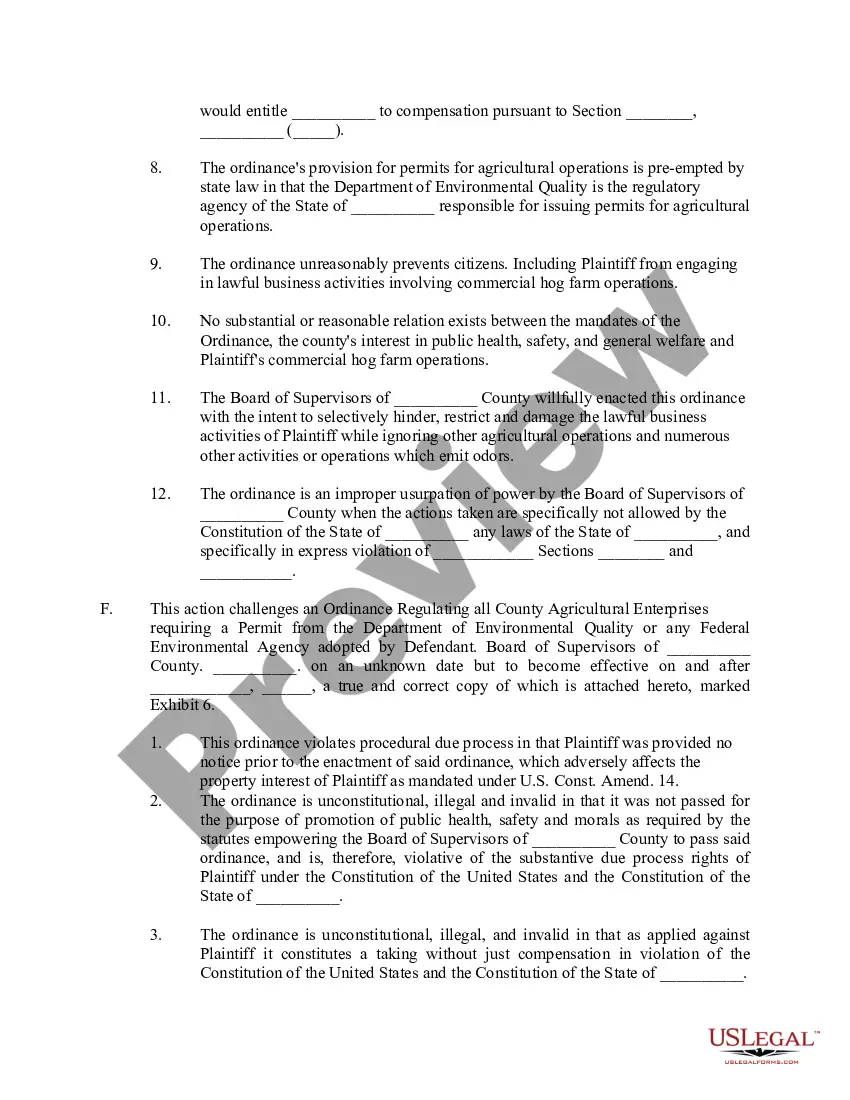






Get your form ready online
Our built-in tools help you complete, sign, share, and store your documents in one place.
Make edits, fill in missing information, and update formatting in US Legal Forms—just like you would in MS Word.
Download a copy, print it, send it by email, or mail it via USPS—whatever works best for your next step.
Sign and collect signatures with our SignNow integration. Send to multiple recipients, set reminders, and more. Go Premium to unlock E-Sign.
If this form requires notarization, complete it online through a secure video call—no need to meet a notary in person or wait for an appointment.
We protect your documents and personal data by following strict security and privacy standards.

Make edits, fill in missing information, and update formatting in US Legal Forms—just like you would in MS Word.

Download a copy, print it, send it by email, or mail it via USPS—whatever works best for your next step.

Sign and collect signatures with our SignNow integration. Send to multiple recipients, set reminders, and more. Go Premium to unlock E-Sign.

If this form requires notarization, complete it online through a secure video call—no need to meet a notary in person or wait for an appointment.

We protect your documents and personal data by following strict security and privacy standards.
Looking for another form?
Form popularity
FAQ
For emergency protective orders, the court will also need proof that you or your children are in immediate danger. You or the law enforcement officer may need to give testimony under oath about this probable danger.
The order of protection has nothing to do with whether you can get married.
Key Differences A Harassment Order addresses unwanted behavior that may not necessarily involve physical harm but still causes significant distress to the victim. In contrast, a Restraining Order is typically sought in cases involving a history of violence, physical threat, or other forms of serious harm.
What is the Burden of Proof for a Protective Order? In protective order cases, the petitioner holds the burden of proof. Unlike in criminal cases where the petitioner must prove beyond a reasonable doubt, protection order case proofs are based on “preponderance of the evidence.”
3 Types Of Orders Of Protection And What You Need To Know Emergency Protective Orders. Temporary Restraining Order. Permanent Restraining Order.
In order to be eligible for a protective order, you must have been, within a reasonable period of time, subjected to an act involving violence, force, or threat that results in bodily injury or places you in reason- able fear of death, sexual assault, or bodily injury. (See Code of Virginia §19.2-152.10).
You can seek assistance from legal aid organizations or attorneys. Who can help you navigate theMoreYou can seek assistance from legal aid organizations or attorneys. Who can help you navigate the process of looking up restraining orders remember to approach this process with sensitivity.
