Restraining Order Form Printable For California In Virginia
Description
















Get your form ready online
Our built-in tools help you complete, sign, share, and store your documents in one place.
Make edits, fill in missing information, and update formatting in US Legal Forms—just like you would in MS Word.
Download a copy, print it, send it by email, or mail it via USPS—whatever works best for your next step.
Sign and collect signatures with our SignNow integration. Send to multiple recipients, set reminders, and more. Go Premium to unlock E-Sign.
If this form requires notarization, complete it online through a secure video call—no need to meet a notary in person or wait for an appointment.
We protect your documents and personal data by following strict security and privacy standards.

Make edits, fill in missing information, and update formatting in US Legal Forms—just like you would in MS Word.

Download a copy, print it, send it by email, or mail it via USPS—whatever works best for your next step.

Sign and collect signatures with our SignNow integration. Send to multiple recipients, set reminders, and more. Go Premium to unlock E-Sign.

If this form requires notarization, complete it online through a secure video call—no need to meet a notary in person or wait for an appointment.

We protect your documents and personal data by following strict security and privacy standards.
Looking for another form?




Form popularity
FAQ
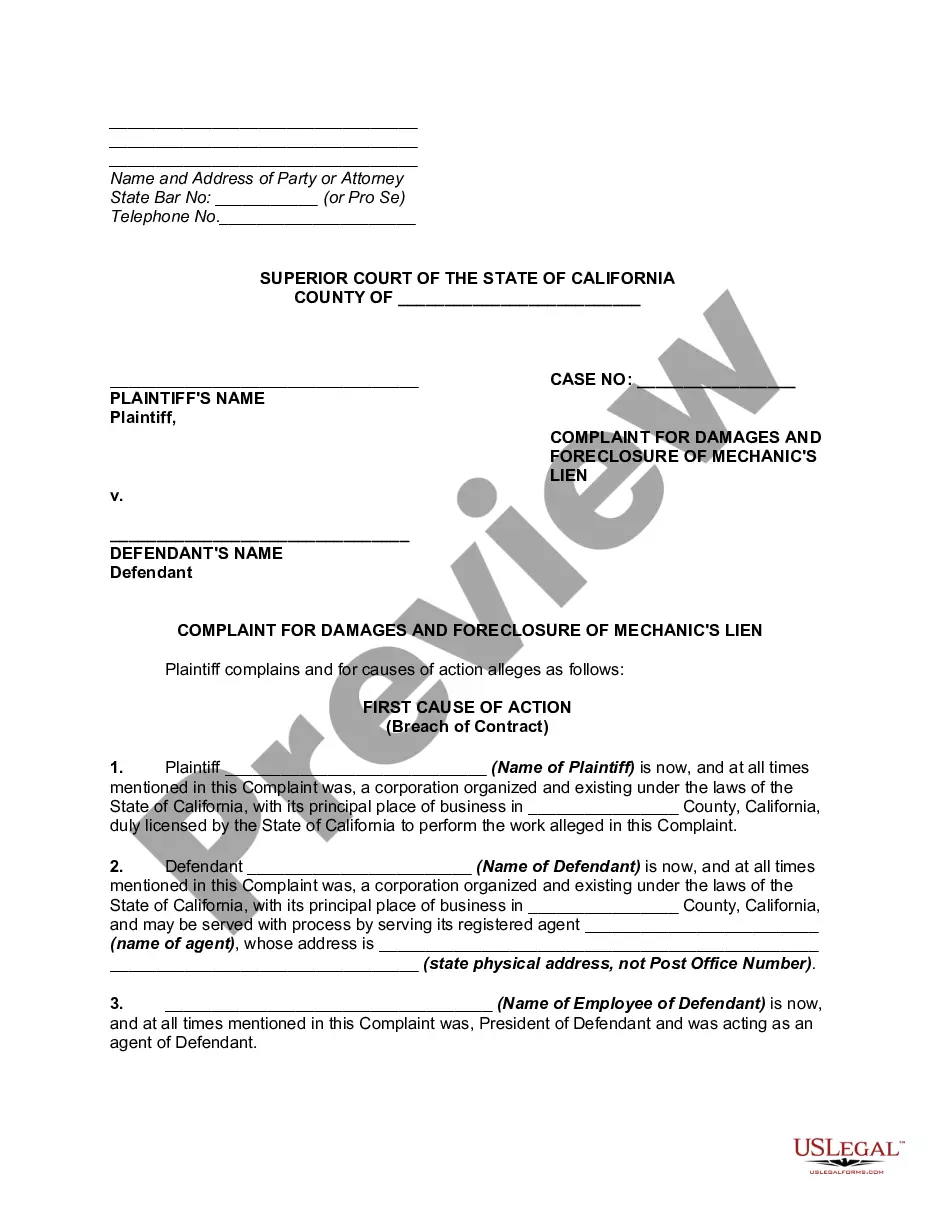
Fill out all required forms Request for Civil Harassment Restraining Orders (form CH-100) Confidential CLETS Information (form CLETS-001) Notice of Court Hearing (form CH-109) Temporary Restraining Order (form CH-110) Civil Case Cover Sheet (form CM-010)
Why Would a Judge Deny a Restraining Order in California? A judge may deny a petition for a restraining order if they determine that there is insufficient evidence to grant it.
The burden of proof is on the protected party to prove to the court by a preponderance of the evidence that there is a reasonable apprehension of future abuse.
For emergency protective orders, the court will also need proof that you or your children are in immediate danger. You or the law enforcement officer may need to give testimony under oath about this probable danger.
The burden of proof may require a party to raise a reasonable doubt concerning the existence or nonexistence of a fact or that he establish the existence or nonexistence of a fact by a preponderance of the evidence, by clear and convincing proof, or by proof beyond a reasonable doubt.
The specific elements you need to prove to get a restraining order vary from state to state, but in general, you need to show: A specific instance or instances of abuse or harassment (such as sexual assault by an intimate partner) The threat of violence or of further abusive behavior or harassment.
A significant change in circumstances, such as improved behavior, completion of anger management or counseling programs, or evidence that the risk of violence has diminished, may provide grounds for seeking the dismissal of a restraining order.
What Kind Of Proof Is Required To Obtain A Restraining Order? The standard of proof in criminal matters (“proof beyond a reasonable doubt”) does not apply in the case of domestic violence restraining orders, where the “preponderance of the evidence” standard of proof applies.
Temporary Restraining Order. (CLETS-TRO) (Domestic Violence Prevention) DV-110.
