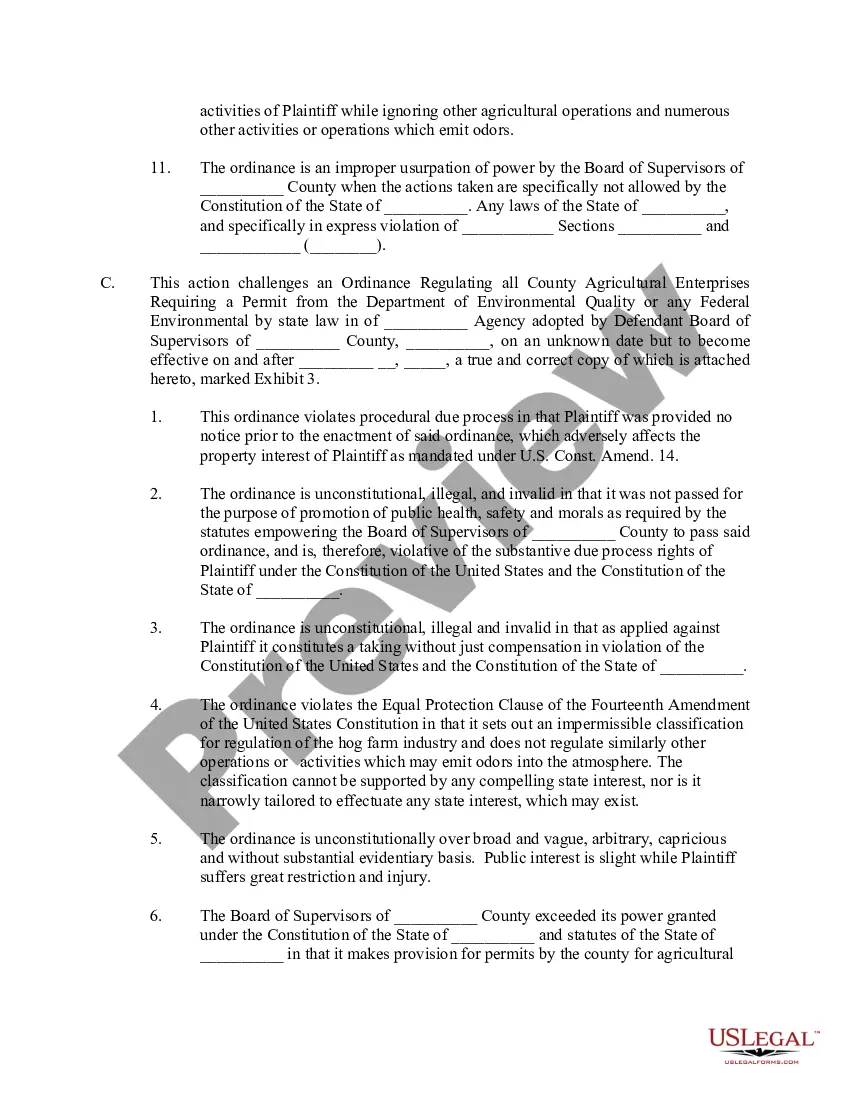
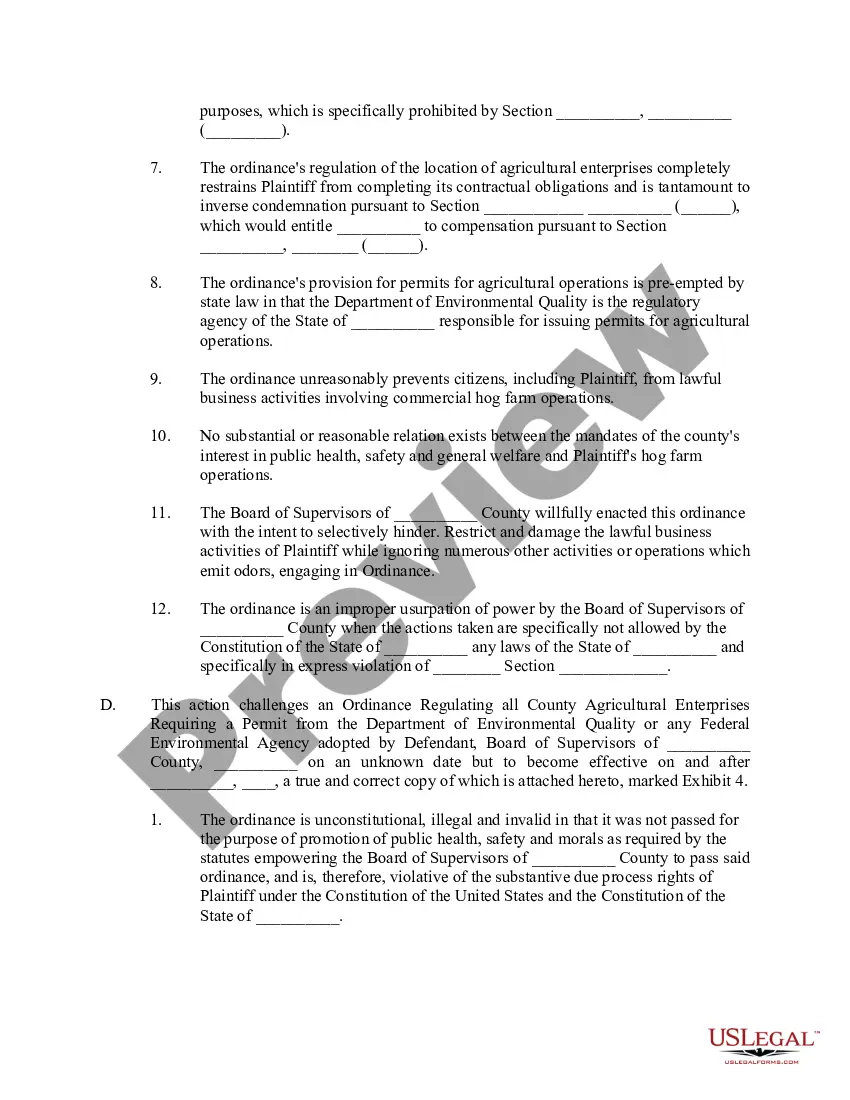
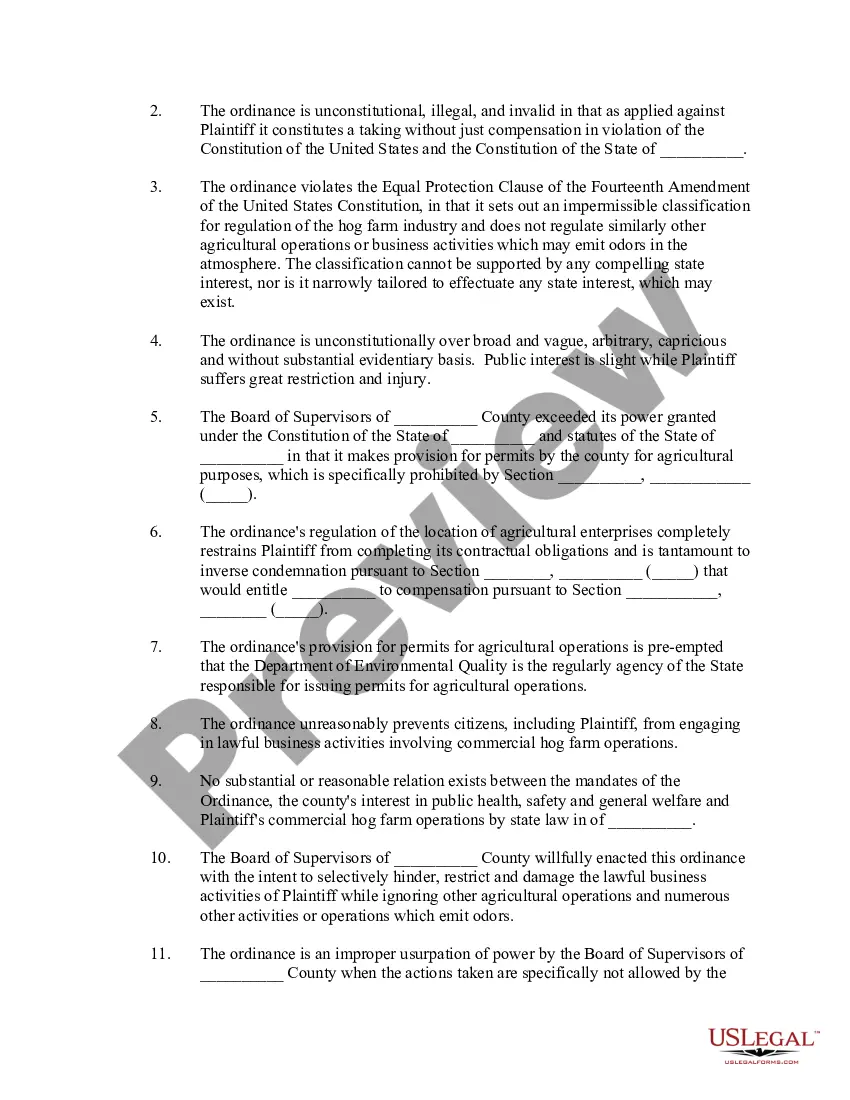
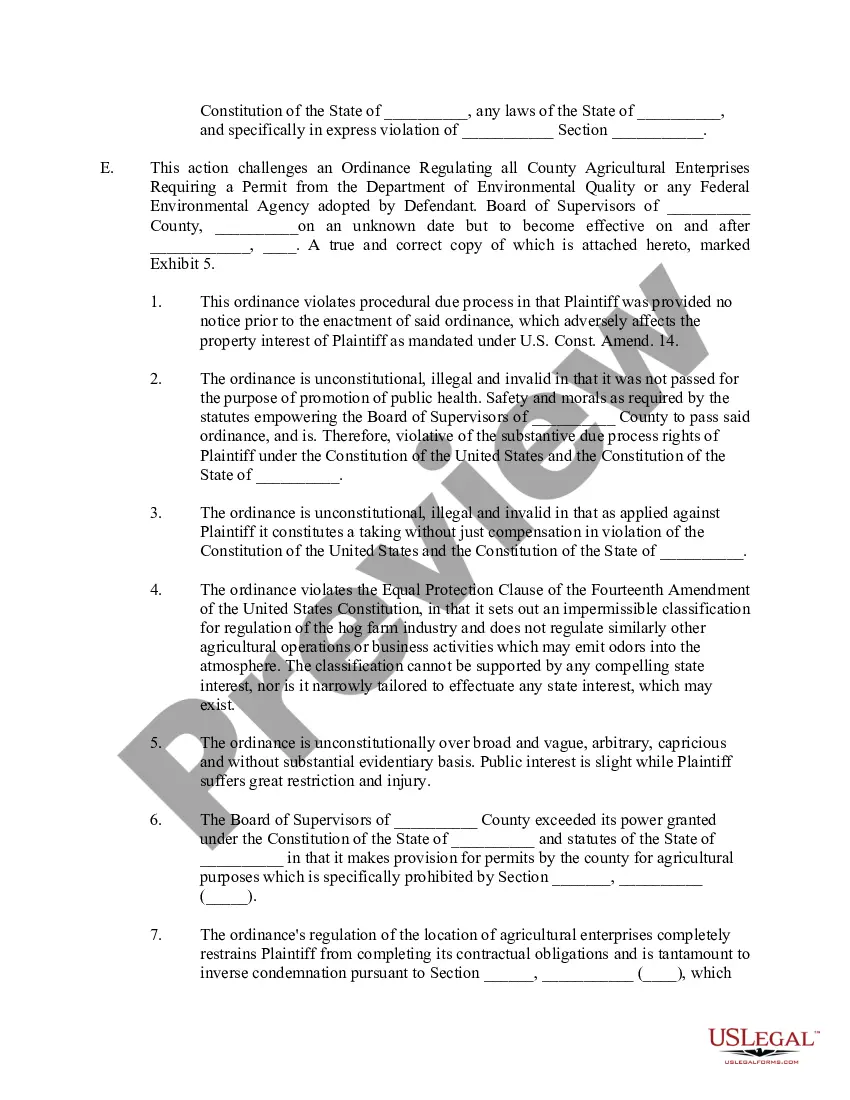
Preliminary Injunction For In Ohio
Description

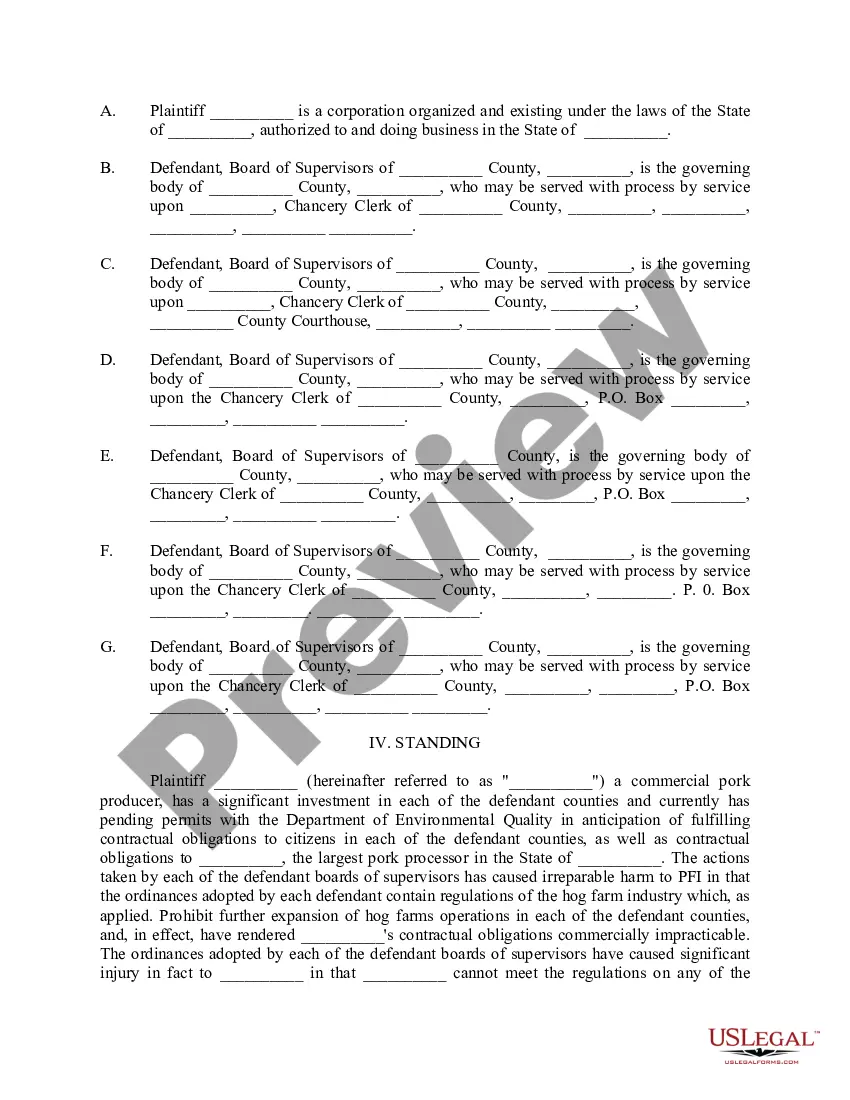
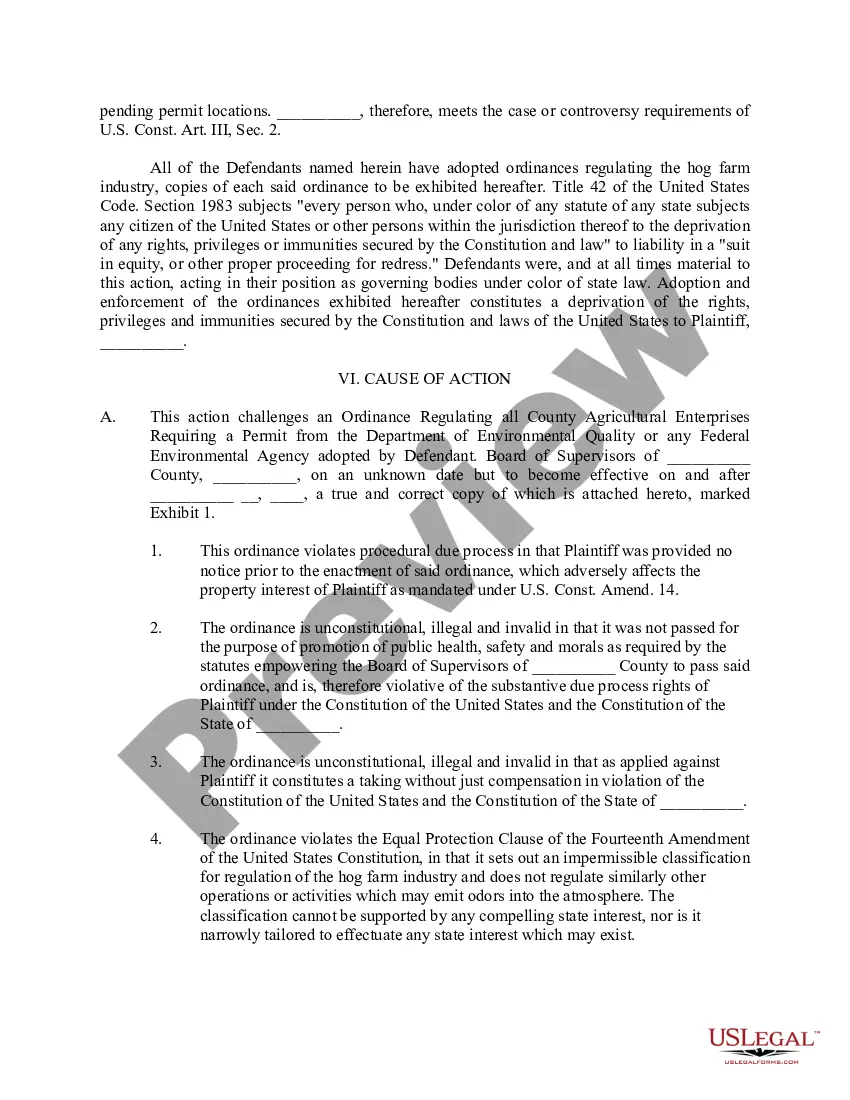
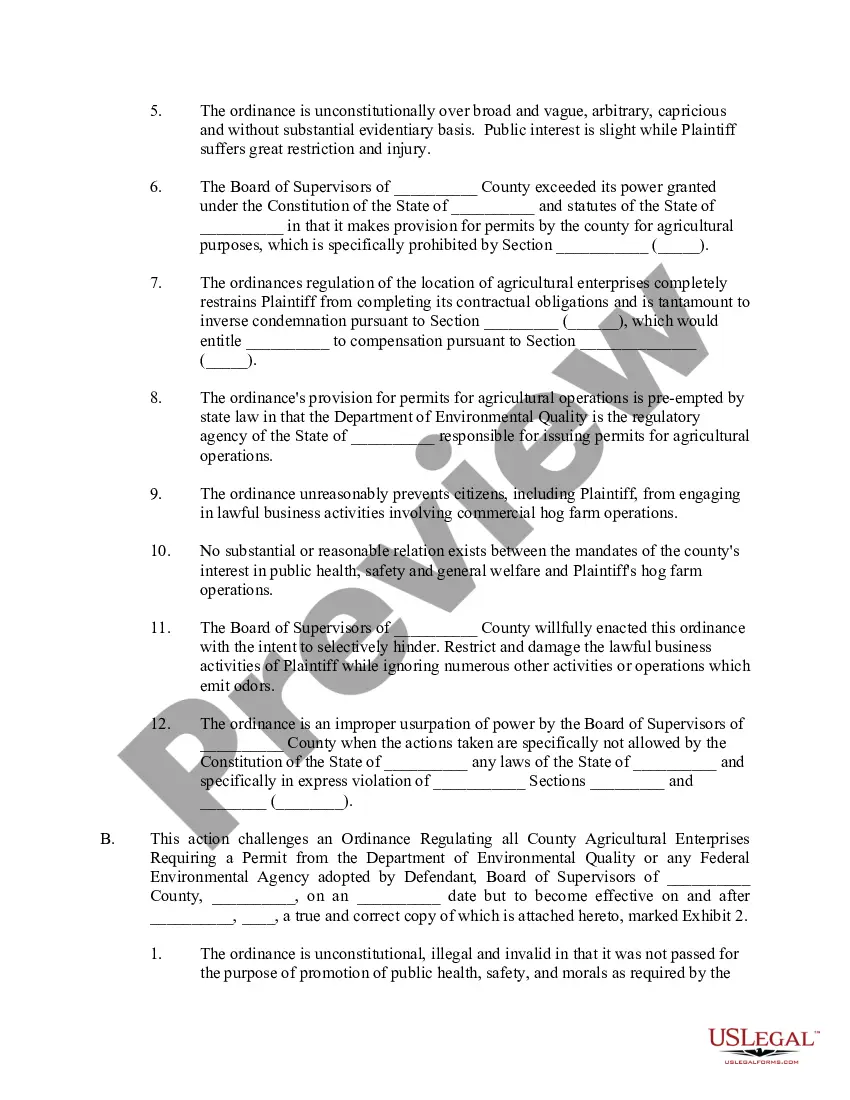
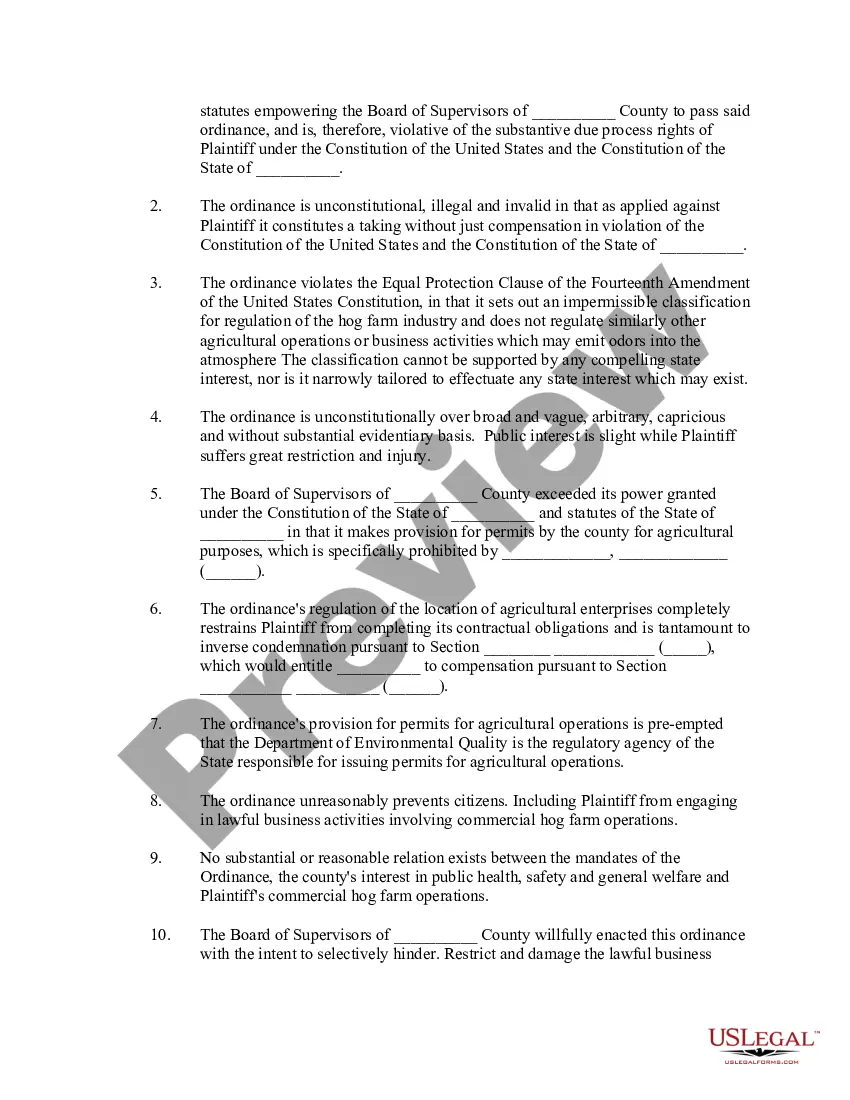






Get your form ready online
Our built-in tools help you complete, sign, share, and store your documents in one place.
Make edits, fill in missing information, and update formatting in US Legal Forms—just like you would in MS Word.
Download a copy, print it, send it by email, or mail it via USPS—whatever works best for your next step.
Sign and collect signatures with our SignNow integration. Send to multiple recipients, set reminders, and more. Go Premium to unlock E-Sign.
If this form requires notarization, complete it online through a secure video call—no need to meet a notary in person or wait for an appointment.
We protect your documents and personal data by following strict security and privacy standards.

Make edits, fill in missing information, and update formatting in US Legal Forms—just like you would in MS Word.

Download a copy, print it, send it by email, or mail it via USPS—whatever works best for your next step.

Sign and collect signatures with our SignNow integration. Send to multiple recipients, set reminders, and more. Go Premium to unlock E-Sign.

If this form requires notarization, complete it online through a secure video call—no need to meet a notary in person or wait for an appointment.

We protect your documents and personal data by following strict security and privacy standards.
Looking for another form?









Form popularity
FAQ
Winning the Case: To secure a preliminary injunction, the plaintiff must demonstrate a strong chance of winning the case, significant harm without the injunction, greater fairness compared to the other party, and public benefit.
To warrant preliminary injunctive relief, the moving party must show (1) a substantial likelihood of success on the merits, (2) that it would suffer irrepa- rable injury if the injunction were not granted, (3) that an injunction would not substantially injure other interested parties, and (4) that the public interest ...
The evidence presented in a preliminary injunction case must be specific and concrete, rather than speculative in nature. Additionally, the evidence must support each element of the preliminary injunction standard, including the likelihood of success, irreparable harm, the balance of harm, and the public interest.
Taking a medical malpractice lawsuit as an example, if a patient believes that their doctor has provided negligent medical care that has caused them harm, the patient may seek a preliminary injunction to prevent the doctor from continuing to provide care.
Legal Standards: To obtain a preliminary injunction, the requesting party must demonstrate: The likelihood of success on the merits of the case. That irreparable harm is likely to occur if the injunction is not granted. The balance of harms weighs in favor of the injunction being issued.
In determining whether to grant a preliminary injunction, Ohio's courts consider four factors: “(1) The likelihood or probability of a plaintiff's success on the merits, (2) whether the issuance of the injunction will prevent irreparable harm to the plaintiff, (3) what injury to others will be caused by the granting of ...
(11) A plaintiff seeking a preliminary injunction bears the burden of presenting facts which show a reasonable probability that he will succeed on the merits.
Natural Resources Defense Council, Inc., 555 U.S. 7 (2008), is applicable to all other litigants seeking preliminary injunctions, and requires that a party seeking a preliminary injunction must establish: (1) it is likely to succeed on the merits, (2) it is likely to suffer irreparable harm in the absence of ...
A Latin term meaning "at first sight" or "at first look." This refers to the standard of proof under which the party with the burden of proof need only present enough evidence to create a rebuttable presumption that the matter asserted is true. A prima facie standard of proof is relatively low.
