Motion For Temporary Orders Sample For Modify In Ohio
Description
















Get your form ready online
Our built-in tools help you complete, sign, share, and store your documents in one place.
Make edits, fill in missing information, and update formatting in US Legal Forms—just like you would in MS Word.
Download a copy, print it, send it by email, or mail it via USPS—whatever works best for your next step.
Sign and collect signatures with our SignNow integration. Send to multiple recipients, set reminders, and more. Go Premium to unlock E-Sign.
If this form requires notarization, complete it online through a secure video call—no need to meet a notary in person or wait for an appointment.
We protect your documents and personal data by following strict security and privacy standards.

Make edits, fill in missing information, and update formatting in US Legal Forms—just like you would in MS Word.

Download a copy, print it, send it by email, or mail it via USPS—whatever works best for your next step.

Sign and collect signatures with our SignNow integration. Send to multiple recipients, set reminders, and more. Go Premium to unlock E-Sign.

If this form requires notarization, complete it online through a secure video call—no need to meet a notary in person or wait for an appointment.

We protect your documents and personal data by following strict security and privacy standards.
Looking for another form?








Form popularity
FAQ
Things You Should Know Write your legal argument by stating the rule and explaining how your facts apply to it. Then, add your signature, a Certificate of Service, and a Notice of Hearing. File your motion with the clerk of court overseeing your case. Then, give copies to each defendant.
To request a modification of a court order, you will likely need to show that there has been a substantial change in circumstances that has happened since the order was issued. You will need to go back to the court where your order was issued and file modification forms.
If you want to file a motion, the process is generally something like this: You write your motion. You file your motion with the court clerk. The court clerk inserts the date and time your motion will be heard by the judge. You “serve” (mail) your motion to the other side.
To modify the order, you must show the judge there is an issue that cannot wait to be resolved at trial. These matters include such issues as child endangerment or a parent violating the terms of the order. To modify temporary custody orders, you will need to include your reasoning for filing a motion to modify.
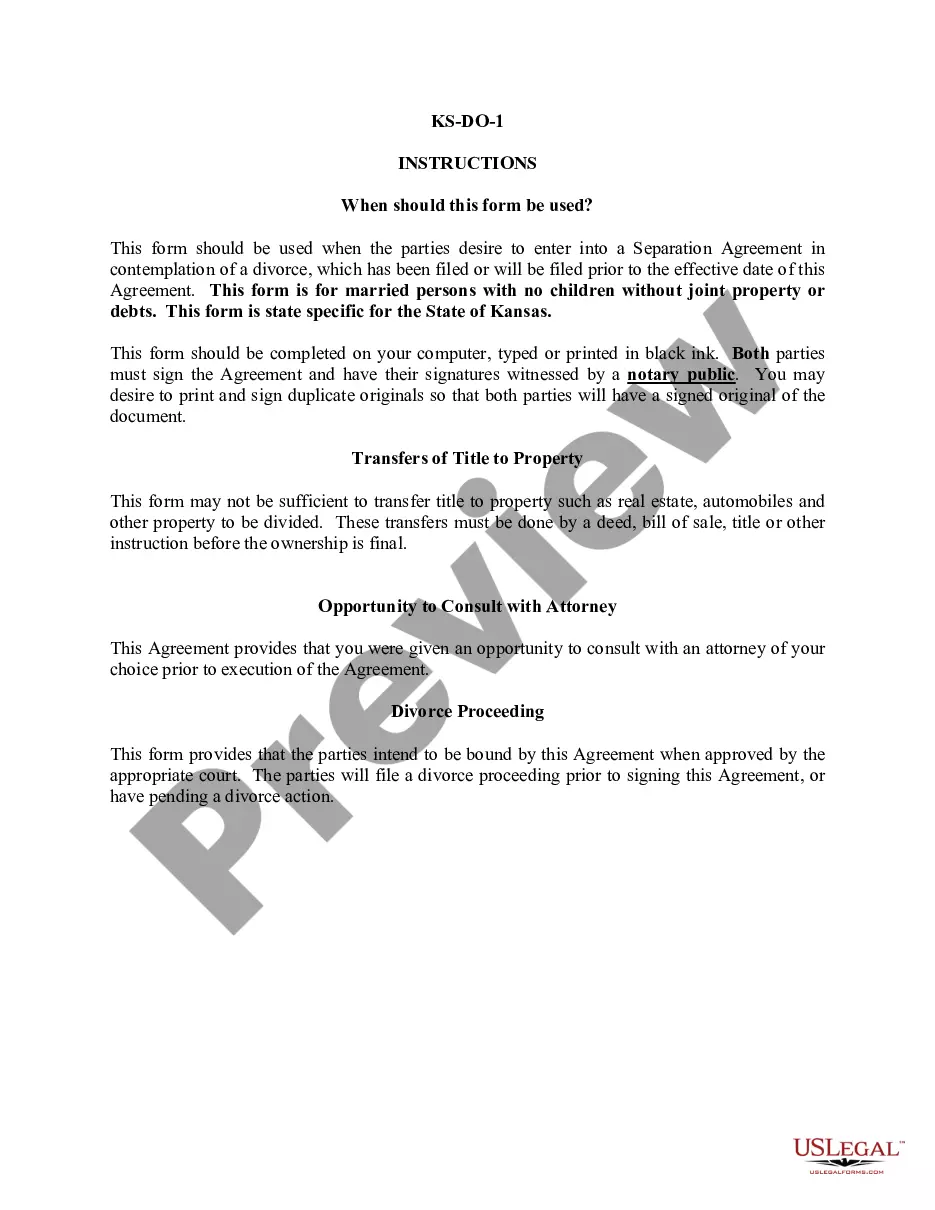
This is an additional Motion and Affidavit that must be filed if a party to a Complaint or Counterclaim for Divorce or Legal Separation wishes the Court to issue temporary orders regarding allocation of parental rights and responsibilities, child and spousal support and allocation of debt.
A change in circumstances is when something important in a family's life changes, like when a parent loses their job or gets sick.
