Difference Between Temporary Injunction And Stay Order In Montgomery
Description

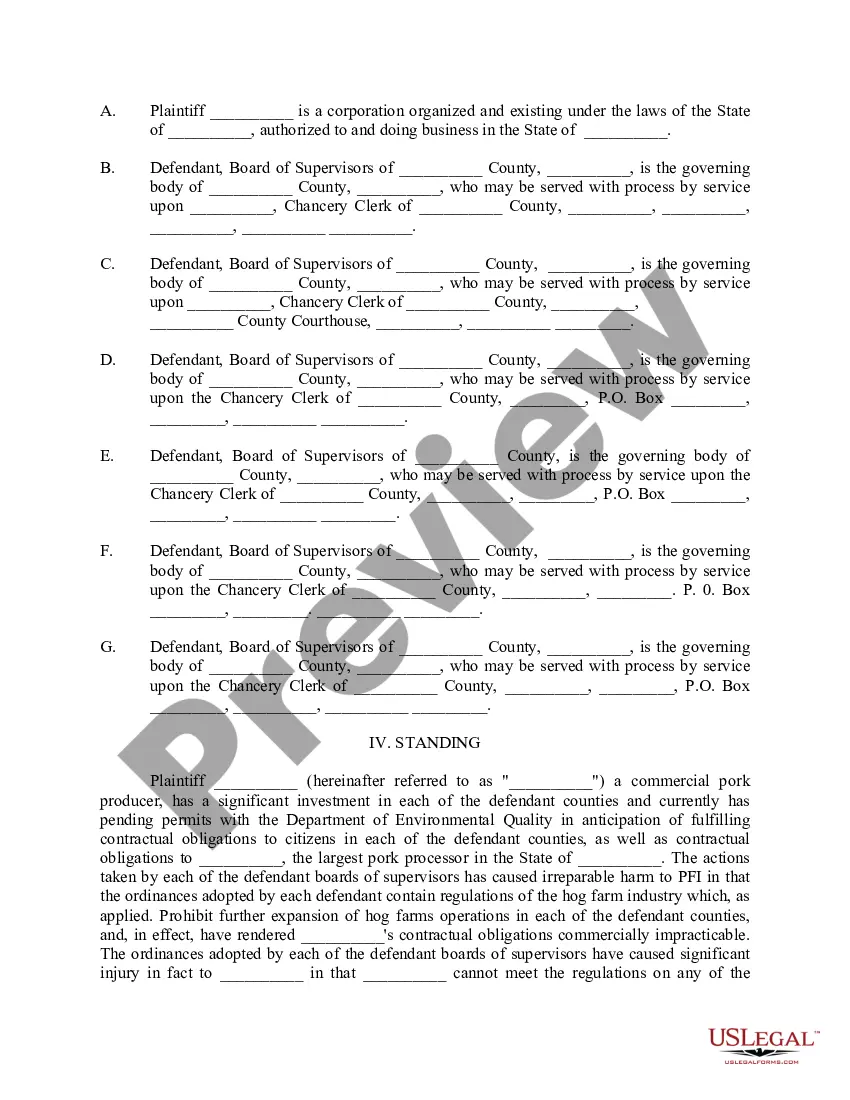
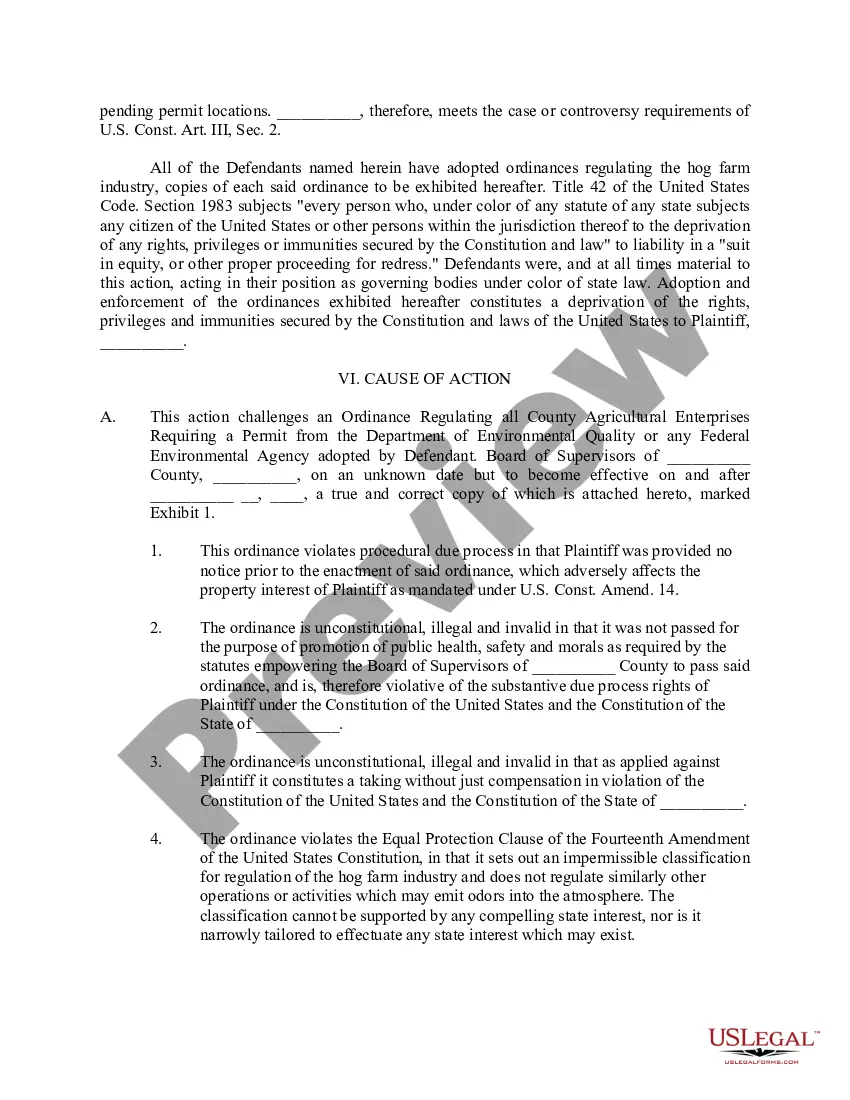
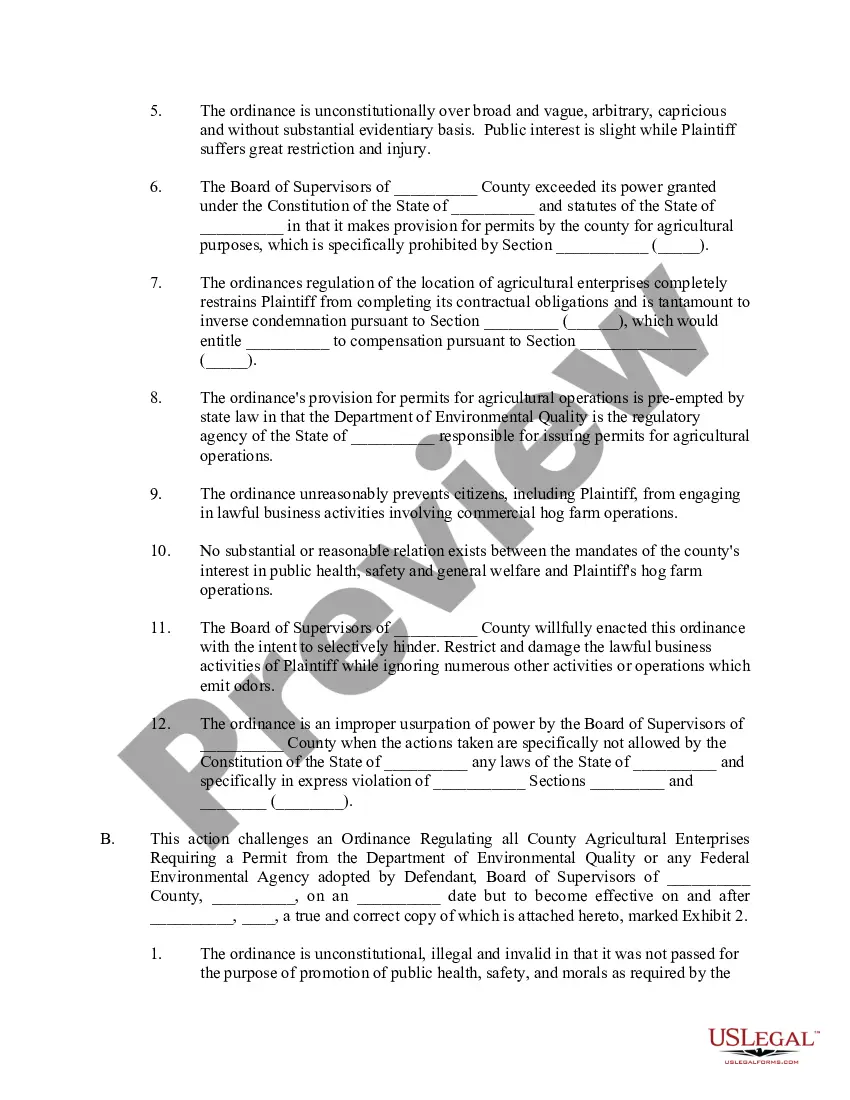
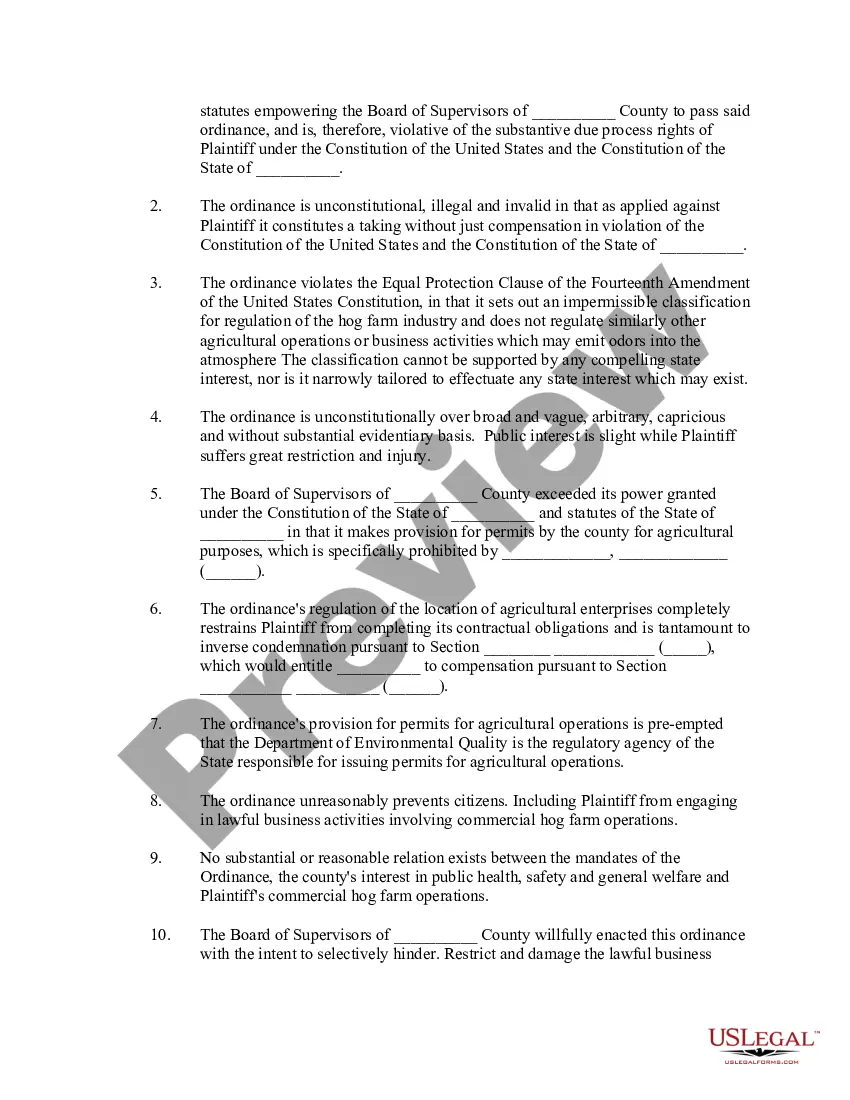






Get your form ready online
Our built-in tools help you complete, sign, share, and store your documents in one place.
Make edits, fill in missing information, and update formatting in US Legal Forms—just like you would in MS Word.
Download a copy, print it, send it by email, or mail it via USPS—whatever works best for your next step.
Sign and collect signatures with our SignNow integration. Send to multiple recipients, set reminders, and more. Go Premium to unlock E-Sign.
If this form requires notarization, complete it online through a secure video call—no need to meet a notary in person or wait for an appointment.
We protect your documents and personal data by following strict security and privacy standards.

Make edits, fill in missing information, and update formatting in US Legal Forms—just like you would in MS Word.

Download a copy, print it, send it by email, or mail it via USPS—whatever works best for your next step.

Sign and collect signatures with our SignNow integration. Send to multiple recipients, set reminders, and more. Go Premium to unlock E-Sign.

If this form requires notarization, complete it online through a secure video call—no need to meet a notary in person or wait for an appointment.

We protect your documents and personal data by following strict security and privacy standards.
Looking for another form?



Form popularity
FAQ
Order 39 Rule -1 of C.P.C provides that where in any suit it is proved by affidavit or otherwise a) That any property in dispute in a suit is in danger or being wasted, damaged or alienated by any party to the suit, or wrongfully sold in execution of a decree, or Page 21 21 b) That the defendant threatens or intends to ...
A temporary restraining order serves to provide emergency relief and to preserve the status quo until a hearing may be had on a temporary injunction. The purpose of a temporary injunction is to preserve the status quo pending a full trial on the merits.
An injunction or temporary restraining order is an order from the court prohibiting a party from performing or ordering a specified act, either temporarily or permanently.
It is an order from a court to do or not do something. It can also be used to stop someone from taking certain actions, such as trespassing on private property or using someone else's trade secrets. An injunction can be temporary or permanent and is usually issued when there is an urgent need for protection or remedy.
An injunction is a court order requiring a person to do or cease doing a specific action. There are three types of injunctions: Permanent injunctions, Temporary restraining orders and preliminary injunctions.
Permanent injunctions are issued as a final judgment in a case, where monetary damages will not suffice. Failure to comply with an injunction may result in being held in contempt of court, which in turn may result in either criminal or civil liability.
Injunctions are powerful remedies. They can force a person to act or refrain from acting, dictate policies that the government must adopt, or even refashion public institutions. Violations of an injunction can result in contempt.
Insofar as there is a difference between the two concepts, I agree with the Court that it boils down to this: “A stay 'simply suspends judicial alteration of the status quo,' ” whereas an injunction “ 'grants judicial intervention that has been withheld by lower courts.
An injunction or temporary restraining order is an order from the court prohibiting a party from performing or ordering a specified act, either temporarily or permanently.
