Declaratory Judgment File With Court In Montgomery
Description







Get your form ready online
Our built-in tools help you complete, sign, share, and store your documents in one place.
Make edits, fill in missing information, and update formatting in US Legal Forms—just like you would in MS Word.
Download a copy, print it, send it by email, or mail it via USPS—whatever works best for your next step.
Sign and collect signatures with our SignNow integration. Send to multiple recipients, set reminders, and more. Go Premium to unlock E-Sign.
If this form requires notarization, complete it online through a secure video call—no need to meet a notary in person or wait for an appointment.
We protect your documents and personal data by following strict security and privacy standards.

Make edits, fill in missing information, and update formatting in US Legal Forms—just like you would in MS Word.

Download a copy, print it, send it by email, or mail it via USPS—whatever works best for your next step.

Sign and collect signatures with our SignNow integration. Send to multiple recipients, set reminders, and more. Go Premium to unlock E-Sign.

If this form requires notarization, complete it online through a secure video call—no need to meet a notary in person or wait for an appointment.

We protect your documents and personal data by following strict security and privacy standards.
Looking for another form?







Form popularity
FAQ
Section 10. Time of filing claims and notices of intention to file claims. No judgment shall be granted in favor of any claimant unless such claimant shall have complied with the provisions of this section applicable to his claim.
A declaratory judgment is a court-issued judgment that defines and outlines the rights and obligations of each party in a contract. Declaratory judgments have the same effect and force as final judgments and are legally binding. These judgments are also called a declaration or declaratory relief.
In addition to seizing bank accounts, you can also have the sheriff levy and sell personal assets of the debtor to collect a judgment in Pennsylvania. Personal assets can include furniture, tv's, jewelry, guns and firearms, other valuables or antiques.
How Does Pennsylvania Small Claims Court Work? A small claims case starts by filing a claim with the Pennsylvania Magisterial District Court. You'll serve a copy of the claim and court date on the "defendant," the person or company you're suing. At the trial, you'll present evidence supporting your case.
File a praecipe for judgment, a dated copy of the 10 day notice, and a Pennsylvania Rule 236 form. If the debtor is an individual, you must file a notarized affidavit of nonmilitary service. File an original and a copy for each debtor with a Rule 236 form. Include a stamped envelope addressed to each debtor.
File a praecipe for judgment, a dated copy of the 10 day notice, and a Pennsylvania Rule 236 form. If the debtor is an individual, you must file a notarized affidavit of nonmilitary service. File an original and a copy for each debtor with a Rule 236 form. Include a stamped envelope addressed to each debtor.
A declaratory judgment is a final judgment entered by the court that adjudicates you as the owner of the vehicle. You need to name the prior owners in the lawsuit. And, you need to have them served. Of course, that's hard to do if you don't know where they live. But, you could even have them served via publication.
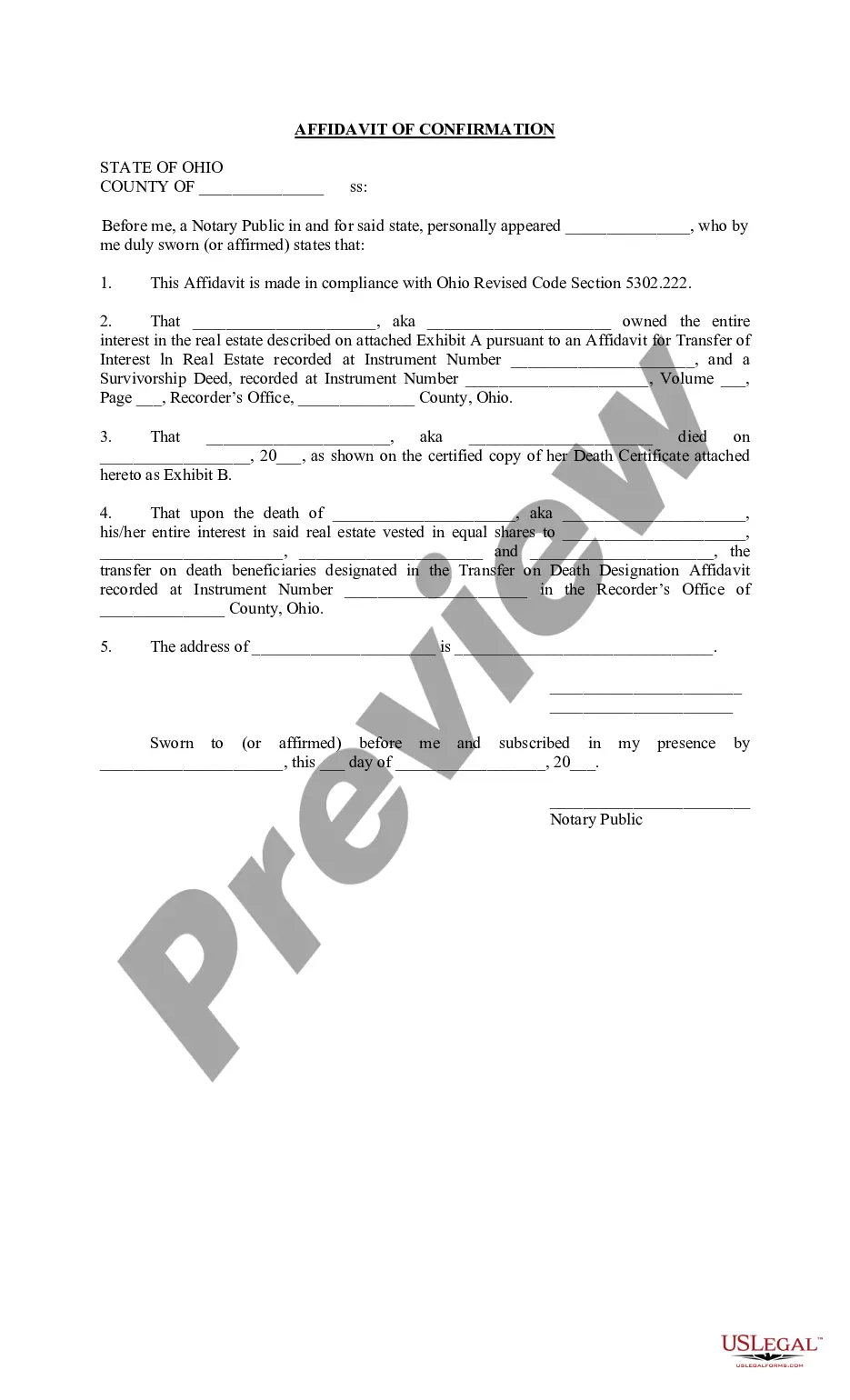
A declaratory judgment is a legally binding judgment where a court declares the rights and obligations of the parties to a written agreement, such as an insurance policy or other contract.
Relief of declaration the plaintiff must establish that. (i) the plaintiff was at the time of the suit entitled to any legal character. or any right to any property. (ii) the defendant had denied or was interested in denying the character. or the title of the plaintiff.
Declaratory judgments have the same effect and force as final judgments and are legally binding.
