Filing A Motion For Temporary Orders In Clark
Description
















Get your form ready online
Our built-in tools help you complete, sign, share, and store your documents in one place.
Make edits, fill in missing information, and update formatting in US Legal Forms—just like you would in MS Word.
Download a copy, print it, send it by email, or mail it via USPS—whatever works best for your next step.
Sign and collect signatures with our SignNow integration. Send to multiple recipients, set reminders, and more. Go Premium to unlock E-Sign.
If this form requires notarization, complete it online through a secure video call—no need to meet a notary in person or wait for an appointment.
We protect your documents and personal data by following strict security and privacy standards.

Make edits, fill in missing information, and update formatting in US Legal Forms—just like you would in MS Word.

Download a copy, print it, send it by email, or mail it via USPS—whatever works best for your next step.

Sign and collect signatures with our SignNow integration. Send to multiple recipients, set reminders, and more. Go Premium to unlock E-Sign.

If this form requires notarization, complete it online through a secure video call—no need to meet a notary in person or wait for an appointment.

We protect your documents and personal data by following strict security and privacy standards.
Looking for another form?




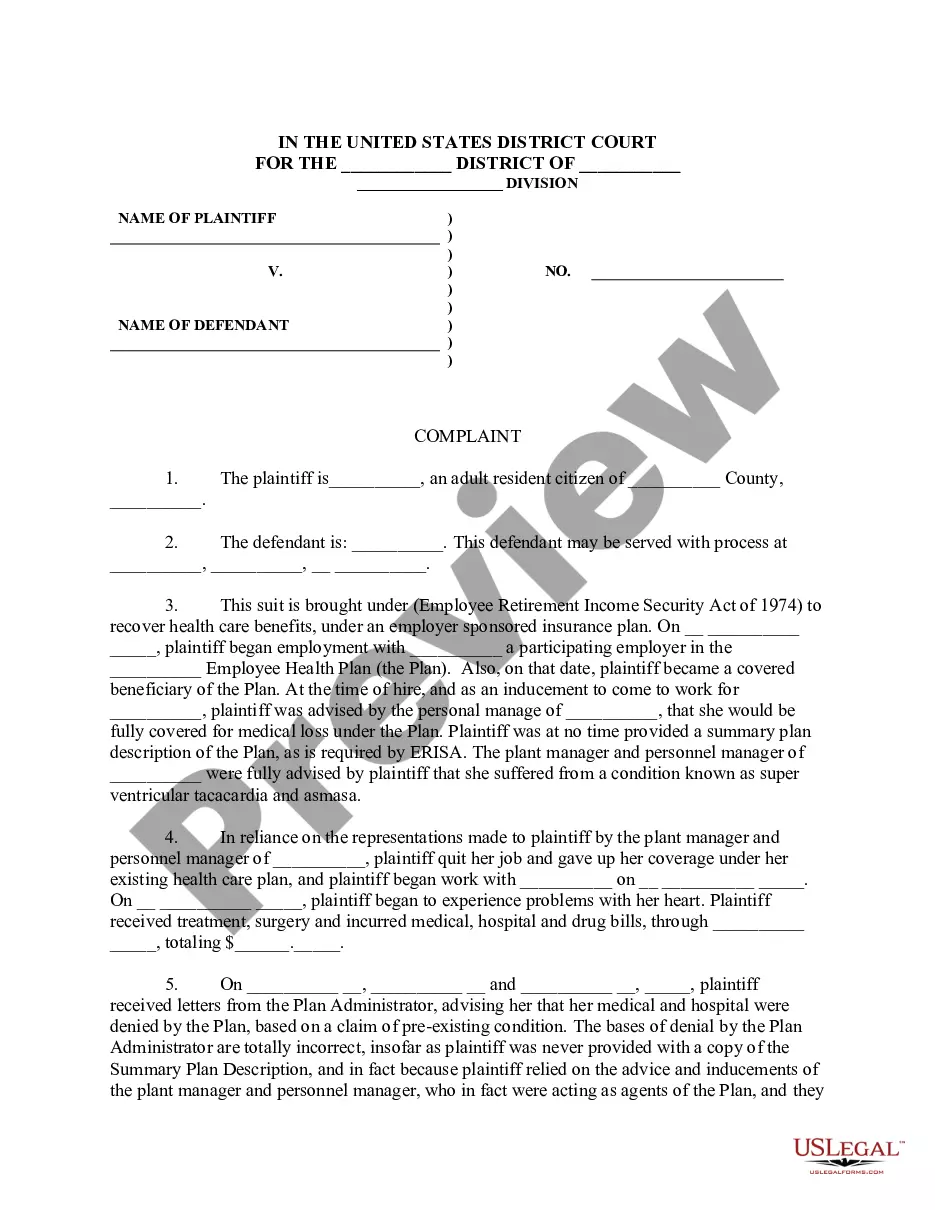



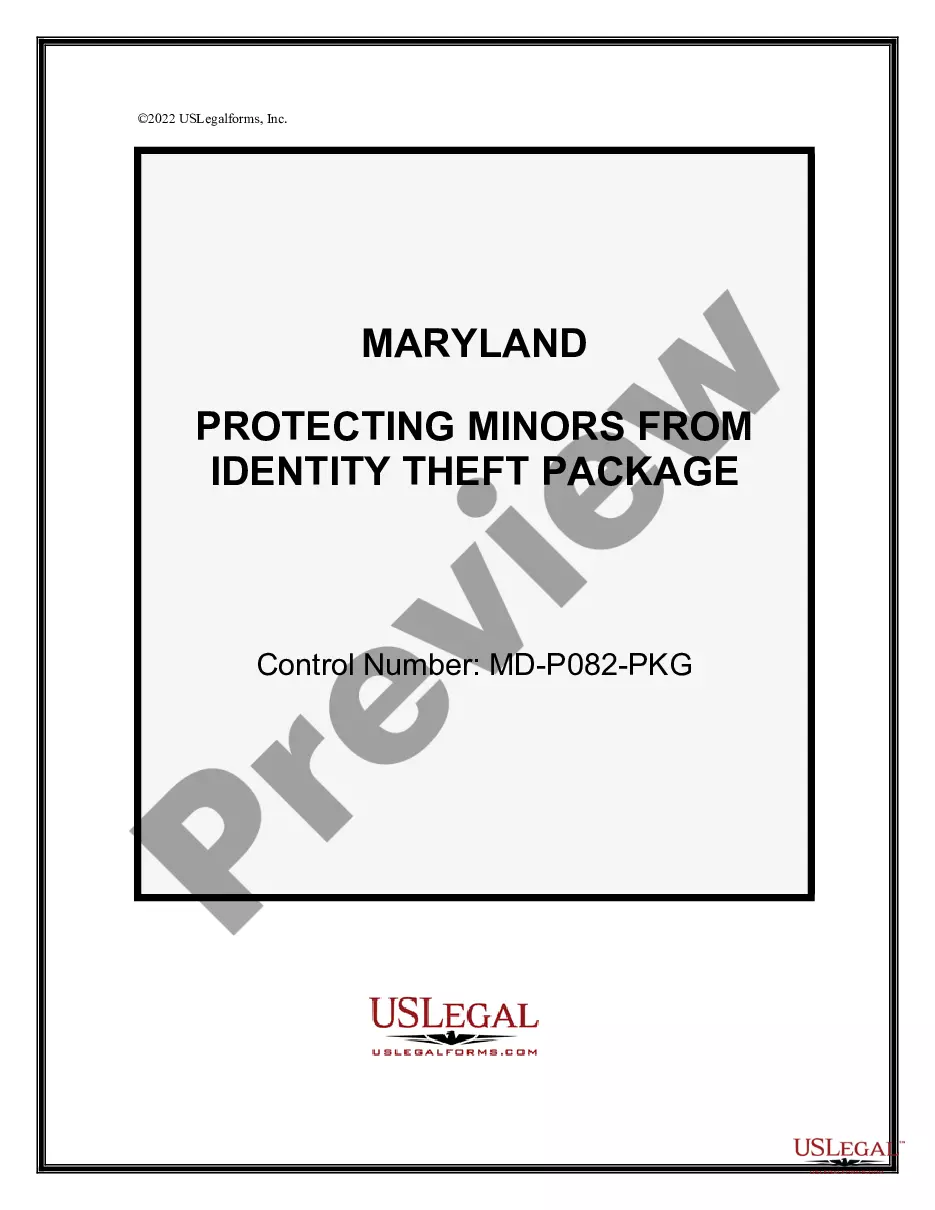
Form popularity
FAQ
Temporary Custody Orders in Nevada To obtain a temporary custody order in Nevada, a parent or guardian must file a petition with the court with jurisdiction over the matter.
Temporary reliefs require a special hearing that provides an impermanent solution based on the circumstances and are typically resolved through settlement negotiations or mediation. When a judge grants a motion for temporary relief, the order will only remain in effect until the formal proceedings are completed.
Decide whether you agree with the Motion filed by the other party. If you agree with the Motion, work with the other party to complete and file a Stipulation. If you decide that you oppose the Motion (or some part of it) complete and file a Statement Opposing the Motion and its supporting documents.
Temporary Orders: The Basics Temporary orders let the couple live separately and begin the division of marital assets before the final divorce decree. During the divorce process, couples must keep all assets intact until the court determines what property is marital property.
In most states, you will need to file: an application for order to show cause. a supporting declaration that relays your reasons for the request. a proposed temporary order and. a proof of service.
In order to get a temporary order in place during a divorce proceeding, an official request for that order must be made to the court. Formally, this request is known as a motion, and a motion for a temporary order in divorce will explain what is being requested and why this request is being made.
As the name suggests, temporary custody provides a short-term court order granting either on parent, or both parents, custody until the parents are able to reach a permanent custody agreement. In contrast to creating a parenting plan for long-term use, the court can grant temporary custody quickly.
A motion is heard on a 24 day cycle, meaning that when you file a motion, you can expect that your case will be scheduled before a judge within approximately 24 days. There is often times a motion can be delayed when an adjournment is requested or when the court's calendar requires.
In most states, you will need to file: an application for order to show cause. a supporting declaration that relays your reasons for the request. a proposed temporary order and. a proof of service.
