Temporary Injunction Form For Suit For Specific Performance In Chicago
Description

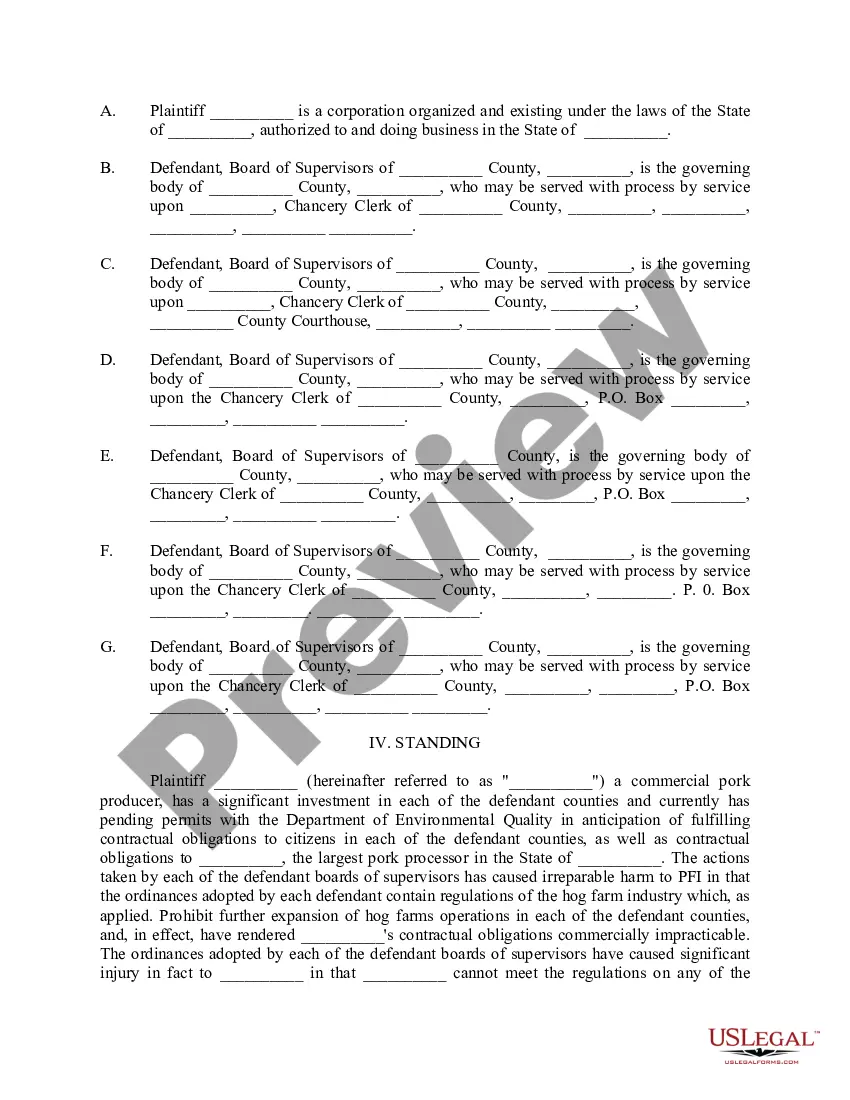
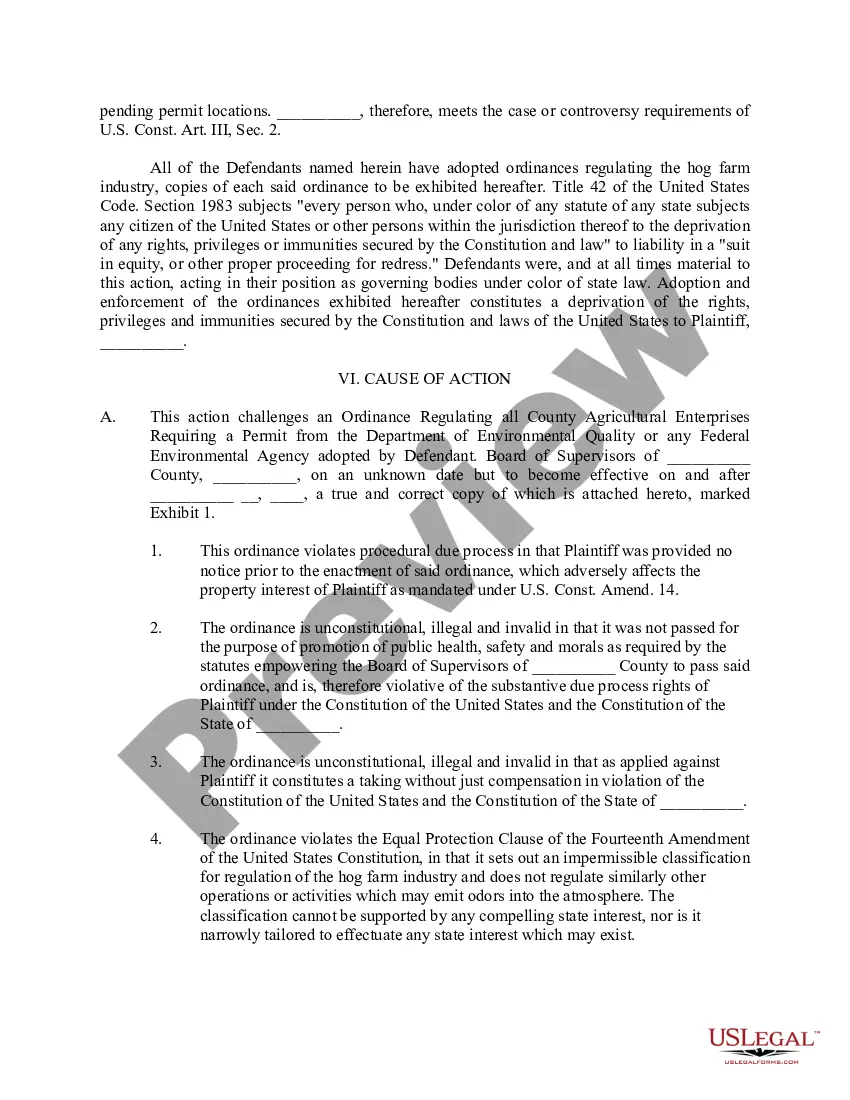
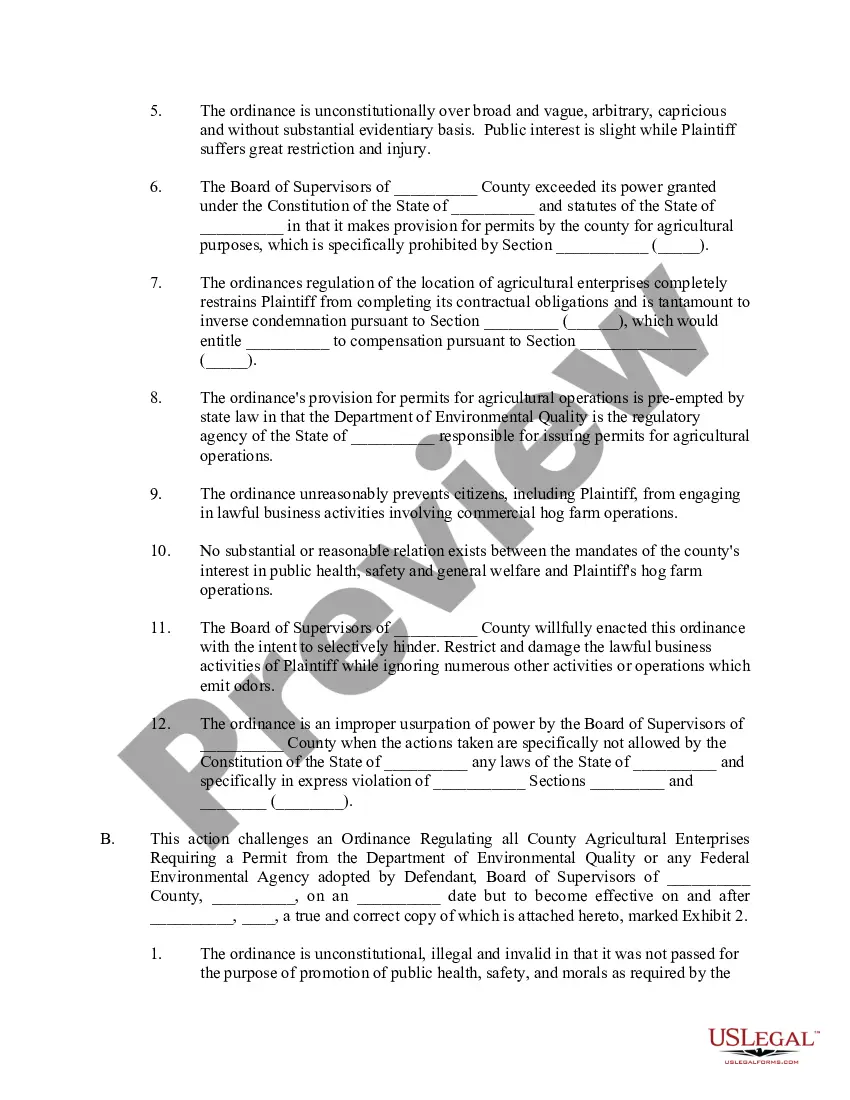
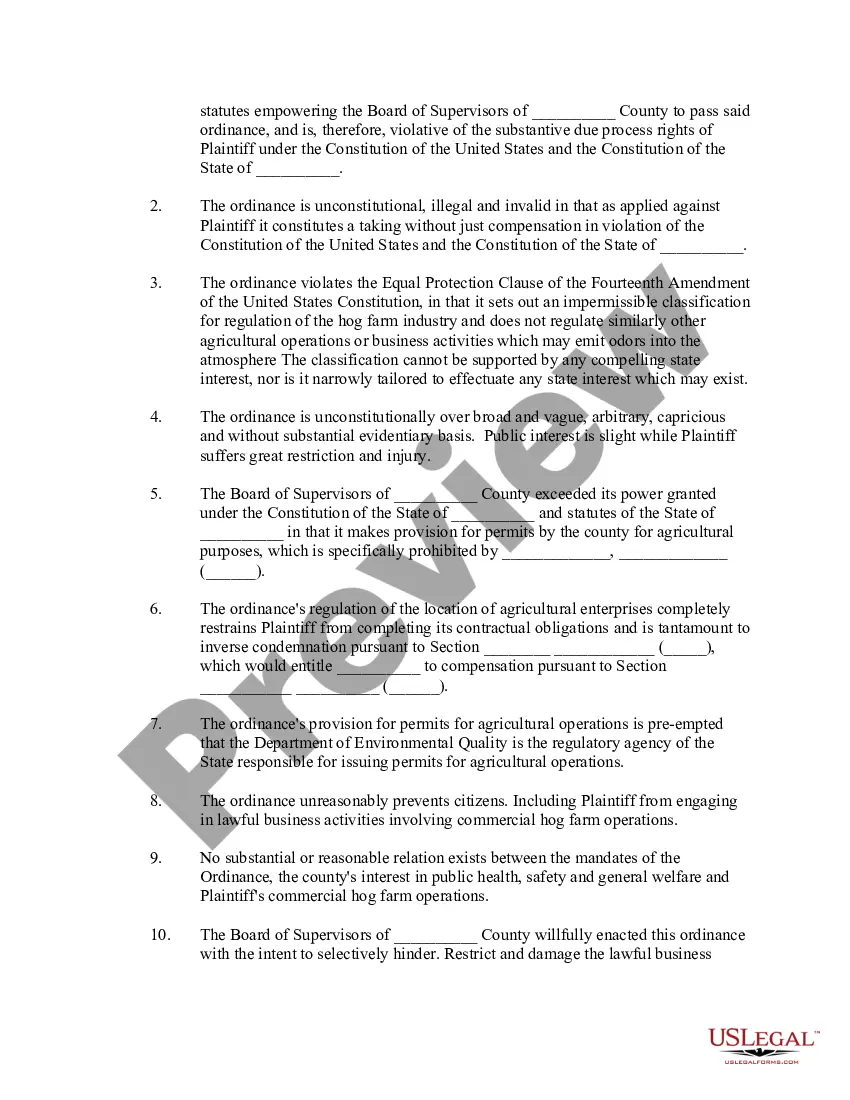
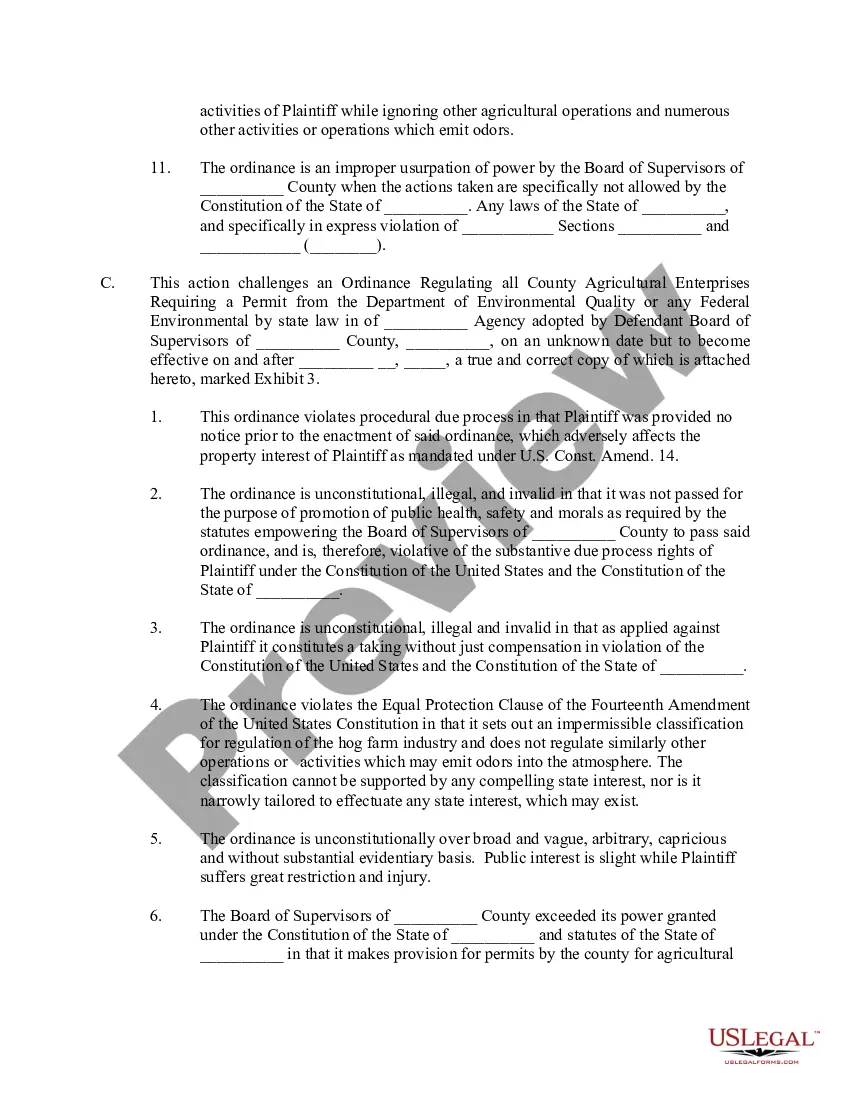
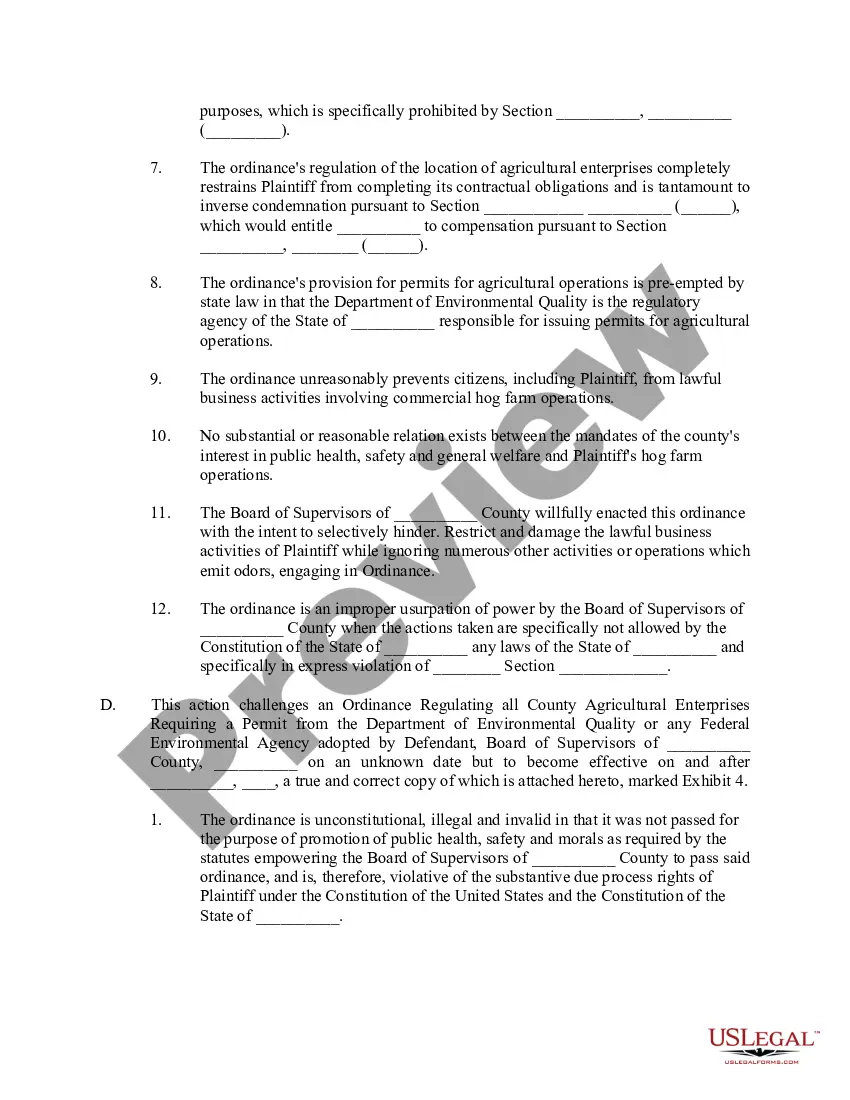
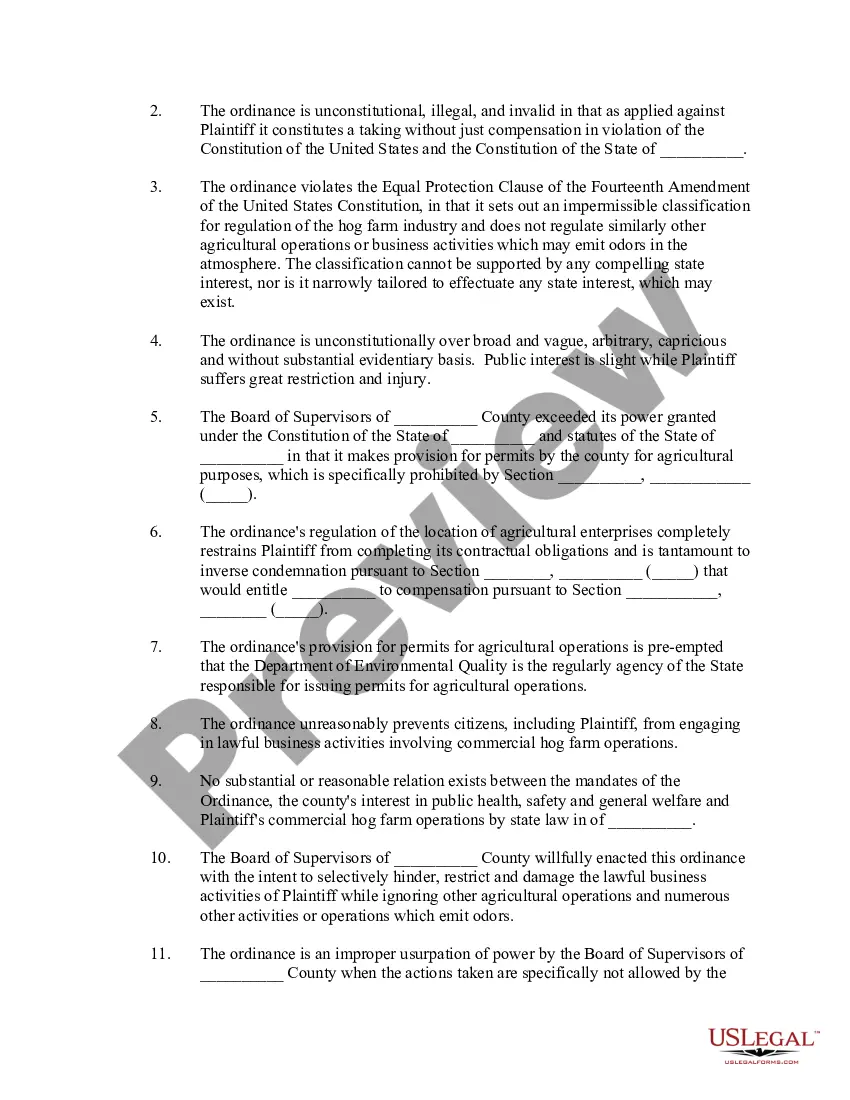
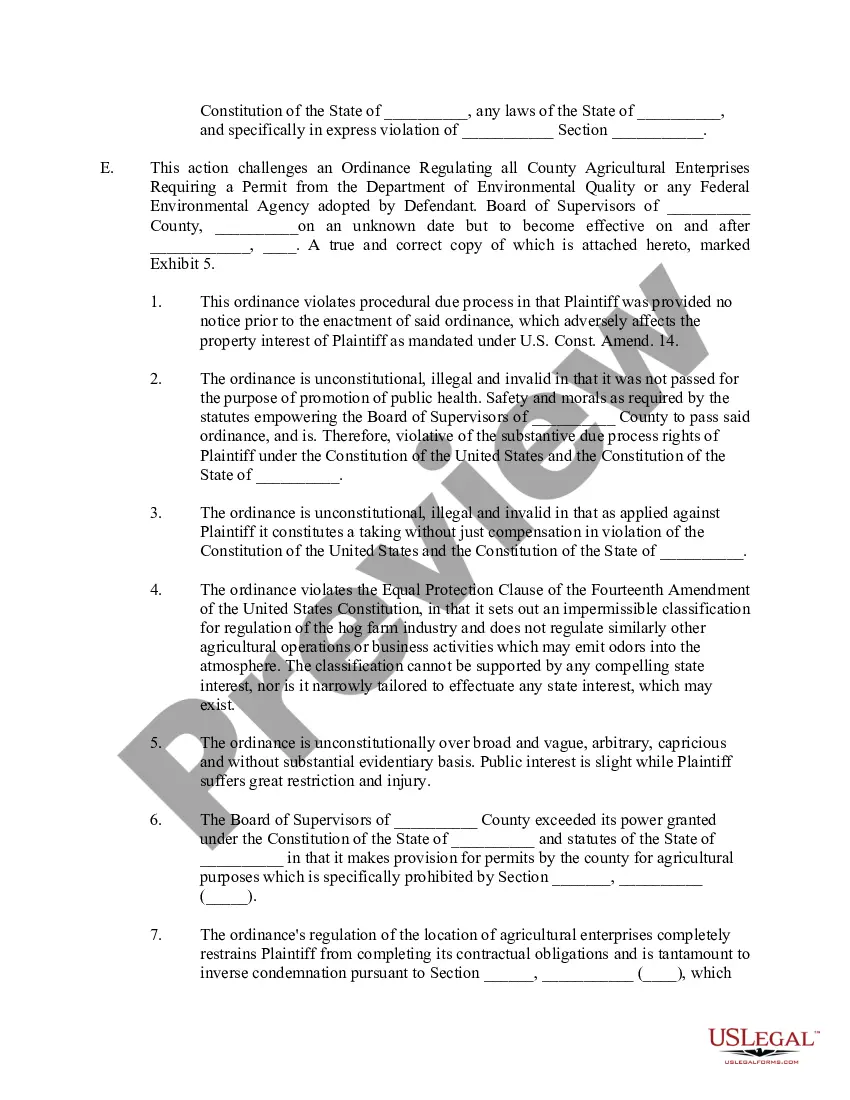






Get your form ready online
Our built-in tools help you complete, sign, share, and store your documents in one place.
Make edits, fill in missing information, and update formatting in US Legal Forms—just like you would in MS Word.
Download a copy, print it, send it by email, or mail it via USPS—whatever works best for your next step.
Sign and collect signatures with our SignNow integration. Send to multiple recipients, set reminders, and more. Go Premium to unlock E-Sign.
If this form requires notarization, complete it online through a secure video call—no need to meet a notary in person or wait for an appointment.
We protect your documents and personal data by following strict security and privacy standards.

Make edits, fill in missing information, and update formatting in US Legal Forms—just like you would in MS Word.

Download a copy, print it, send it by email, or mail it via USPS—whatever works best for your next step.

Sign and collect signatures with our SignNow integration. Send to multiple recipients, set reminders, and more. Go Premium to unlock E-Sign.

If this form requires notarization, complete it online through a secure video call—no need to meet a notary in person or wait for an appointment.

We protect your documents and personal data by following strict security and privacy standards.
Looking for another form?

Form popularity
FAQ
A TRO in Illinois is temporary and lasts up to 10 days unless extended by the court. A preliminary injunction lasts until the final judgment in the case unless appealed.
To obtain an Order of Protection, you can: Contact a domestic violence program for assistance. Ask an attorney to file in civil court. Request an order with your divorce. Request an order during a criminal prosecution.
Order IX, rule 1(c) provides that temporary injunction may be granted where, in any suit, it is proved by the affidavit or otherwise, that the defendant threatens to disposses the plaintiff or otherwise cause injury to the plaintiff in relation to any property in dispute in the suit, the Court may by order grant a ...
Generally, under Illinois law, a plaintiff must present evidence in support of four factors before a court will issue a TRO or other form of injunction: (1) the plaintiff possesses a clearly ascertainable right in need of protection, (2) there is a likelihood that the plaintiff will succeed on the merits, (3) the ...
Harassment, intimidation, interference with personal liberty, each have their own definition. These are pretty specific instances described as harassment. Any testimony to an incidence such as these will be sufficient evidence for a finding of “harassment” thereby allowing the court to issue an order of protection.
In order to get an injunction, you have to file a Petition with the court. You must also attach an affidavit to your Petition. Be sure that you properly plead your Petition. The Petition must be based on facts and not conclusions.
Zagel explained, parties seeking entry of a TRO must establish: (1) the existence of a clearly ascertained right in need of protection, (2) an imminent risk of irreparable injury in the absence of injunctive relief, (3) an inadequate remedy at law, and (4) a likelihood of success on the merits of the dispute.
Temporary restraining orders (TROs) are a type of short-term injunction issued to prevent a party from taking a certain action until the court is able to issue a more enduring order, such as a preliminary injunction. TROs are a type of equitable remedy.
An injunction is a court order against another person who has been physically violent with you and/or has placed you in fear of physical violence. The purpose is to require him or her to stay away from your home, your car, your place of employment, and other places the court finds necessary.
Specific performance is a remedy that orders the breaching party to comply with the terms of the contract. An injunction is a remedy that prohibits a party from a particular act. An injunction can be temporary, preliminary or permanent. These two remedies are similar.
