Amended Trial Information In Salt Lake
Description


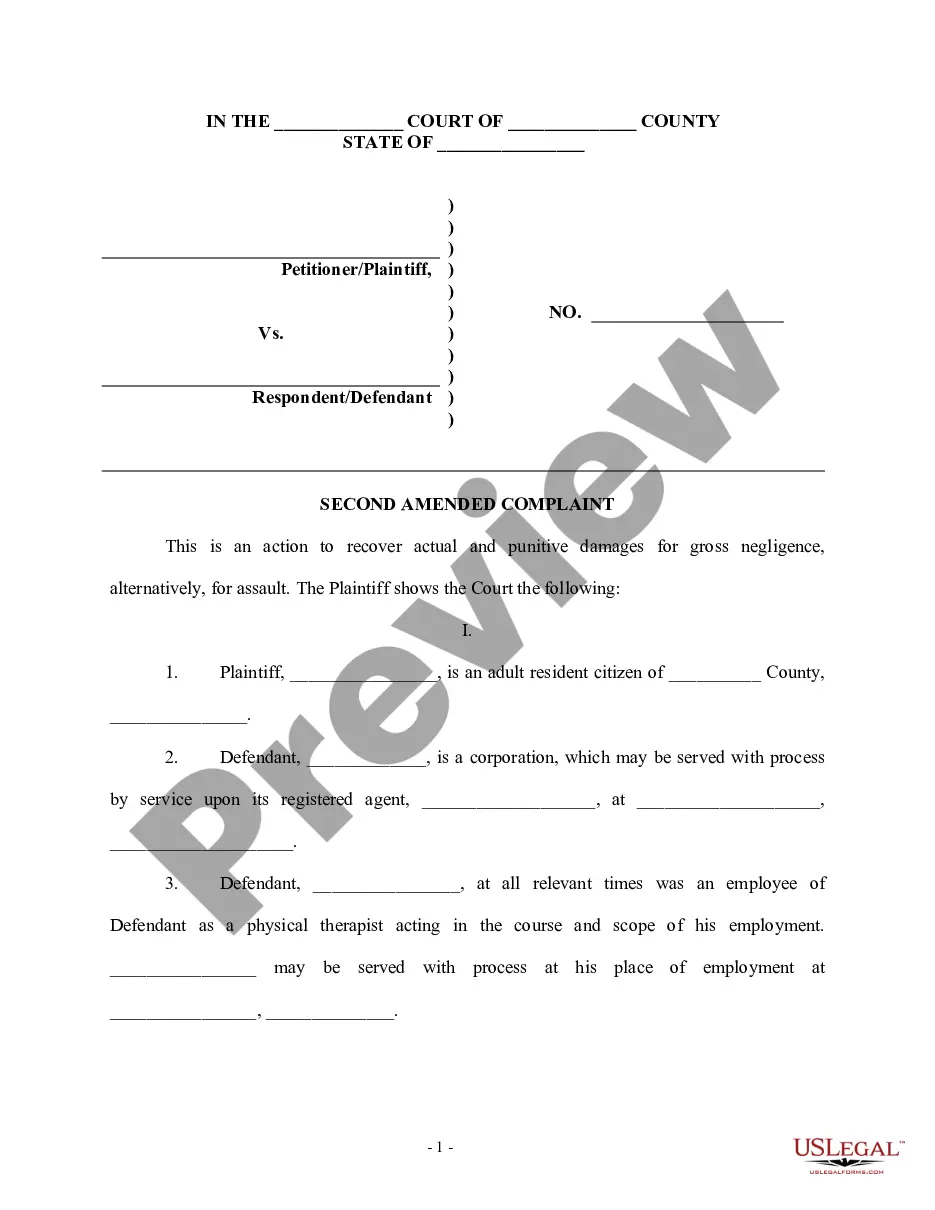
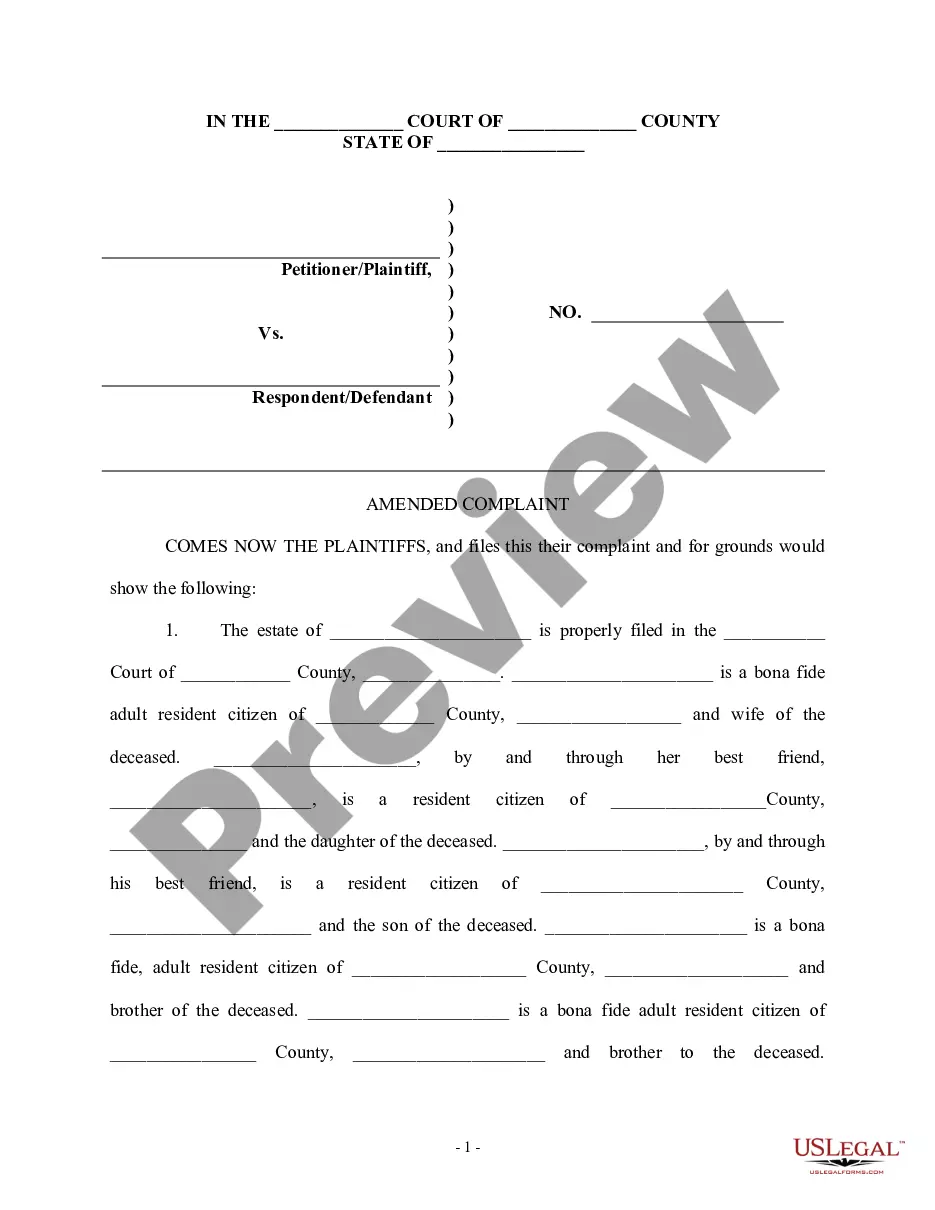
Get your form ready online
Our built-in tools help you complete, sign, share, and store your documents in one place.
Make edits, fill in missing information, and update formatting in US Legal Forms—just like you would in MS Word.
Download a copy, print it, send it by email, or mail it via USPS—whatever works best for your next step.
Sign and collect signatures with our SignNow integration. Send to multiple recipients, set reminders, and more. Go Premium to unlock E-Sign.
If this form requires notarization, complete it online through a secure video call—no need to meet a notary in person or wait for an appointment.
We protect your documents and personal data by following strict security and privacy standards.

Make edits, fill in missing information, and update formatting in US Legal Forms—just like you would in MS Word.

Download a copy, print it, send it by email, or mail it via USPS—whatever works best for your next step.

Sign and collect signatures with our SignNow integration. Send to multiple recipients, set reminders, and more. Go Premium to unlock E-Sign.

If this form requires notarization, complete it online through a secure video call—no need to meet a notary in person or wait for an appointment.

We protect your documents and personal data by following strict security and privacy standards.
Looking for another form?

Form popularity
FAQ
Party Verification. Rule 11 requires papers to be signed by an attorney unless there is no attorney. In other systems of rule, including in some states, sometimes the litigants themselves are required to verify the facts and papers filed before the courts.
Signing Pleadings, Motions, and Other Papers; Representations to the Court; Sanctions. (a) Signature. Every pleading, written motion, and other paper must be signed by at least one attorney of record in the attorney's name – or by a party personally if the party is unrepresented.
United States v. Norris, 281 U.S. 619 (1930). Under Federal Rule of Criminal Procedure 11, a plea of nolo contendere shall be accepted by the court only with its consent and only after it gives due consideration to the views of the parties and the interest of the public in the effective administration of justice.
The court may permit an information to be amended at any time before verdict or finding if no additional or different offense is charged and if substantial rights of the defendant are not prejudiced. Leave of court is required for the prosecutor to amend.
Rule 11 was designed to highlight the importance of constitutional rights by requiring the judge in district court to discuss these rights with the defendant before accepting his plea. In other words, Rule 11 was created to help the defendant understand the basic consequences of the decision to plead guilty.
Rule 12. (a) Motions. An application to the court for an order shall be by motion, which, unless made during a trial or hearing, shall be in writing and in ance with this rule. A motion shall state succinctly and with particularity the grounds upon which it is made and the relief sought.
Rule 11 was designed to highlight the importance of constitutional rights by requiring the judge in district court to discuss these rights with the defendant before accepting his plea. In other words, Rule 11 was created to help the defendant understand the basic consequences of the decision to plead guilty.
The party seeking discovery must show the judge that the information is discoverable and that discovery is proportional to the case. A motion may also be filed to compel disclosures. If a party fails to disclose, that party may not be able to use the documents or information at trial.
In the federal courts, disclosure requires parties to automatically share routine evidentiary information that would otherwise be available during discovery. Disclosure comes in three stages. First, at the beginning of the suit, each party must disclose: Basic information about each witness the party plans to call.
(a) Motion. To enforce a court order or to obtain a sanctions order for violation of an order, including in supplemental proceedings under Rule 64, a party must file an ex parte motion to enforce order and for sanctions (if requested), pursuant to this rule and Rule 7.
