Assault With Physical Injury In Massachusetts
Description


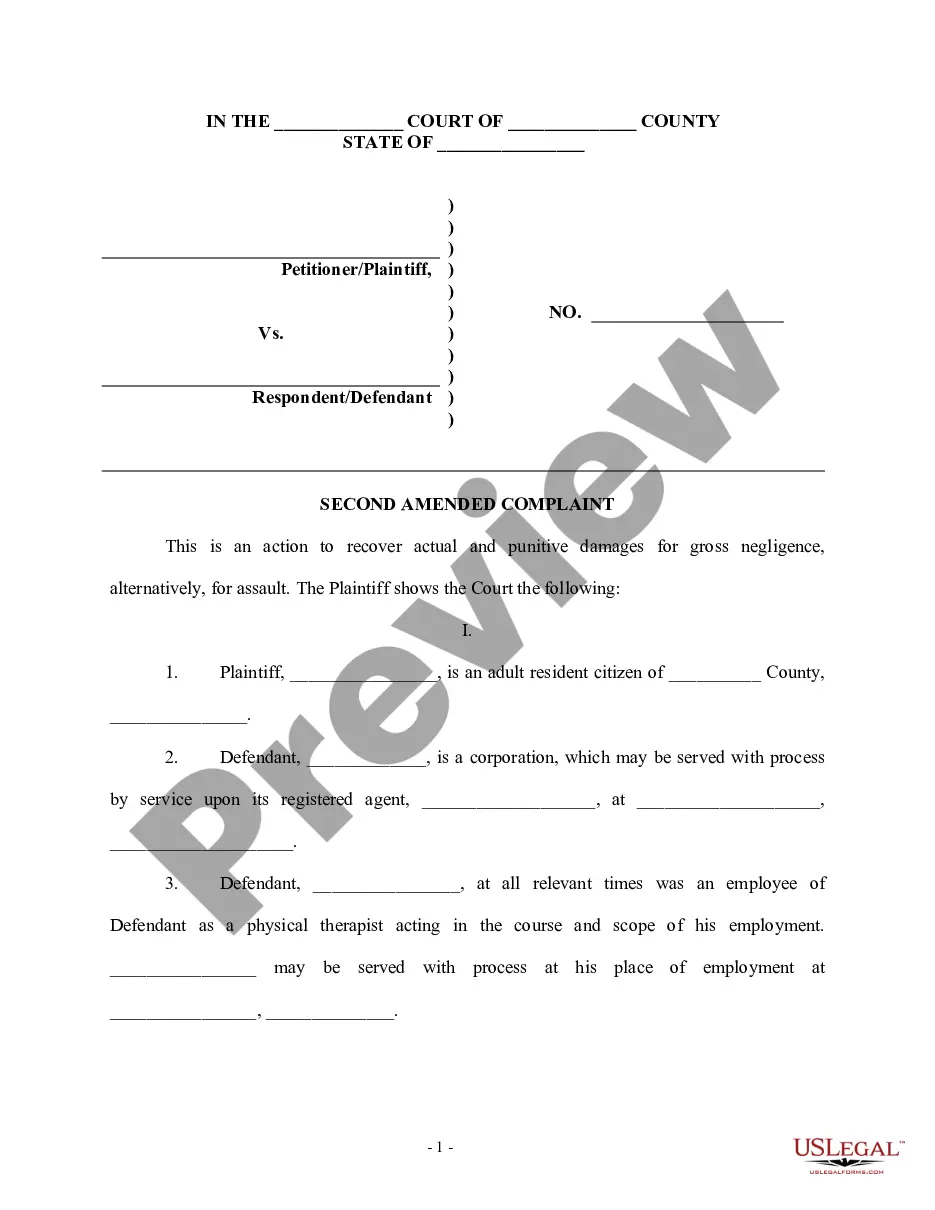
Get your form ready online
Our built-in tools help you complete, sign, share, and store your documents in one place.
Make edits, fill in missing information, and update formatting in US Legal Forms—just like you would in MS Word.
Download a copy, print it, send it by email, or mail it via USPS—whatever works best for your next step.
Sign and collect signatures with our SignNow integration. Send to multiple recipients, set reminders, and more. Go Premium to unlock E-Sign.
If this form requires notarization, complete it online through a secure video call—no need to meet a notary in person or wait for an appointment.
We protect your documents and personal data by following strict security and privacy standards.

Make edits, fill in missing information, and update formatting in US Legal Forms—just like you would in MS Word.

Download a copy, print it, send it by email, or mail it via USPS—whatever works best for your next step.

Sign and collect signatures with our SignNow integration. Send to multiple recipients, set reminders, and more. Go Premium to unlock E-Sign.

If this form requires notarization, complete it online through a secure video call—no need to meet a notary in person or wait for an appointment.

We protect your documents and personal data by following strict security and privacy standards.
Looking for another form?






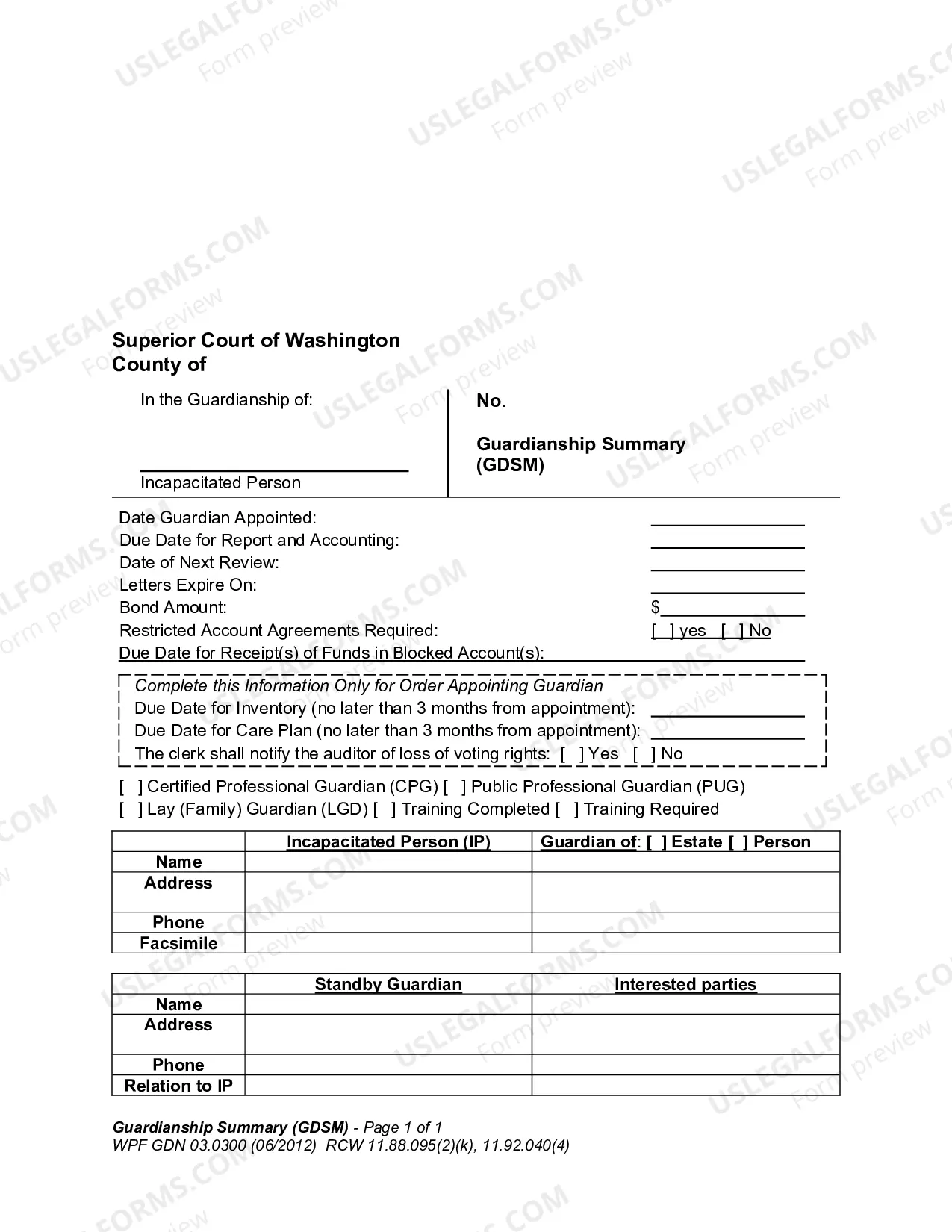



Form popularity
FAQ
You can ask the District Attorney to drop the charges against the defendant, but ultimately it is the prosecutor's decision. Due to the serious nature of domestic abuse, prosecutors usually will not drop the charges against a defendant solely at the request of the alleged victim.
Infractions. Infractions are the least severe type of offense. Penalties for infractions generally include fines but do not result in jail time or a criminal record. Think of these as “citations” or “tickets."
An assault may include one or more types of harm, such as pushing, shoving, slapping, punching, or kicking. It may also include the use of weapons like knives, sticks, bottles, or bats. Common injuries from an assault include bruises, black eyes, cuts, scratches, and broken bones.
Class C Assault The lowest form of assault is considered a Class C Misdemeanor. The highest penalty one can receive for a Class C Misdemeanor assault is a fine that can be no higher than $500.
Section 13A: Assault or assault and battery; punishment (a) Whoever commits an assault or an assault and battery upon another shall be punished by imprisonment for not more than 21/2 years in a house of correction or by a fine of not more than $1,000.
Section 13A: Assault or assault and battery; punishment Section 13A. (a) Whoever commits an assault or an assault and battery upon another shall be punished by imprisonment for not more than 21/2 years in a house of correction or by a fine of not more than $1,000.
Nominal or compensatory damages are a prerequisite to punitive damages. Because an assault necessarily involves intentional conduct, but does not necessarily involve physical contact, punitive damages may be the only large award a plaintiff recovers from a liable defendant.
Statutes of Limitations in Massachusetts OffenseStatute Arson (“burning”): 6 years Mass. Gen. Laws ch. 277, § 63 (2024) Assault: 6 years, 10 years, 15 years, or no time limit Mass. Gen. Laws ch. 277, § 63 (2024) Burglary: 6 years Mass. Gen. Laws ch. 277, § 63 (2024)9 more rows •
