2nd Amendment Rights In Spanish In King
Description


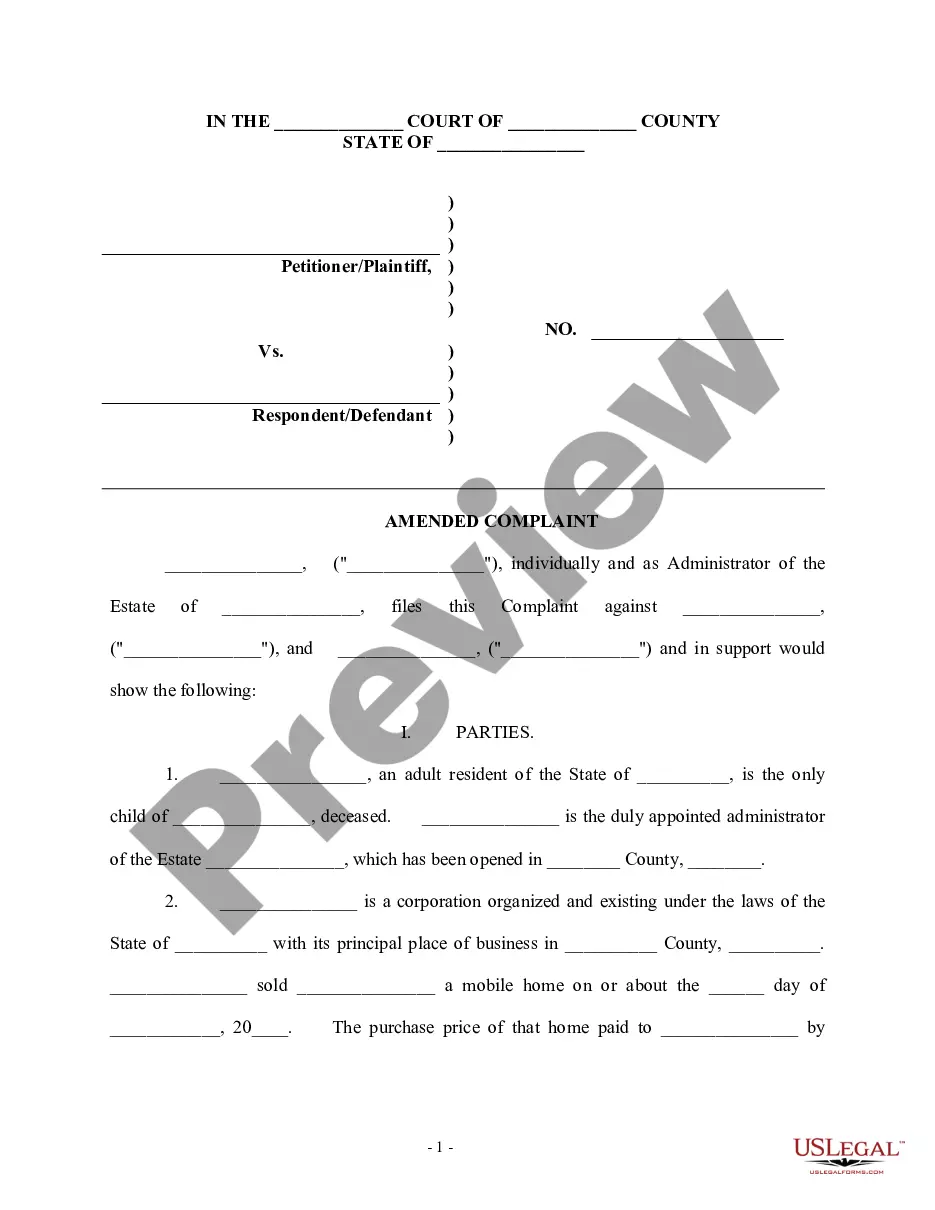
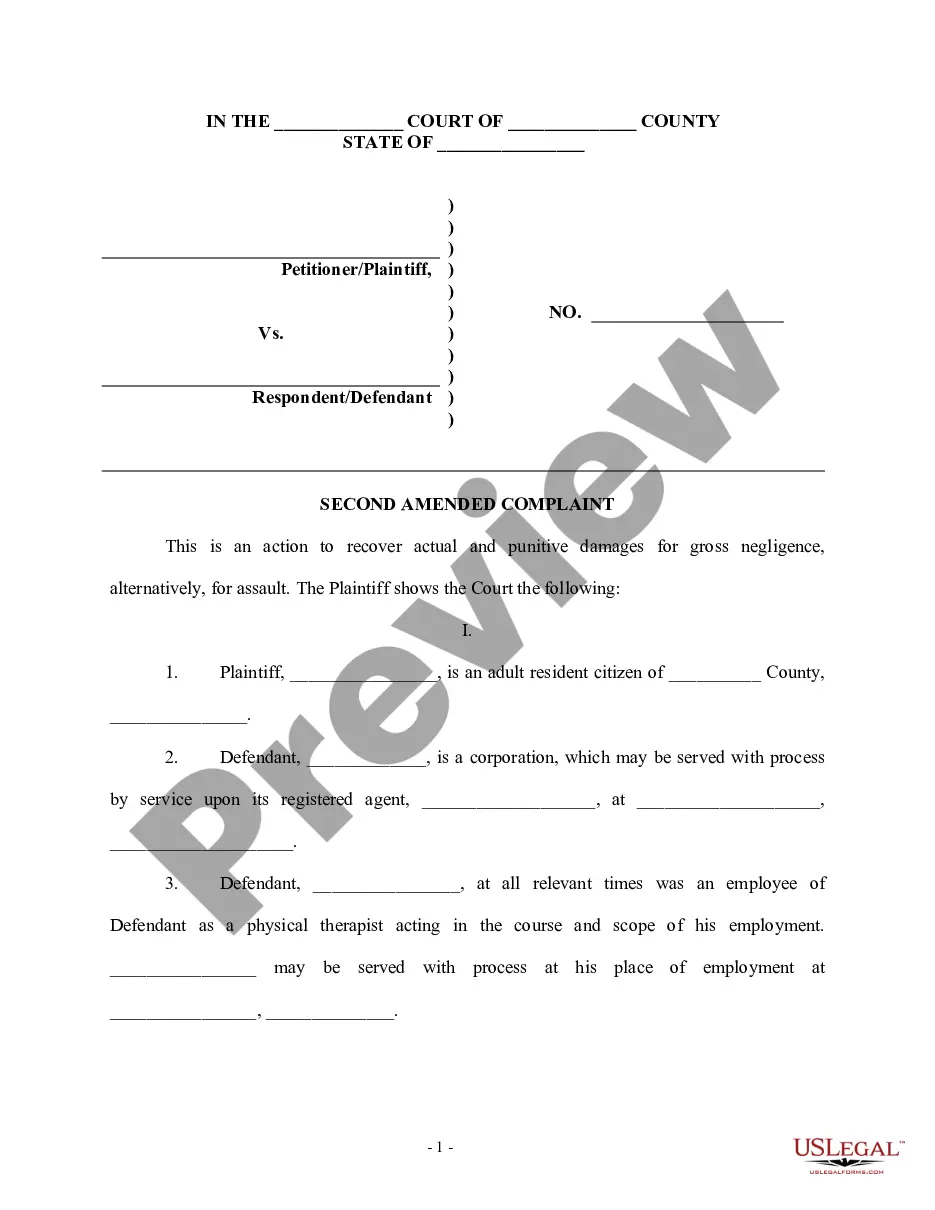
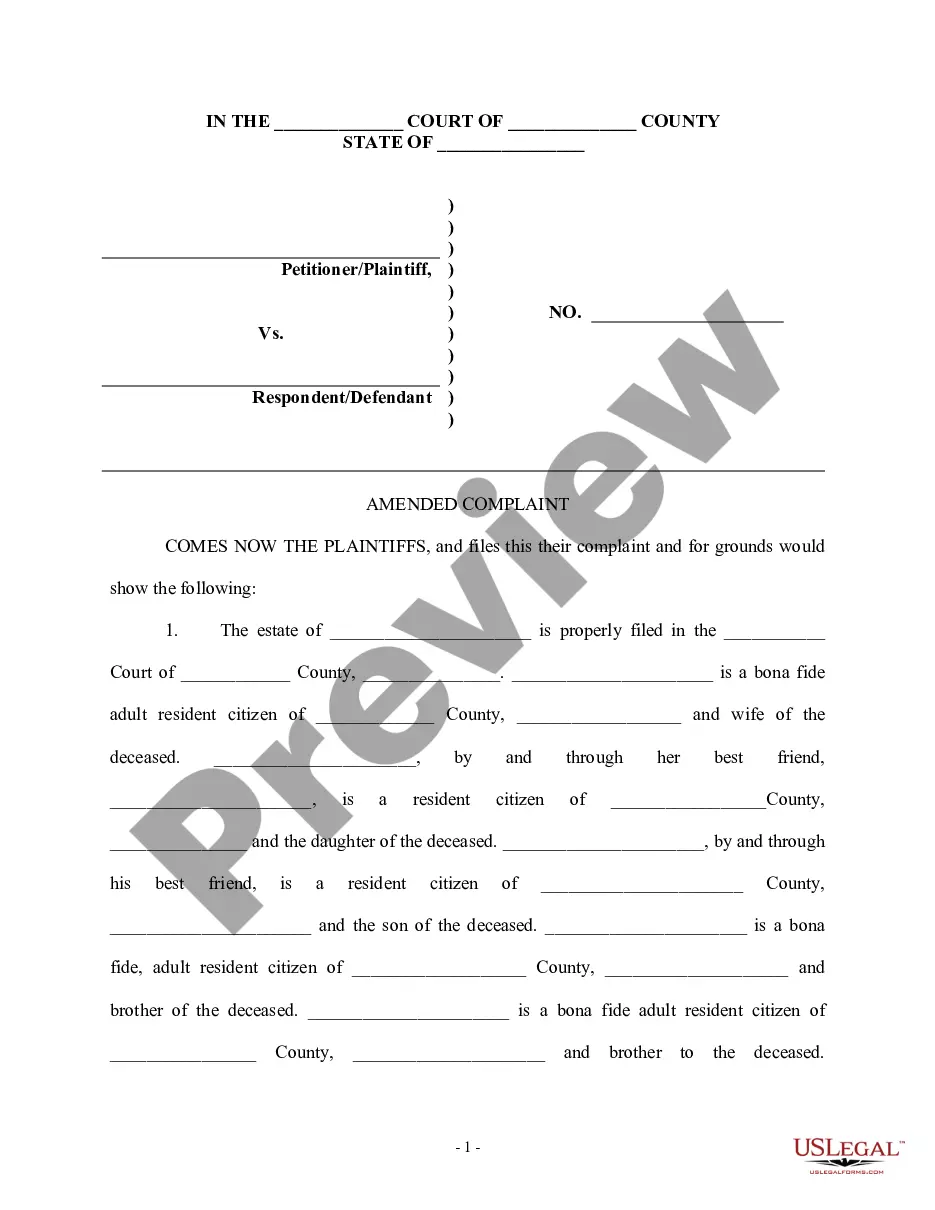
Get your form ready online
Our built-in tools help you complete, sign, share, and store your documents in one place.
Make edits, fill in missing information, and update formatting in US Legal Forms—just like you would in MS Word.
Download a copy, print it, send it by email, or mail it via USPS—whatever works best for your next step.
Sign and collect signatures with our SignNow integration. Send to multiple recipients, set reminders, and more. Go Premium to unlock E-Sign.
If this form requires notarization, complete it online through a secure video call—no need to meet a notary in person or wait for an appointment.
We protect your documents and personal data by following strict security and privacy standards.

Make edits, fill in missing information, and update formatting in US Legal Forms—just like you would in MS Word.

Download a copy, print it, send it by email, or mail it via USPS—whatever works best for your next step.

Sign and collect signatures with our SignNow integration. Send to multiple recipients, set reminders, and more. Go Premium to unlock E-Sign.

If this form requires notarization, complete it online through a secure video call—no need to meet a notary in person or wait for an appointment.

We protect your documents and personal data by following strict security and privacy standards.
Looking for another form?




Form popularity
FAQ
Amendment Two to the Constitution was ratified on December 15, 1791. It protects the right for Americans to possess weapons for the protection of themselves, their rights, and their property.
The Second Amendment is a contentious topic. Some people believe it provides people with an absolute right to own weapons. Others argue that its text limits the right to bear arms to purposes related to serving in a state militia.
In short, the Supreme Court did its job by announcing that the Second Amendment does not protect assault weapons—precisely because they are meant for the battlefield and are not “in common use at the time for lawful purposes.” Id. at 624-25, 627-28; Kolbe, 849 F. 3d at 131.
The Second Amendment granted citizens that right — giving them the ability to defend themselves and their property. Though times have changed dramatically, the need for defenses afforded by the Second Amendment has remained much the same. “…the right of the people to keep and bear Arms, shall not be infringed.”
Illegal immigrants can possess guns under Second Amendment, federal judge rules. CHICAGO (TND) — A U.S. District Court judge ruled earlier this month that completely prohibiting illegal immigrants from possessing firearms is a violation of the Second Amendment.
The Second Amendment does not guarantee: (i) weapons of indiscriminate destructiveness such as cannons, (2) any right of violent felons or of other felons whom legislatures reasonably identify as likely to misuse weapons.
No person shall be elected to the office of the President more than twice, and no person who has held the office of President, or acted as President, for more than two years of a term to which some other person was elected President shall be elected to the office of the President more than once.
The Second Amendment is a contentious topic. Some people believe it provides people with an absolute right to own weapons. Others argue that its text limits the right to bear arms to purposes related to serving in a state militia. The Supreme Court issued very few groundbreaking opinions on the topic until 2008.
Who wrote the Second Amendment? The Second Amendment, ratified in 1791, was proposed by James Madison to allow the creation of civilian forces that can counteract a tyrannical federal government.
The Second Amendment granted citizens that right — giving them the ability to defend themselves and their property. Though times have changed dramatically, the need for defenses afforded by the Second Amendment has remained much the same. “…the right of the people to keep and bear Arms, shall not be infringed.”