Physical Assault In School Uk In Cook
Description

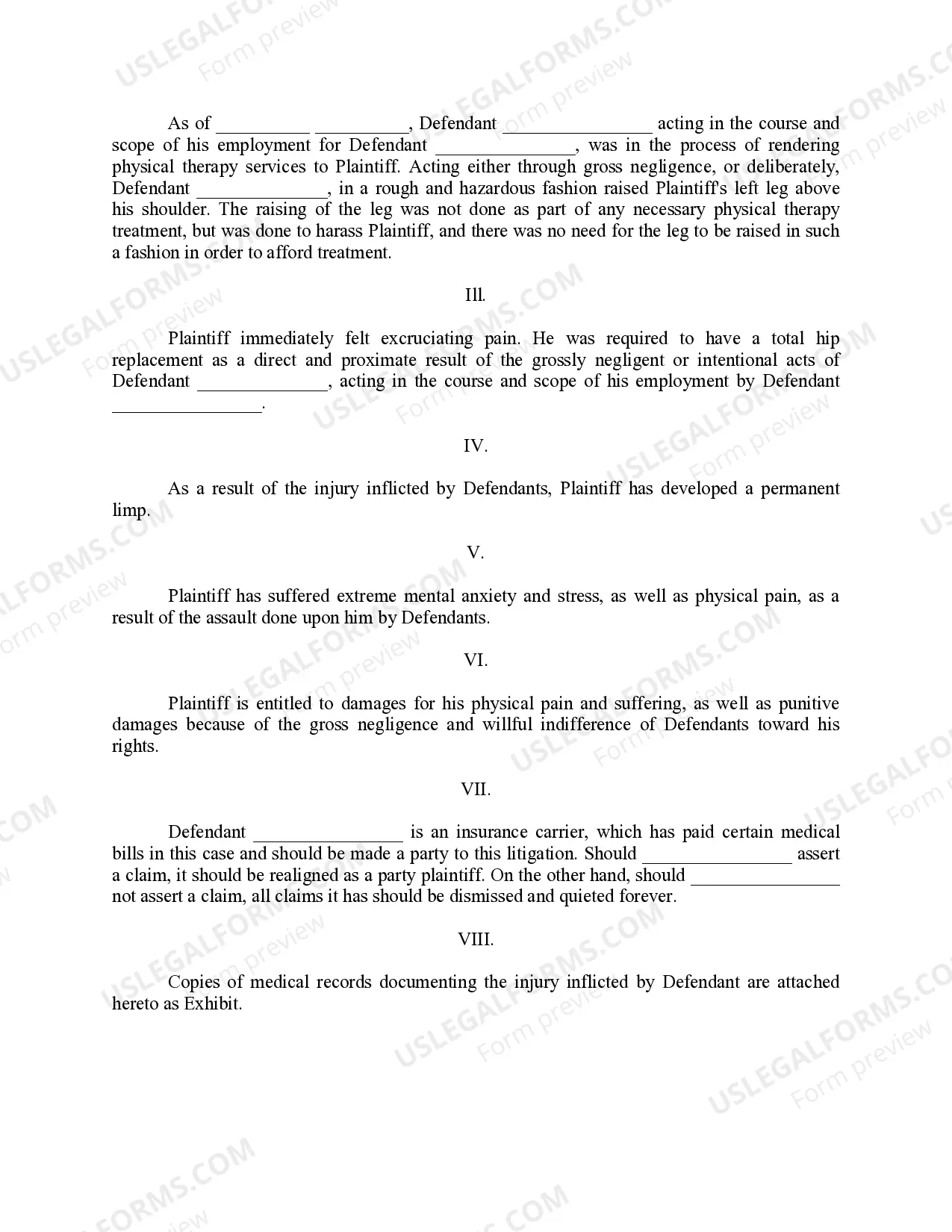
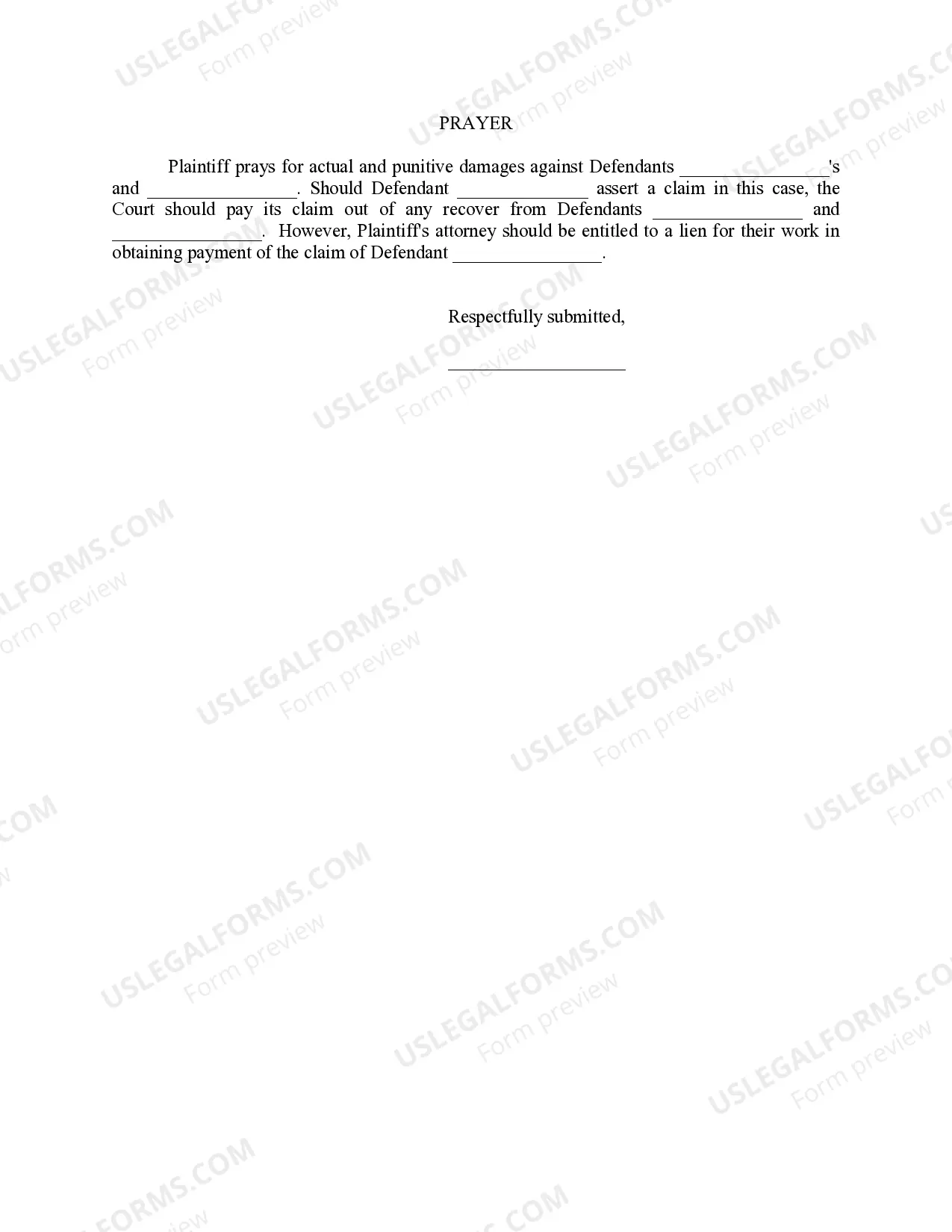

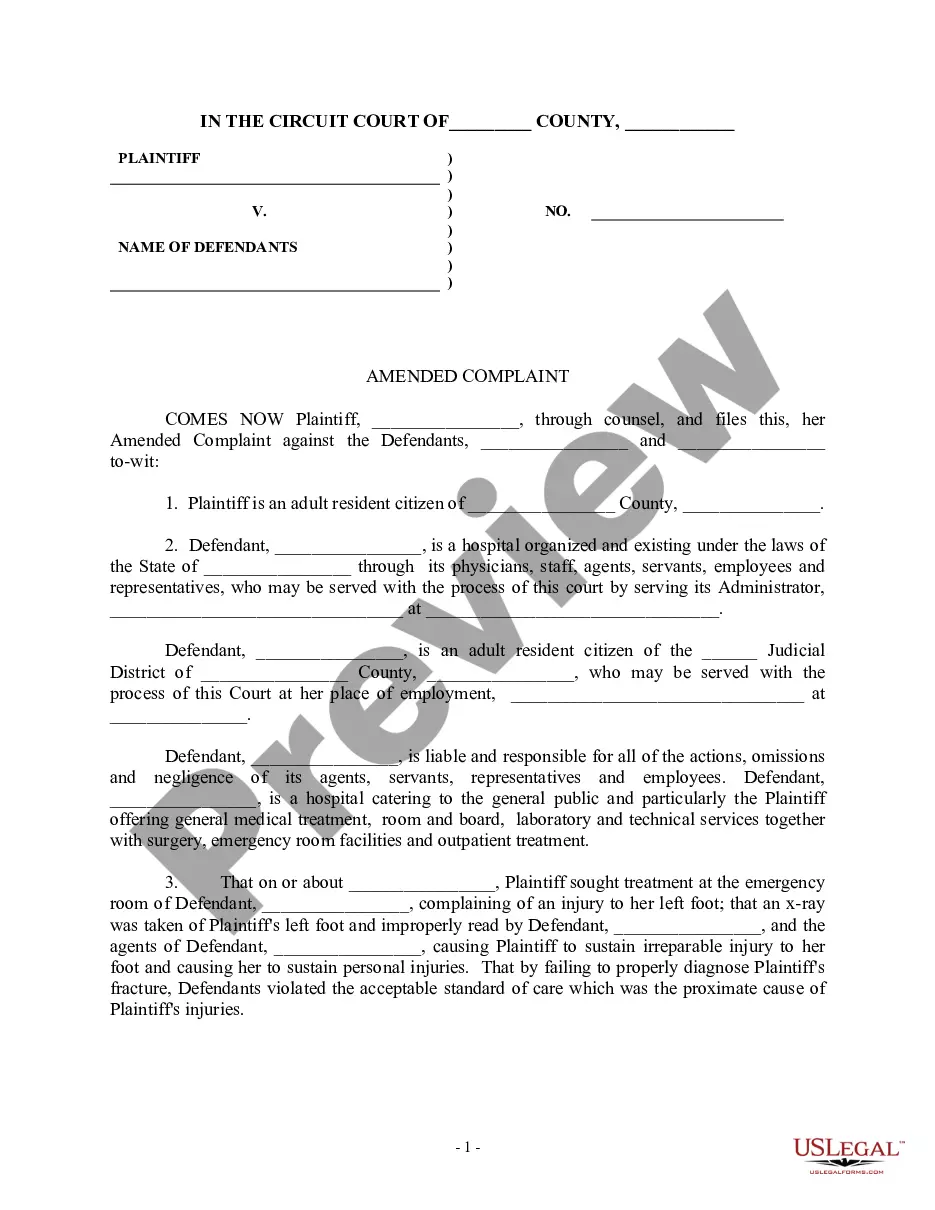
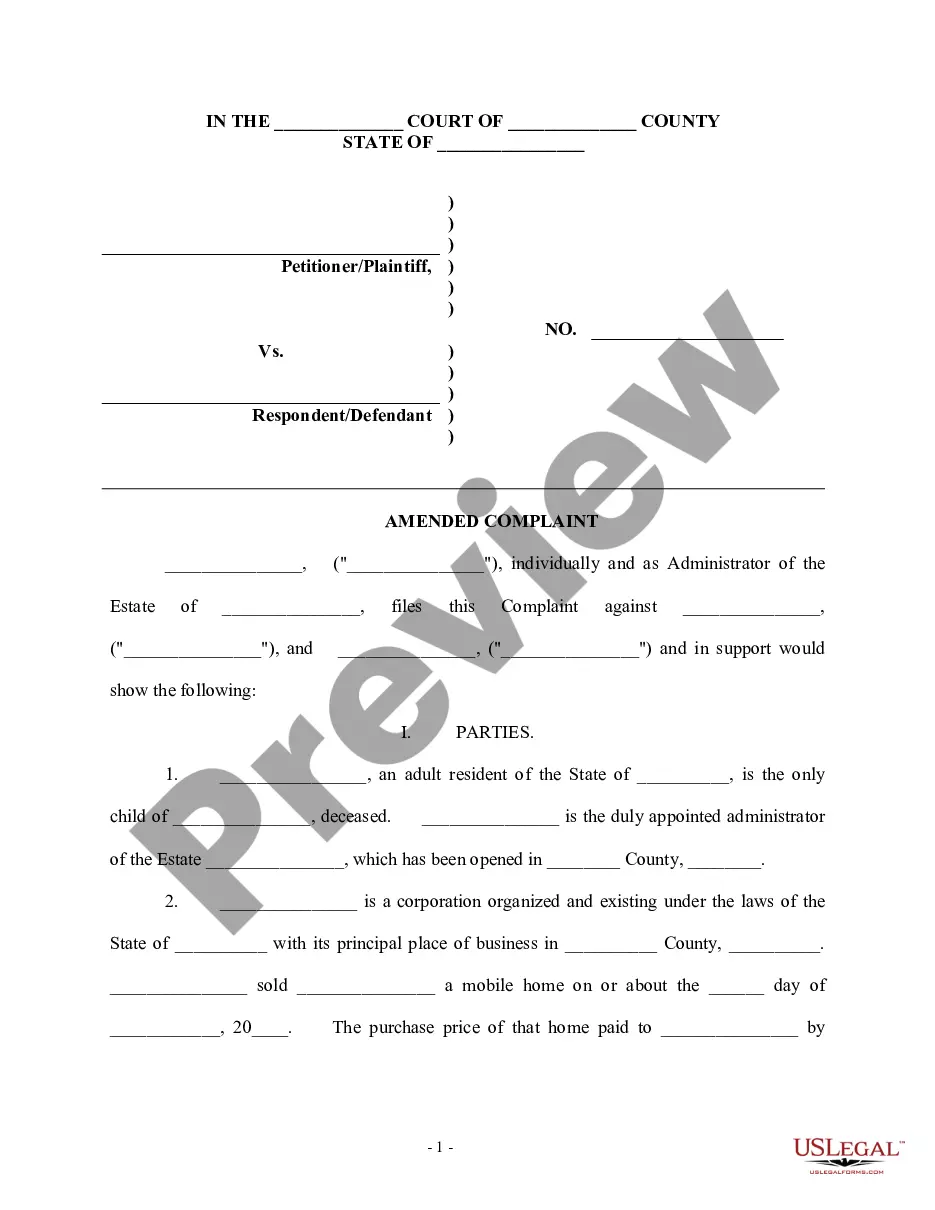
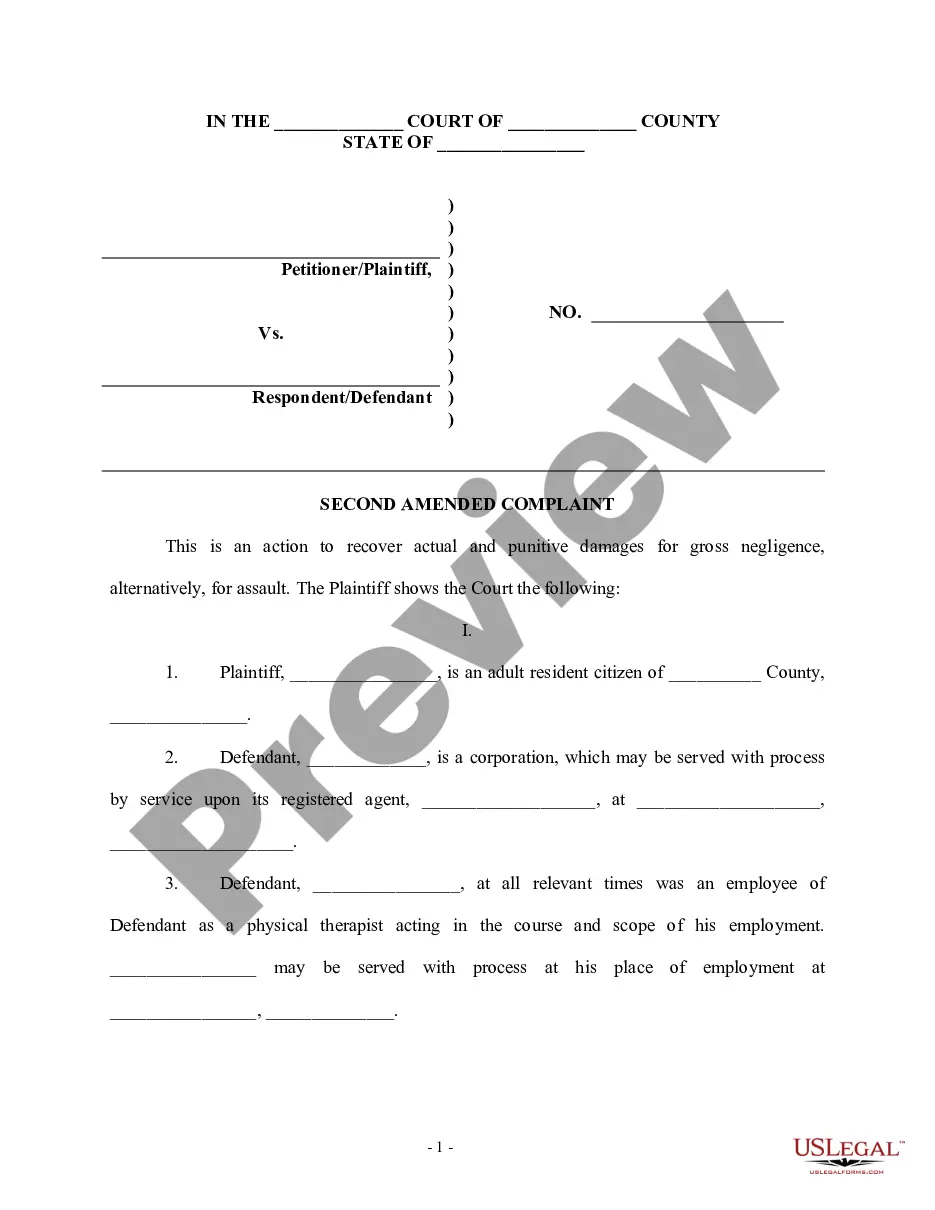
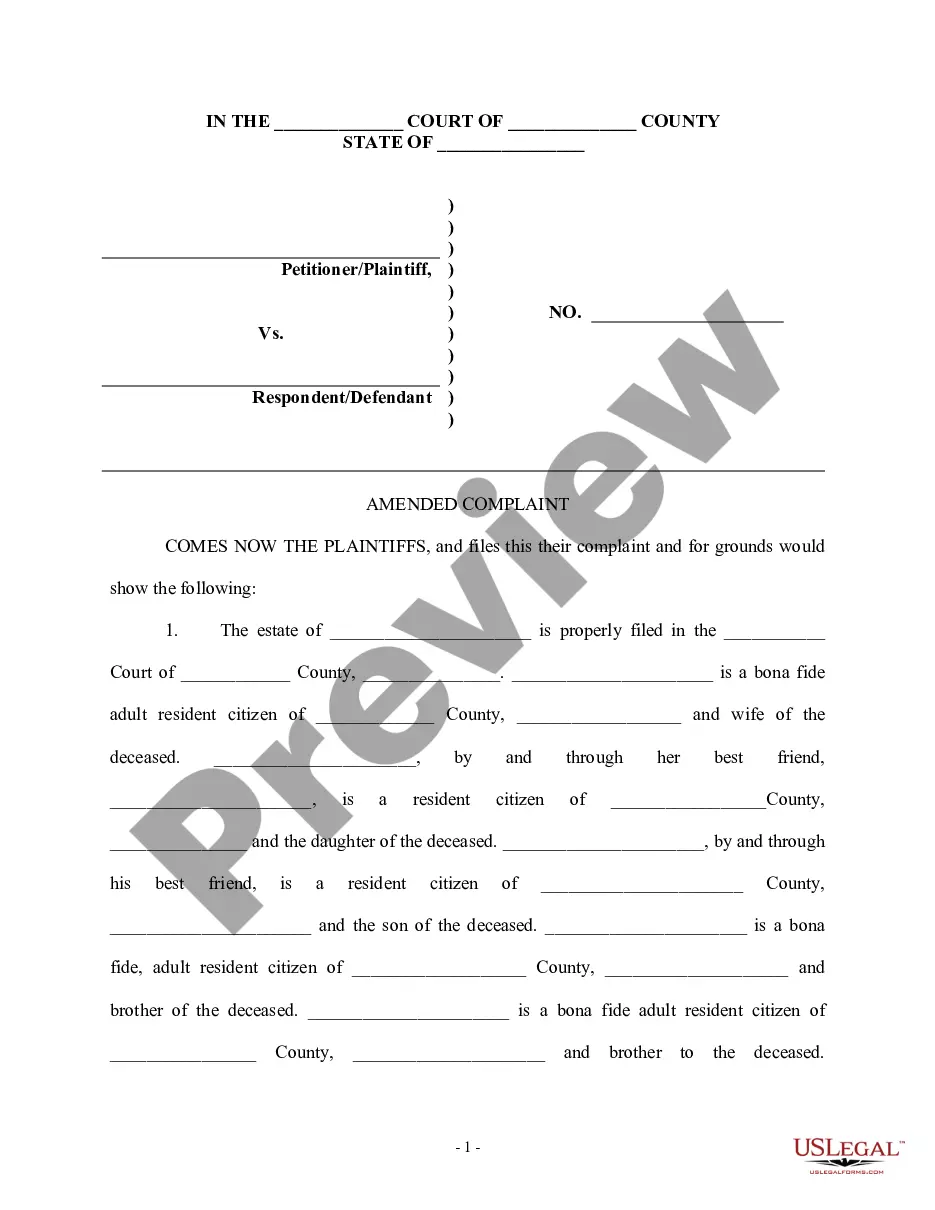
Get your form ready online
Our built-in tools help you complete, sign, share, and store your documents in one place.
Make edits, fill in missing information, and update formatting in US Legal Forms—just like you would in MS Word.
Download a copy, print it, send it by email, or mail it via USPS—whatever works best for your next step.
Sign and collect signatures with our SignNow integration. Send to multiple recipients, set reminders, and more. Go Premium to unlock E-Sign.
If this form requires notarization, complete it online through a secure video call—no need to meet a notary in person or wait for an appointment.
We protect your documents and personal data by following strict security and privacy standards.

Make edits, fill in missing information, and update formatting in US Legal Forms—just like you would in MS Word.

Download a copy, print it, send it by email, or mail it via USPS—whatever works best for your next step.

Sign and collect signatures with our SignNow integration. Send to multiple recipients, set reminders, and more. Go Premium to unlock E-Sign.

If this form requires notarization, complete it online through a secure video call—no need to meet a notary in person or wait for an appointment.

We protect your documents and personal data by following strict security and privacy standards.
Looking for another form?








Form popularity
FAQ
Complain to the school Contact the school to discuss the problem first - most problems can be solved this way. You can make an informal complaint. The school will tell you when they will respond. After they review your complaint, you'll be told the outcome.
Parents can make a claim to the Tribunal for any type of exclusion, fixed term or permanent. For permanent exclusions, this right is in addition to the right to request a review by an Independent Review Panel.
In any case, you can once again sue the individual student for the abuse they committed, potentially suing their parents for the child's actions. In general, the law is hesitant to put additional responsibilities on schools to keep kids safe, especially when it comes to bullying or school shootings.
To establish negligence, the provision has to fall below the standard accepted by a responsible body of that type of educational provision. However, this must relate to the teaching methods, overall organisation, the content of the courses, the facilities or the appropriate diagnosis of a Special Educational Need.
You can do both. You can file criminal charges against the student and you can file for a civil restraining order. If the school refuses to move the child, that is their right unless there is a court order that the student cannot be in your presence.
You must file a lawsuit in a court that has jurisdiction over the school and the incident that took place. Typically this will be a court in the same city or county where the school is located. You also must choose between state or federal court. In most cases, you'll file your lawsuit in state court.
A School's Duty of Care in the UK Duty of Care to Students. Duty of Care to Staff and Teachers. Discrimination. Bullying and Harassment. Special Educational Needs (SEN) Negligence. Failure to Meet Educational Standards. Negligence Causing Injury.
Depending on the nature of the altercation, students involved in a school fight may face charges of assault or battery. If a weapon is used or brought to school during the fight, students could face additional charges related to possession of a weapon on school grounds, which can lead to serious legal consequences.
As of 2024, corporal punishment is still legal in private schools in every U.S. state except Illinois, Iowa, Maryland, New Jersey and New York, legal in public schools in 17 states, and practiced in 12 of the states..
History of Corporal Punishment That court decision motivated many states to pass laws prohibiting physical punishment in public schools. California's response to this decision came in 1986, when it banned corporal punishment in public schools.
