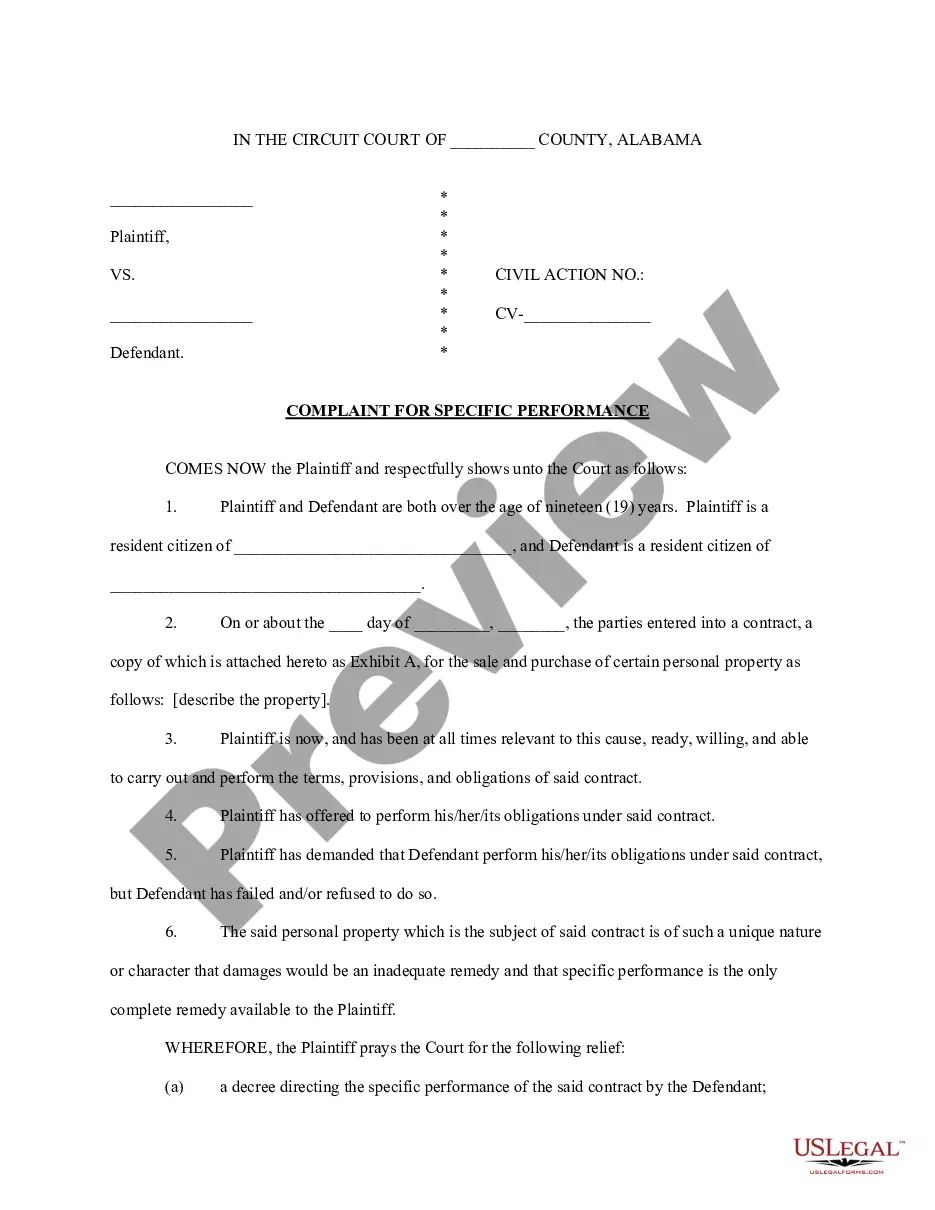
Conveyance Cemetery Without A Permit In Wayne
Description

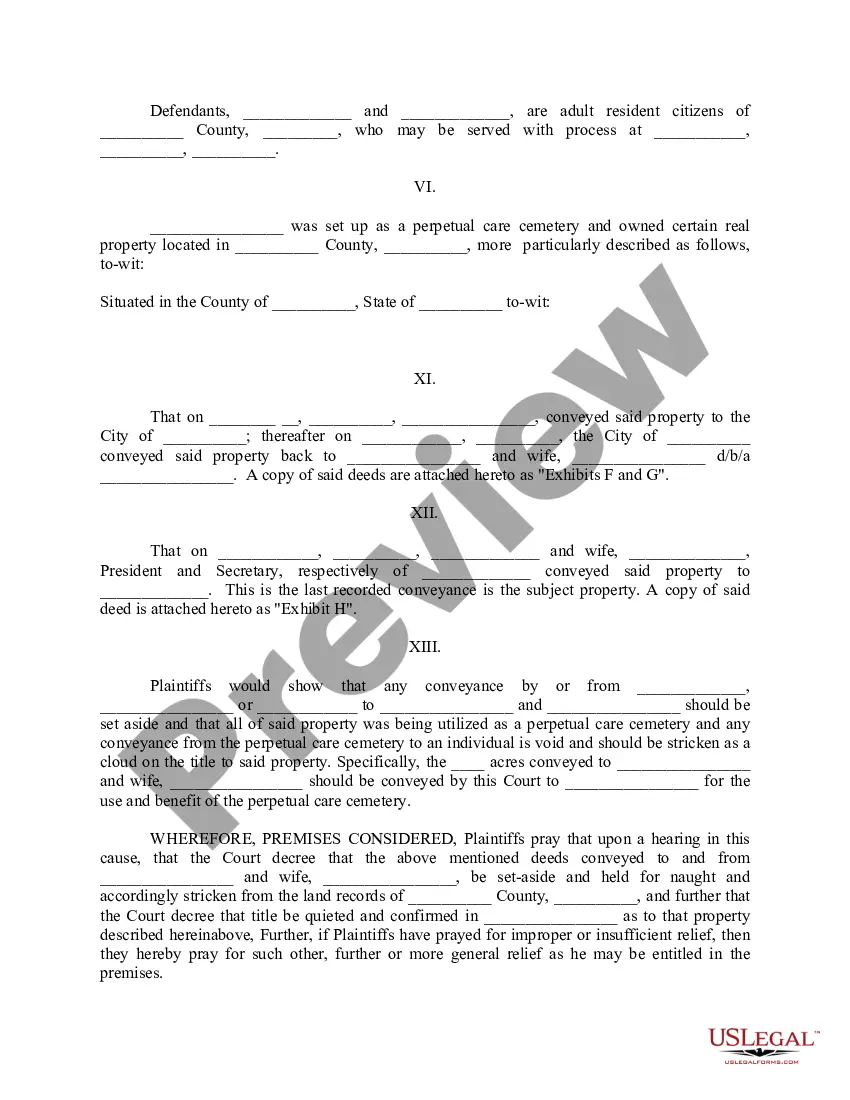

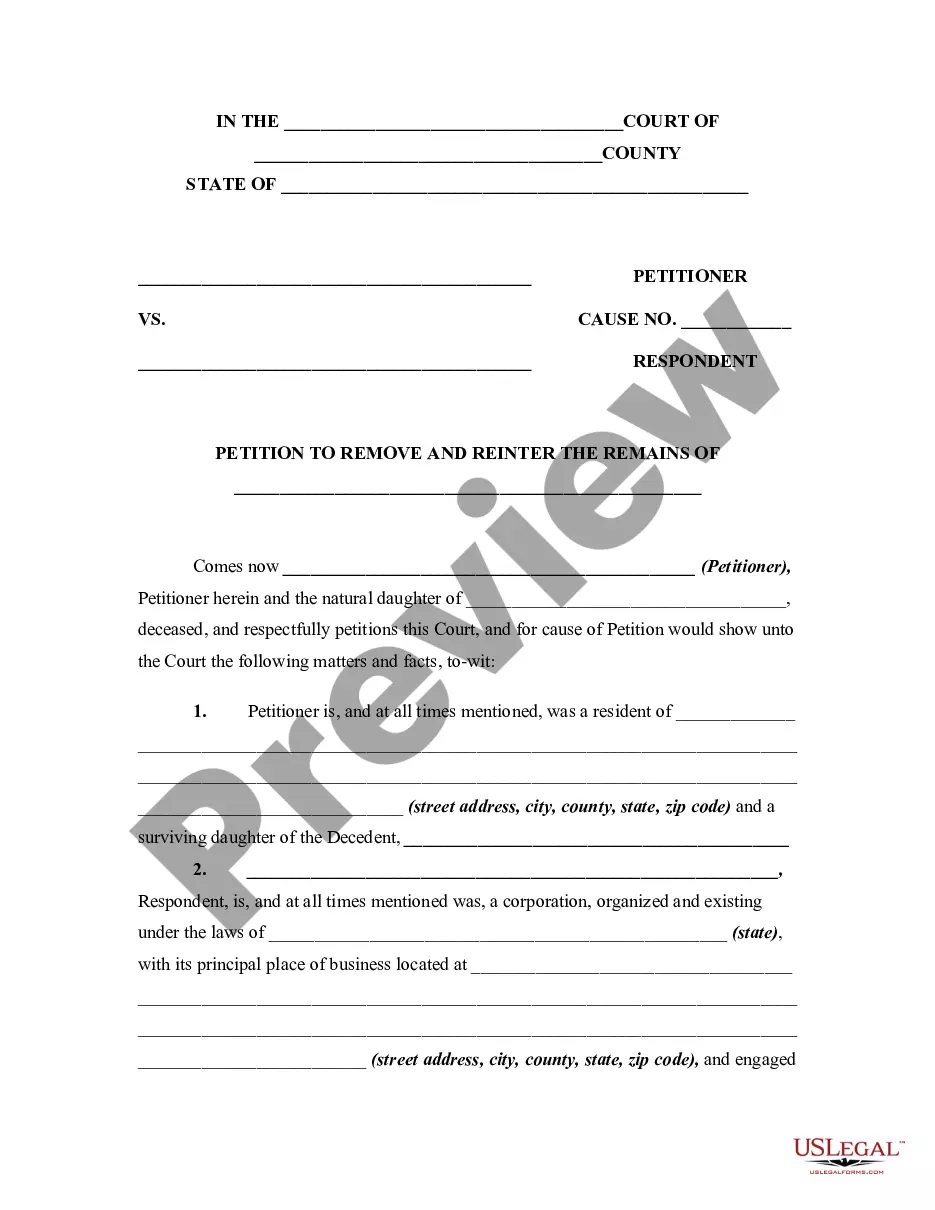
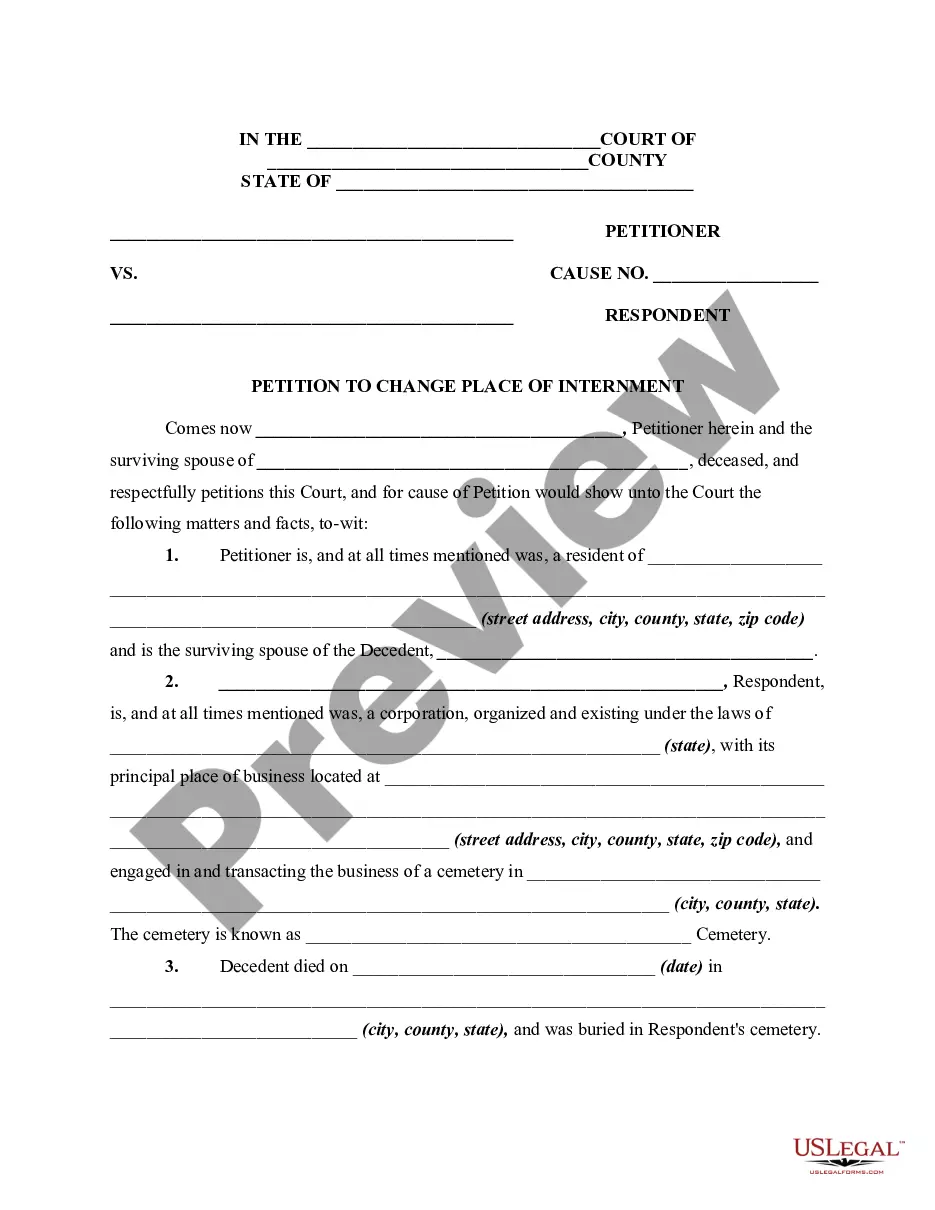
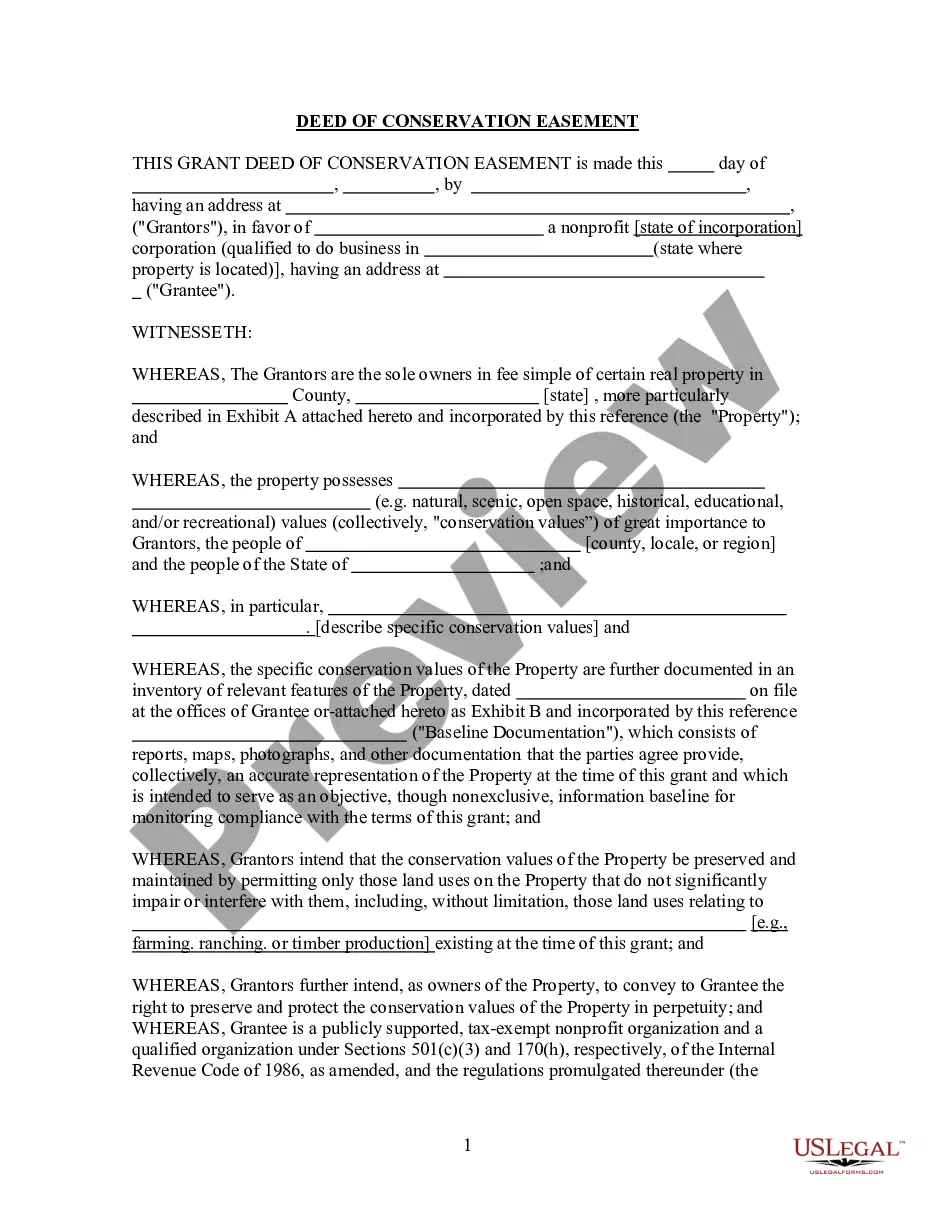
Get your form ready online
Our built-in tools help you complete, sign, share, and store your documents in one place.
Make edits, fill in missing information, and update formatting in US Legal Forms—just like you would in MS Word.
Download a copy, print it, send it by email, or mail it via USPS—whatever works best for your next step.
Sign and collect signatures with our SignNow integration. Send to multiple recipients, set reminders, and more. Go Premium to unlock E-Sign.
If this form requires notarization, complete it online through a secure video call—no need to meet a notary in person or wait for an appointment.
We protect your documents and personal data by following strict security and privacy standards.

Make edits, fill in missing information, and update formatting in US Legal Forms—just like you would in MS Word.

Download a copy, print it, send it by email, or mail it via USPS—whatever works best for your next step.

Sign and collect signatures with our SignNow integration. Send to multiple recipients, set reminders, and more. Go Premium to unlock E-Sign.

If this form requires notarization, complete it online through a secure video call—no need to meet a notary in person or wait for an appointment.

We protect your documents and personal data by following strict security and privacy standards.
Looking for another form?









Form popularity
FAQ
How to Transfer Ownership of a Burial Plot Step 1 – Get the Deed From the Cemetery. Step 2 – Review the State and Local Laws. Step 3 – Prove You Are the Current Owner. Step 4 – Fill Out the Cemetery Plot Deed Transfer Form. Step 5 – Complete the Transfer and Get the New Deed.
Cemetery deed forms are documents that are used to transfer ownership of a burial plot. They include information such as the name of the buyer, the name of the seller, the name of the cemetery, the plot number, and the section or block where the plot is located.
And public records. Let's get started can a cemetery move a grave without permission. No a cemeteryMoreAnd public records. Let's get started can a cemetery move a grave without permission. No a cemetery cannot move a grave without permission.
There are no laws that prohibit home burial. You must check local zoning laws before establishing a home cemetery or burying on private land. It is legally required to hire a Funeral Director to handle certain parts of the funeral.
No. Cemetery property is owned by the cemetery corporation. The real property is not sold. The lot “owner” receives three privileges: the right of burial, the right to memorialize and the right to vote at lot owner meetings.
The maintenance and upkeep of the cemetery is the responsibility of the cemetery owner/manager.
The maximum permitted impervious coverage in the applicable zones (R-45, R-30, R-15 and R-10) is 40%. Note: The square footage calculation in I must be less than or equal to the square footage calculation in B or a Bulk Variance Application before the Board of Adjustment will be required.
Graveyards are traditionally run by a church and located on the churchyard, or on the grounds or campus of a church. Cemeteries, on the other hand, are generally not associated with any particular church but are, instead, run by a council and located apart from any particular church.
If you've considered asking, “how long do you stay buried in a cemetery?” the answer is typically 100 years or more. Plots are sold for 50 to 100 years, but it's unusual to remove anyone from the burial grounds unless the need for space requires it.