Petition To Set Aside Estate Without Administration In Tarrant
Description

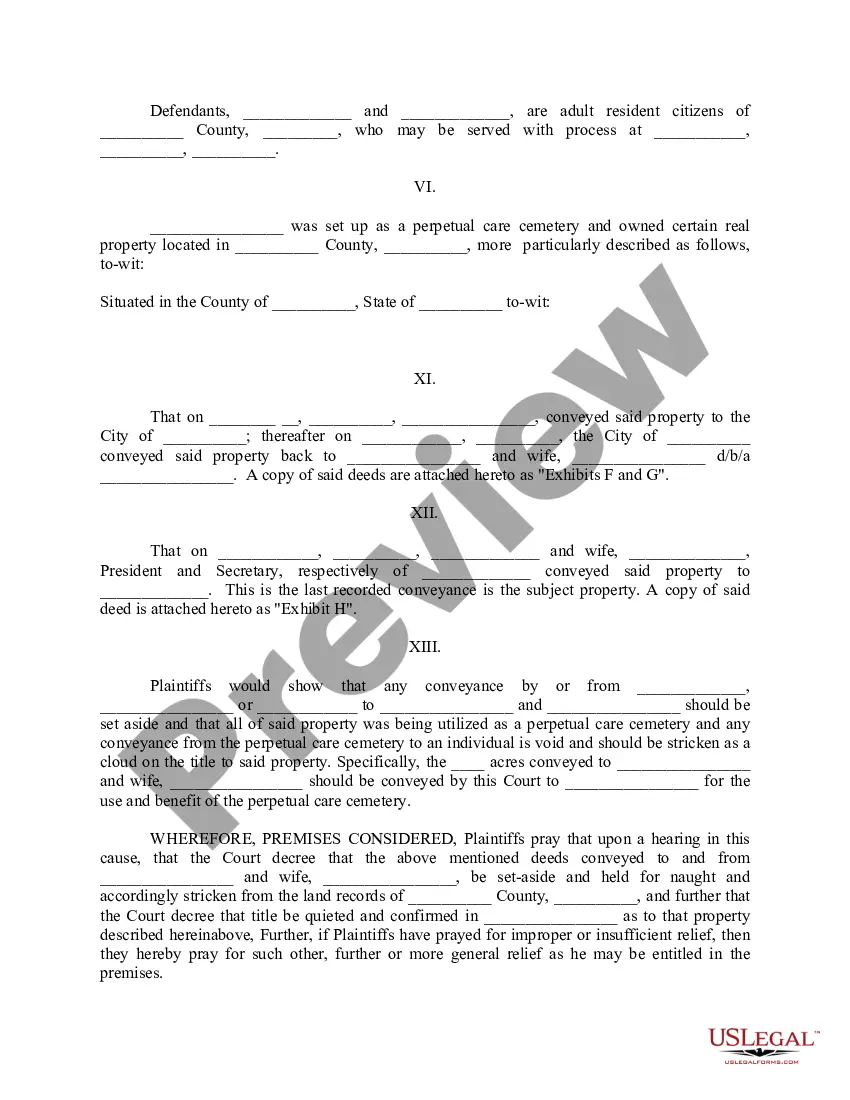
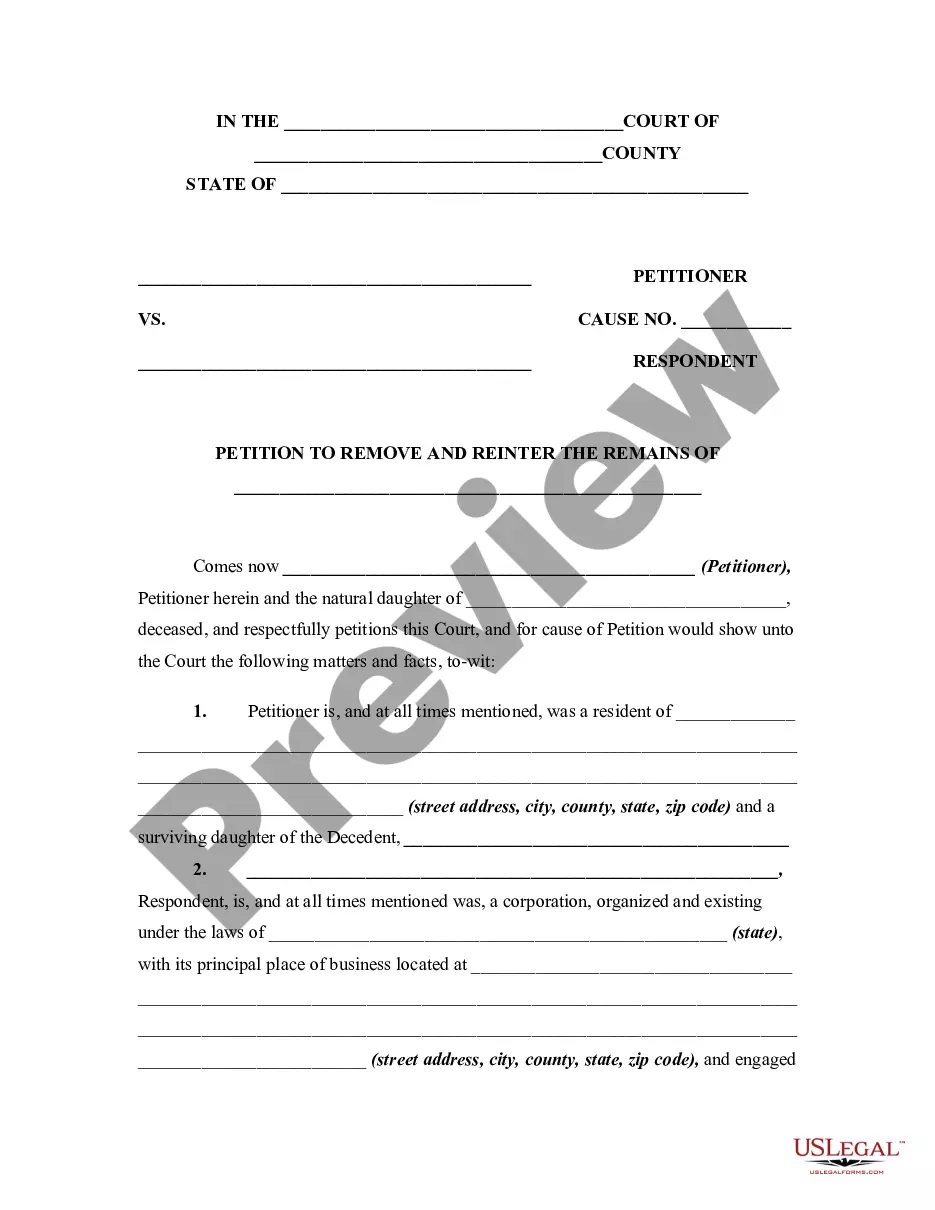
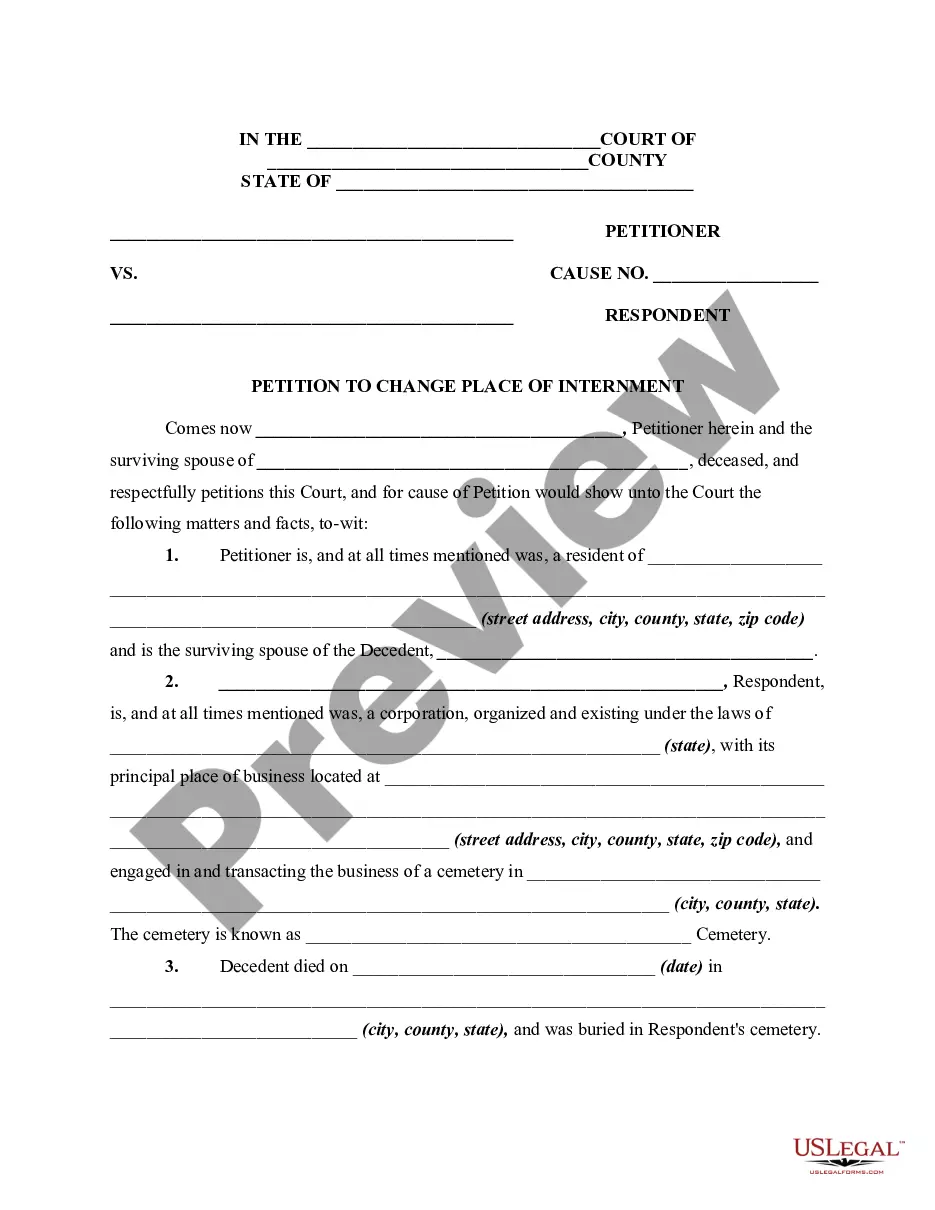
Get your form ready online
Our built-in tools help you complete, sign, share, and store your documents in one place.
Make edits, fill in missing information, and update formatting in US Legal Forms—just like you would in MS Word.
Download a copy, print it, send it by email, or mail it via USPS—whatever works best for your next step.
Sign and collect signatures with our SignNow integration. Send to multiple recipients, set reminders, and more. Go Premium to unlock E-Sign.
If this form requires notarization, complete it online through a secure video call—no need to meet a notary in person or wait for an appointment.
We protect your documents and personal data by following strict security and privacy standards.

Make edits, fill in missing information, and update formatting in US Legal Forms—just like you would in MS Word.

Download a copy, print it, send it by email, or mail it via USPS—whatever works best for your next step.

Sign and collect signatures with our SignNow integration. Send to multiple recipients, set reminders, and more. Go Premium to unlock E-Sign.

If this form requires notarization, complete it online through a secure video call—no need to meet a notary in person or wait for an appointment.

We protect your documents and personal data by following strict security and privacy standards.
Looking for another form?



Form popularity
FAQ
Potential situations where someone might sue an estate for pain and suffering include car accidents, medical malpractice, workplace accidents, and product liability cases. In each situation, it must be proven that the defendant's actions or negligence directly caused the deceased person's pain and suffering.
An estate may be exempt from the probate process in certain circumstances. Under Texas Estates Code, Title 2, Chapter 205, an estate need not pass through the probate process if there is no will and the total value of the estate (not counting any homestead real estate owned by the Decedent) is $75,000 or less.
Federal and state laws allow for creditor attachment to an estate. A lien claim is a debt collection order that can impact the value of an estate when become effective.
Time Frame For Suing An Estate The California statute of limitations requires filing the lawsuit within 40 days from the defendant's death. Missing this timeline can affect the outcome of the case.
Submit your claim directly to the probate court and serve a copy on the personal representative. If you file a formal claim and the personal representative rejects it, you can file suit against the estate within three months of the rejection.
To make a claim in an estate, the creditor must go through the court system. The creditor first files a Statement of Claim in the probate matter for the decedent, or the person who died.
What is nonprobate property? Assets with Designated Beneficiaries. This can include life insurance, retirement accounts like 401(k) and IRAs, payable-on-death (POD) bank accounts, transfer-on-death deeds (TODDs), etc. Joint Ownership with Right of Survivorship. Real Property with a Life Estate Deed. Living Trusts.
Reduced court supervision: In an independent administration, the personal representative appointed to administer the estate is not supervised by the probate court, which means there is less court involvement and oversight. This can make the probate process faster, simpler, and less expensive.
A transfer on death deed (TODD) is a legal document that allows a person to transfer ownership of their property after they die. By using a TODD, a person can transfer the property directly without going through probate.
Each county has its own specific form for the small estate affidavit, so obtain the form from the website or office of the probate court in the county in which your loved one was a resident. Although each form is slightly different, they all require the following information: Name and address of decedent. Date of death.