Conveyance Cemetery Without A Deed In Salt Lake
Description
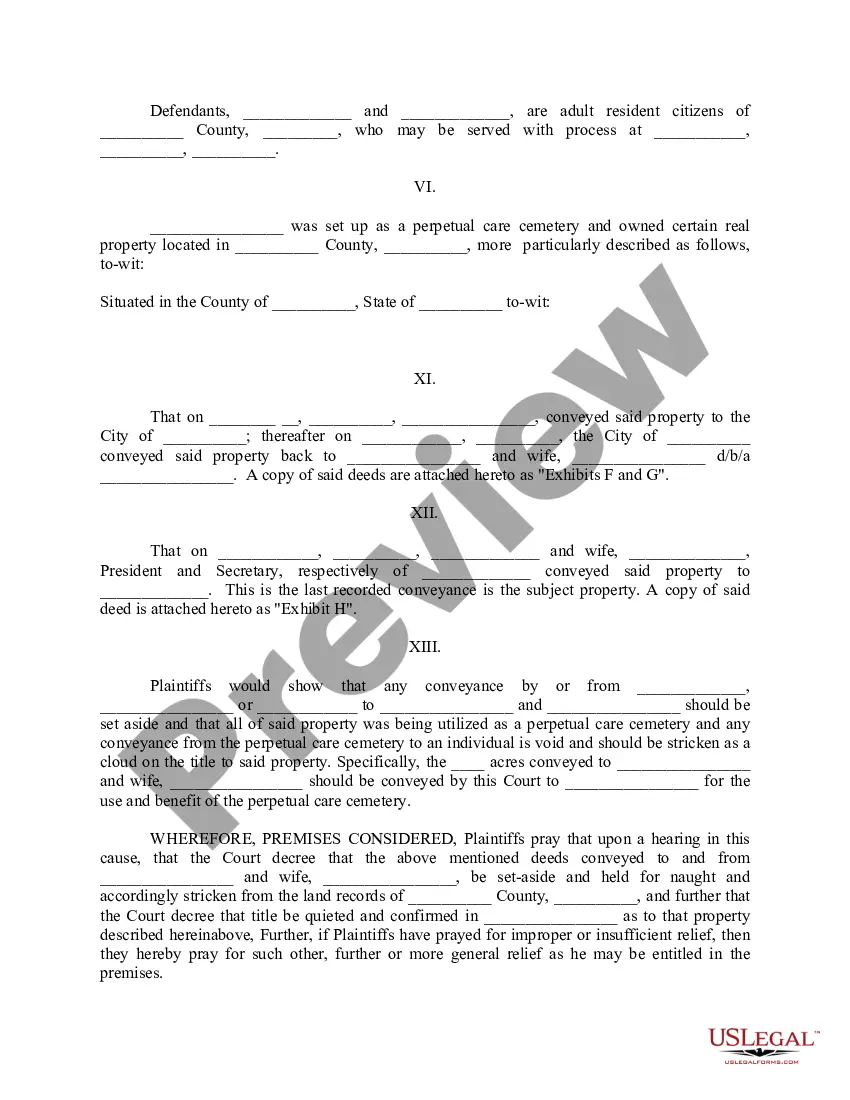

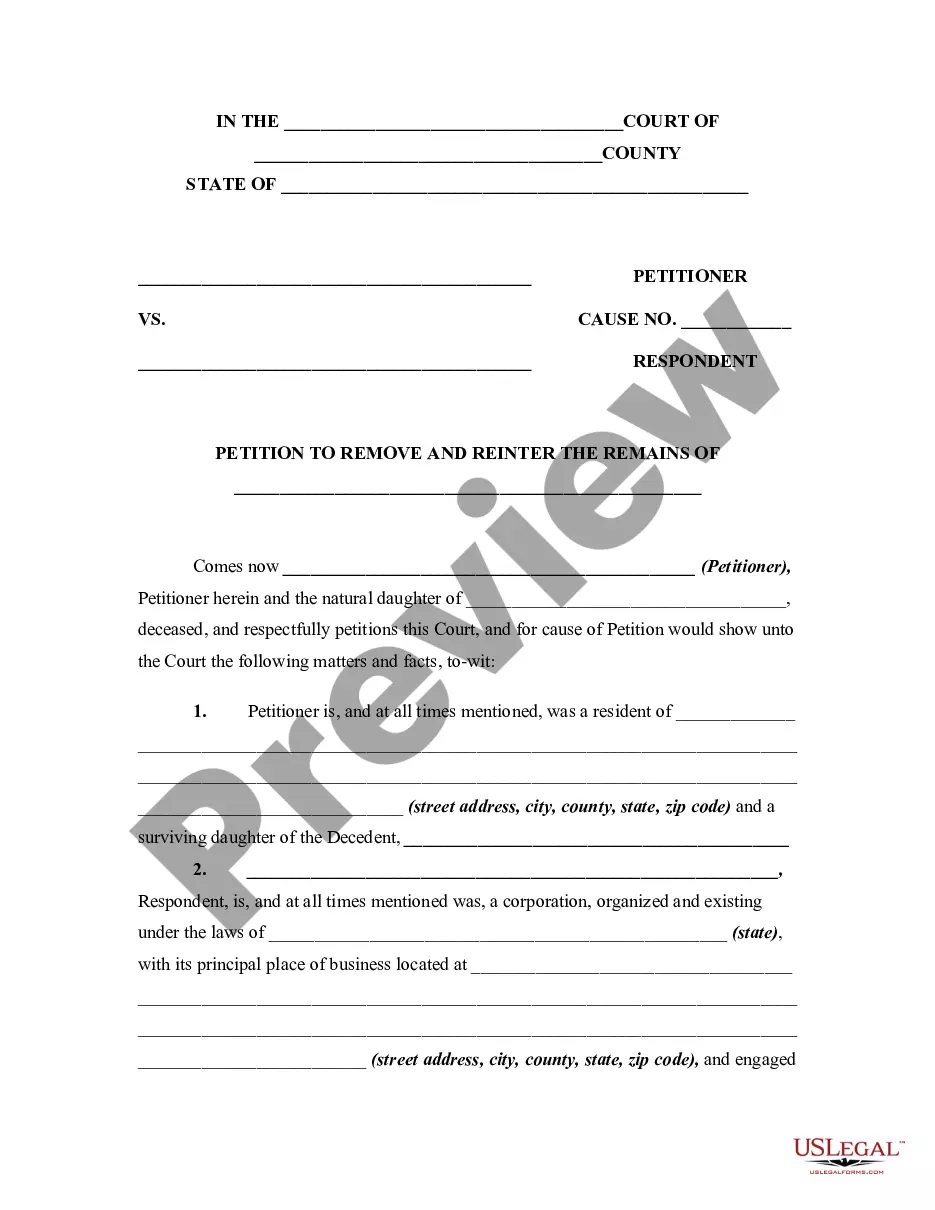
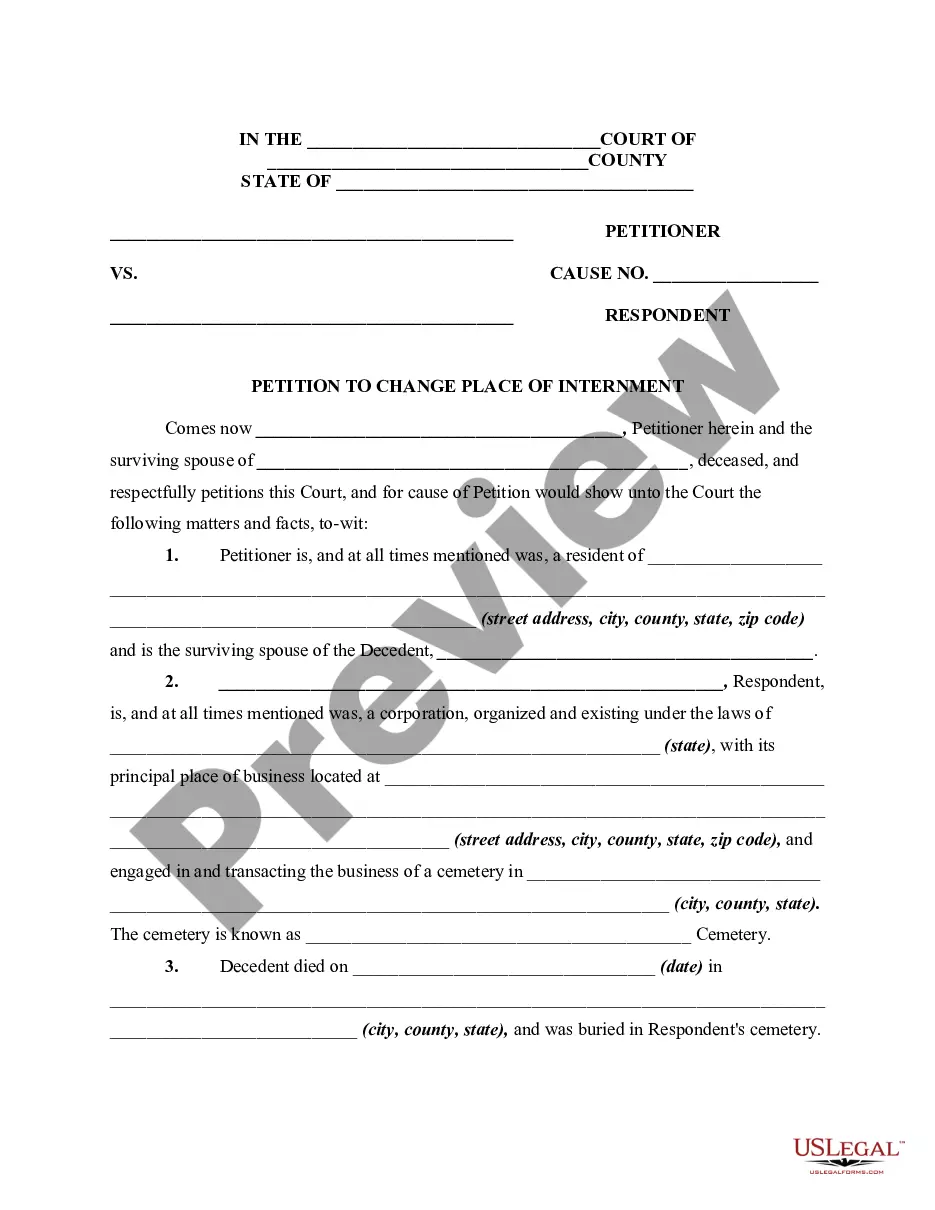
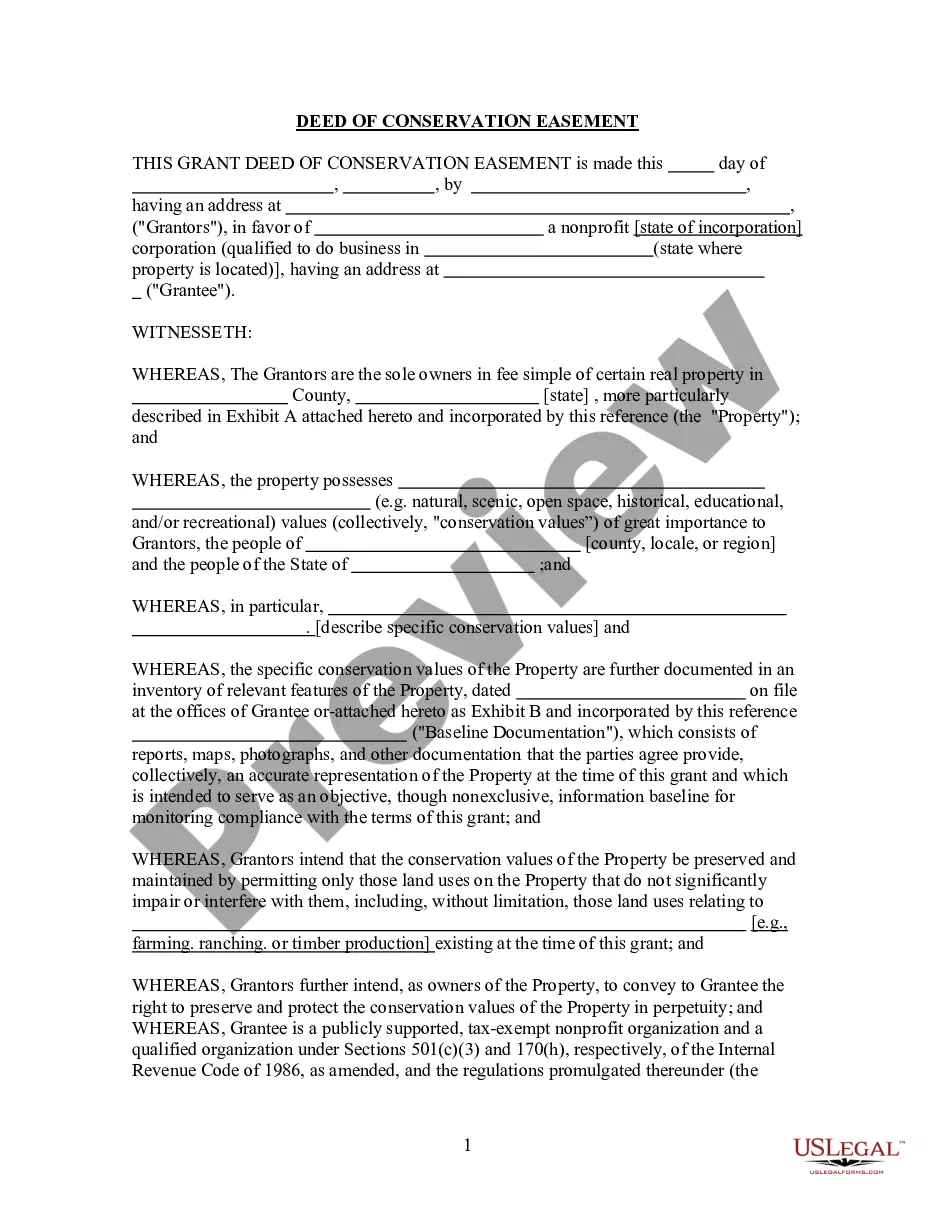
Get your form ready online
Our built-in tools help you complete, sign, share, and store your documents in one place.
Make edits, fill in missing information, and update formatting in US Legal Forms—just like you would in MS Word.
Download a copy, print it, send it by email, or mail it via USPS—whatever works best for your next step.
Sign and collect signatures with our SignNow integration. Send to multiple recipients, set reminders, and more. Go Premium to unlock E-Sign.
If this form requires notarization, complete it online through a secure video call—no need to meet a notary in person or wait for an appointment.
We protect your documents and personal data by following strict security and privacy standards.

Make edits, fill in missing information, and update formatting in US Legal Forms—just like you would in MS Word.

Download a copy, print it, send it by email, or mail it via USPS—whatever works best for your next step.

Sign and collect signatures with our SignNow integration. Send to multiple recipients, set reminders, and more. Go Premium to unlock E-Sign.

If this form requires notarization, complete it online through a secure video call—no need to meet a notary in person or wait for an appointment.

We protect your documents and personal data by following strict security and privacy standards.
Looking for another form?








Form popularity
FAQ
This Quit Claim Deed outlines the transfer of property rights for a tract of land in Salt Lake County, Utah. It includes information about the land boundaries and usage restrictions. This document is essential for those involved in property transactions and land use in Utah.
A Utah quit claim deed allows a grantor to transfer property to a grantee even if there is no clear title. The legal description of the property, the names and addresses of the grantor and grantee, the monies due to the grantor, and the notarized signature of the grantor are the minimum requirements for all counties.
Quitclaim deed transfers are ideal for: transferring property interest between family members, such as a parent to a child. transferring property between married persons, as is the case when one party brings property into the marriage.
One of the main drawbacks of using a quitclaim deed is that you have little to no legal recourse if the grantor didn't actually have a legal interest in the property to give away. This is the risk you take with a quitclaim deed that doesn't offer any warranties.
Quitclaims, waivers, or releases by employees are generally looked upon with disfavor and are commonly frowned upon by the courts, since they are usually contrary to public policy, ineffective, and are meant to bar claims to an employee's legal rights.
There are no laws that prohibit home burial. You must check local zoning laws before establishing a home cemetery or burying on private land. It is legally required to hire a Funeral Director to handle certain parts of the funeral.
While the cemetery retains ownership of the land, you are purchasing the right to use the land for a burial. However, some locations in the United States can potentially reclaim the space if there has been no activity with the space for an extended period of time.
Often, a cemetery will issue a ``deed'' at the sale of a grave space or lot of graves. This deed is NOT an issuance of any real estate. It is, in fact, a promissory note which prevents the cemetery from using that, particular space to bury anyone else.
How to Transfer Ownership of a Burial Plot Step 1 – Get the Deed From the Cemetery. Step 2 – Review the State and Local Laws. Step 3 – Prove You Are the Current Owner. Step 4 – Fill Out the Cemetery Plot Deed Transfer Form. Step 5 – Complete the Transfer and Get the New Deed.