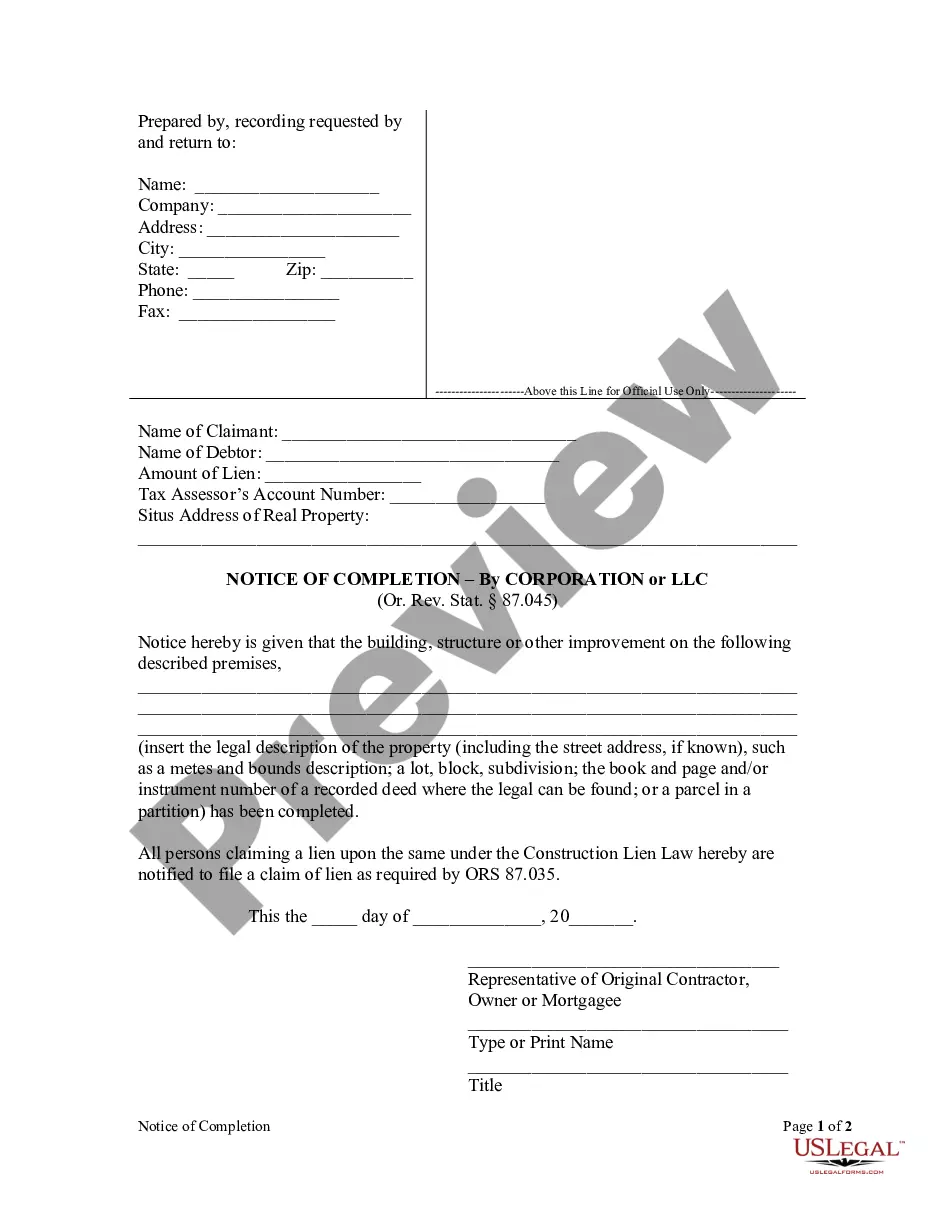
Conveyance Cemetery Without A Deed In Philadelphia
Description

Get your form ready online
Our built-in tools help you complete, sign, share, and store your documents in one place.
Make edits, fill in missing information, and update formatting in US Legal Forms—just like you would in MS Word.
Download a copy, print it, send it by email, or mail it via USPS—whatever works best for your next step.
Sign and collect signatures with our SignNow integration. Send to multiple recipients, set reminders, and more. Go Premium to unlock E-Sign.
If this form requires notarization, complete it online through a secure video call—no need to meet a notary in person or wait for an appointment.
We protect your documents and personal data by following strict security and privacy standards.

Make edits, fill in missing information, and update formatting in US Legal Forms—just like you would in MS Word.

Download a copy, print it, send it by email, or mail it via USPS—whatever works best for your next step.

Sign and collect signatures with our SignNow integration. Send to multiple recipients, set reminders, and more. Go Premium to unlock E-Sign.

If this form requires notarization, complete it online through a secure video call—no need to meet a notary in person or wait for an appointment.

We protect your documents and personal data by following strict security and privacy standards.
Looking for another form?






Form popularity
FAQ
While it is not legally mandatory that an attorney file your quit claim deed, an attorney can help with ensuring that the quitclaim deed is properly drafted and filed, and that you take advantage of any tax exemptions or benefits that may be available to you.
While it's technically possible to prepare a quitclaim deed yourself, given the legal and financial implications, it's generally recommended to seek professional assistance to ensure the process is handled accurately and efficiently.
Quitclaim deeds should be filed at the Recorder of Deeds Office in the county where the property is located. Each county in Pennsylvania can assign its own fees and may have its own rules for filing the deed, so the grantor and grantee should consult their local office before moving forward with a quitclaim deed.
The seller's attorney will give the original deed to the buyer's attorney at closing. That original then gets recorded at the clerk's office of the local municipality. The clerk's office scans and records the document into the land records and then sends it to the buyer or their attorney.
Checklist: Preparing and Recording Your Quitclaim Deed Fill in the deed form. Print it out. Have the grantor(s) and grantee(s) sign and get the signature(s) notarized. Fill out a Statement of Value form, if necessary. Get the Uniform Parcel Number (UPI) on the deed certified, if required by your county.
Quitclaims, waivers, or releases by employees are generally looked upon with disfavor and are commonly frowned upon by the courts, since they are usually contrary to public policy, ineffective, and are meant to bar claims to an employee's legal rights.
The short answer is: You, the homeowner, typically hold the deed to your house, even when you have a mortgage.
Once recorded, the deed is returned to the new owner who usually deposits it in a safe place with his or her important papers. However, if misplaced or lost, a copy may be obtained from the Recorder's Office and certified with the Recorder's signature and official stamp or seal. This will suffice for the original deed.
The seller's attorney will give the original deed to the buyer's attorney at closing. That original then gets recorded at the clerk's office of the local municipality. The clerk's office scans and records the document into the land records and then sends it to the buyer or their attorney.