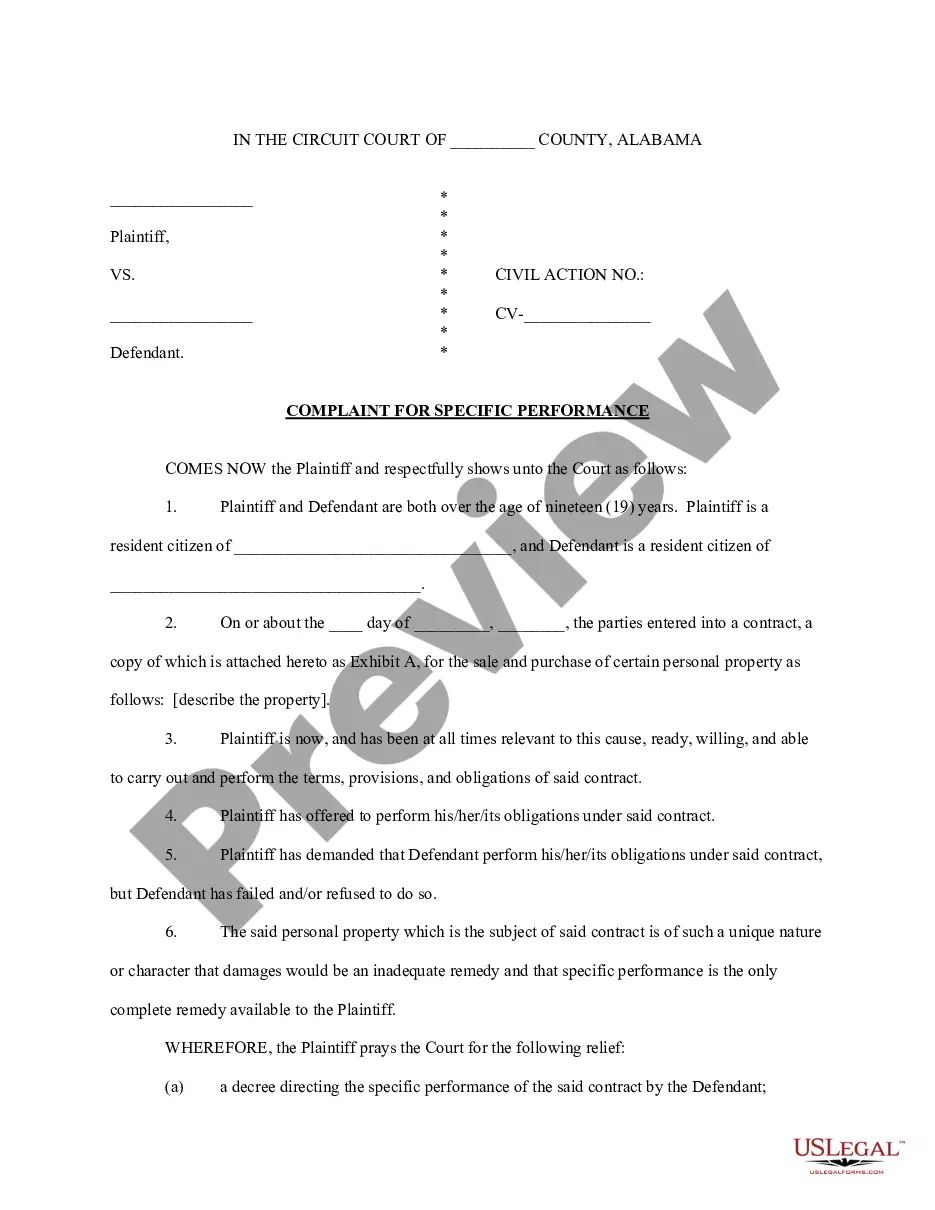
Conveyance Cemetery Without A Permit In Oakland
Description
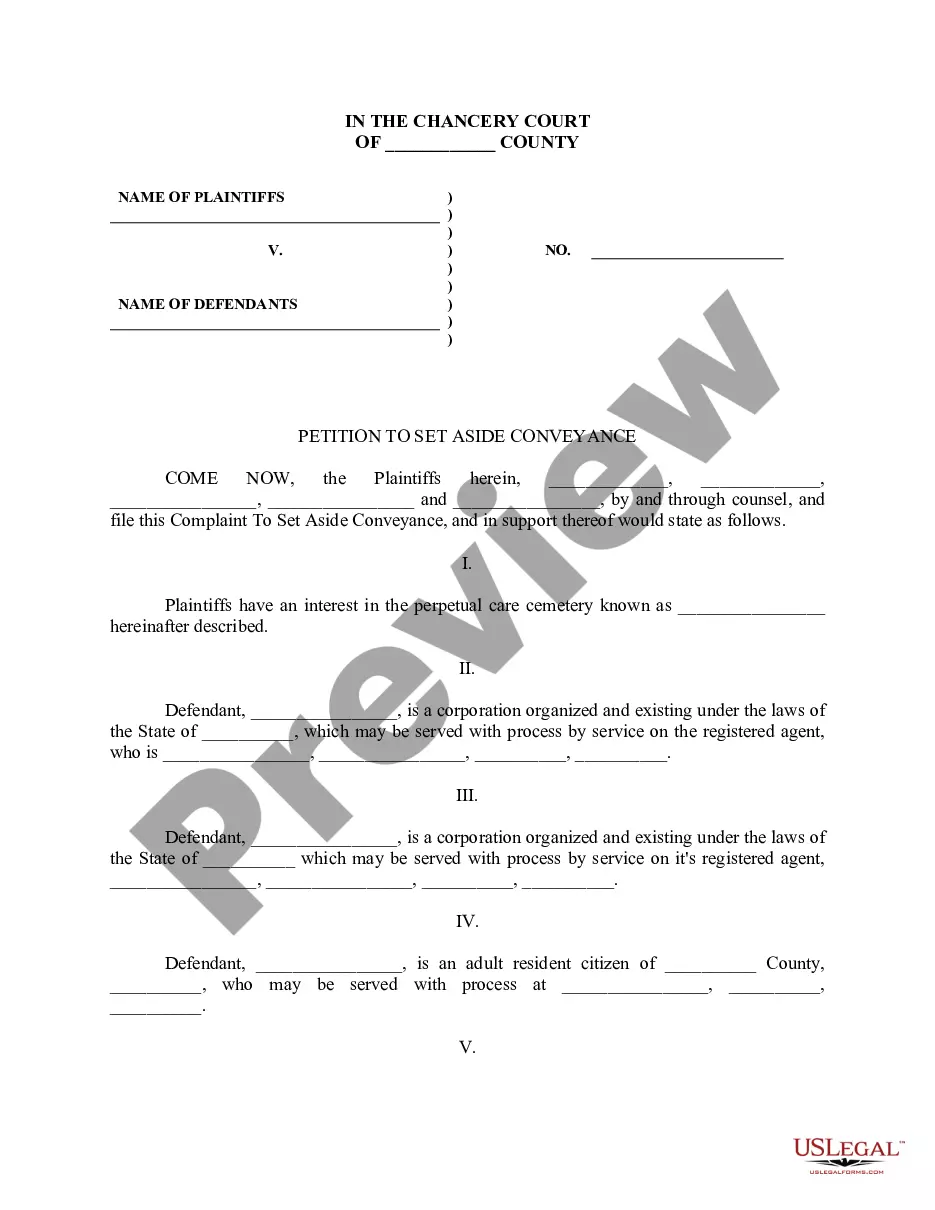
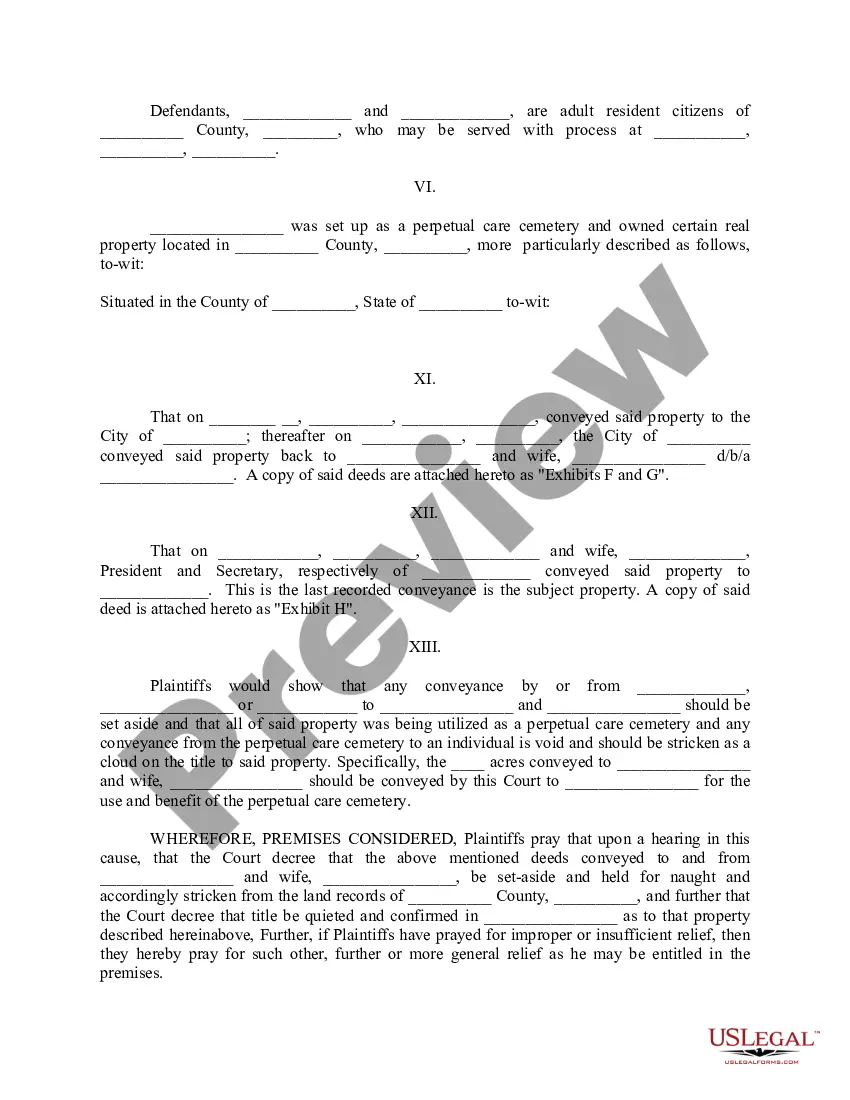

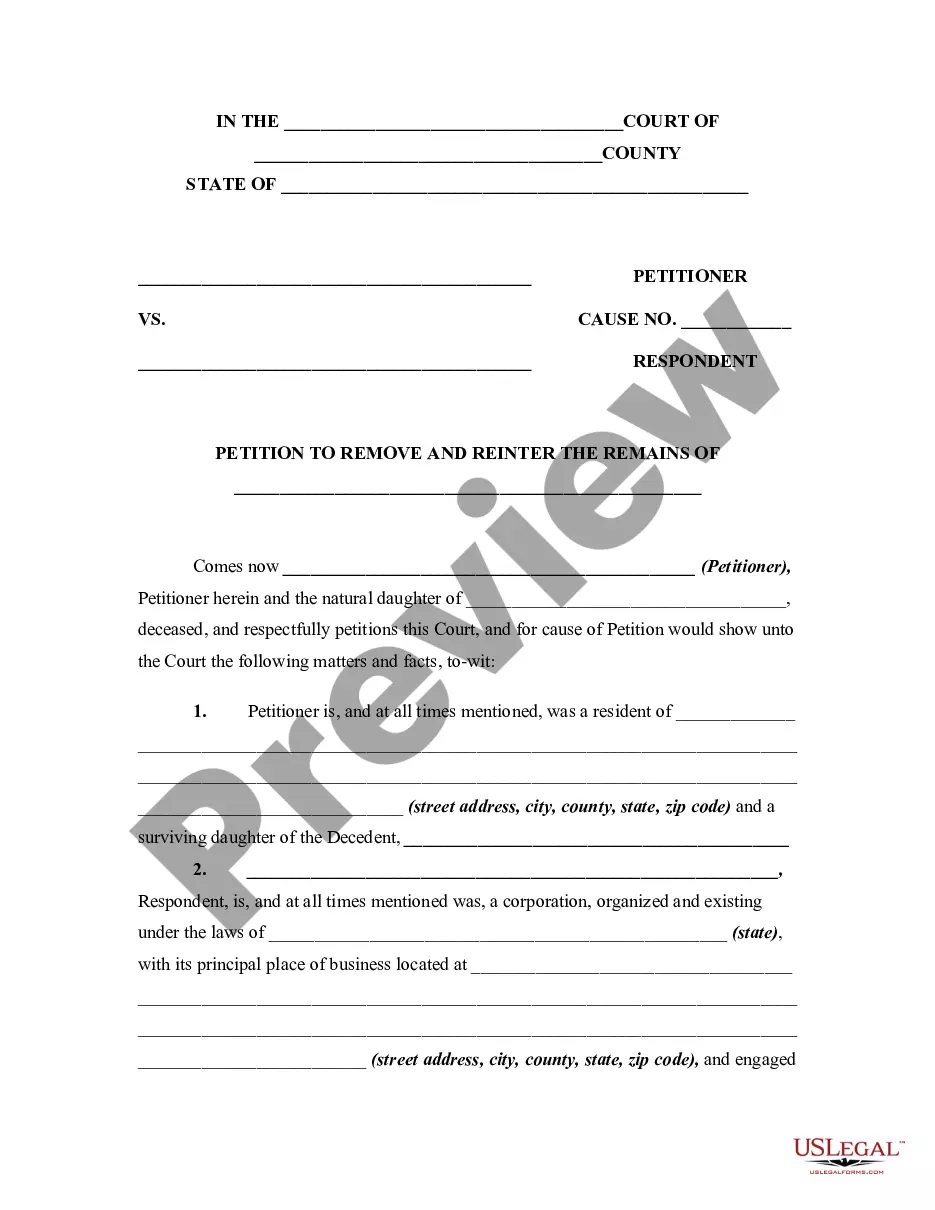
Get your form ready online
Our built-in tools help you complete, sign, share, and store your documents in one place.
Make edits, fill in missing information, and update formatting in US Legal Forms—just like you would in MS Word.
Download a copy, print it, send it by email, or mail it via USPS—whatever works best for your next step.
Sign and collect signatures with our SignNow integration. Send to multiple recipients, set reminders, and more. Go Premium to unlock E-Sign.
If this form requires notarization, complete it online through a secure video call—no need to meet a notary in person or wait for an appointment.
We protect your documents and personal data by following strict security and privacy standards.

Make edits, fill in missing information, and update formatting in US Legal Forms—just like you would in MS Word.

Download a copy, print it, send it by email, or mail it via USPS—whatever works best for your next step.

Sign and collect signatures with our SignNow integration. Send to multiple recipients, set reminders, and more. Go Premium to unlock E-Sign.

If this form requires notarization, complete it online through a secure video call—no need to meet a notary in person or wait for an appointment.

We protect your documents and personal data by following strict security and privacy standards.
Looking for another form?
Form popularity
FAQ
If a family wants to bury their deceased on private property, they must establish a private burial ground. In order to do this, the land must be inspected and then recorded in the county's registrar's office, but will then be exempt from taxes.
There are a few licenses and permits you'll need to start a cemetery. You'll need a business license, a cemetery license, and a permit to bury human remains. You may also need a zoning permit, depending on where you plan to locate your cemetery.
There are no laws that prohibit home burial, but you must check local zoning laws before establishing a home cemetery or burying on private land. Must be embalmed OR refrigerated after 24 hours. Reporting of contagious or communicable disease to attending physician is recommended.
There are no laws that prohibit home burial. You must check local zoning laws before establishing a home cemetery or burying on private land. It is legally required to hire a Funeral Director to handle certain parts of the funeral.
Can You Bury a Body on Your Private Property in Michigan? Before conducting a backyard burial or establishing a family cemetery, you will need zoning approval and a permit from the local health department.
And public records. Let's get started can a cemetery move a grave without permission. No a cemeteryMoreAnd public records. Let's get started can a cemetery move a grave without permission. No a cemetery cannot move a grave without permission.
Yes, you have to report a dead body. If you just bury them in the backyard, you would likely face criminal charges once it gets found out. Abuse of a corpse or similar. There would also be a high degree of suspicion on why you didn't report the death.
Sec. 12. (1) A person shall not establish a cemetery without a valid permit or operate an existing cemetery except under a valid registration issued under this act.
Most projects, like replacing a window, adding to a building, or building something new, need a review and permits. Permits make sure the work is safe and follows City of Oakland Planning and Building Codes and California building rules.