Conveyance Cemetery Without A Will In Minnesota
Description
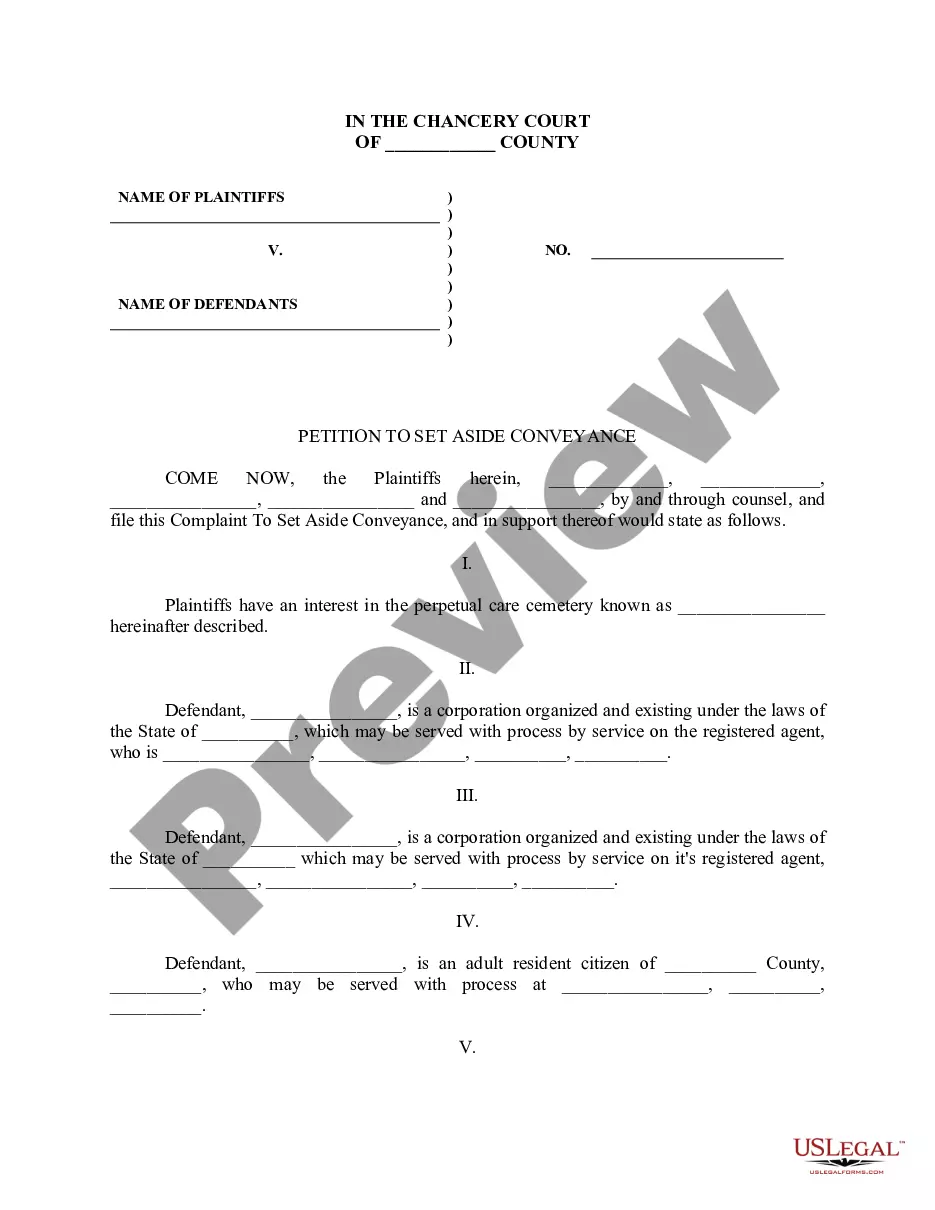
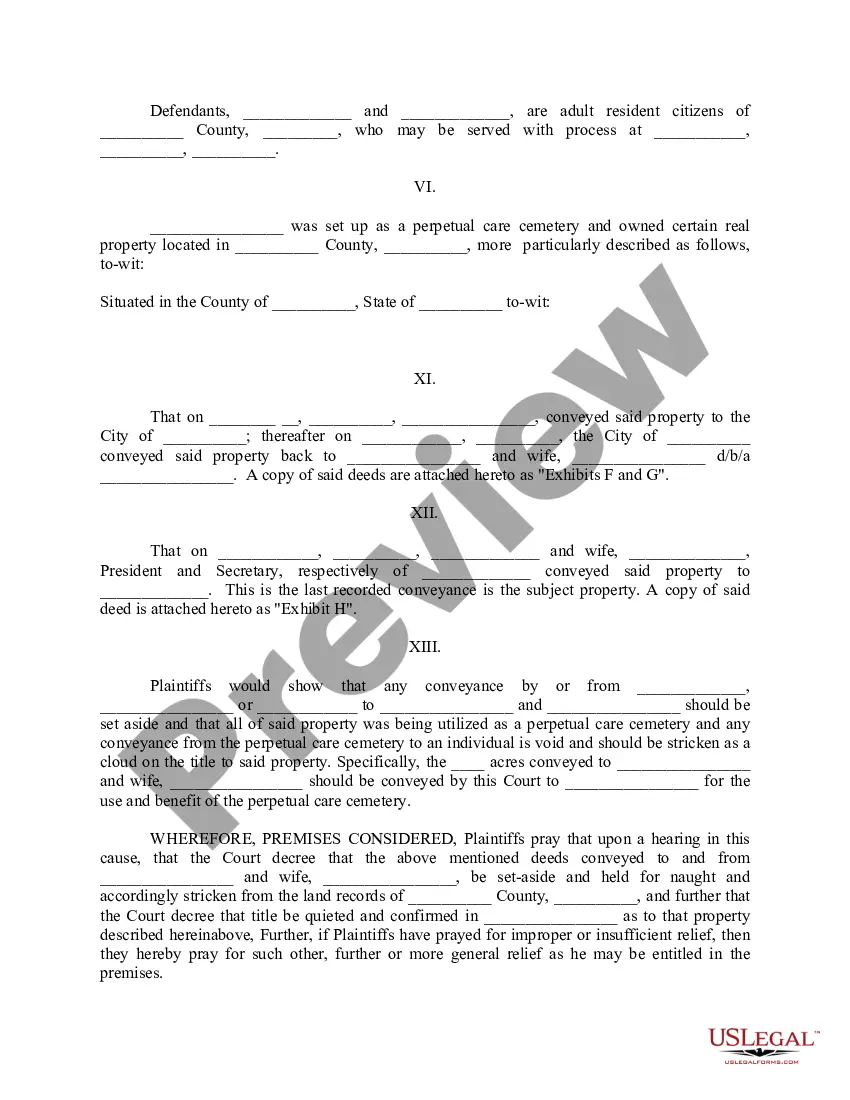

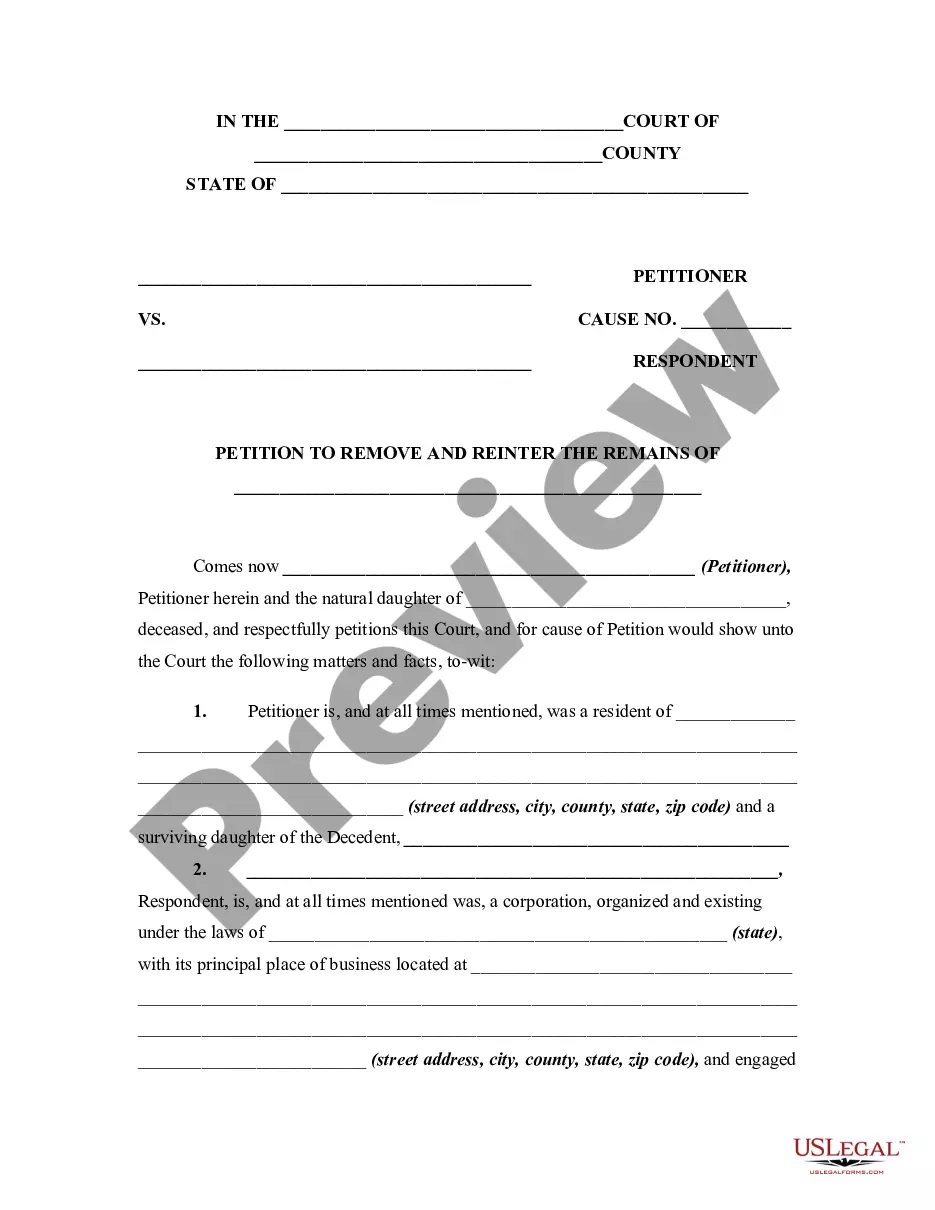
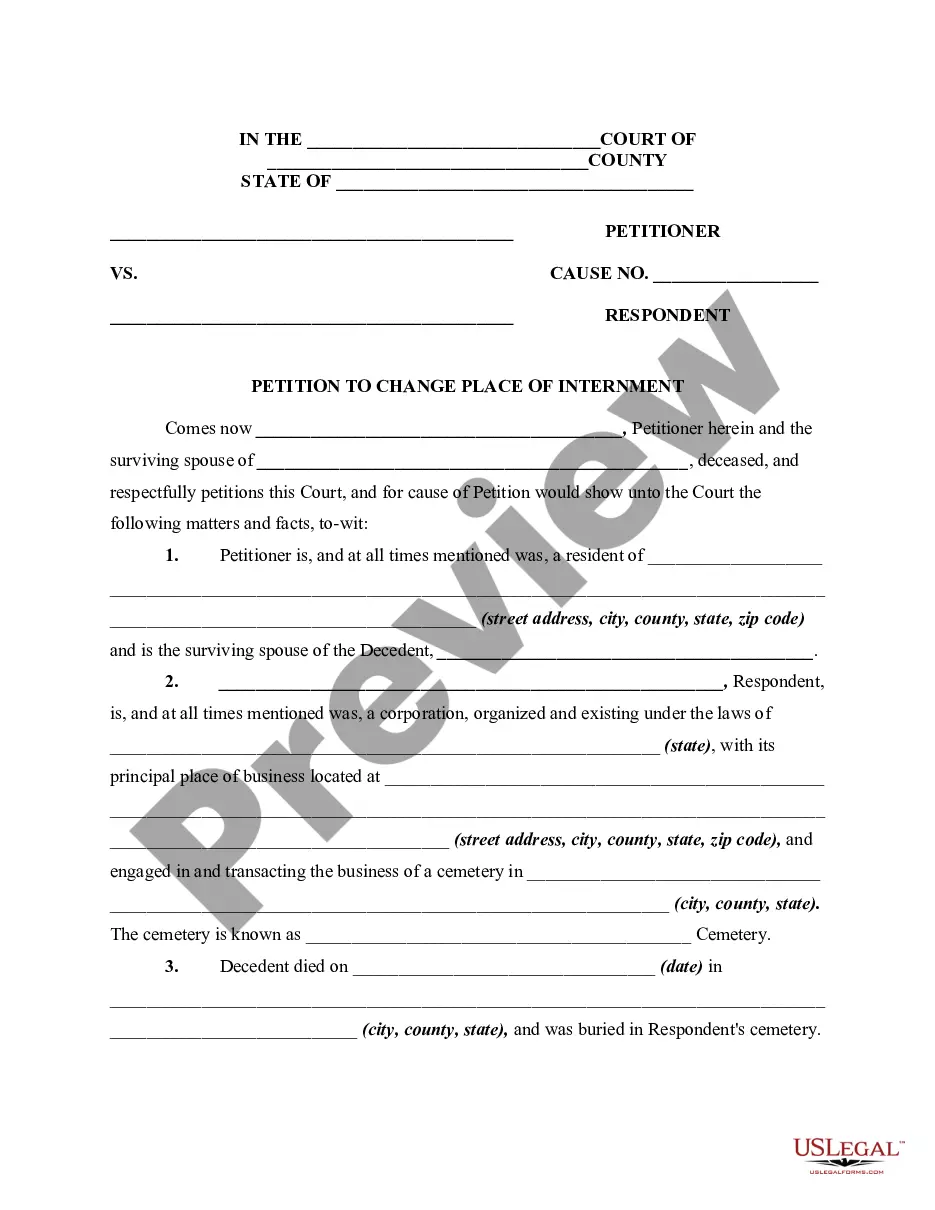
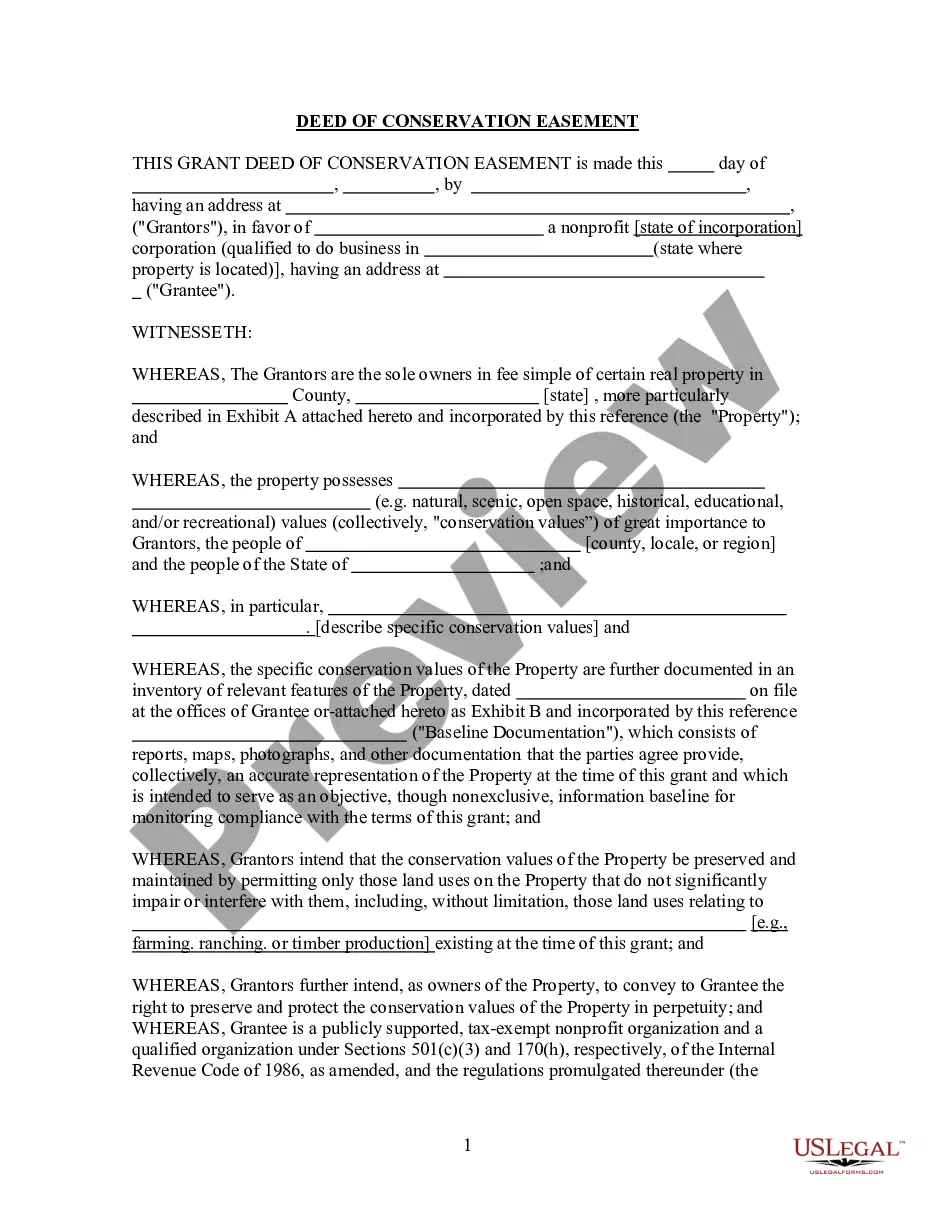
Get your form ready online
Our built-in tools help you complete, sign, share, and store your documents in one place.
Make edits, fill in missing information, and update formatting in US Legal Forms—just like you would in MS Word.
Download a copy, print it, send it by email, or mail it via USPS—whatever works best for your next step.
Sign and collect signatures with our SignNow integration. Send to multiple recipients, set reminders, and more. Go Premium to unlock E-Sign.
If this form requires notarization, complete it online through a secure video call—no need to meet a notary in person or wait for an appointment.
We protect your documents and personal data by following strict security and privacy standards.

Make edits, fill in missing information, and update formatting in US Legal Forms—just like you would in MS Word.

Download a copy, print it, send it by email, or mail it via USPS—whatever works best for your next step.

Sign and collect signatures with our SignNow integration. Send to multiple recipients, set reminders, and more. Go Premium to unlock E-Sign.

If this form requires notarization, complete it online through a secure video call—no need to meet a notary in person or wait for an appointment.

We protect your documents and personal data by following strict security and privacy standards.
Looking for another form?


Form popularity
FAQ
There is no set deadline for transferring property after death in Minnesota, but probate typically takes several months to over a year to complete. The transfer occurs after the probate process is finished and the court approves distribution.
A crypt or group of crypts or burial vaults owned by one person in a public or community mausoleum shall be deemed a cemetery lot.
If you die without a will, Minnesota's inheritance laws will control how your estate will be divided. Your property will go to your spouse or closest relatives. If you have a spouse and children, the property will go to them by a set formula.
Can You Bury Someone on Private Property in Minnesota? Most bodies are buried in established cemeteries, but burial on private property is possible in Minnesota. If you want to establish a private cemetery, you must have the land surveyed and the plat recorded with the deed.
If, after a hearing or disciplinary conference the board determines that misconduct involving sexual contact with a patient or client occurred, the board shall take disciplinary action.
In Minnesota, the statute of limitations varies depending on the type of crime. Some crimes, such as those resulting in the death of the victim, sexual assault of an adult or minor, kidnapping, and labor trafficking of an individual under the age of 18, have no statute of limitations.
Mental health professional scope of practice. A mental health professional must maintain a valid license with the mental health professional's governing health-related licensing board and must only provide services to a client within the scope of practice determined by the applicable health-related licensing board.
If you die without a will, Minnesota's inheritance laws will control how your estate will be divided. Your property will go to your spouse or closest relatives. If you have a spouse and children, the property will go to them by a set formula.
The Private Cemeteries Act is a state Act, which provides legislation respecting private cemeteries, human remains and burial sites in the state of Minnesota, United States.
Can You Bury Someone on Private Property in Minnesota? Most bodies are buried in established cemeteries, but burial on private property is possible in Minnesota. If you want to establish a private cemetery, you must have the land surveyed and the plat recorded with the deed.