Conveyance Cemetery Without A Will In Miami-Dade
Description

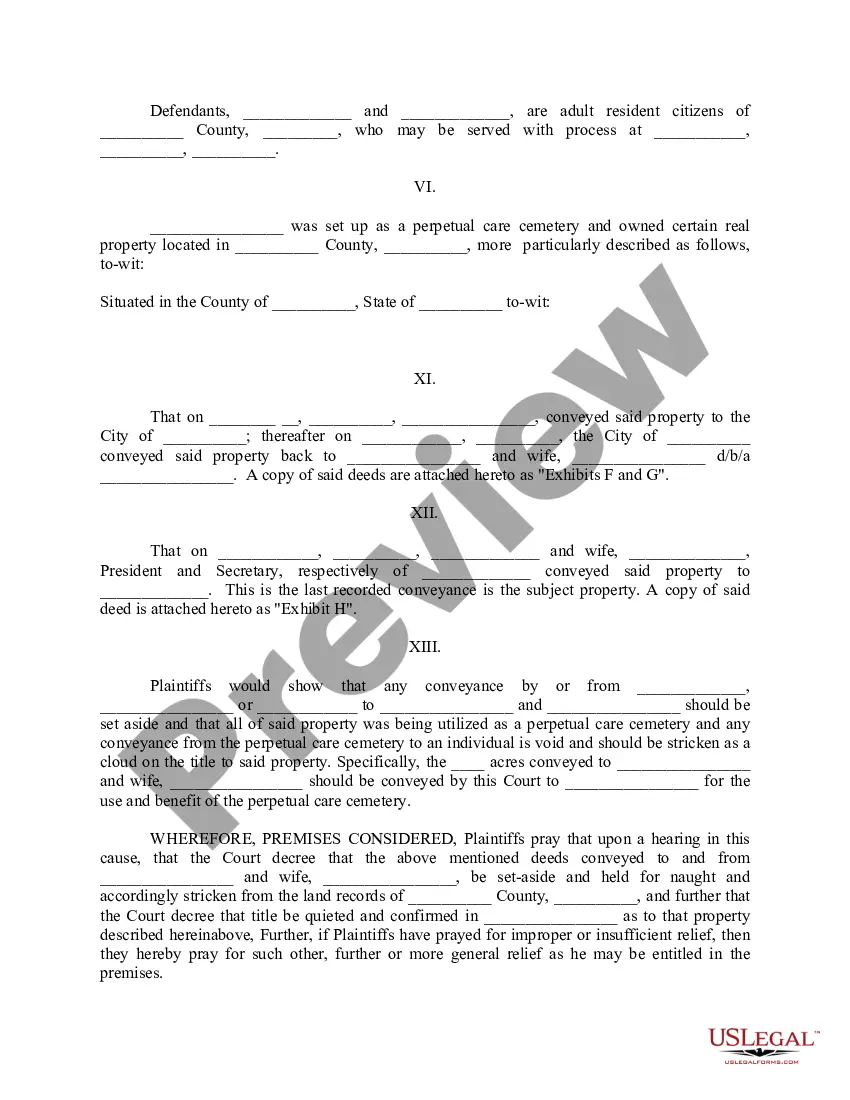

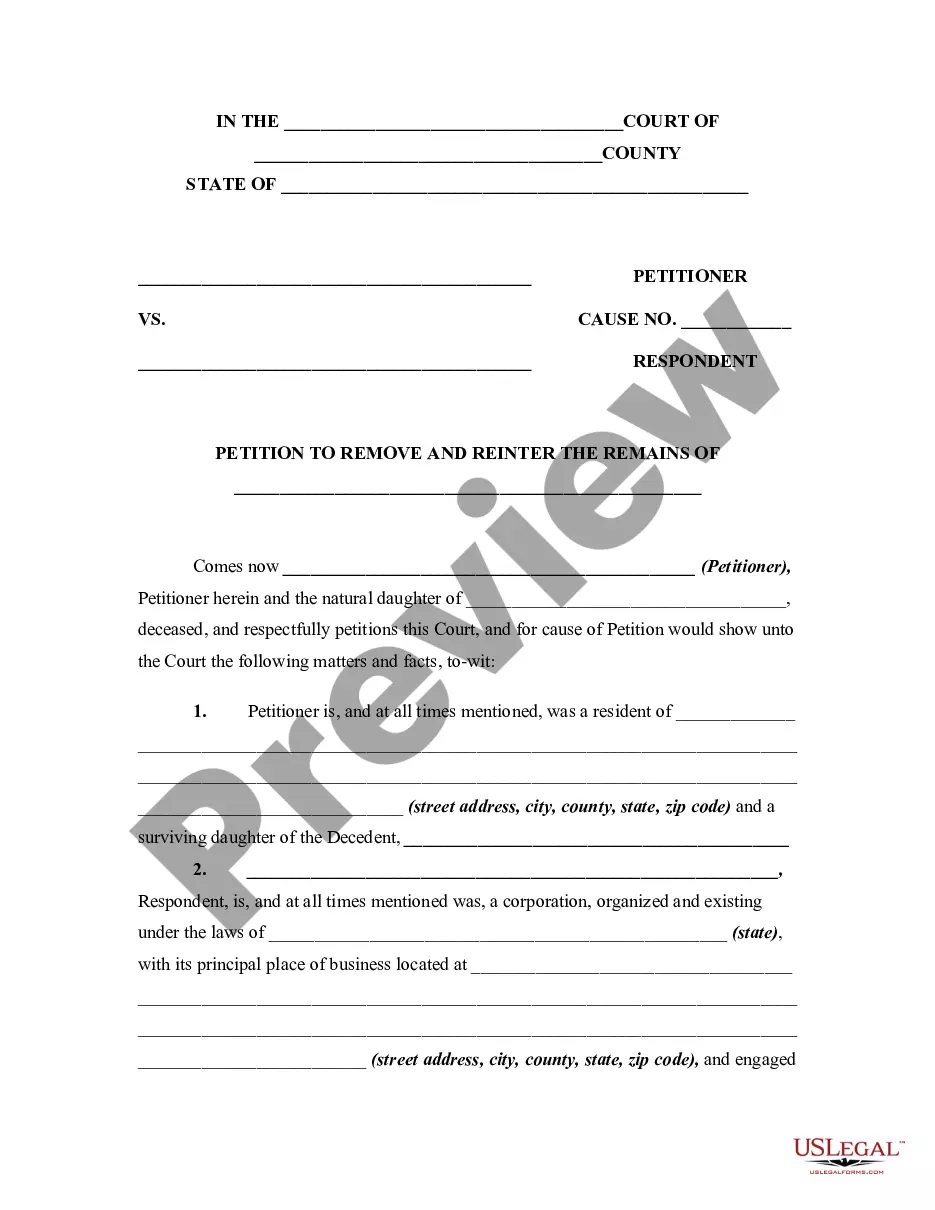
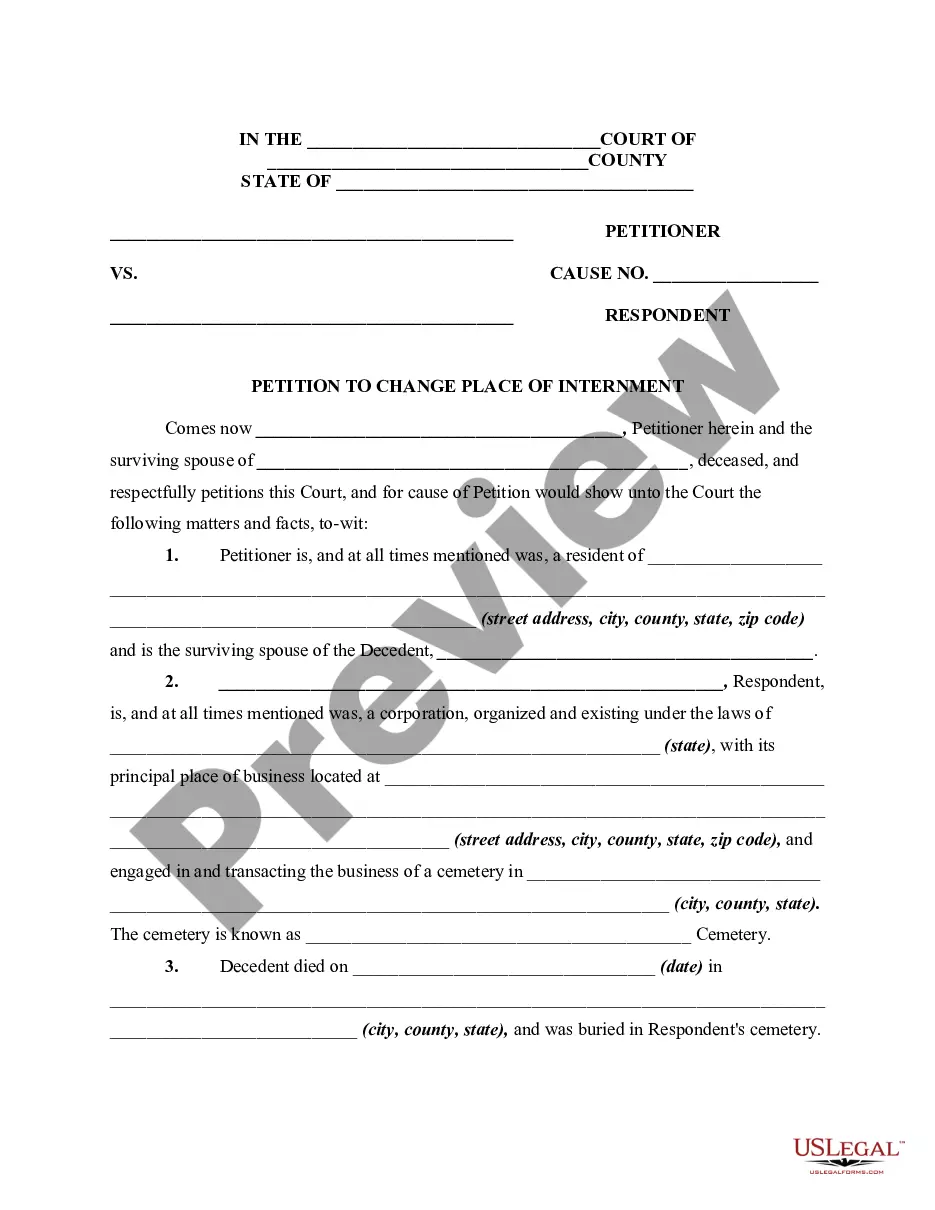
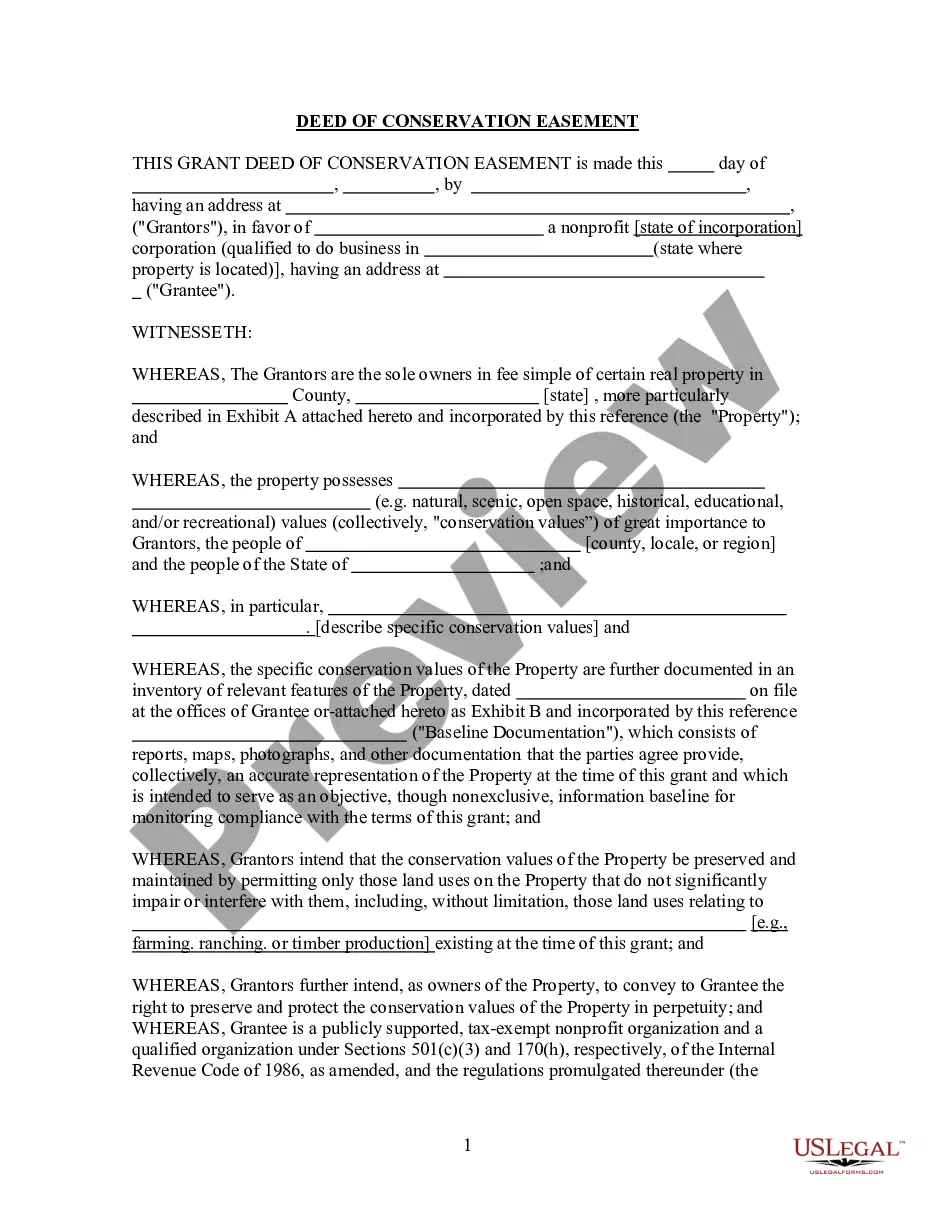
Get your form ready online
Our built-in tools help you complete, sign, share, and store your documents in one place.
Make edits, fill in missing information, and update formatting in US Legal Forms—just like you would in MS Word.
Download a copy, print it, send it by email, or mail it via USPS—whatever works best for your next step.
Sign and collect signatures with our SignNow integration. Send to multiple recipients, set reminders, and more. Go Premium to unlock E-Sign.
If this form requires notarization, complete it online through a secure video call—no need to meet a notary in person or wait for an appointment.
We protect your documents and personal data by following strict security and privacy standards.

Make edits, fill in missing information, and update formatting in US Legal Forms—just like you would in MS Word.

Download a copy, print it, send it by email, or mail it via USPS—whatever works best for your next step.

Sign and collect signatures with our SignNow integration. Send to multiple recipients, set reminders, and more. Go Premium to unlock E-Sign.

If this form requires notarization, complete it online through a secure video call—no need to meet a notary in person or wait for an appointment.

We protect your documents and personal data by following strict security and privacy standards.
Looking for another form?







Form popularity
FAQ
Formal administration is required for any estate with non-exempt assets valued at over $75,000 when a decedent died less than two years ago. Formal administration is also required any time that a personal representative is needed to settle the affairs of the decedent.
Who Gets What in Florida? If you die with:here's what happens: spouse and descendants from you and someone other than that spouse spouse inherits 1/2 of your intestate property your descendants inherit 1/2 of your intestate property parents but no spouse or descendants parents inherit everything5 more rows
A: There isn't a set timeline for probate without a will in Florida. It generally varies widely depending on the complexity of the estate. In some cases, probate can be completed in a few months, but more complex estates may take a year or longer, especially if disputes or legal complications arise.
If a family member dies intestate (without a will), an heir must go to court and obtain “Letters of Administration.” In this case, probate court assigns a relative to serve as the personal representative. This assigned person has the authority to settle all matters regarding the decedent's estate.
How can I transfer property after death without a will in Florida? If the controlling deed does not contain life estate language, then the only way to transfer property without a will is by either a summary administration or by a formal probate administration based on Florida's intestacy law.
How to Transfer Ownership of a Burial Plot Step 1 – Get the Deed From the Cemetery. Step 2 – Review the State and Local Laws. Step 3 – Prove You Are the Current Owner. Step 4 – Fill Out the Cemetery Plot Deed Transfer Form. Step 5 – Complete the Transfer and Get the New Deed.
Timeline For Filing Probate in Florida The will must be filed in Florida within ten days of the person's death. Submit a petition to begin the probate proceedings. If there's no will, initiate the probate process immediately following death.
How can I transfer a property deed from a deceased relative in Florida? If the controlling deed does not contain life estate language, then the only way to transfer property without a will is by either a summary administration or by a formal probate administration based on Florida's intestacy law.
Q: Who Becomes Executor if There Is No Will in Florida? A: If there is no will, the court appoints a personal representative based on Florida's priority system, typically beginning with the spouse. If the spouse does not wish to take on the burden, then adult children are prioritized, and then other family members.
In California, property transfer at death must be done through a deed. When the property owner dies, the deed must be recorded with the county recorder's office to transfer the property title to the beneficiary. The deed must include the names of the deceased and the beneficiary and a legal description of the property.