Set Aside Petition Meaning In Maryland
Description

Get your form ready online
Our built-in tools help you complete, sign, share, and store your documents in one place.
Make edits, fill in missing information, and update formatting in US Legal Forms—just like you would in MS Word.
Download a copy, print it, send it by email, or mail it via USPS—whatever works best for your next step.
Sign and collect signatures with our SignNow integration. Send to multiple recipients, set reminders, and more. Go Premium to unlock E-Sign.
If this form requires notarization, complete it online through a secure video call—no need to meet a notary in person or wait for an appointment.
We protect your documents and personal data by following strict security and privacy standards.

Make edits, fill in missing information, and update formatting in US Legal Forms—just like you would in MS Word.

Download a copy, print it, send it by email, or mail it via USPS—whatever works best for your next step.

Sign and collect signatures with our SignNow integration. Send to multiple recipients, set reminders, and more. Go Premium to unlock E-Sign.

If this form requires notarization, complete it online through a secure video call—no need to meet a notary in person or wait for an appointment.

We protect your documents and personal data by following strict security and privacy standards.
Looking for another form?








Form popularity
FAQ
Conviction set-asides and expungements are similar but not the same. Conviction expungement seals an entire record of the conviction. Indeed, expungement proceedings result in the sealing of arrest records and court documents.
In a criminal case, once a finding of guilt has been made, the defendant has 90 days from the date of sentencing to ask the judge to reconsider the sentence given. Under Maryland law, the judge then has 5 years from the date of the request to rule on the motion. The judge may deny the motion without a hearing.
What records are eligible for expungement? juvenile offenses, charges that were dropped or dismissed, arrest records, infractions, non-violent crimes, and. low-level misdemeanors.
You may file three (3) years after the case was marked stet on the docket. However, if it is less than three (3) years you may file a motion for a good cause exception and the court will decide whether there is good cause to grant an early expungement.
An excellent example of the “good cause” needed for an early expungement is if the Defendant is encountering extreme and verifiable difficulties with finding employment.
Most common expungable convictions: 5 Year. Public intoxication. Possession/administration of CDS. Drug Paraphernalia. 7 Year. 2nd Degree Assault. CDS with Intent to Distribute. 3rd Degree Burglary. 10 Year. Felony theft. Burglary – 1st and 2nd Degree. Attempt, conspiracy, or solicitation of any of these listed offenses.
Guilty Verdict Nuisance crime convictions may be expunged after 3 years. Cannabis possession, with intent to distribute convictions may be expunged after 3 years. Certain misdemeanor convictions may be expunged after 5 years. Certain assault and battery convictions may be expunged after 7 years.
6 Expungement and sealing laws restrict access to criminal records and sometimes even provide for their destruction. 7 Set-aside laws authorize a court to “vacate” a conviction in order to signal a person's rehabilitation, relief that may or may not be followed by sealing the record.
It's a traffic case. As opposed to CR which is criminal.
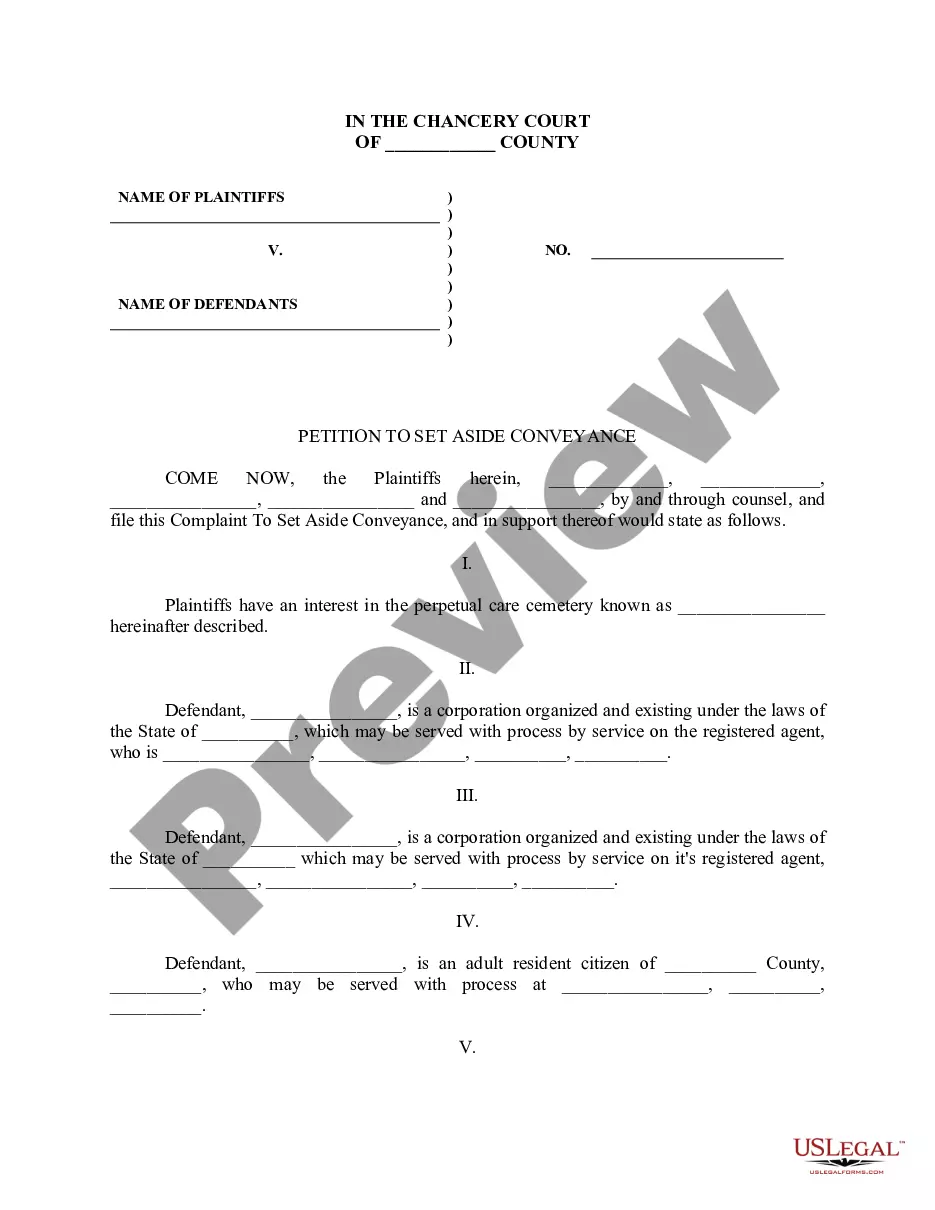
When a court renders a decision of another court to be invalid, that verdict or decision is set aside; see also annul or vacate. The phrase is often used in the context of appeals, when an appellate court invalidates the judgment of a lower court.