Set Aside Petition Format In Tamil In Kings
Description

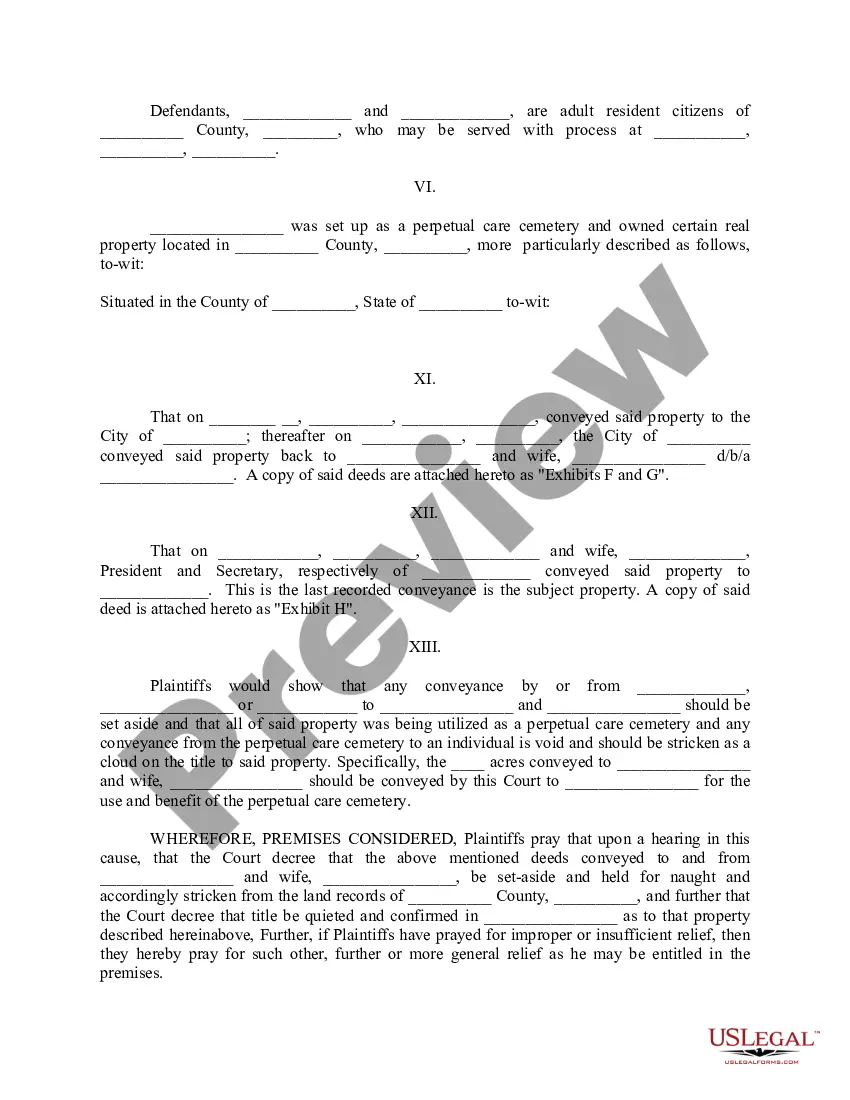

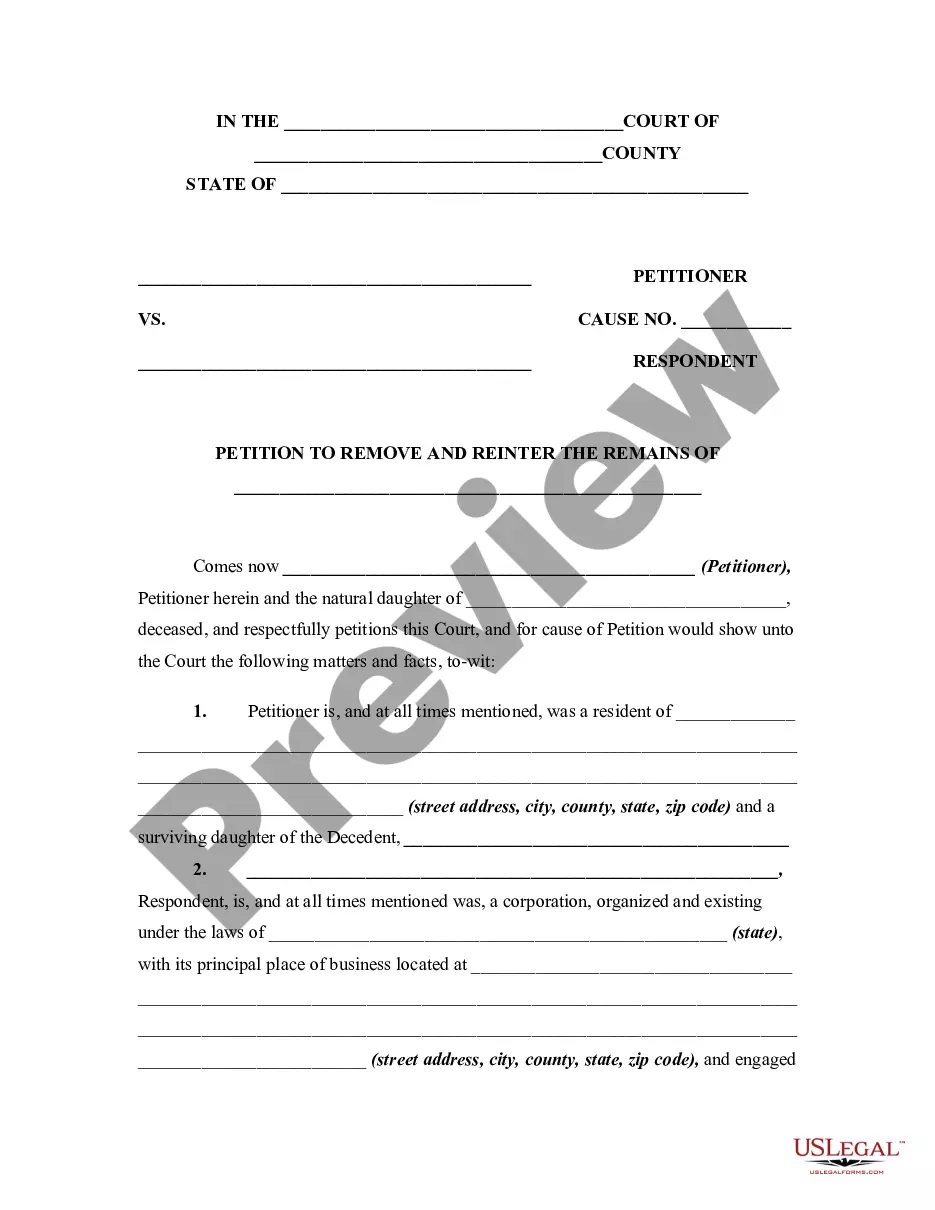
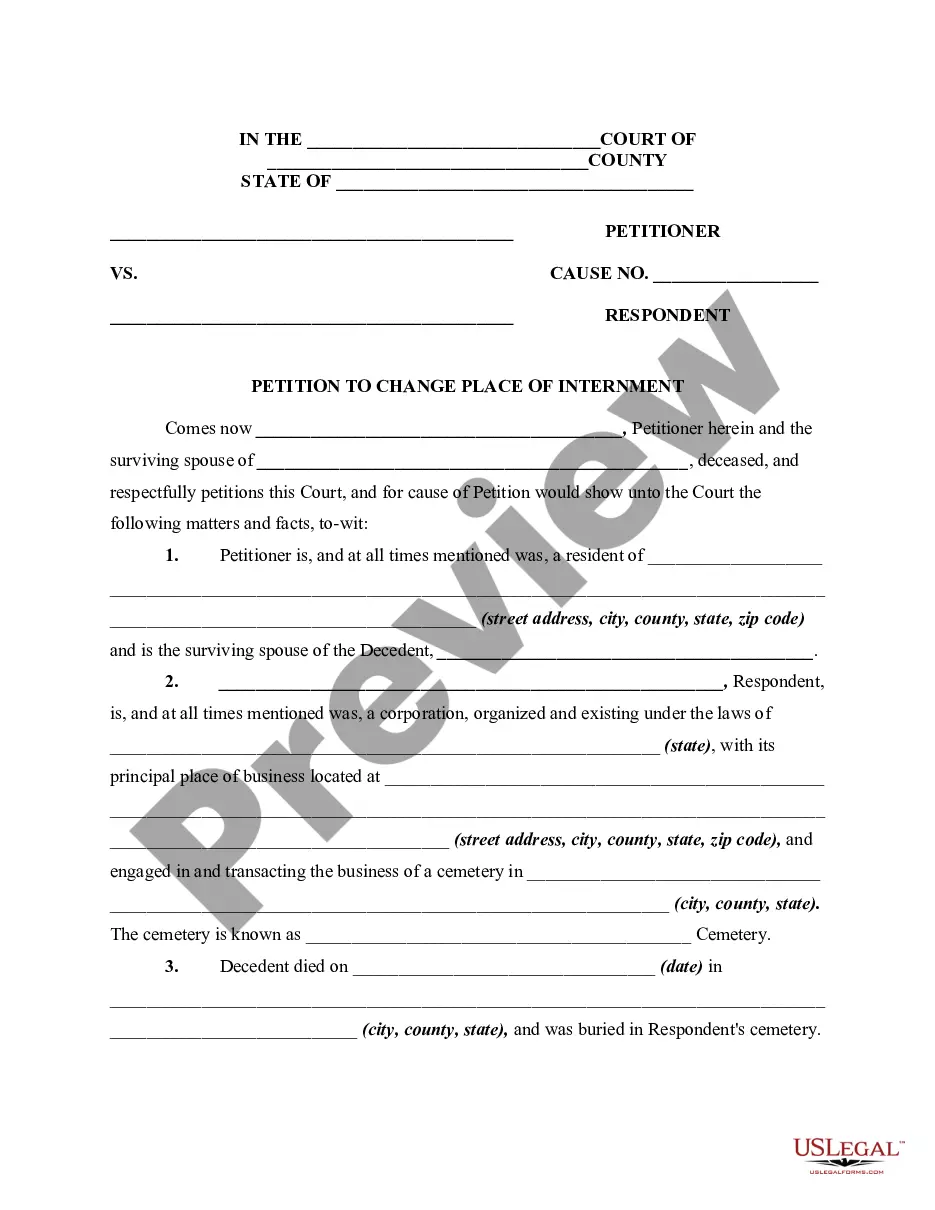
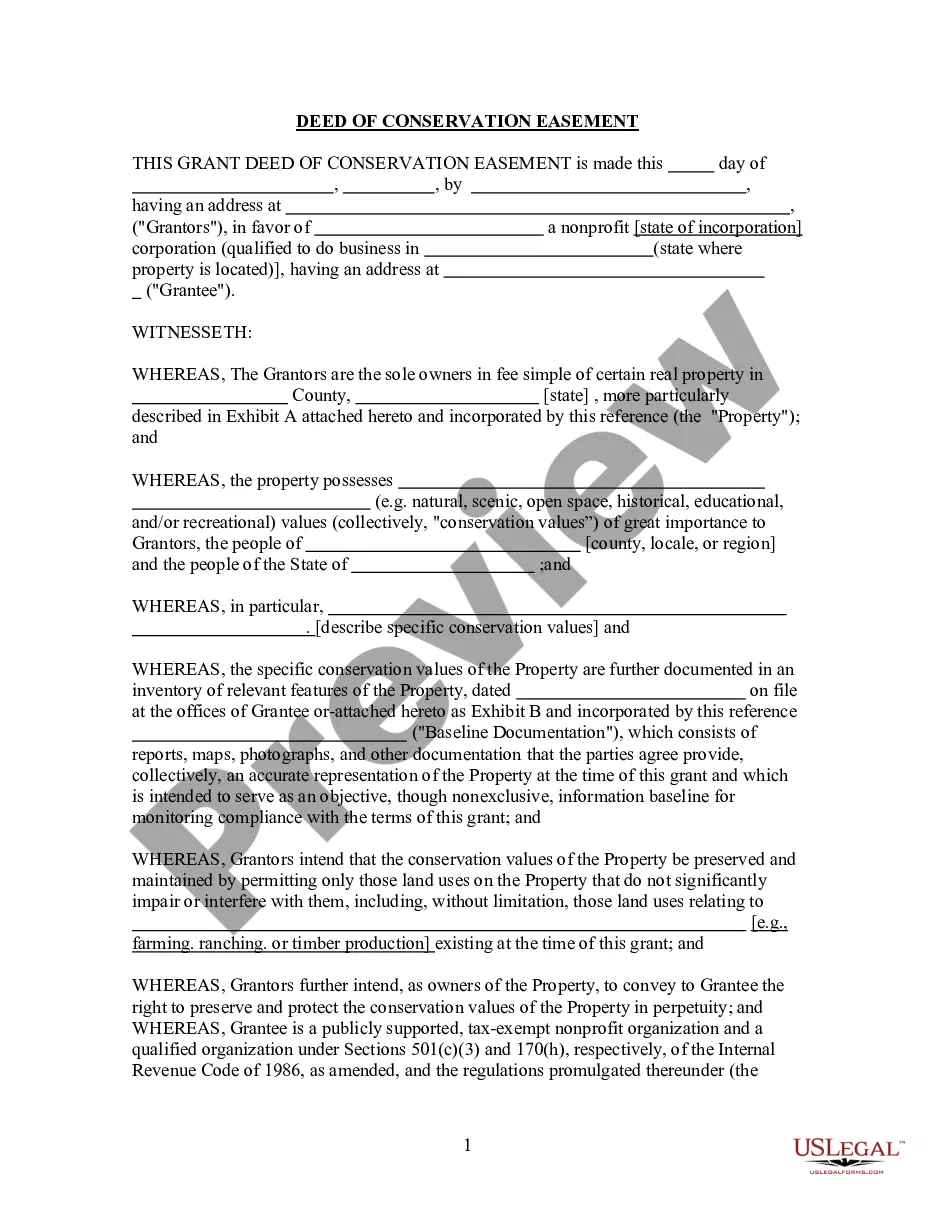
Get your form ready online
Our built-in tools help you complete, sign, share, and store your documents in one place.
Make edits, fill in missing information, and update formatting in US Legal Forms—just like you would in MS Word.
Download a copy, print it, send it by email, or mail it via USPS—whatever works best for your next step.
Sign and collect signatures with our SignNow integration. Send to multiple recipients, set reminders, and more. Go Premium to unlock E-Sign.
If this form requires notarization, complete it online through a secure video call—no need to meet a notary in person or wait for an appointment.
We protect your documents and personal data by following strict security and privacy standards.

Make edits, fill in missing information, and update formatting in US Legal Forms—just like you would in MS Word.

Download a copy, print it, send it by email, or mail it via USPS—whatever works best for your next step.

Sign and collect signatures with our SignNow integration. Send to multiple recipients, set reminders, and more. Go Premium to unlock E-Sign.

If this form requires notarization, complete it online through a secure video call—no need to meet a notary in person or wait for an appointment.

We protect your documents and personal data by following strict security and privacy standards.
Looking for another form?










Form popularity
FAQ
In a few situations, a judge can cancel or undo an order or judgment in your family law case. This is called a set-aside.
When a court renders a decision of another court to be invalid, that verdict or decision is set aside; see also annul or vacate. The phrase is often used in the context of appeals, when an appellate court invalidates the judgment of a lower court. For example, in Eckenrode v.
6 Expungement and sealing laws restrict access to criminal records and sometimes even provide for their destruction. 7 Set-aside laws authorize a court to “vacate” a conviction in order to signal a person's rehabilitation, relief that may or may not be followed by sealing the record.
First, is by way of filing an application under Order IX Rule 13 CPC seeking for setting aside ex-parte decree; the second, is by way of filing an appeal against the ex-parte decree under Section 96(2) of the CPC and the third, is by way of review before the same court against the ex-parte decree.
Under CCP § 473(b), the court may set aside a default and default judgment if the defendant asking for the set aside presents enough evidence to the court to demonstrate that the default was entered by inadvertence, mistake, surprise, or excusable neglect.