Petition To Set Aside Estate Without Administration In Allegheny
Description
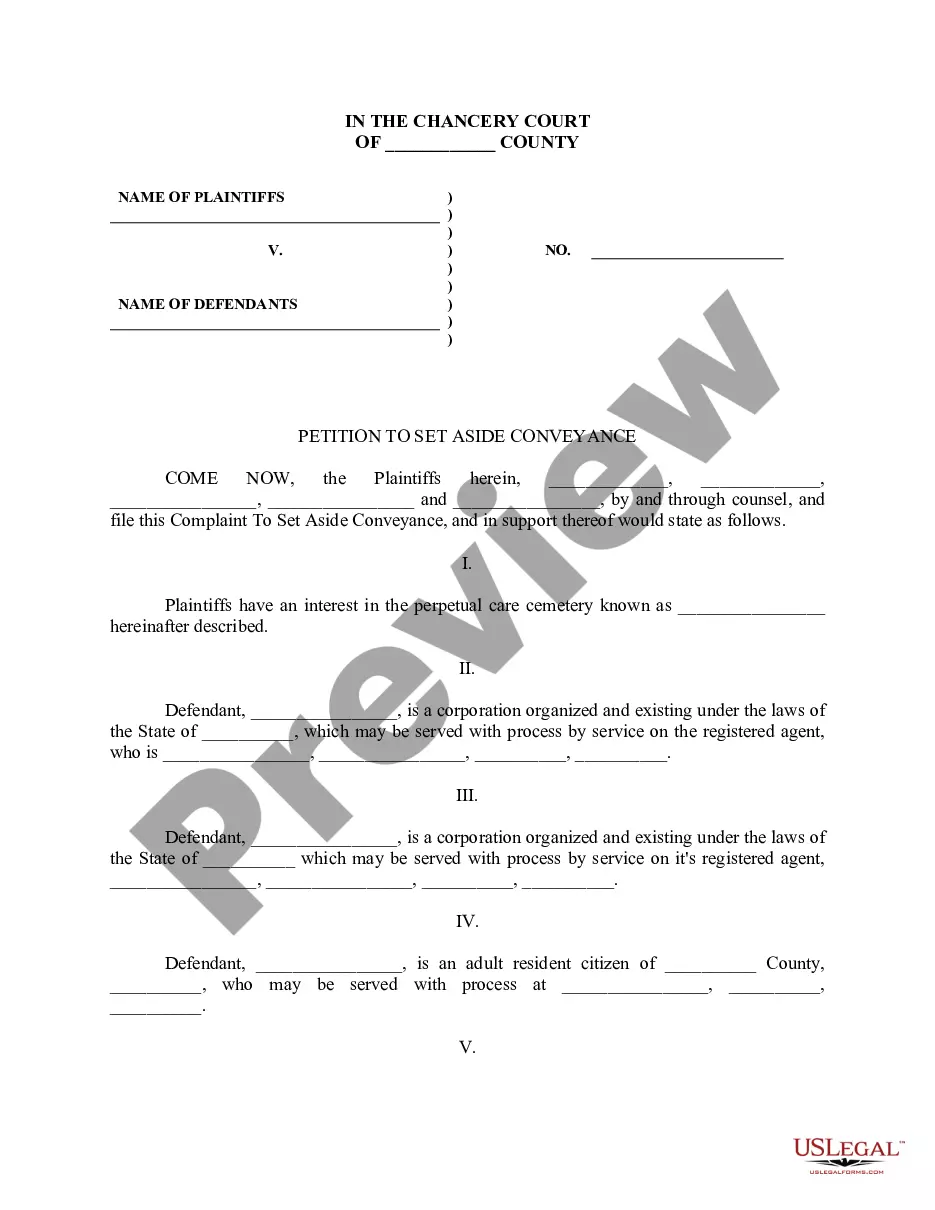
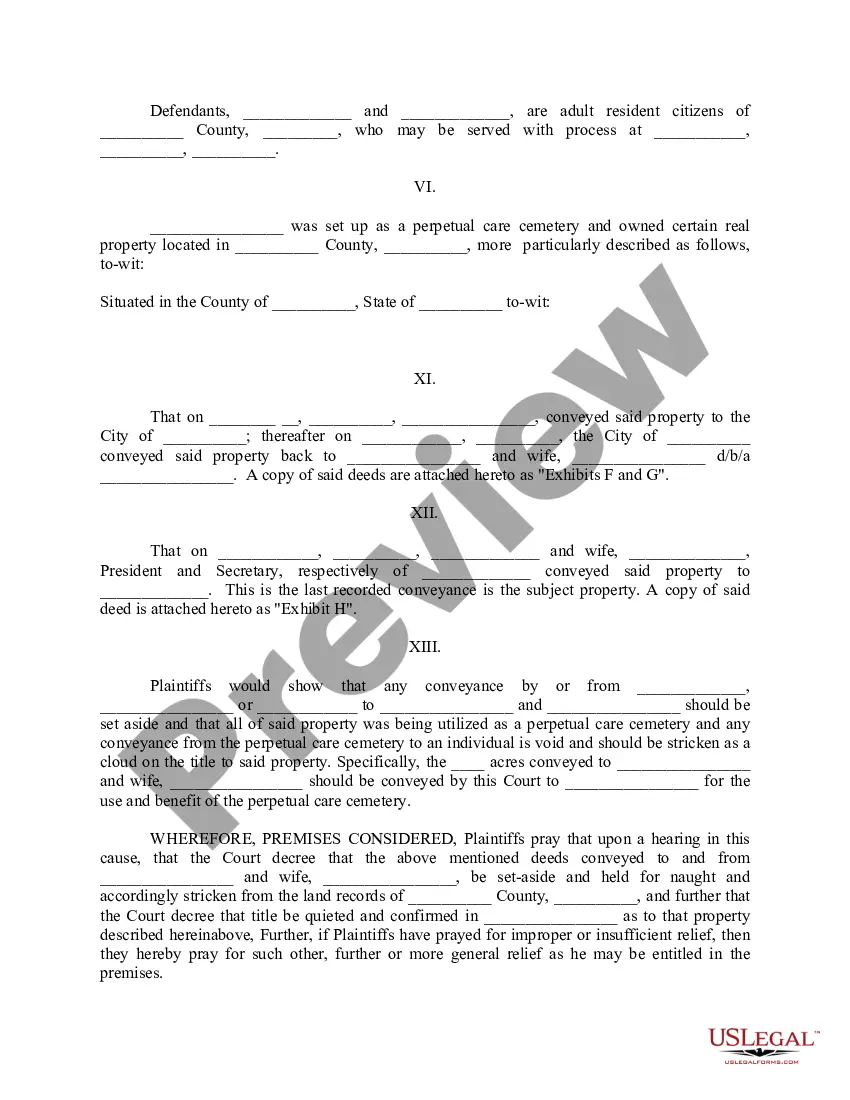

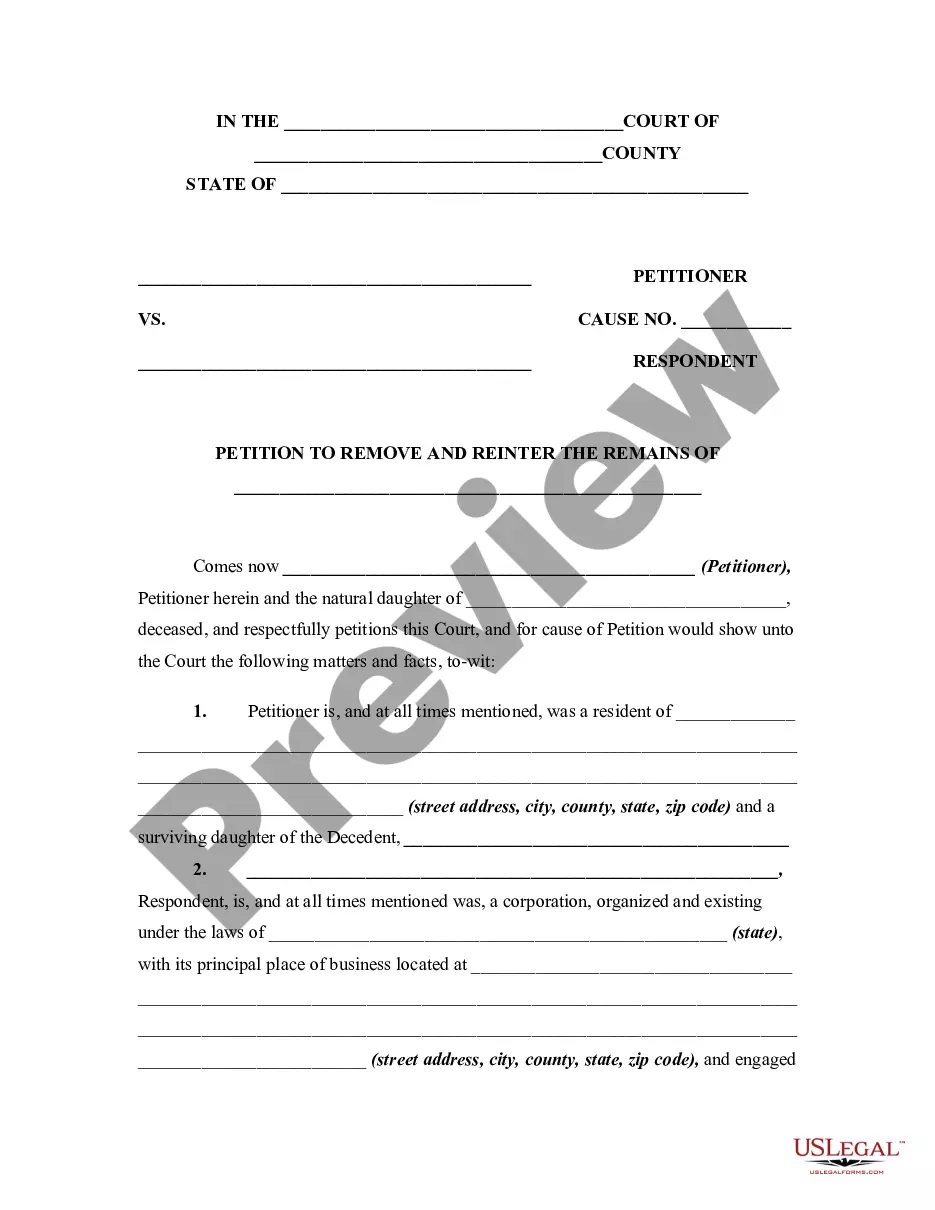
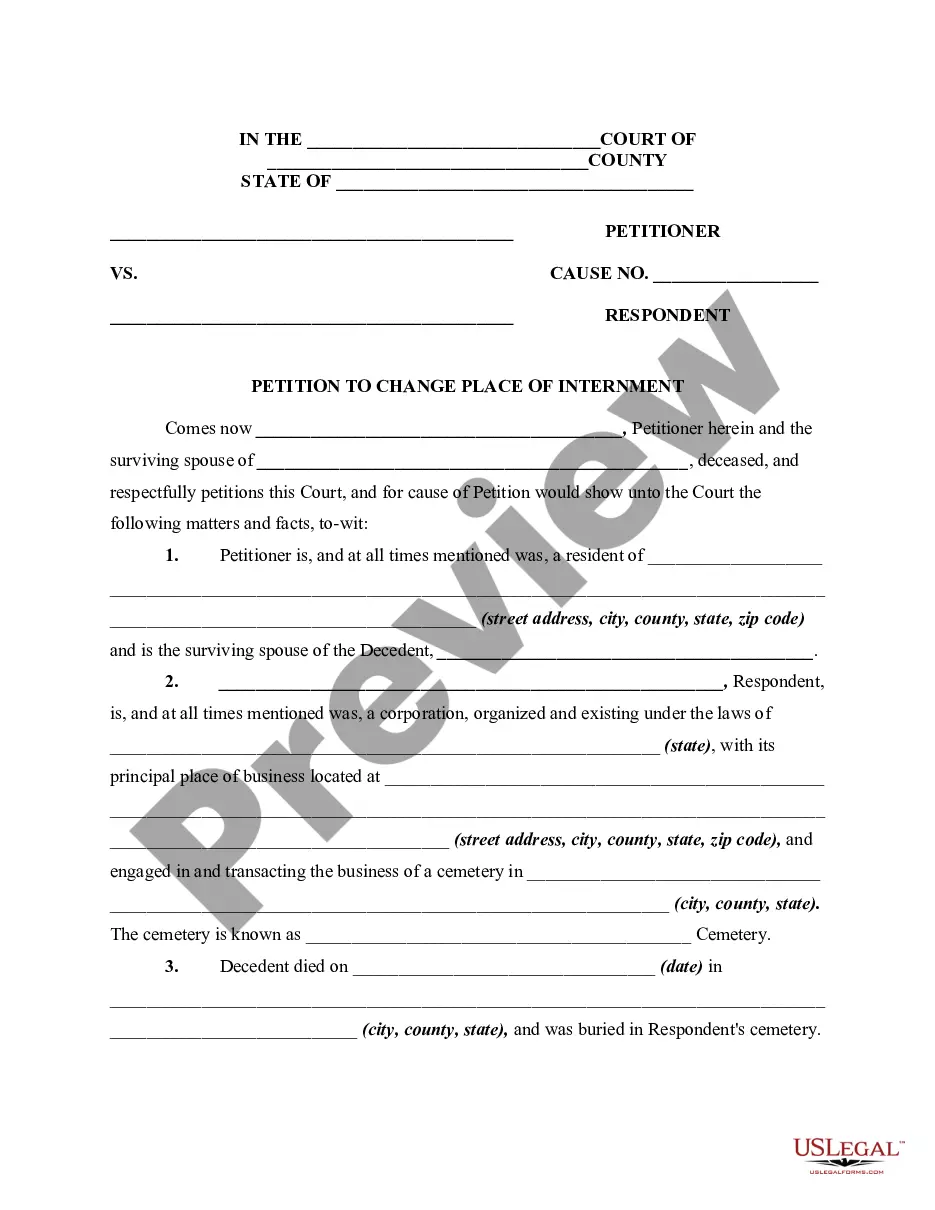
Get your form ready online
Our built-in tools help you complete, sign, share, and store your documents in one place.
Make edits, fill in missing information, and update formatting in US Legal Forms—just like you would in MS Word.
Download a copy, print it, send it by email, or mail it via USPS—whatever works best for your next step.
Sign and collect signatures with our SignNow integration. Send to multiple recipients, set reminders, and more. Go Premium to unlock E-Sign.
If this form requires notarization, complete it online through a secure video call—no need to meet a notary in person or wait for an appointment.
We protect your documents and personal data by following strict security and privacy standards.

Make edits, fill in missing information, and update formatting in US Legal Forms—just like you would in MS Word.

Download a copy, print it, send it by email, or mail it via USPS—whatever works best for your next step.

Sign and collect signatures with our SignNow integration. Send to multiple recipients, set reminders, and more. Go Premium to unlock E-Sign.

If this form requires notarization, complete it online through a secure video call—no need to meet a notary in person or wait for an appointment.

We protect your documents and personal data by following strict security and privacy standards.
Looking for another form?






Form popularity
FAQ
The average time to settle an estate in Pennsylvania can vary depending on the complexity of the estate and any potential challenges or disputes. On average, it can take anywhere from 6 months to over a year to complete the probate process and distribute assets to beneficiaries.
The first heirs in line to receive property are the surviving spouse and the deceased's children. If the deceased did not leave a surviving spouse or children, then the property next passes to the parents, siblings, aunts, uncles, nieces and nephews.
In such cases, individuals entitled under the intestacy rules can be appointed as the estate's administrator. To do so, they must apply for a 'Grant of Letters of Administration with the Will', granting them legal authority to manage the estate. However, their actions must align with the wishes outlined in the Will.
Filing a petition for probate with the county court. Appointment of an executor or administrator to oversee the estate. Inventorying and appraising assets, and paying off any outstanding debts or taxes. Distributing assets ing to the terms of a will or state laws if there is no will.
Usually, the estate administrator is a spouse or child of the person who died. To be recognized as the estate administrator, you must file the petition for grant of letters of administration with the Register of Wills.
Assets with designated beneficiaries, such as life insurance policies or retirement accounts, also avoid probate. Small estates worth less than $50,000 may not need to go through probate at all.
The attorney for the proposed administrator will file a petition with the Register of Wills requesting grant of Letters of Administration. The petition must be accompanied by Renunciations signed by all other heirs. The Renunciation defers the right to serve as to another person to serve as the estate's Administrator.
In Pennsylvania, an estate needs to go through probate if it's worth more than $50,000.
An estate administrator is the appointed legal representative of the deceased. The legal representative may be a surviving spouse, other family member, executor named in the will or an attorney. In general, the estate administrator: Collects all the assets of the deceased.