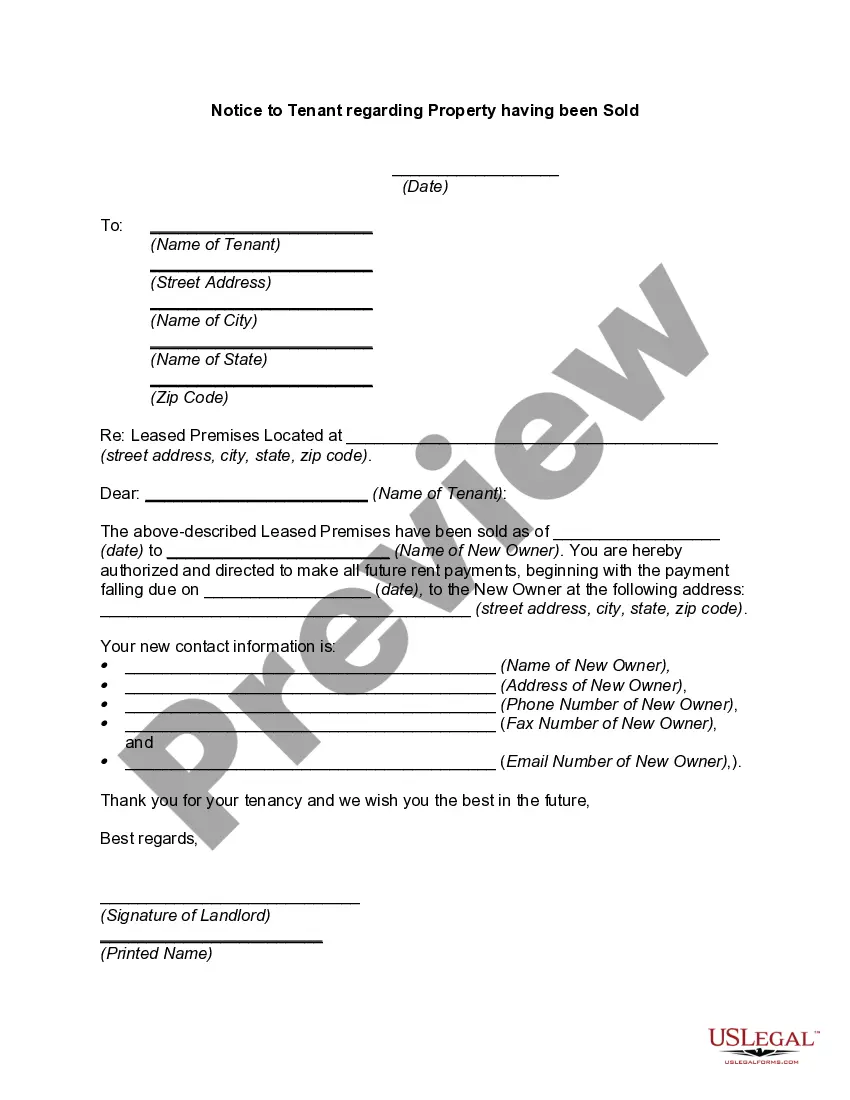
Discrimination Title Vii Rights For Employees In Los Angeles
Description
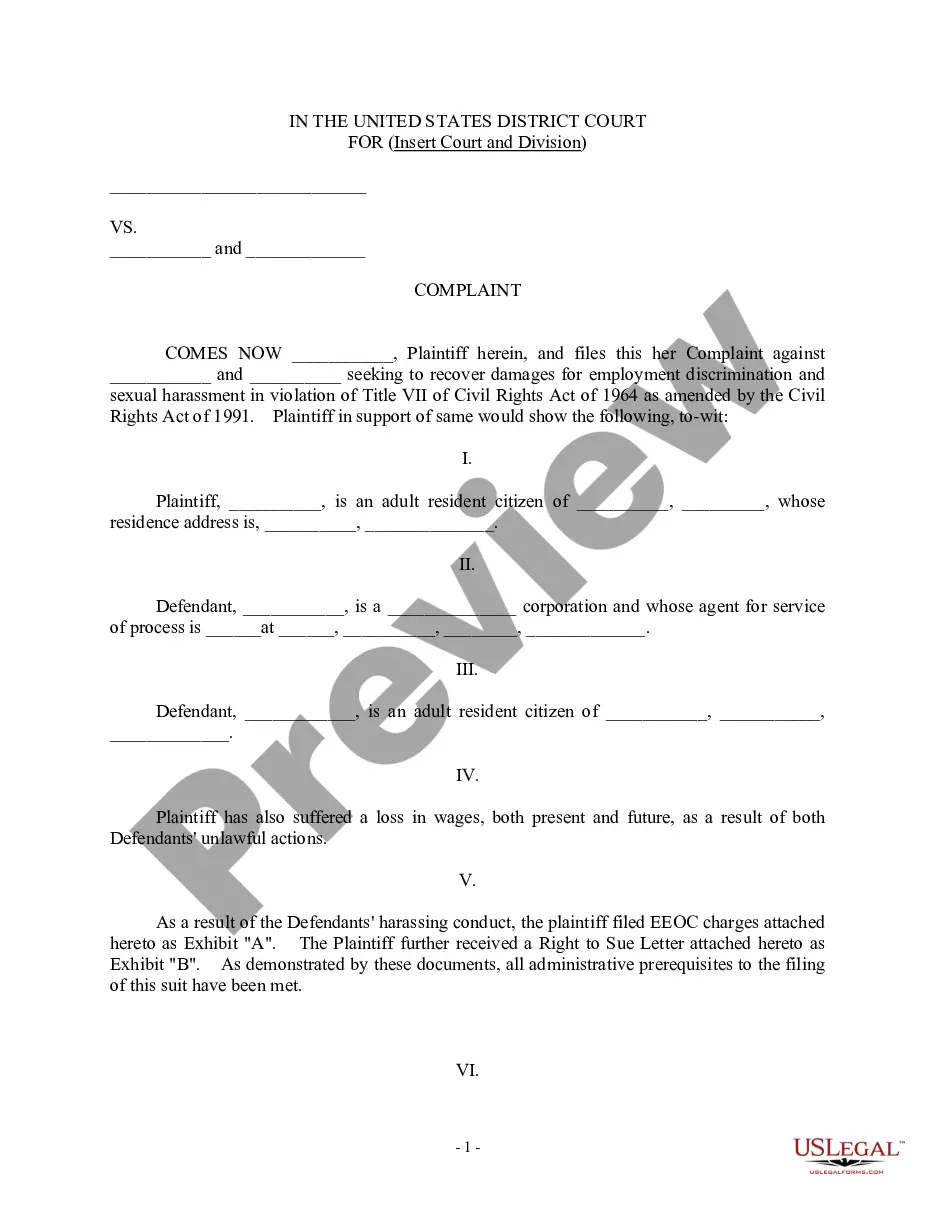
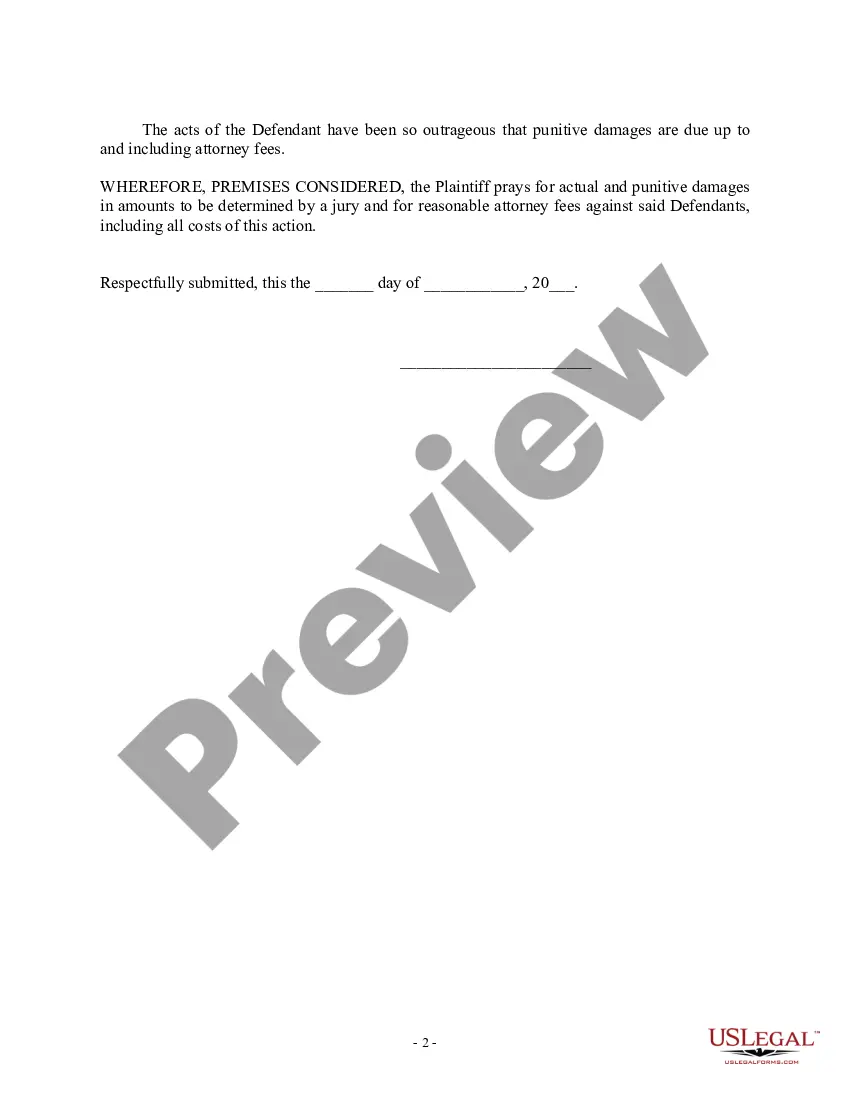

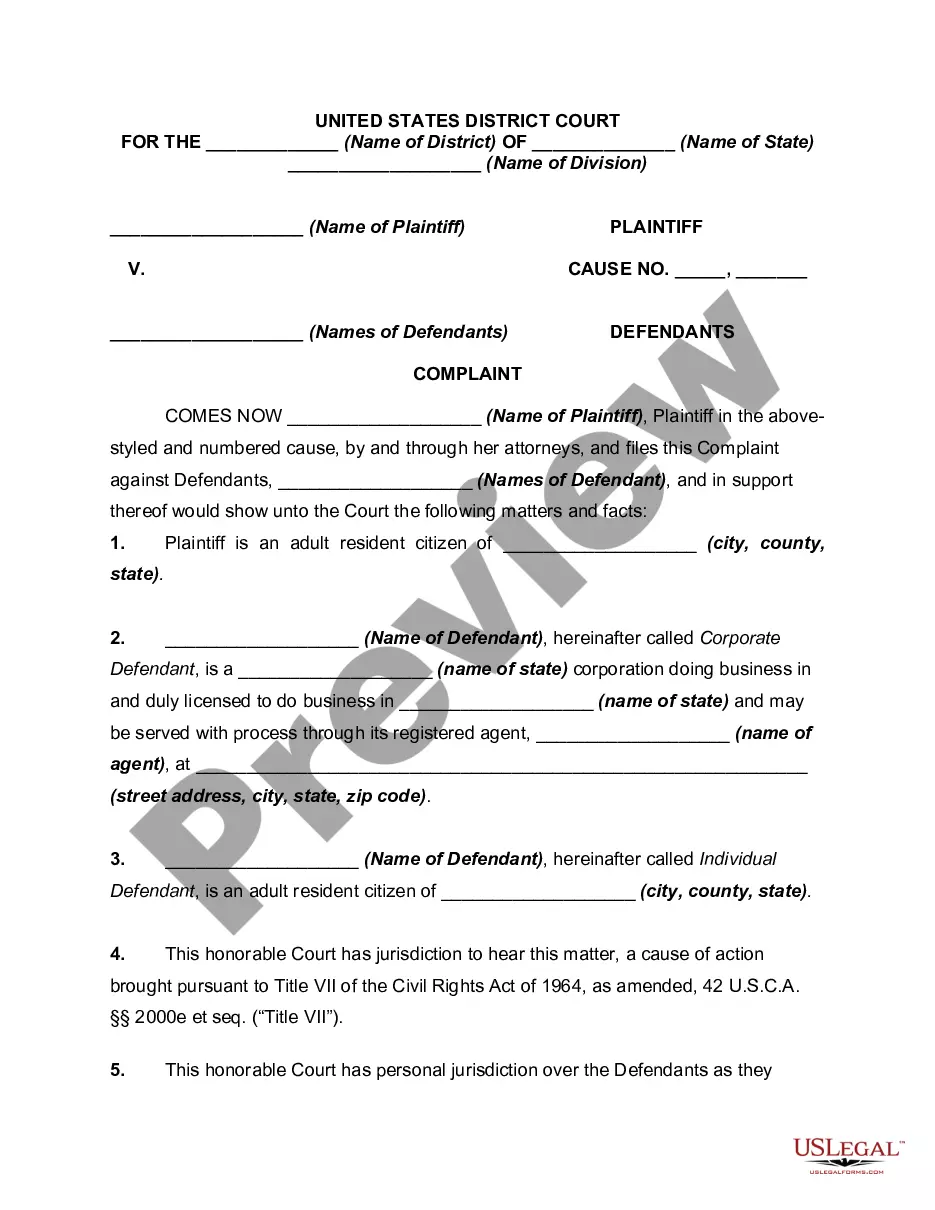
Get your form ready online
Our built-in tools help you complete, sign, share, and store your documents in one place.
Make edits, fill in missing information, and update formatting in US Legal Forms—just like you would in MS Word.
Download a copy, print it, send it by email, or mail it via USPS—whatever works best for your next step.
Sign and collect signatures with our SignNow integration. Send to multiple recipients, set reminders, and more. Go Premium to unlock E-Sign.
If this form requires notarization, complete it online through a secure video call—no need to meet a notary in person or wait for an appointment.
We protect your documents and personal data by following strict security and privacy standards.

Make edits, fill in missing information, and update formatting in US Legal Forms—just like you would in MS Word.

Download a copy, print it, send it by email, or mail it via USPS—whatever works best for your next step.

Sign and collect signatures with our SignNow integration. Send to multiple recipients, set reminders, and more. Go Premium to unlock E-Sign.

If this form requires notarization, complete it online through a secure video call—no need to meet a notary in person or wait for an appointment.

We protect your documents and personal data by following strict security and privacy standards.
Looking for another form?
Form popularity
FAQ
For discrimination complaints related to housing, employment, or business establishments, you may contact the California Department of Fair Employment and Housing (DFEH) at 800-884-1684 (voice), 800-700-2320 (TTY). You may also visit the DFEH page for additional information.
The answer depends on your claims and willingness to pursue litigation. If your claims are strong and you are invested in the litigation process, it can be very “worth it” to feel you are standing up for accountability, getting compensation for your injuries, and incentivizing the company to change its ways.
This may be preferable in certain situations because different laws may allow a person to recover more damages than Title VII. Federal employees, on the other hand, may resolve discrimination-related lawsuits only through Title VII claims. In the landmark 1976 case Brown v.
The employee must first present evidence that he is a member of a protected class, he was qualified for the position he held, he suffered an adverse employment action such as being fired, and that he was replaced with another worker who is not a member of that protected class.
It provides that a religious corporation, association, educational institution, or society is exempt from the provisions of Title VII that prohibit discrimination based on religion in the workplace.
Title VII of the Civil Rights Act does not cover federal employees or independent contractors. However, federal employees are protected against discrimination by other federal anti-discrimination laws.
No person shall discriminate against another person in private employment, housing, education or commerce, because of that person's actual or perceived race, color, ethnicity, creed, age, national origin, religion, citizenship status, gender, gender identity or expression, sexual orientation, disability, medical ...
Evidence in a discrimination case in California typically includes: emails, text messages, recordings, disciplinary forms, termination documents, or a copy of your employment contract if one exists. If you're like most Californians, you spend an inordinate amount of time at work.
Compare your work, conduct and treatment to that of those outside of your protected class as much as possible. Provide proof that others of similar qualifications have been given better opportunities, projects that are more favorable and superior treatment.