Attorney Sleeping With Client In Wayne
Description


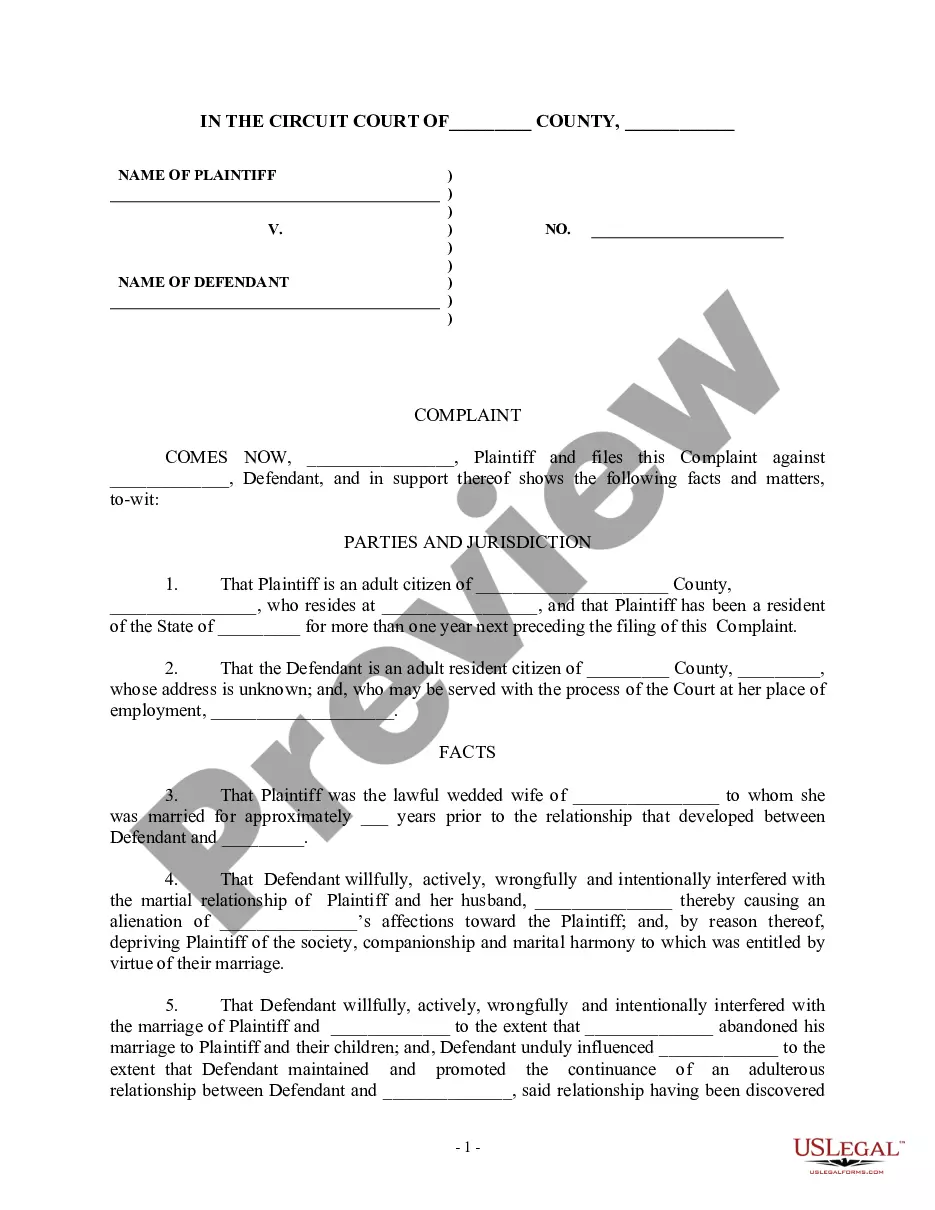

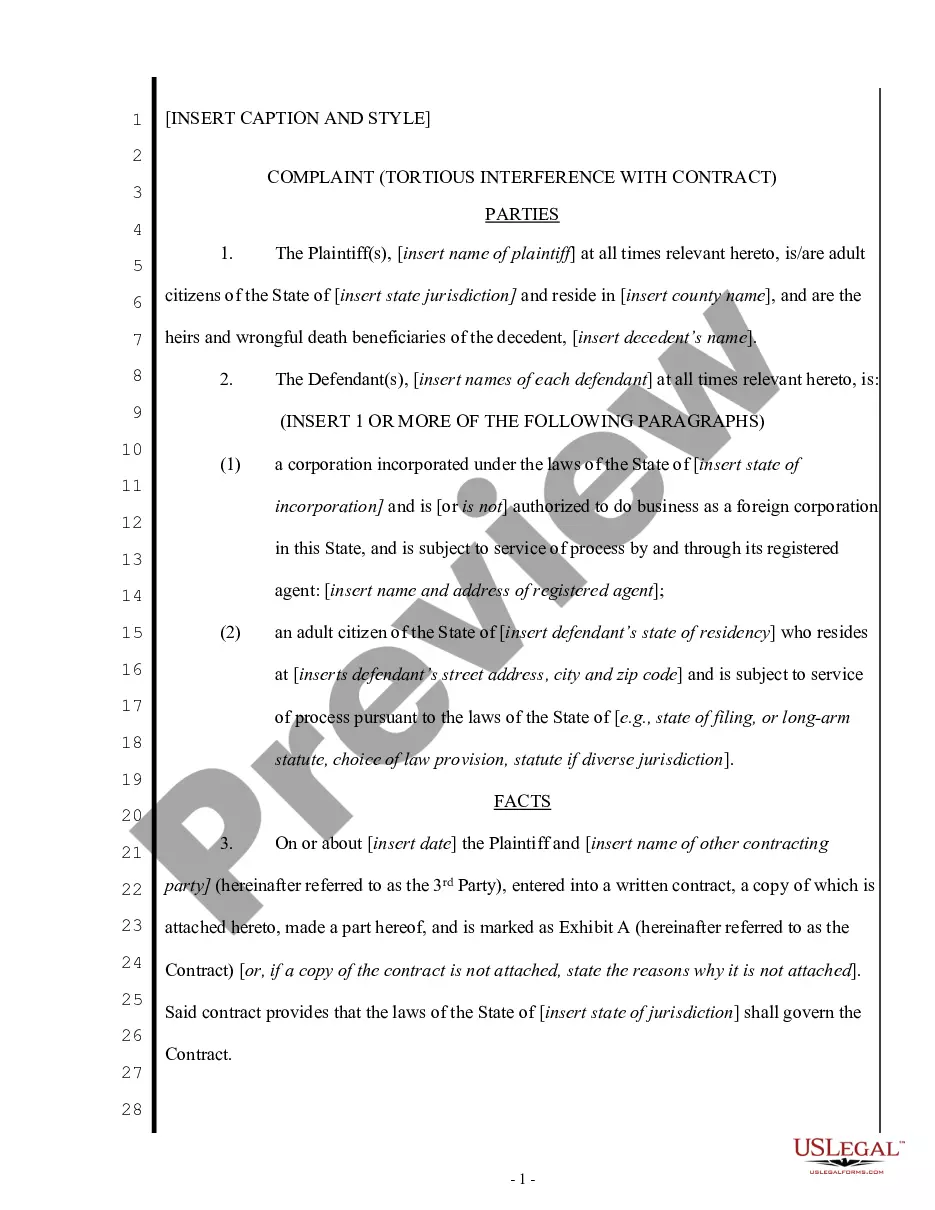
Get your form ready online
Our built-in tools help you complete, sign, share, and store your documents in one place.
Make edits, fill in missing information, and update formatting in US Legal Forms—just like you would in MS Word.
Download a copy, print it, send it by email, or mail it via USPS—whatever works best for your next step.
Sign and collect signatures with our SignNow integration. Send to multiple recipients, set reminders, and more. Go Premium to unlock E-Sign.
If this form requires notarization, complete it online through a secure video call—no need to meet a notary in person or wait for an appointment.
We protect your documents and personal data by following strict security and privacy standards.

Make edits, fill in missing information, and update formatting in US Legal Forms—just like you would in MS Word.

Download a copy, print it, send it by email, or mail it via USPS—whatever works best for your next step.

Sign and collect signatures with our SignNow integration. Send to multiple recipients, set reminders, and more. Go Premium to unlock E-Sign.

If this form requires notarization, complete it online through a secure video call—no need to meet a notary in person or wait for an appointment.

We protect your documents and personal data by following strict security and privacy standards.
Looking for another form?






Form popularity
FAQ
In most jurisdictions, ethical rules explicitly prohibit lawyers from engaging in sexual relationships with clients. This prohibition is based on several key reasons: Conflict of Interest: A romantic or sexual relationship can create a significant conflict of interest.
There's no minimum age but generally a partnership can be offered 7–10 years out of law school. Varies by firm. So early to mid-thirties isn't unusual.
She cites ABA statistics that show a third of all women lawyers have never married, compared to 8 percent of male lawyers, and nearly half of women lawyers are currently unmarried, compared to 15 percent of the men.
Unsurprisingly, it turns out that most lawyers marry other lawyers. But male lawyers also marry schoolteachers, secretaries, and miscellaneous managers. And lawyers marry people in other computer occupations. For some reason, judicial law clerks are listed separately.
Of course, the first profession I looked at was lawyers. Unsurprisingly, it turns out that most lawyers marry other lawyers. But male lawyers also marry schoolteachers, secretaries, and miscellaneous managers. And lawyers marry people in other computer occupations.
In the United States, lawyers are most likely to marry other lawyers. A few years ago, the folks at Bloomberg reported the results of an empirical study that showed: Male lawyers are more likely to marry other lawyers than members of any other profession.
Sexual relations could harm the client. California Rules of Professional Conduct Rule 3-120 (1995). Specifically, the rule precludes an attorney from continuing to represent a client with whom he or she has had sexual relations if such relations would cause the attorney to act incompetently.
Professional Ethics: Most legal ethical codes strongly discourage or outright prohibit lawyers from engaging in romantic relationships with clients during representation. This is to maintain professional boundaries and ensure that the lawyer-client relationship is based solely on the client's legal needs.
Here's what lawyers love the most about practicing law: 64%: Helping clients. 29%: Intellectual stimulation.
Always be as honest and candid as possible about the facts of your case. The more your attorney knows, the more he or she can help you. Ask questions if you don't understand something that your attorney mentions or explains to you. Approach an attorney about your case as soon as you think you may need one.