Define Attorney-client Relationship In Law In Washington
Description

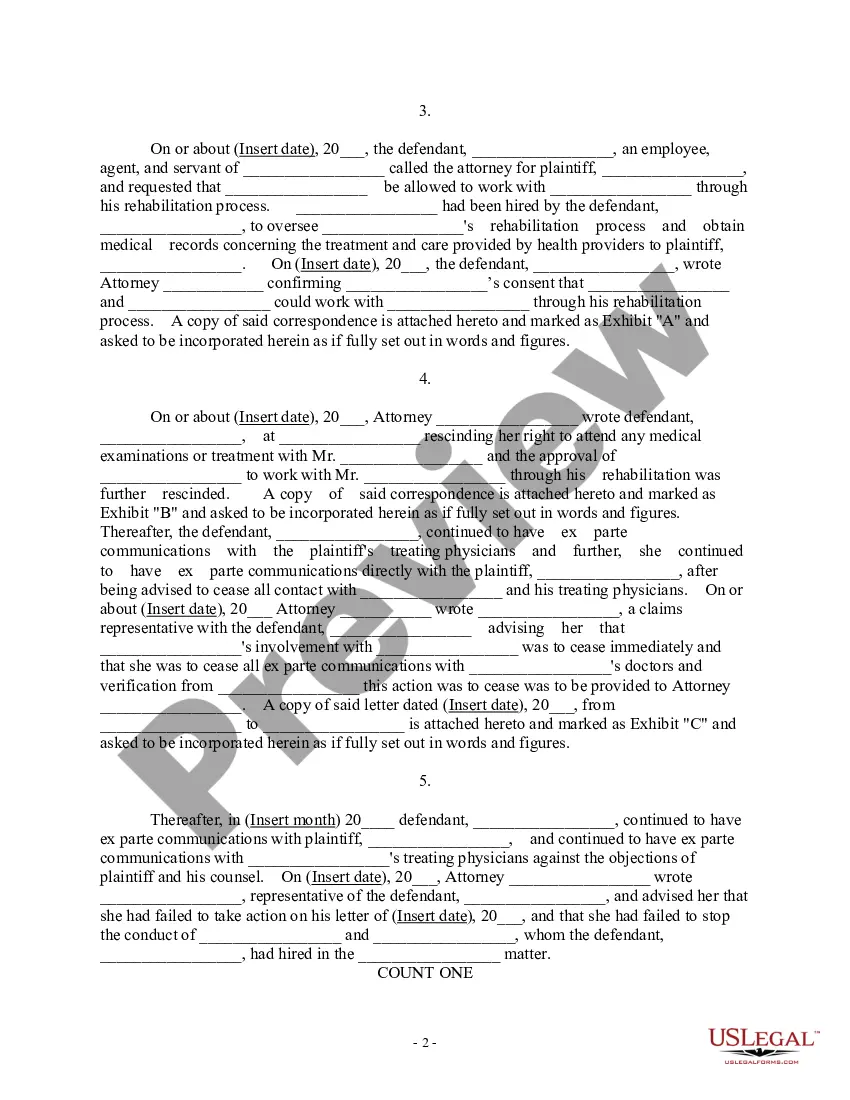
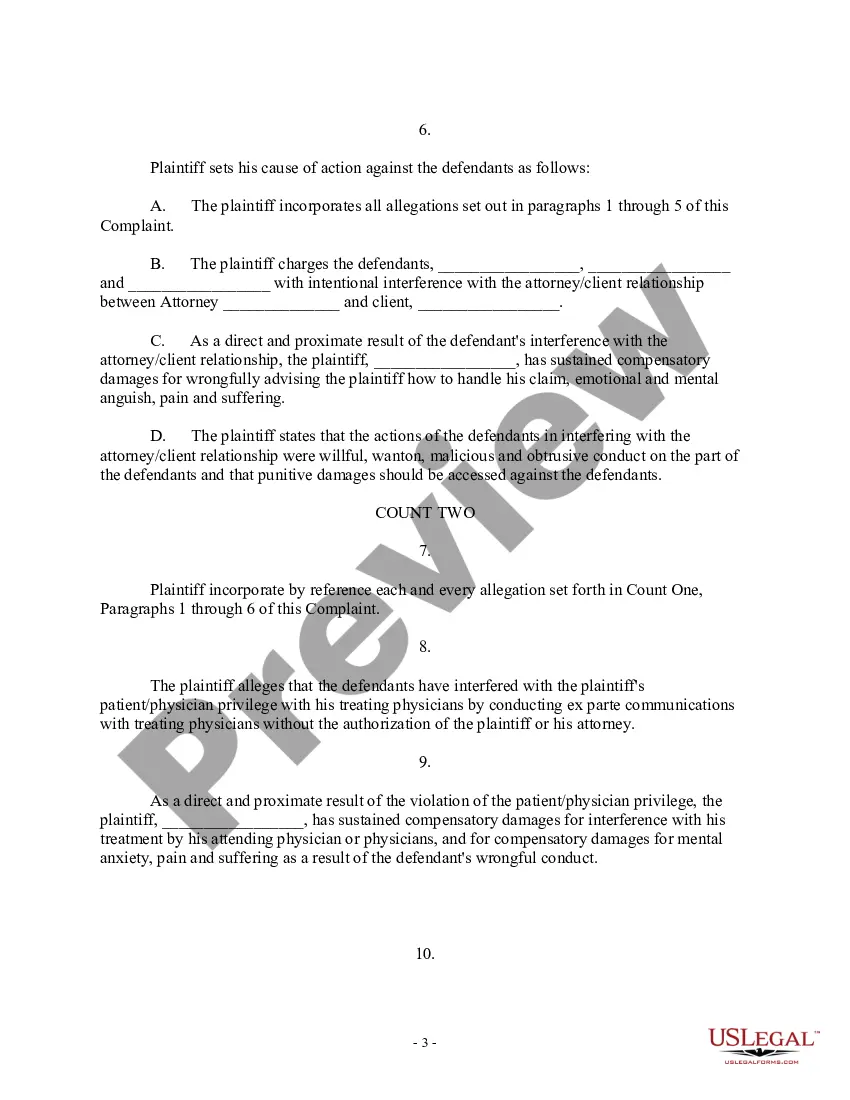
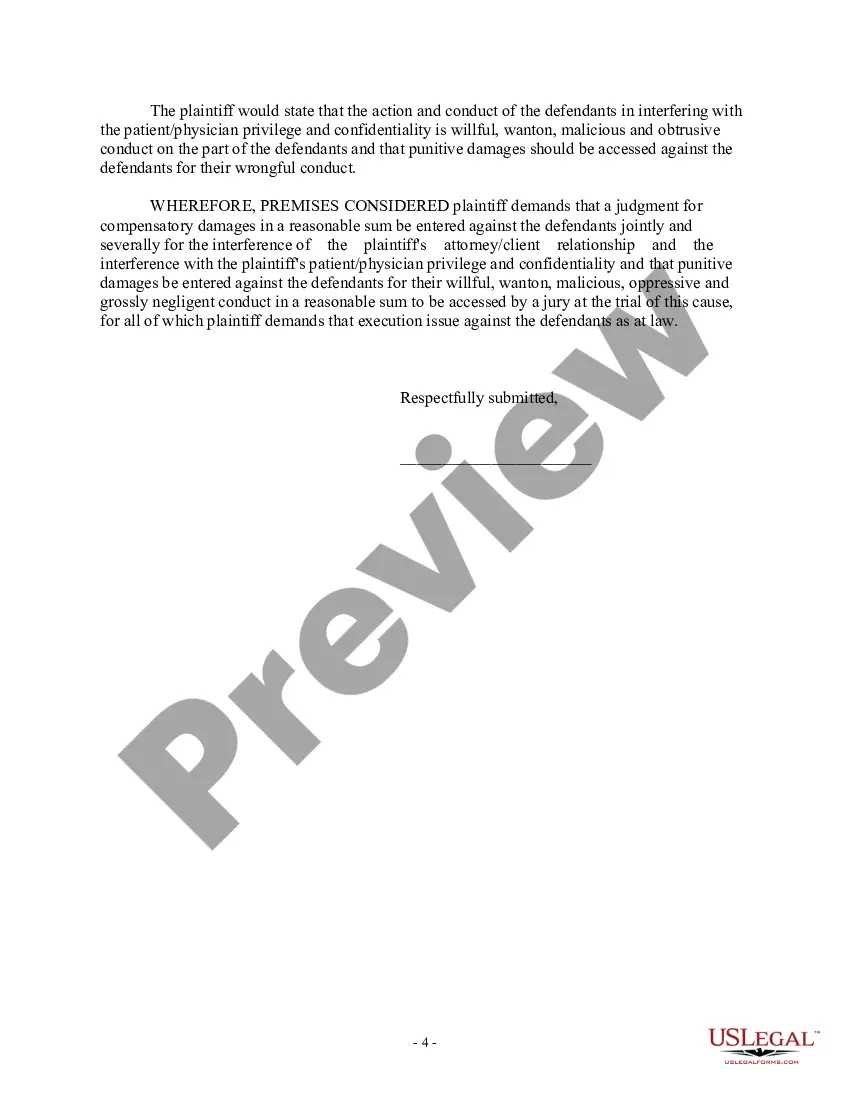




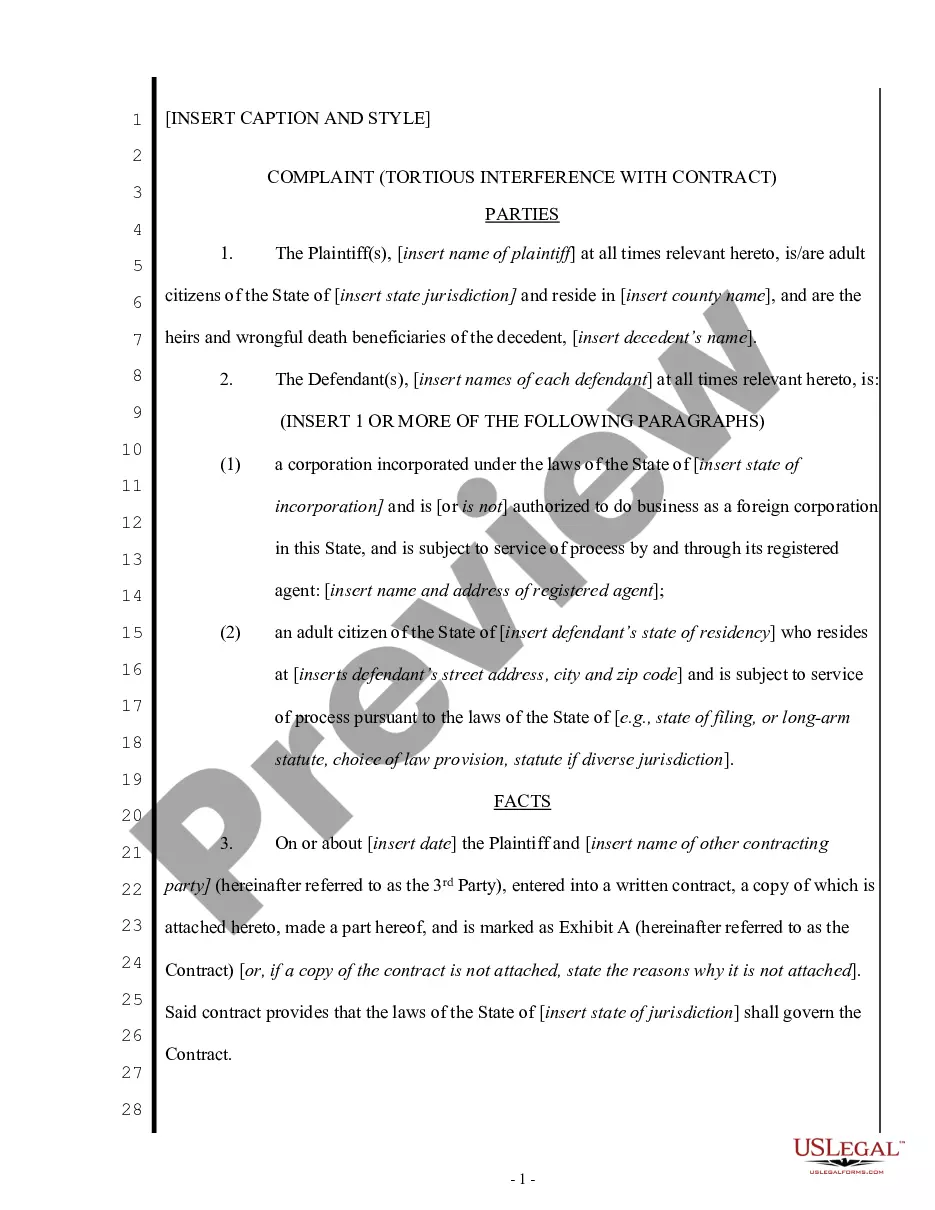
Get your form ready online
Our built-in tools help you complete, sign, share, and store your documents in one place.
Make edits, fill in missing information, and update formatting in US Legal Forms—just like you would in MS Word.
Download a copy, print it, send it by email, or mail it via USPS—whatever works best for your next step.
Sign and collect signatures with our SignNow integration. Send to multiple recipients, set reminders, and more. Go Premium to unlock E-Sign.
If this form requires notarization, complete it online through a secure video call—no need to meet a notary in person or wait for an appointment.
We protect your documents and personal data by following strict security and privacy standards.

Make edits, fill in missing information, and update formatting in US Legal Forms—just like you would in MS Word.

Download a copy, print it, send it by email, or mail it via USPS—whatever works best for your next step.

Sign and collect signatures with our SignNow integration. Send to multiple recipients, set reminders, and more. Go Premium to unlock E-Sign.

If this form requires notarization, complete it online through a secure video call—no need to meet a notary in person or wait for an appointment.

We protect your documents and personal data by following strict security and privacy standards.
Looking for another form?







Form popularity
FAQ
The rule provides that a voluntary disclosure in a federal proceeding or to a federal office or agency, if a waiver, generally results in a waiver only of the communication or information disclosed; a subject matter waiver (of either privilege or work product) is reserved for those unusual situations in which fairness ...
Under the “common interest” rule, “communications exchanged between multiple parties engaged in a common defense remain privileged under the attorney-client privilege.” Broyles v. Thurston Cty., 147 Wash.
(a) A lawyer shall not reveal information relating to the representation of a client unless the client gives informed consent, the disclosure is impliedly authorized in order to carry out the representation or the disclosure is permitted by paragraph (b).
This protection extends to any information exchanged during these privileged communications, encompassing not only verbal discussions but also written correspondence, emails, text messages, and other forms of communication. The privilege belongs to the client, meaning they have the authority to waive or invoke it.
(a) A lawyer shall not reveal information relating to the representation of a client unless the client gives informed consent, the disclosure is impliedly authorized in order to carry out the representation or the disclosure is permitted by paragraph (b).