Advocate Client Relationship In Kenya In San Jose
Description

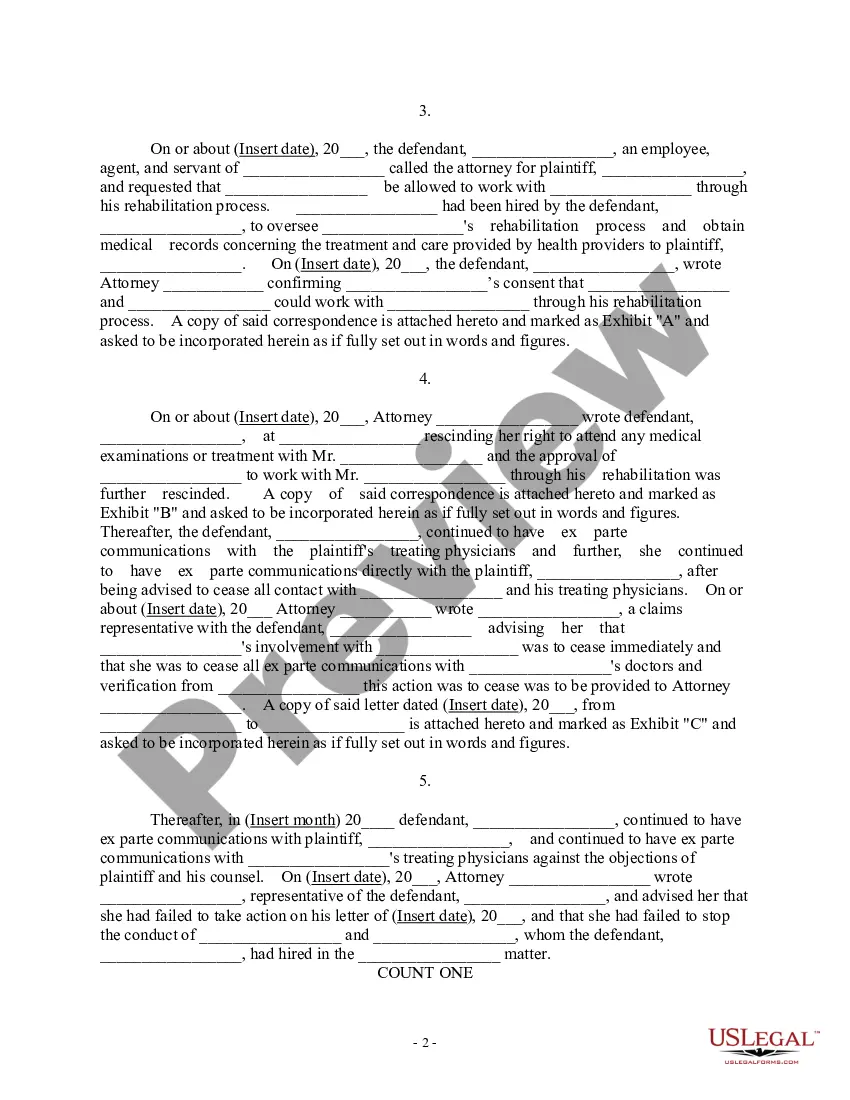
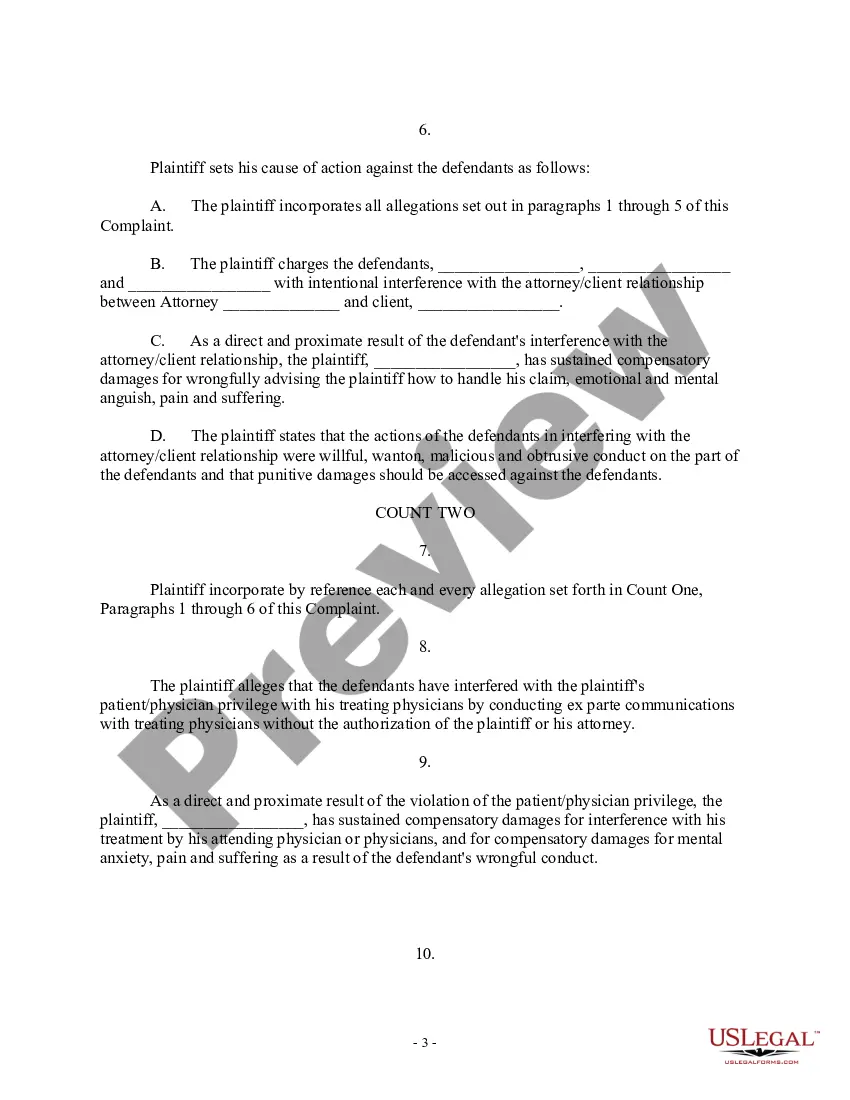
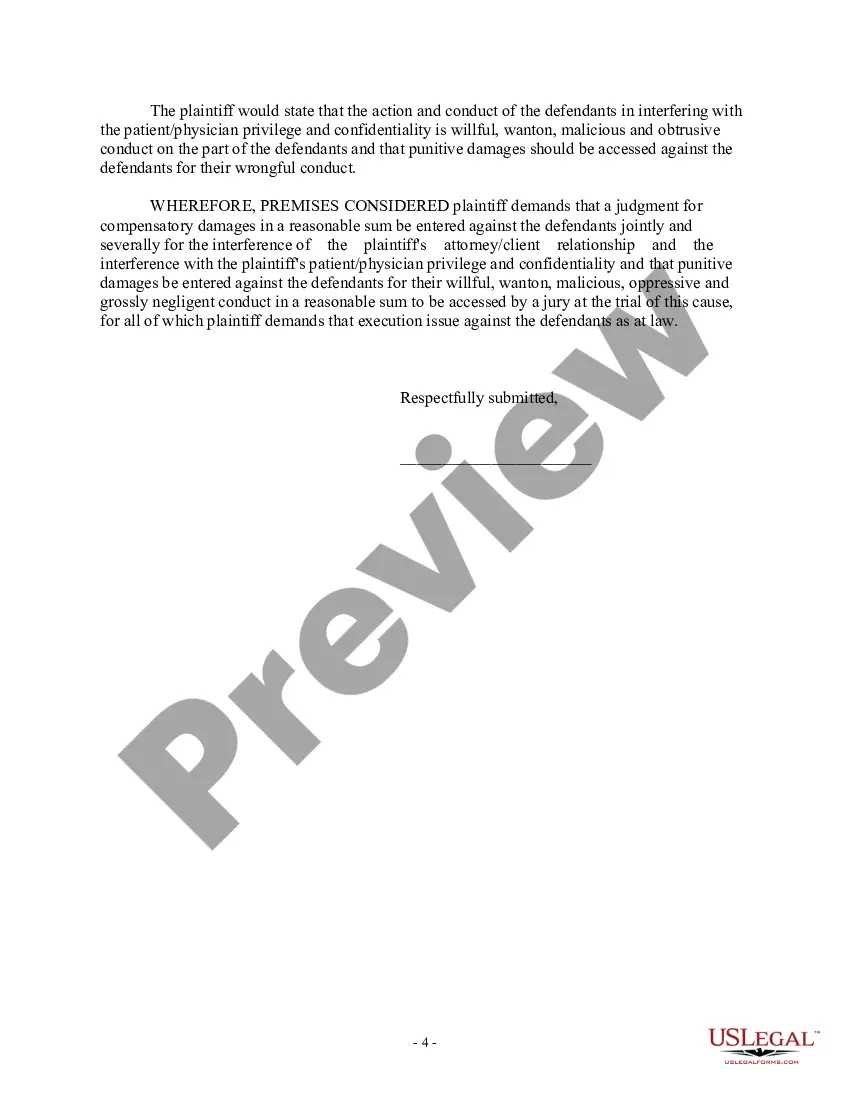




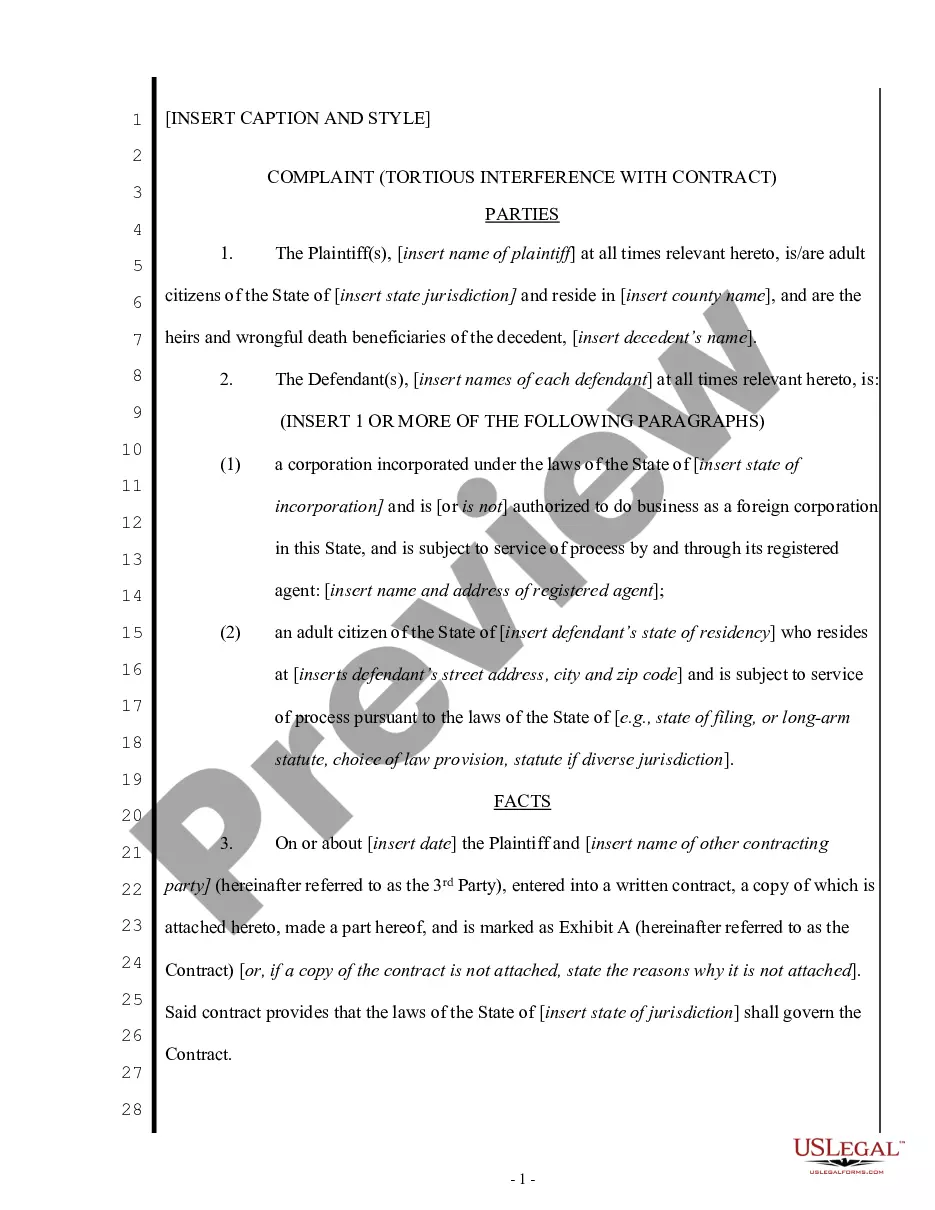
Get your form ready online
Our built-in tools help you complete, sign, share, and store your documents in one place.
Make edits, fill in missing information, and update formatting in US Legal Forms—just like you would in MS Word.
Download a copy, print it, send it by email, or mail it via USPS—whatever works best for your next step.
Sign and collect signatures with our SignNow integration. Send to multiple recipients, set reminders, and more. Go Premium to unlock E-Sign.
If this form requires notarization, complete it online through a secure video call—no need to meet a notary in person or wait for an appointment.
We protect your documents and personal data by following strict security and privacy standards.

Make edits, fill in missing information, and update formatting in US Legal Forms—just like you would in MS Word.

Download a copy, print it, send it by email, or mail it via USPS—whatever works best for your next step.

Sign and collect signatures with our SignNow integration. Send to multiple recipients, set reminders, and more. Go Premium to unlock E-Sign.

If this form requires notarization, complete it online through a secure video call—no need to meet a notary in person or wait for an appointment.

We protect your documents and personal data by following strict security and privacy standards.
Looking for another form?




Form popularity
FAQ
Client privilege The Advocate has a duty to keep confidential the information received from and advice given to the client. Unauthorised disclosure of client confidential information is professional misconduct.
Of course, the first profession I looked at was lawyers. Unsurprisingly, it turns out that most lawyers marry other lawyers. But male lawyers also marry schoolteachers, secretaries, and miscellaneous managers. And lawyers marry people in other computer occupations.
Legal ethics typically discourage or even prohibit lawyers from entering into romantic relationships with clients due to potential conflicts of interest, power imbalances, and the risk of compromising the lawyer's professional judgment.
So, yes, a lawyer can represent a family member but that does not mean the lawyer should. Before agreeing to represent a family member, a lawyer should find out if his or her policy excludes family member claims.
However, lawyers do not have any ethical rules that prohibit attorneys from becoming friends with their clients outside of ensuring that lawyers do not have a conflict which might impair their ability to provide solid representation.
9. (1) No advocate may coach or permit the coaching of any witness in the evidence he will or may give before any court, tribunal or arbitrator.
An advocate is a lawyer who has undergone additional training and has been admitted to the bar by the Chief Justice of Kenya.
Complaints against advocates may be made to the Advocates Complaints Commission, which is a department within the Attorney General's Chambers.
The complaints are received by way of a designated form, the Help Form (English / Kiswahili). The Help Form should be completed by the person who wishes to lodge a complaint and duly signed.
The Advocate has a duty to ensure that before making a public statement concerning a client's affairs, the Advocate is satisfied that any communication is in the best interest of the client and within the scope of the Advocate's engagement.