Attorney-client Relationship In South Africa In San Antonio
Description

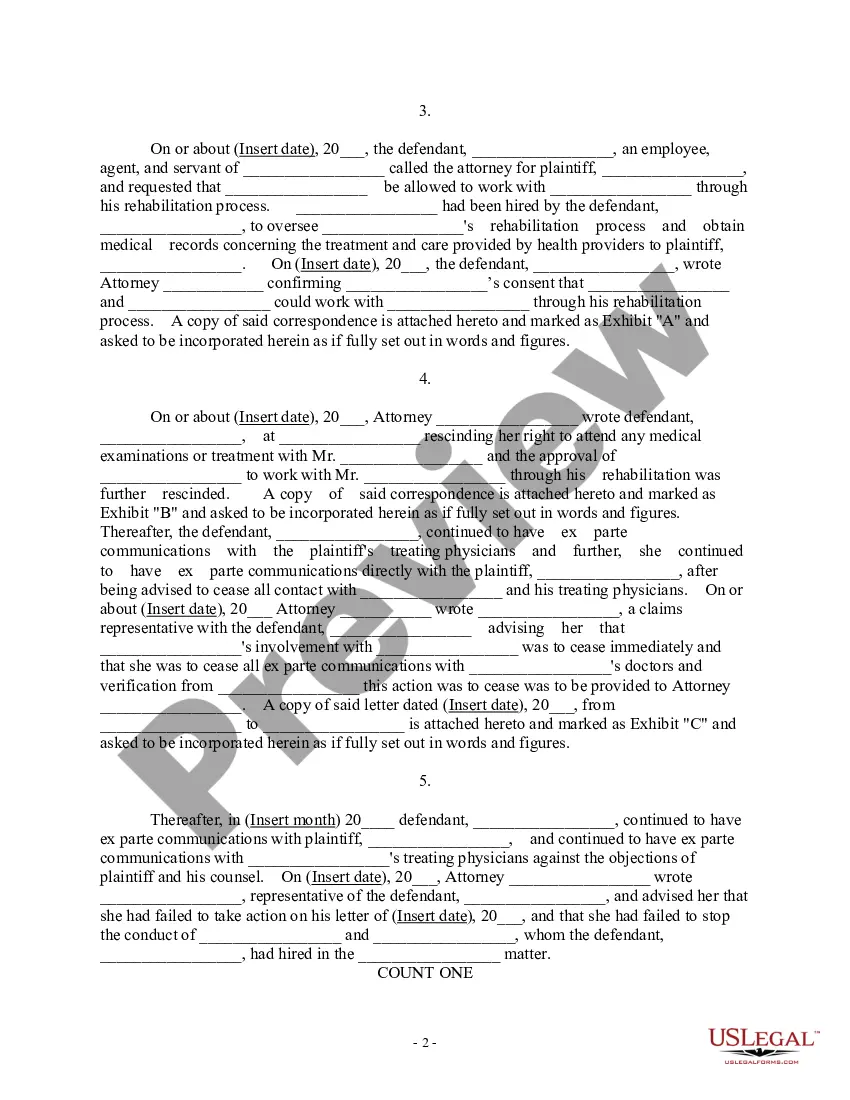
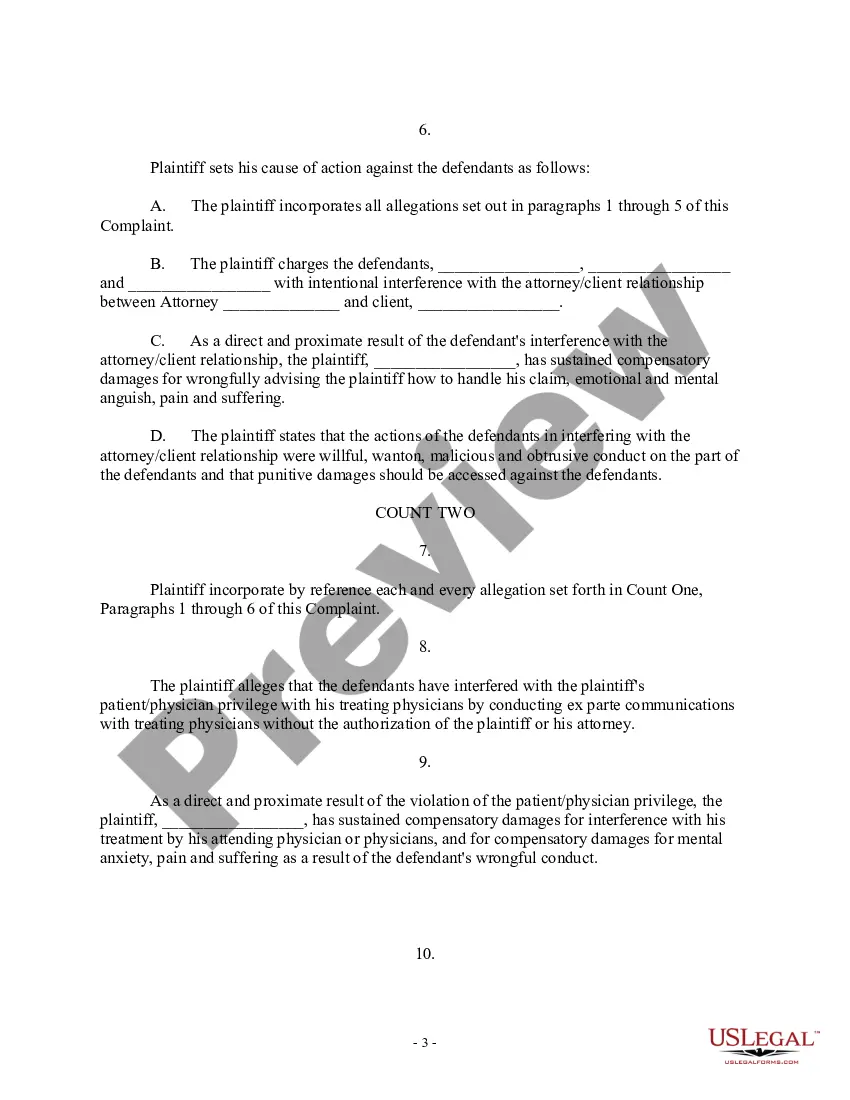
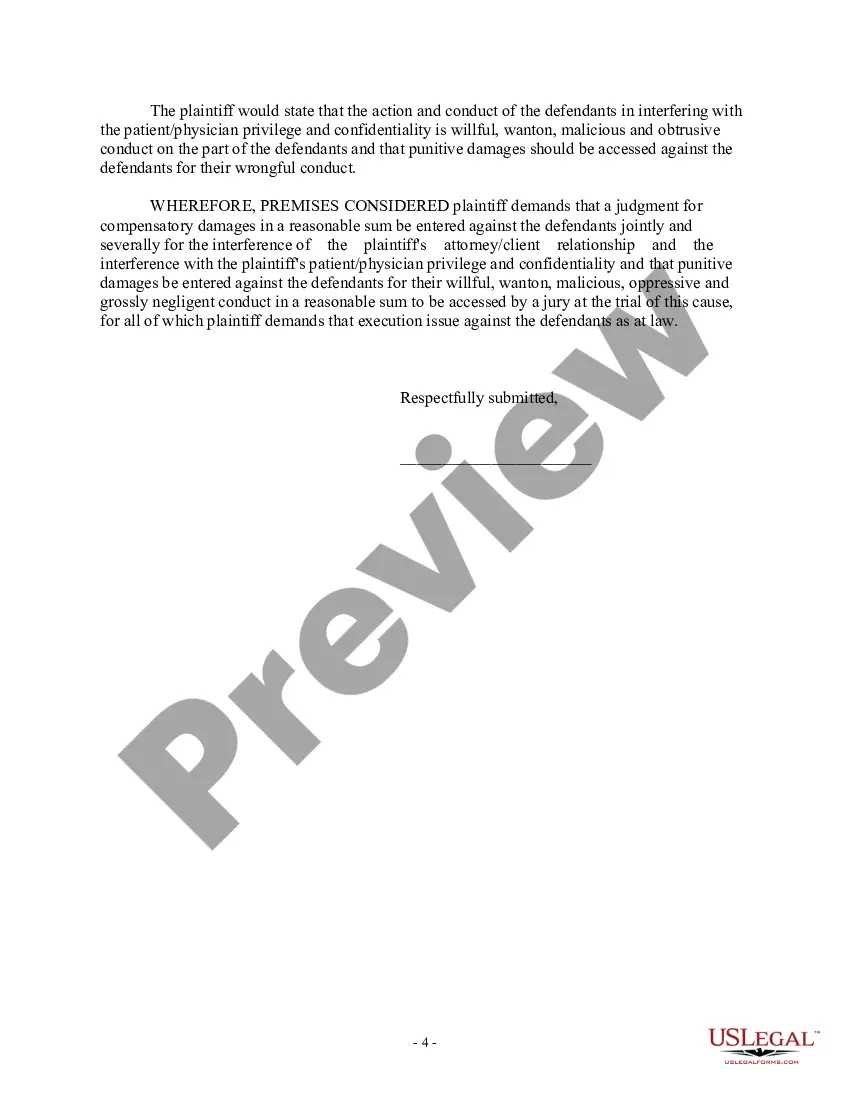





Get your form ready online
Our built-in tools help you complete, sign, share, and store your documents in one place.
Make edits, fill in missing information, and update formatting in US Legal Forms—just like you would in MS Word.
Download a copy, print it, send it by email, or mail it via USPS—whatever works best for your next step.
Sign and collect signatures with our SignNow integration. Send to multiple recipients, set reminders, and more. Go Premium to unlock E-Sign.
If this form requires notarization, complete it online through a secure video call—no need to meet a notary in person or wait for an appointment.
We protect your documents and personal data by following strict security and privacy standards.

Make edits, fill in missing information, and update formatting in US Legal Forms—just like you would in MS Word.

Download a copy, print it, send it by email, or mail it via USPS—whatever works best for your next step.

Sign and collect signatures with our SignNow integration. Send to multiple recipients, set reminders, and more. Go Premium to unlock E-Sign.

If this form requires notarization, complete it online through a secure video call—no need to meet a notary in person or wait for an appointment.

We protect your documents and personal data by following strict security and privacy standards.
Looking for another form?
Form popularity
FAQ
In South Africa, attorneys handle general legal tasks like client consultation and document preparation, while advocates specialise in courtroom advocacy and are usually hired by attorneys to represent clients in higher courts.
Professional Ethics: Most legal ethical codes strongly discourage or outright prohibit lawyers from engaging in romantic relationships with clients during representation. This is to maintain professional boundaries and ensure that the lawyer-client relationship is based solely on the client's legal needs.
The concept of legal professional privilege Attorney-client privilege is a legal privilege that enables an attorney to keep communication with his or her client secret. An opposing legal team cannot demand access to this information, either in a discovery request or by asking an attorney to testify under oath.
In different regions around the world, licenced legal professionals are called by different names. In South Africa, we refer to someone who performs a legal function as lawyers or attorneys (which can be used interchangeably).
Attorneys and Advocates Attorneys are engaged directly by clients, acting as the “manager” of litigious cases. Although both attorneys and advocates may appear in the High Court of South Africa, they will 'brief' an advocate when specialist litigation is required.
There is not difference between a lawyer and an attorney, other than semantics. In different regions around the world, licenced legal professionals are called by different names. In South Africa, we refer to someone who performs a legal function as lawyers or attorneys (which can be used interchangeably).
Types Of Lawyers In South Africa Criminal Lawyers. Criminal lawyers defend people or organisations accused of committing crimes. Civil Litigation Lawyers. Family Lawyers. Corporate Lawyers. Labour Lawyers. Property Lawyers. Intellectual Property Lawyers. Environmental Lawyers.
To practise local law, a foreign lawyer must requalify as a South African attorney. To be admitted as an attorney, an individual must have: an LLB degree from a South African university. two years' service under articles of clerkship with a South African firm of attorneys.
The establishment of the attorney-client relationship involves two elements: a person seeks advice or assistance from an attorney; and the attorney appears to give, agrees to give or gives the advice or assistance.
The basic requirement is an LLB degree from any South African university. Having achieved this, the next step is to apply to the High Court to be included on the 'roll' of advocates. To do this, an applicant must satisfy the court that he/she is both qualified and able to be a member of the profession.