Attorney Sleeping With Client In Riverside
Description

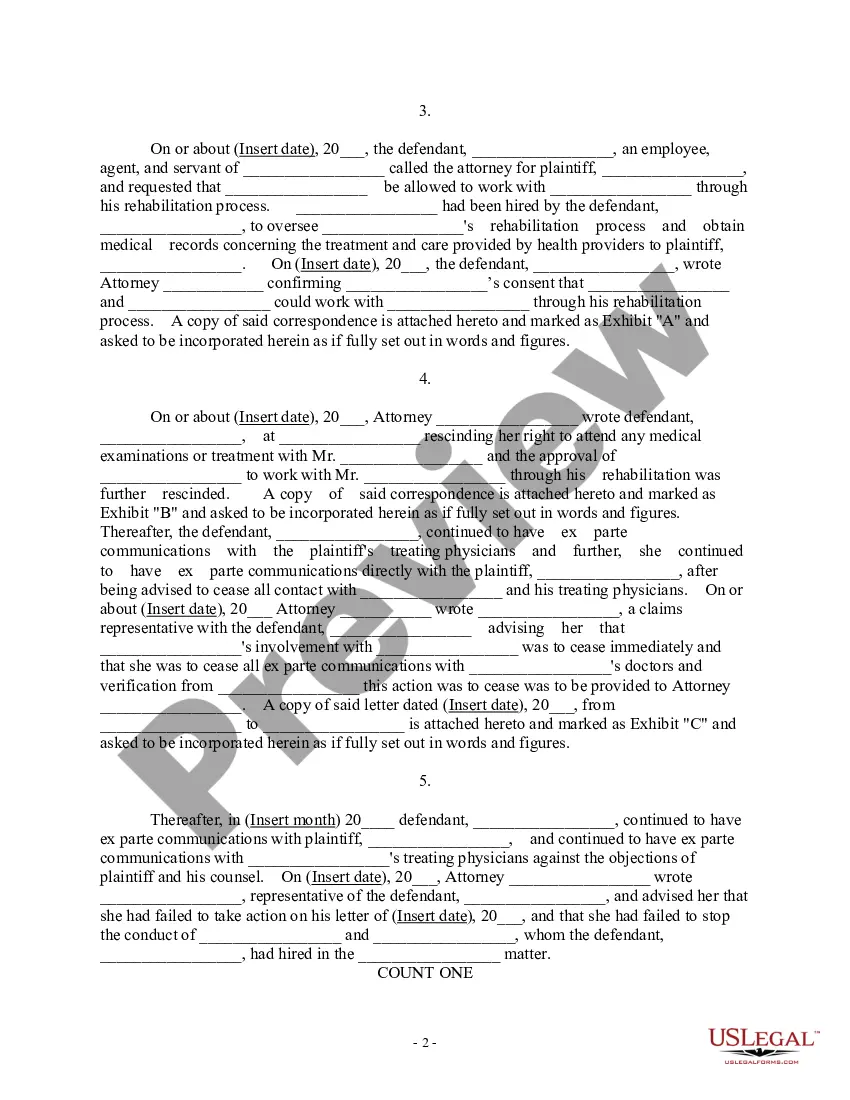
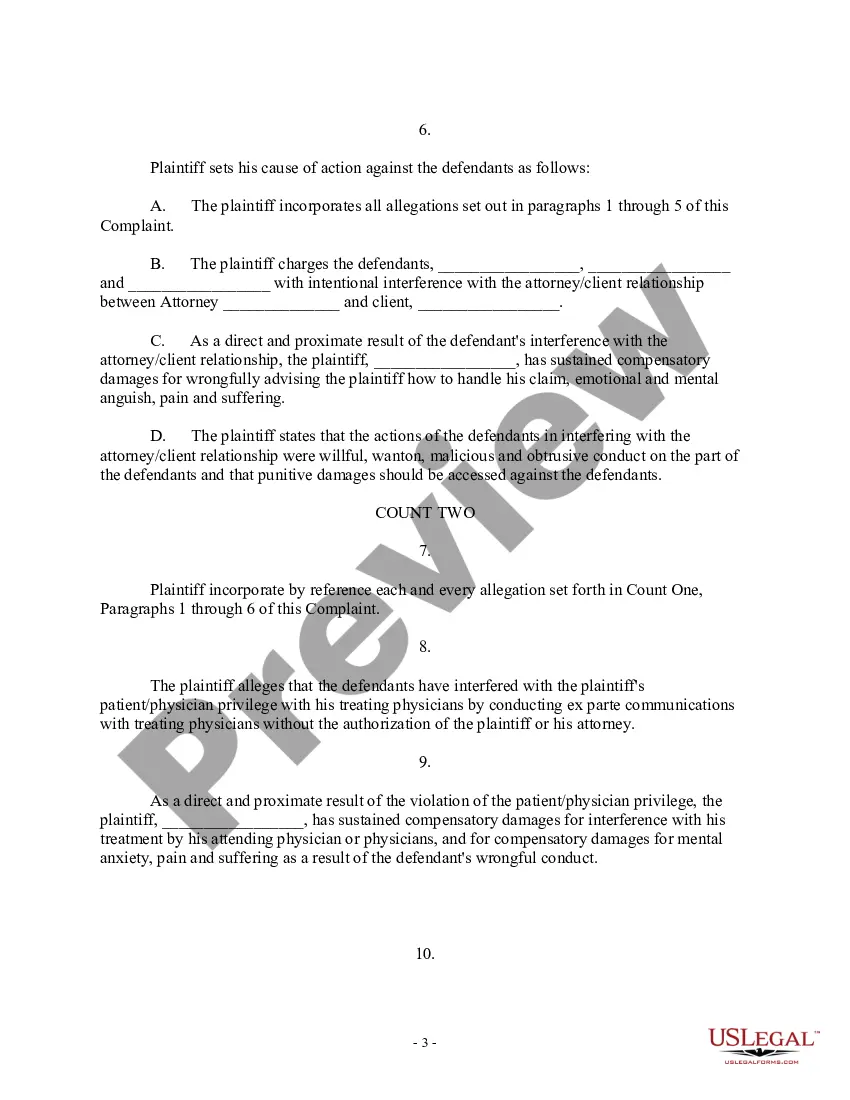
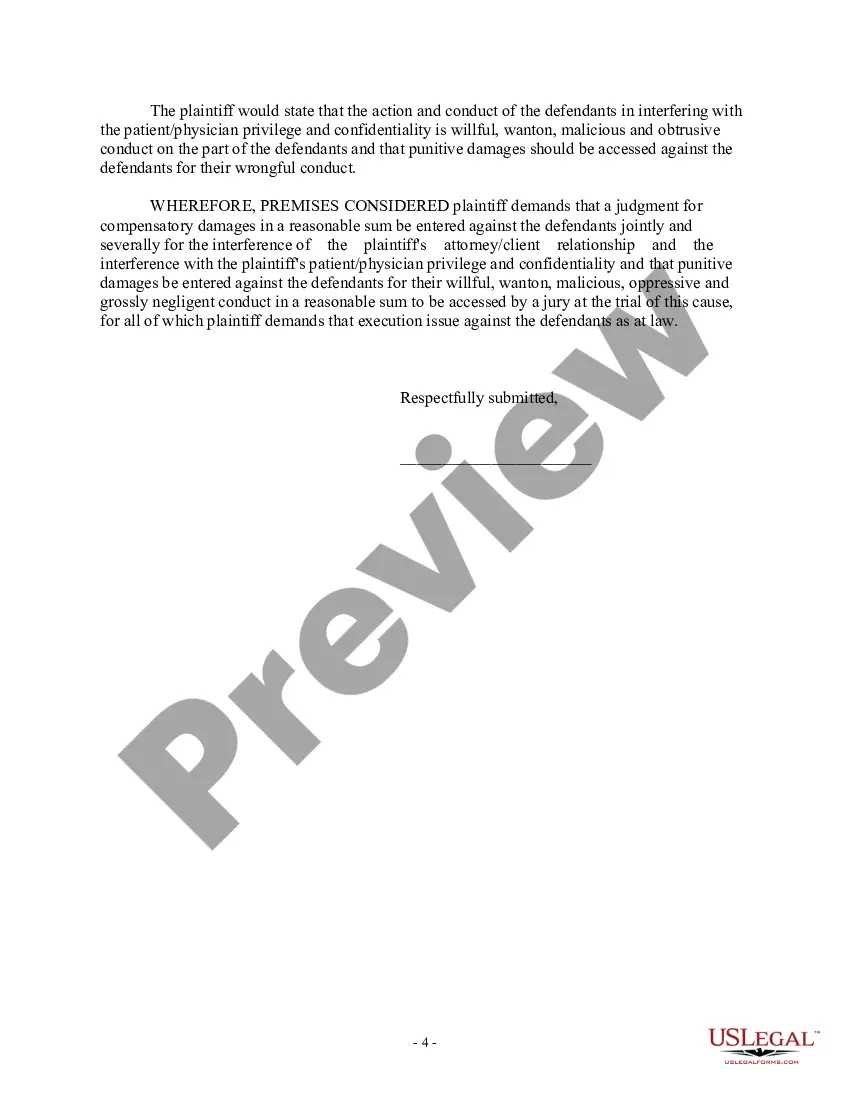




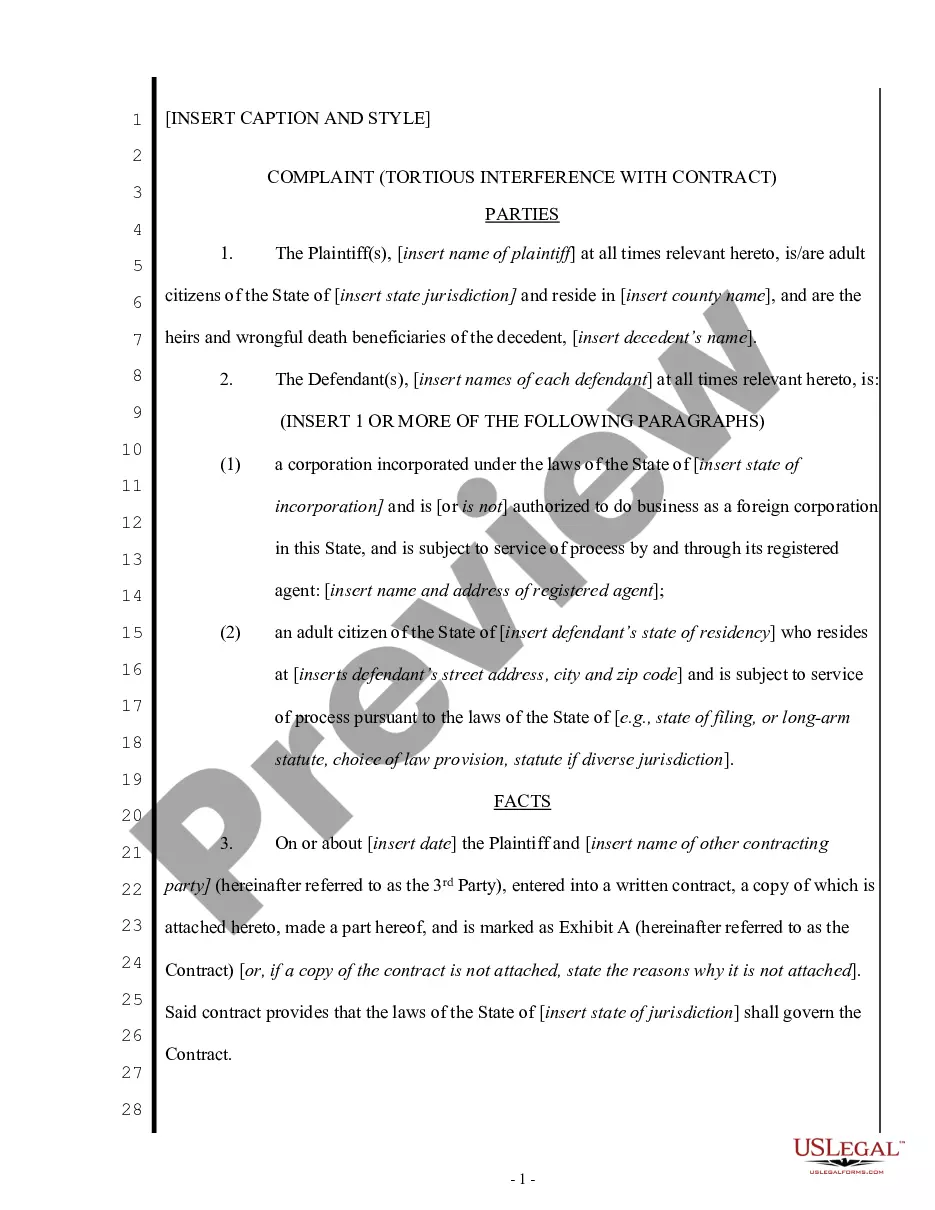
Get your form ready online
Our built-in tools help you complete, sign, share, and store your documents in one place.
Make edits, fill in missing information, and update formatting in US Legal Forms—just like you would in MS Word.
Download a copy, print it, send it by email, or mail it via USPS—whatever works best for your next step.
Sign and collect signatures with our SignNow integration. Send to multiple recipients, set reminders, and more. Go Premium to unlock E-Sign.
If this form requires notarization, complete it online through a secure video call—no need to meet a notary in person or wait for an appointment.
We protect your documents and personal data by following strict security and privacy standards.

Make edits, fill in missing information, and update formatting in US Legal Forms—just like you would in MS Word.

Download a copy, print it, send it by email, or mail it via USPS—whatever works best for your next step.

Sign and collect signatures with our SignNow integration. Send to multiple recipients, set reminders, and more. Go Premium to unlock E-Sign.

If this form requires notarization, complete it online through a secure video call—no need to meet a notary in person or wait for an appointment.

We protect your documents and personal data by following strict security and privacy standards.
Looking for another form?







Form popularity
FAQ
Proposed rule 4.2 carries forward the substance of current rule 2-100, the “no contact” rule, and prohibits a lawyer who represents a client in a matter from communicating, either directly or indirectly, about the subject matter of the representation with a person represented by a lawyer in the same matter.
Can lawyers refuse to defend someone? Yes, under certain circumstances, lawyers have the right to decline representation, including conflicts of interest, lack of expertise, or personal beliefs. However, they cannot deny representation based on whether the client is guilty or innocent.
Professional Ethics: Most legal ethical codes strongly discourage or outright prohibit lawyers from engaging in romantic relationships with clients during representation. This is to maintain professional boundaries and ensure that the lawyer-client relationship is based solely on the client's legal needs.
Within our legal practice, we hold the autonomy to accept or refuse client representation. This decision is often guided by numerous crucial considerations pertaining to our ethical and professional obligations, potential conflicts of interest, and the substantive evaluation of the cases presented before us.
In most jurisdictions, ethical rules explicitly prohibit lawyers from engaging in sexual relationships with clients. This prohibition is based on several key reasons: Conflict of Interest: A romantic or sexual relationship can create a significant conflict of interest.
DO LAWYERS HAVE TO ACCEPT EVERY CASE? No. In fact, in some situations, lawyers cannot accept a case or agree to represent a certain client.
Put your business forward: Saying no to a client seeking representation isn't personal; it's just business. If an attorney is unable to provide effective counsel, they could ultimately find themselves in a lawsuit.
Some do so fairly routinely; others will do so only under special circumstances; and there may be some who won't do so at all. However, attorneys are not supposed to solicit business through this forum, so in order to find out if a given attorney will come to you, you need to contact the attorney's office directly.
Such a disclosure can result in grave consequences to the client, including not only a sense of betrayal but also loss of the case and perhaps a prosecution for perjury.
In most jurisdictions, ethical rules explicitly prohibit lawyers from engaging in sexual relationships with clients. This prohibition is based on several key reasons: Conflict of Interest: A romantic or sexual relationship can create a significant conflict of interest.