Formation Of Attorney Client Relationship California In Phoenix
Description


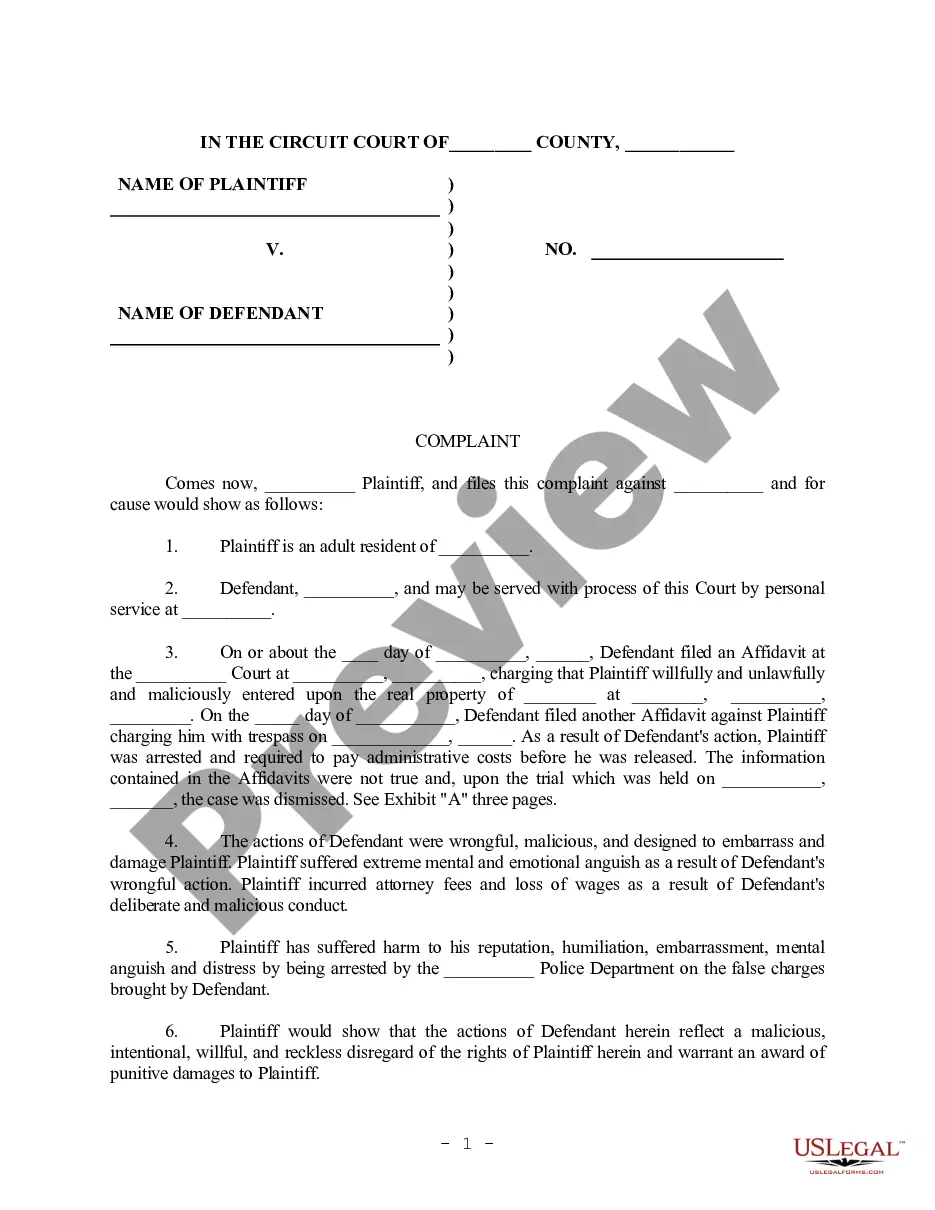
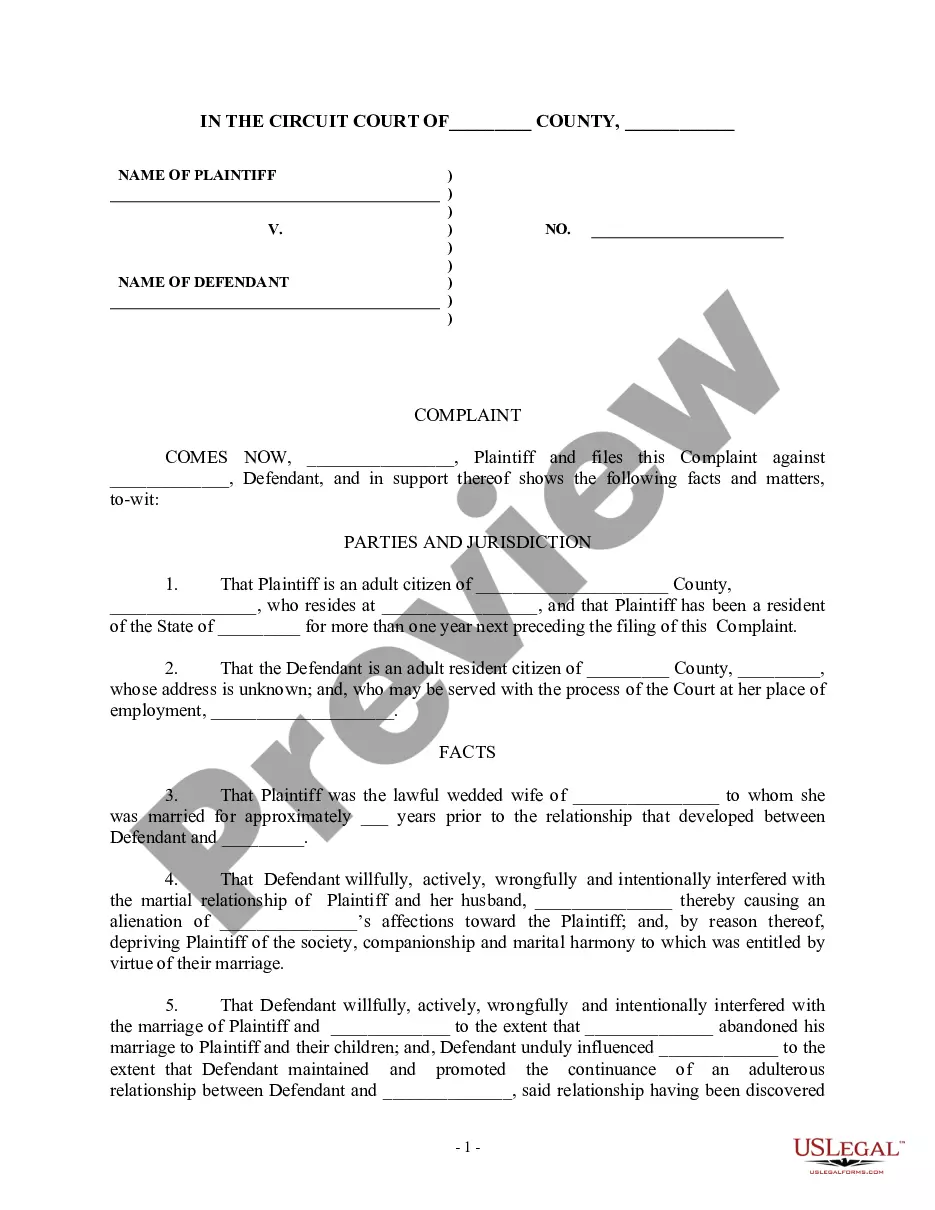

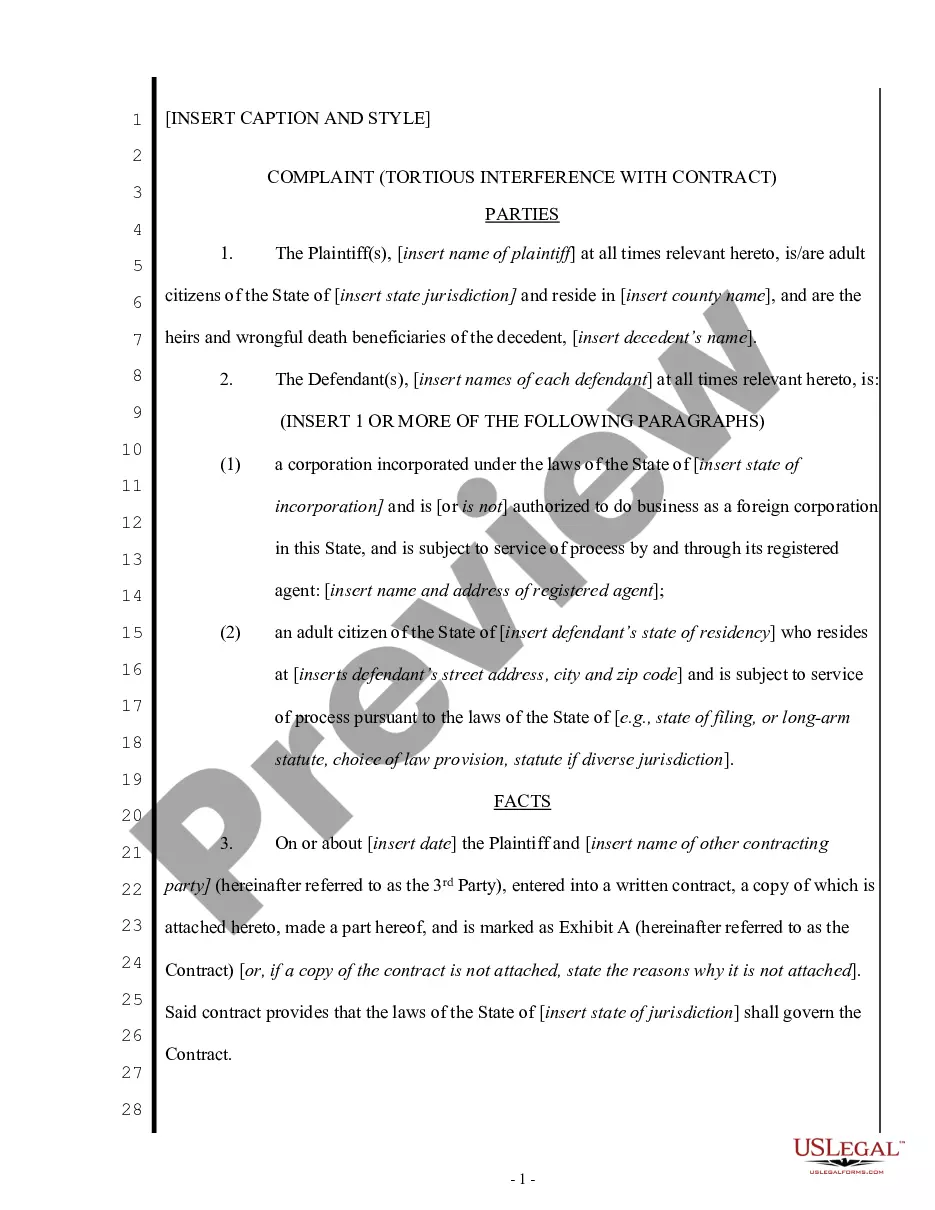
Get your form ready online
Our built-in tools help you complete, sign, share, and store your documents in one place.
Make edits, fill in missing information, and update formatting in US Legal Forms—just like you would in MS Word.
Download a copy, print it, send it by email, or mail it via USPS—whatever works best for your next step.
Sign and collect signatures with our SignNow integration. Send to multiple recipients, set reminders, and more. Go Premium to unlock E-Sign.
If this form requires notarization, complete it online through a secure video call—no need to meet a notary in person or wait for an appointment.
We protect your documents and personal data by following strict security and privacy standards.

Make edits, fill in missing information, and update formatting in US Legal Forms—just like you would in MS Word.

Download a copy, print it, send it by email, or mail it via USPS—whatever works best for your next step.

Sign and collect signatures with our SignNow integration. Send to multiple recipients, set reminders, and more. Go Premium to unlock E-Sign.

If this form requires notarization, complete it online through a secure video call—no need to meet a notary in person or wait for an appointment.

We protect your documents and personal data by following strict security and privacy standards.
Looking for another form?









Form popularity
FAQ
Canon 1 – A paralegal must not: (a) engage in, encourage, or contribute to any act which could constitute the unauthorized practice of law; (b) establish attorney-client relationships, set fees, give legal opinions or advice, or represent a client before a court or agency unless so authorized by that court or agency; ...
The establishment of the attorney-client relationship involves two elements: a person seeks advice or assistance from an attorney; and the attorney appears to give, agrees to give or gives the advice or assistance.
Canon 3 – A paralegal may perform any task which is properly delegated and supervised by an attorney, as long as the attorney is ultimately responsible to the client, maintains a direct relationship with the client, and assumes professional responsibility for the work product.
Rule 4.1 Truthfulness in Statements to Others (b) fail to disclose a material fact to a third person when disclosure is necessary to avoid assisting a criminal or fraudulent act by a client, unless disclosure is prohibited by Business and Professions Code section 6068, subdivision (e)(1) or rule 1.6.
The establishment of the attorney-client relationship involves two elements: a person seeks advice or assistance from an attorney; and the attorney appears to give, agrees to give or gives the advice or assistance.
Q: At what point in time does the privilege legally begin? A: Immediately — as soon as those three elements are met (the lawyer-client; private communication, and for purposes of legal advice).
Communication. Open, honest, and regular communication forms the backbone of an effective attorney-client relationship. Our attorneys ensure they are accessible to clients, providing updates on their cases and being clear about the legal process.
Communication. Open, honest, and regular communication forms the backbone of an effective attorney-client relationship. Our attorneys ensure they are accessible to clients, providing updates on their cases and being clear about the legal process.
Except when created by court appointment, the attorney-client relationship may be found to exist based on the intent and conduct of the parties and the reasonable expectations of the potential client.
The current Model Rule created by the American Bar Association, which has been adopted in most US jurisdictions, provides as follows: ``A lawyer shall not have sexual relations with a client unless a consensual sexual relationship existed between them when the client-lawyer relationship commenced.'' Model Rule 1.8(j).