Define Attorney-client Relationship In Law In Orange
Description

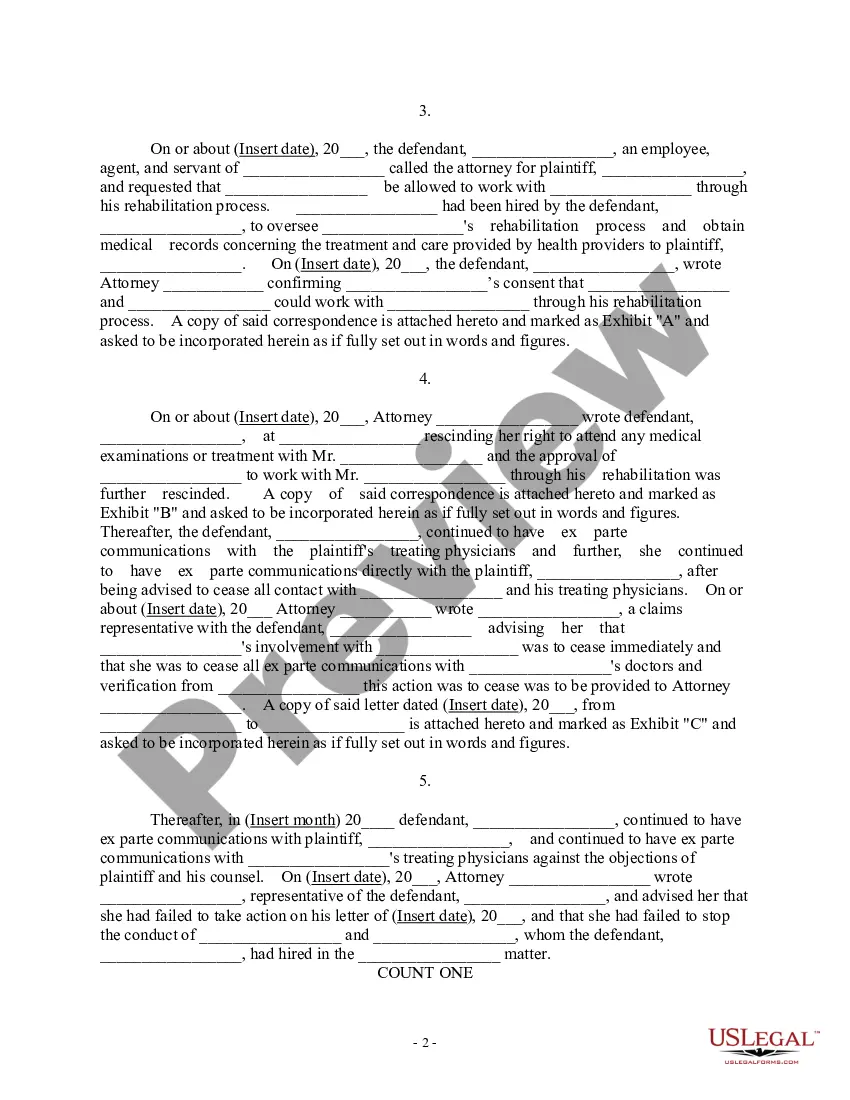
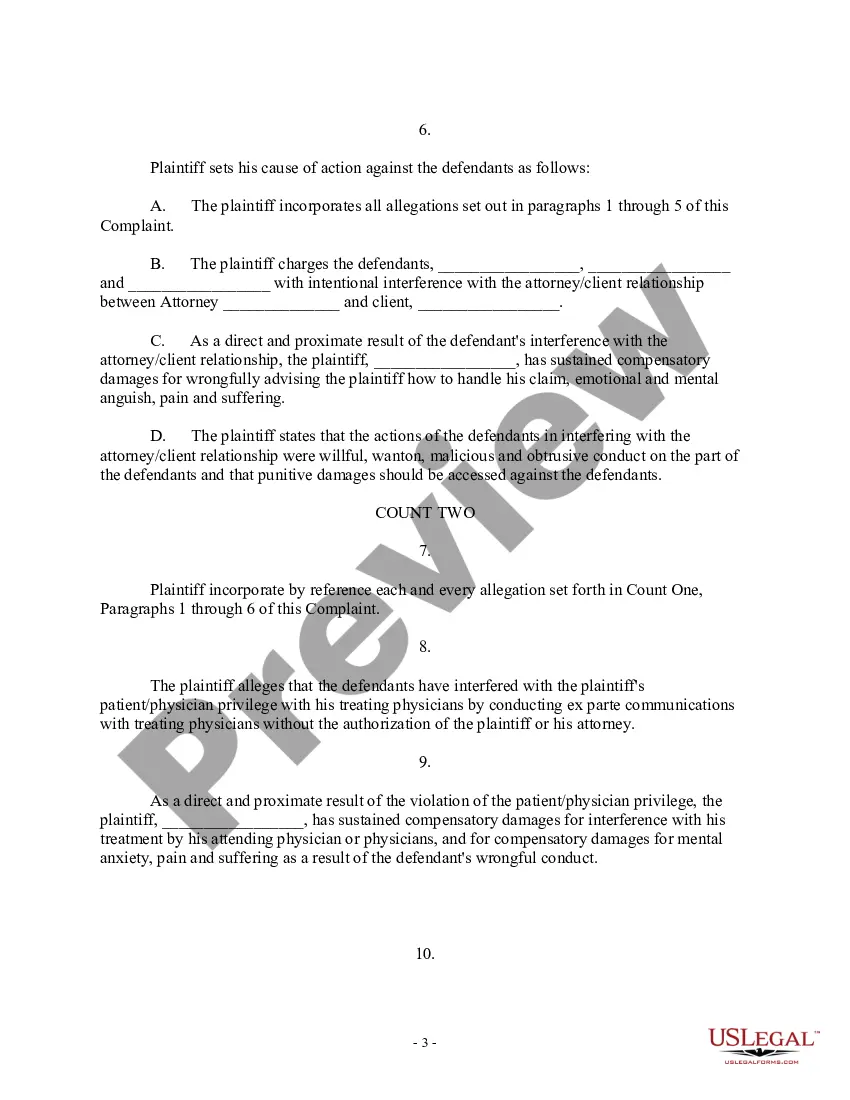
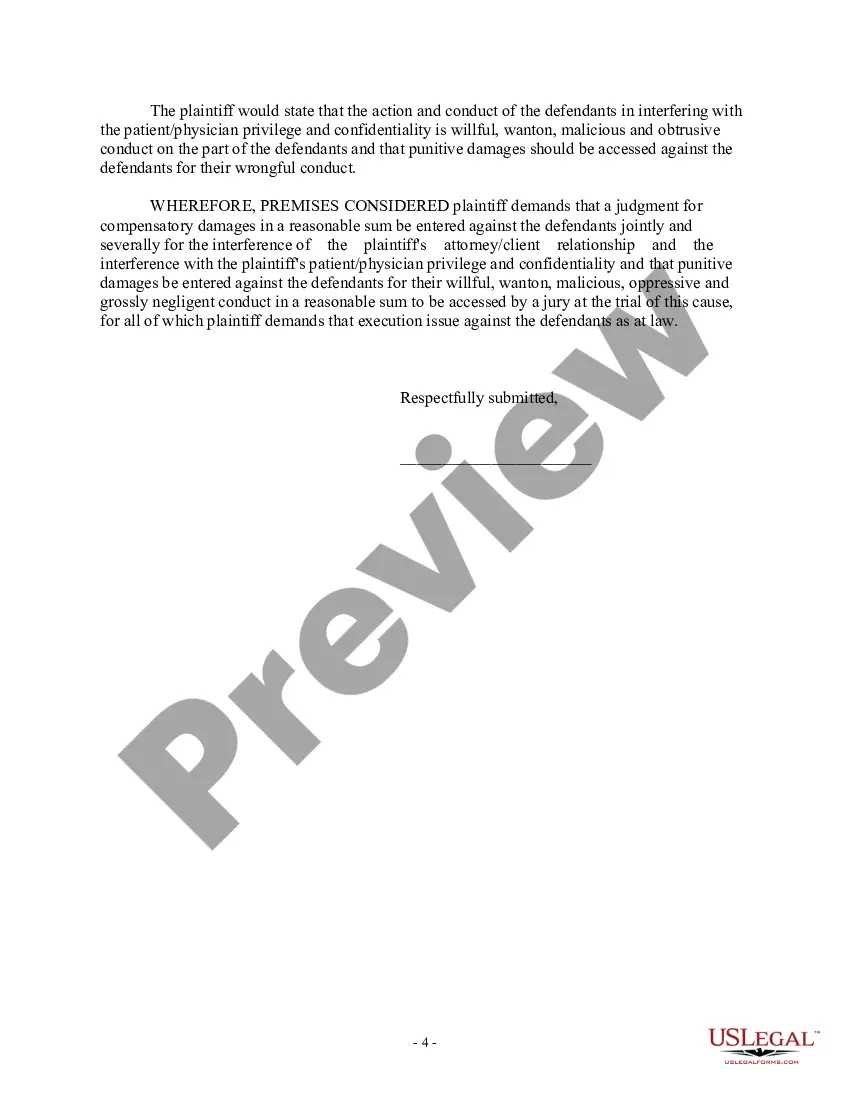

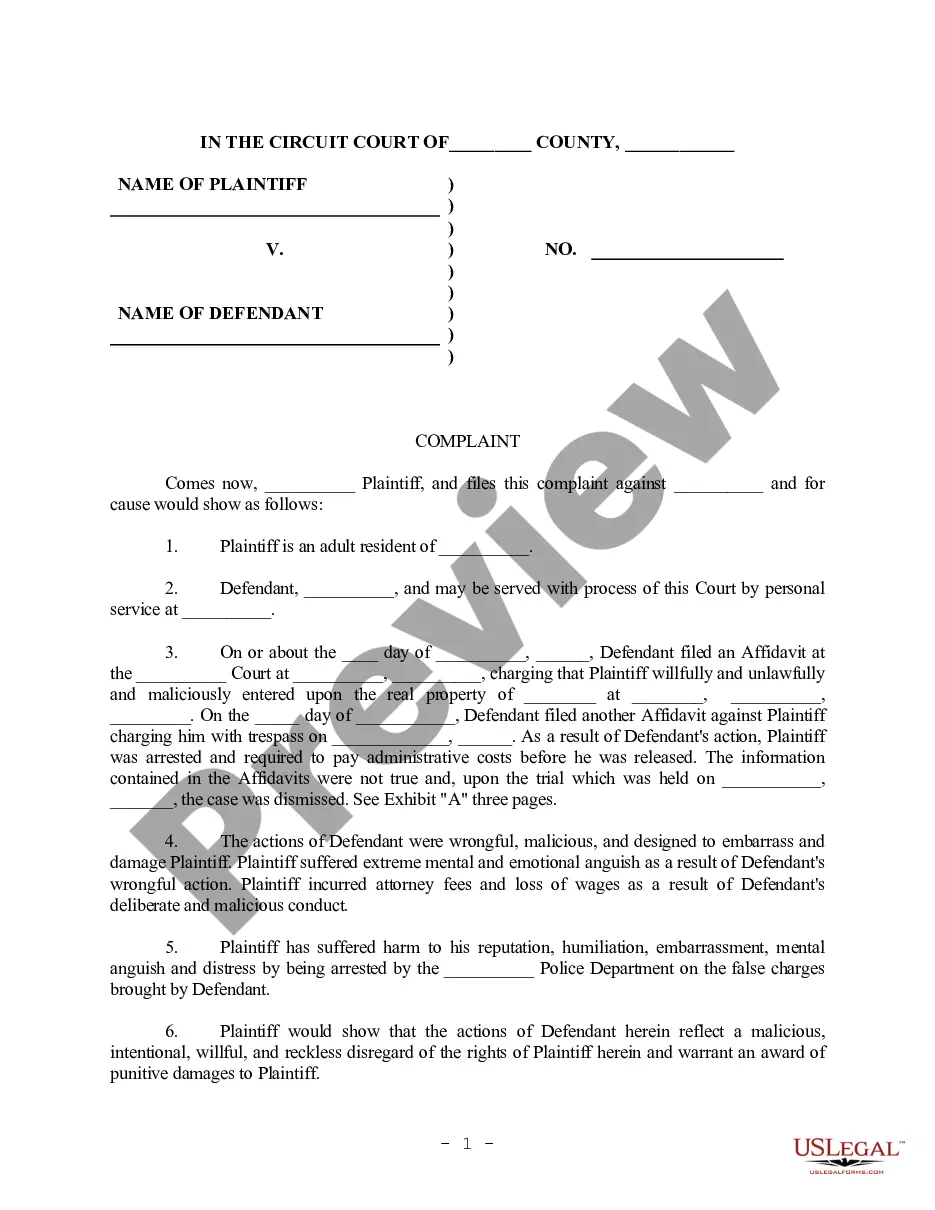

Get your form ready online
Our built-in tools help you complete, sign, share, and store your documents in one place.
Make edits, fill in missing information, and update formatting in US Legal Forms—just like you would in MS Word.
Download a copy, print it, send it by email, or mail it via USPS—whatever works best for your next step.
Sign and collect signatures with our SignNow integration. Send to multiple recipients, set reminders, and more. Go Premium to unlock E-Sign.
If this form requires notarization, complete it online through a secure video call—no need to meet a notary in person or wait for an appointment.
We protect your documents and personal data by following strict security and privacy standards.

Make edits, fill in missing information, and update formatting in US Legal Forms—just like you would in MS Word.

Download a copy, print it, send it by email, or mail it via USPS—whatever works best for your next step.

Sign and collect signatures with our SignNow integration. Send to multiple recipients, set reminders, and more. Go Premium to unlock E-Sign.

If this form requires notarization, complete it online through a secure video call—no need to meet a notary in person or wait for an appointment.

We protect your documents and personal data by following strict security and privacy standards.
Looking for another form?








Form popularity
FAQ
The attorney-client privilege maintains the confidentiality of certain communications, made between attorneys and their clients, for the purpose of seeking or providing legal advice. The privilege protects communications made orally or in writing, in person or over the telephone, in letters or in emails.
If an attorney-client relationship exists, an attorney owes a duty of confidentiality to the clients. Except in those situations where a court appoints an attorney, the attorney-client relationship is created by contract, either express or implied.
Canon 1 – A paralegal must not: (a) engage in, encourage, or contribute to any act which could constitute the unauthorized practice of law; (b) establish attorney-client relationships, set fees, give legal opinions or advice, or represent a client before a court or agency unless so authorized by that court or agency; ...
There are two major exceptions to the lawyer-client privilege under the California Evidence Code, as discussed below. 2.1. Crime or fraud. 2.2. Preventing death or substantial physical harm.
The first answer is that an attorney-client relationship ends upon the happening of one of three events: the first is the attorney moves to withdraw and the judge grants withdrawal, the second is the client consents the attorney off the case, and the last is that the case has ended.
An attorney-client relationship may be implied when: (1) a person seeks legal advice from an attorney; (2) the advice sought is within the attorney's professional competence: (3) and the attorney actually gives the advice.
Attorney client privledge lasts even after death. However, no client nor attorney can claim attorney-client privledge if the communication enables or assists in any way the commission of a crime. That is considered an exception to the Rules of Ethical Standards which is where Attorney client privledge is covered.
No matter how the attorney-client privilege is articulated, there are four basic elements necessary to establish its existence: (1) a communication; (2) made between privileged persons; (3) in confidence; (4) for the purpose of seeking, obtaining or providing legal assistance to the client.