Lawyer With Client In Nassau
Description


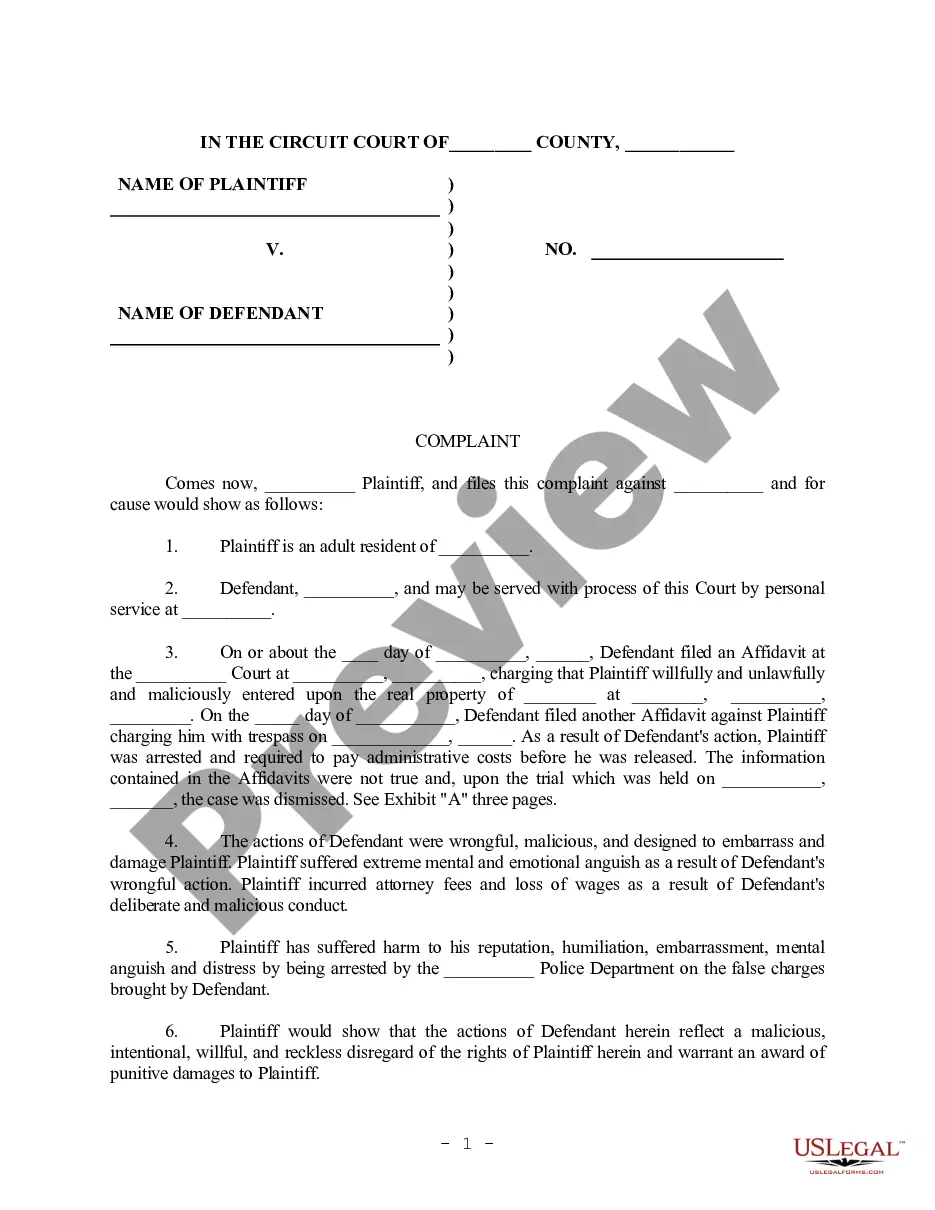
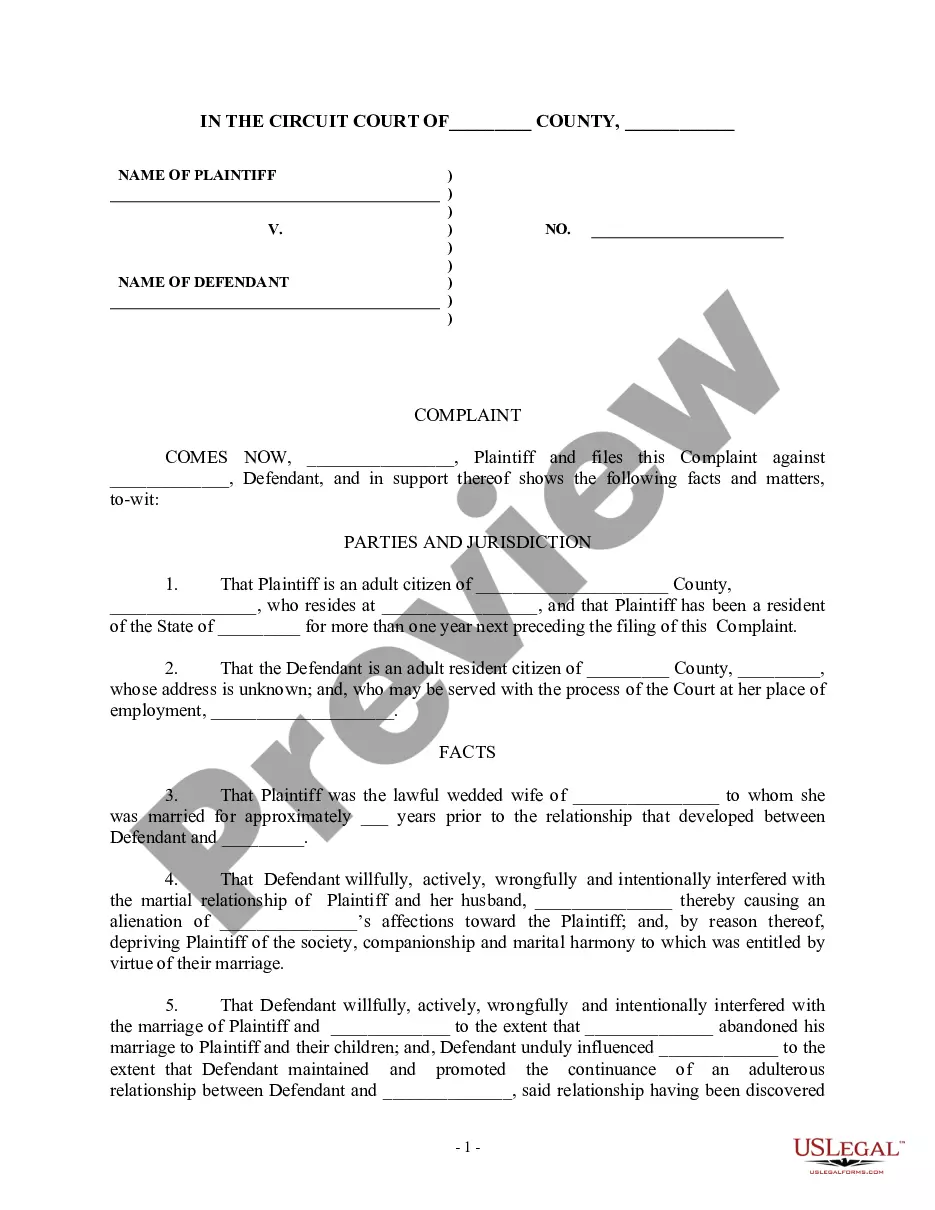

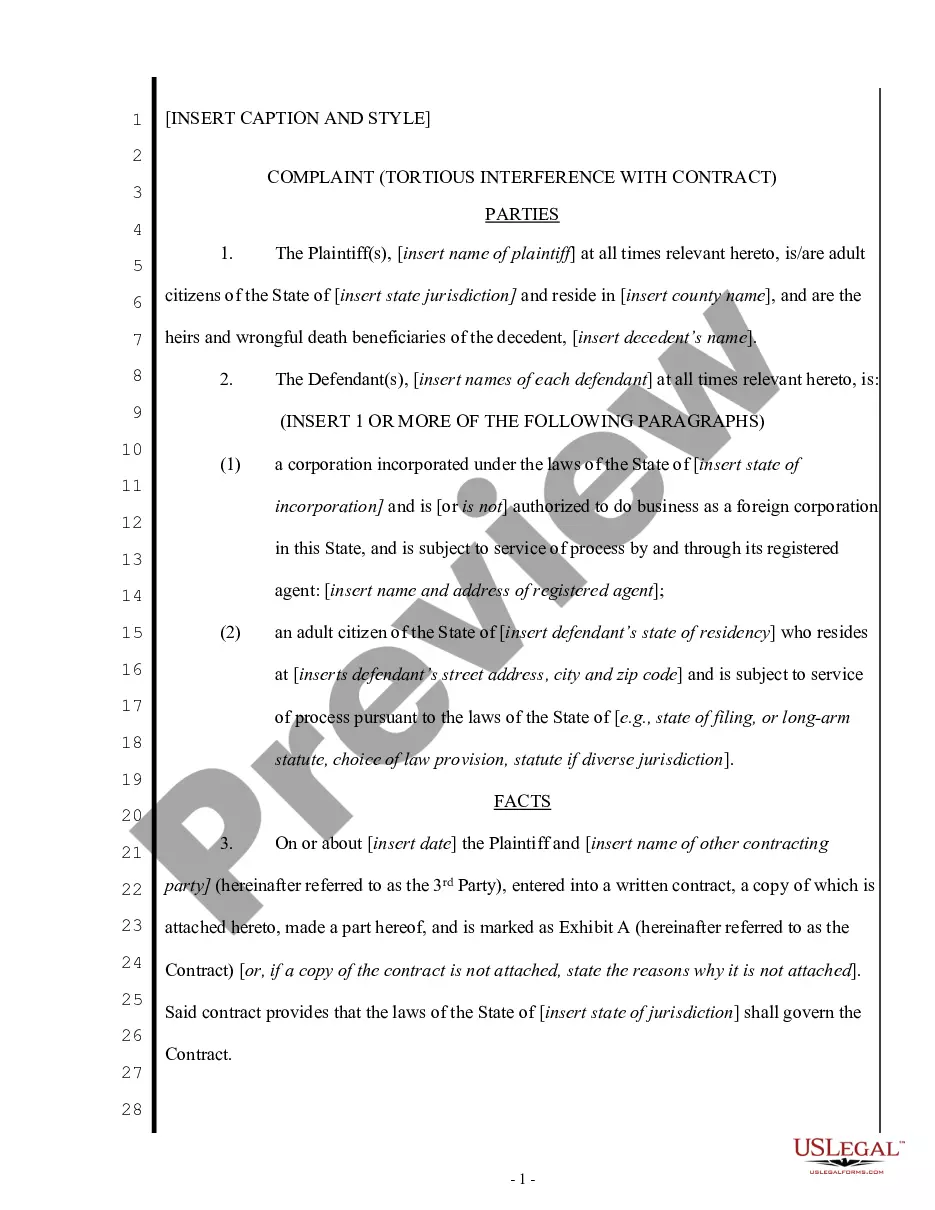
Get your form ready online
Our built-in tools help you complete, sign, share, and store your documents in one place.
Make edits, fill in missing information, and update formatting in US Legal Forms—just like you would in MS Word.
Download a copy, print it, send it by email, or mail it via USPS—whatever works best for your next step.
Sign and collect signatures with our SignNow integration. Send to multiple recipients, set reminders, and more. Go Premium to unlock E-Sign.
If this form requires notarization, complete it online through a secure video call—no need to meet a notary in person or wait for an appointment.
We protect your documents and personal data by following strict security and privacy standards.

Make edits, fill in missing information, and update formatting in US Legal Forms—just like you would in MS Word.

Download a copy, print it, send it by email, or mail it via USPS—whatever works best for your next step.

Sign and collect signatures with our SignNow integration. Send to multiple recipients, set reminders, and more. Go Premium to unlock E-Sign.

If this form requires notarization, complete it online through a secure video call—no need to meet a notary in person or wait for an appointment.

We protect your documents and personal data by following strict security and privacy standards.
Looking for another form?







Form popularity
FAQ
Trial presentation entails exactly what the name implies. It is a presentation of visuals and key points that are designed to enhance an attorney's case.
Your first meeting with a lawyer is called an “initial consultation.” During this meeting, the lawyer will decide whether she wants to take your case, and you will decide whether you want to hire this lawyer.
Preman, 911 S.W. 2d 288, 301 (Mo. App. 1995) ("The relation between attorney and client is fiduciary and binds the attorney to a scrupulous fidelity to the cause of the client which precludes the attorney from any personal advantage from the abuse of that reposed confidence. . . .
A legal consultation is the initial meeting between a potential lawyer and client. These meetings allow the client to discuss their case with an attorney. Then, the attorney can give an overview of their recommended course of action.
In the overcrowded conditions of most courthouses, attorneys can be seen meeting with their clients in public-waiting areas, the cafeteria, the law library, in the back of courtrooms, in telephone booths, or any place that is available.
This contract is essential to ensure a clear and fair professional relationship between both parties. Its main purpose is to define the services that the lawyer will provide, as well as the client's rights and responsibilities.
Common reasons clients file a complaint against their attorney: Your lawyer doesn't respond to your attempts at contact and refuses to return telephone calls and emails. You're told a settlement check was sent to your attorney, but your lawyer never informs you of it.
In representing a client, a lawyer shall not communicate about the subject of the representation with a person the lawyer knows to be represented by another lawyer in the matter, unless the lawyer has the consent of the other lawyer or is authorized to do so by law or a court order.
For how long must records be kept Broadly, records of a particular transaction, either as an occasional transaction or within a business relationship, must be kept for five years after the date the transaction is completed.
This is consistent with a California Rule of Professional Conduct which requires an attorney to maintain all records of client funds and other properties that the client provided to the attorney for at least five years.