Attorney Client Privilege For A Corporation In King
Description

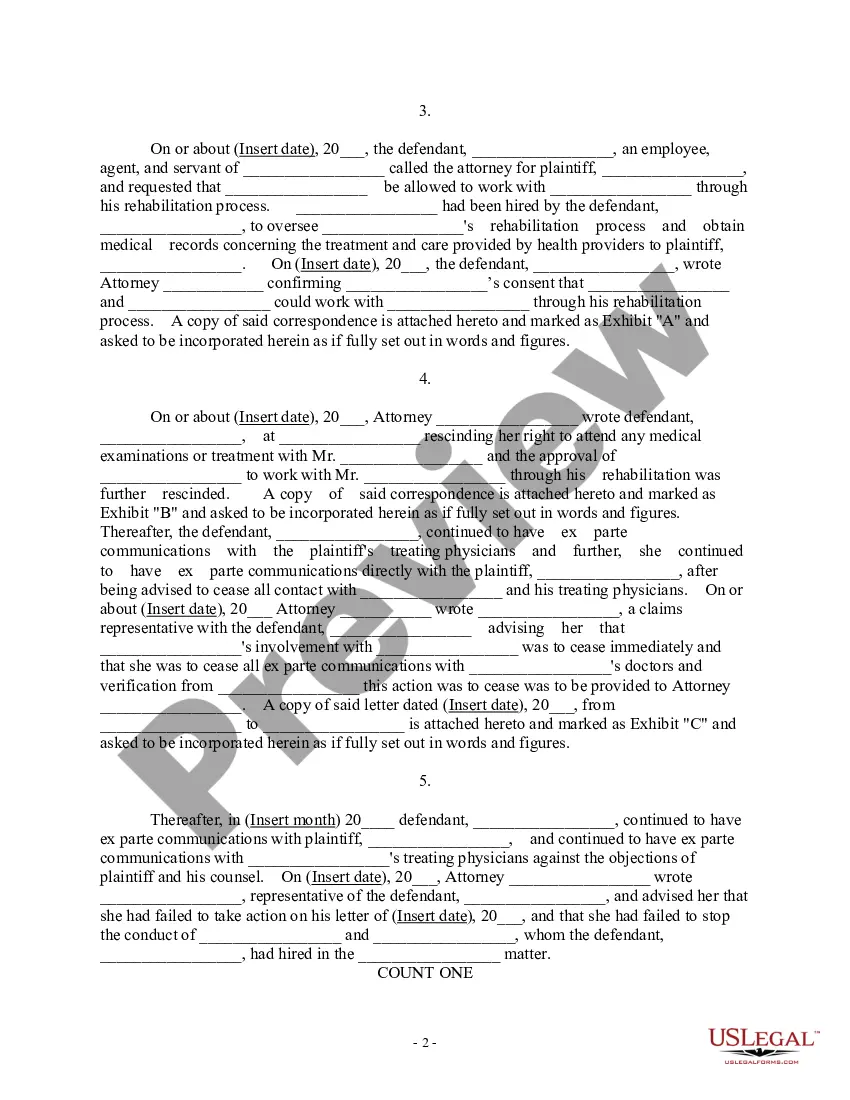
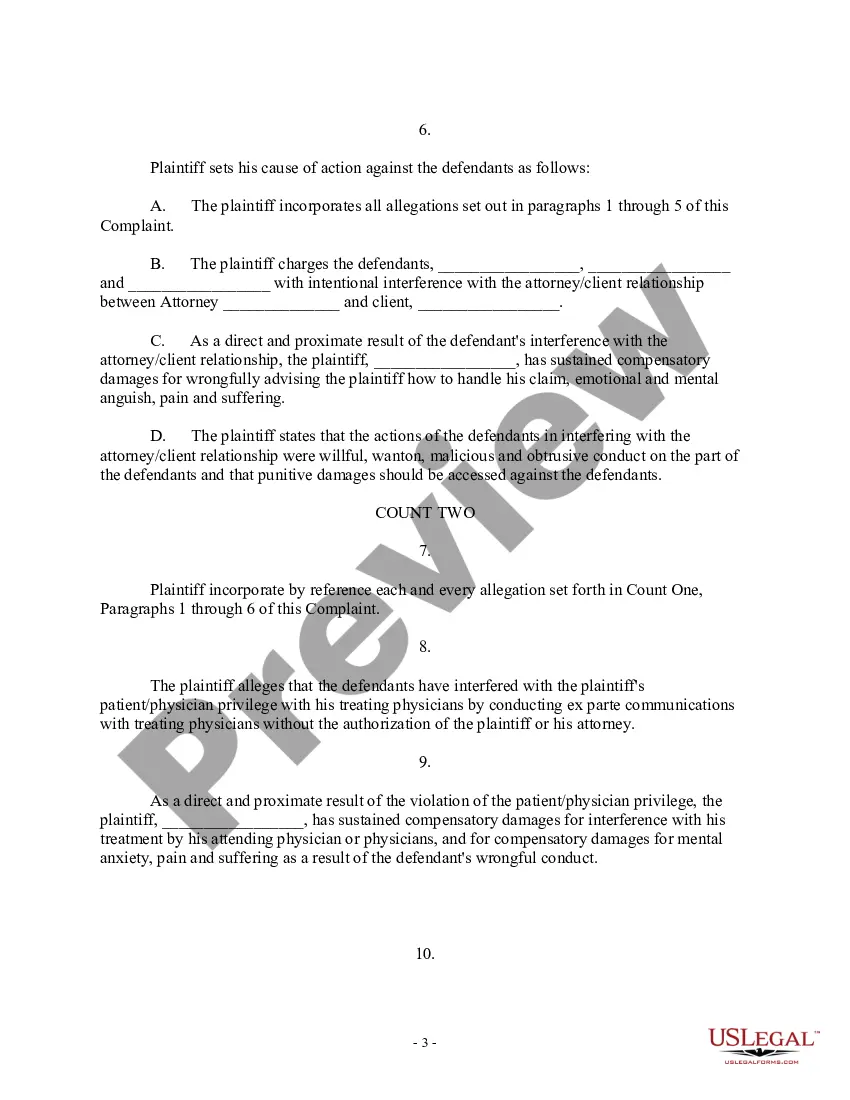
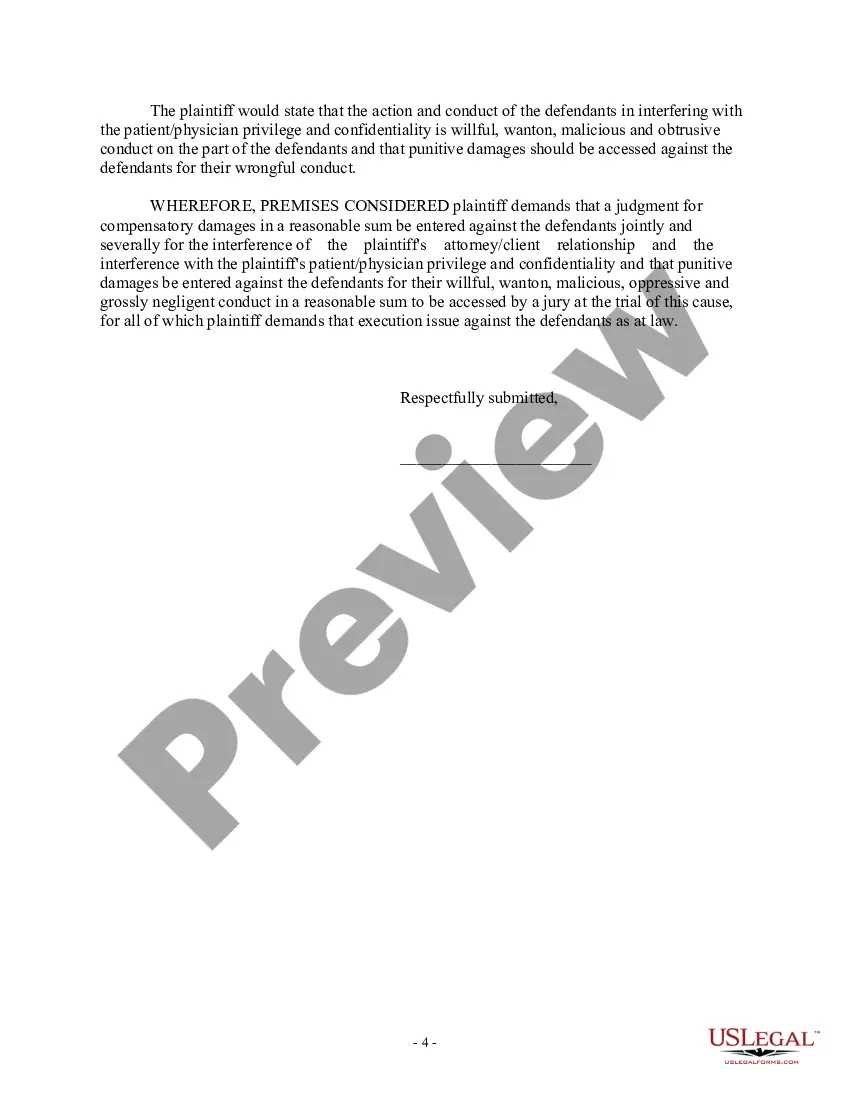

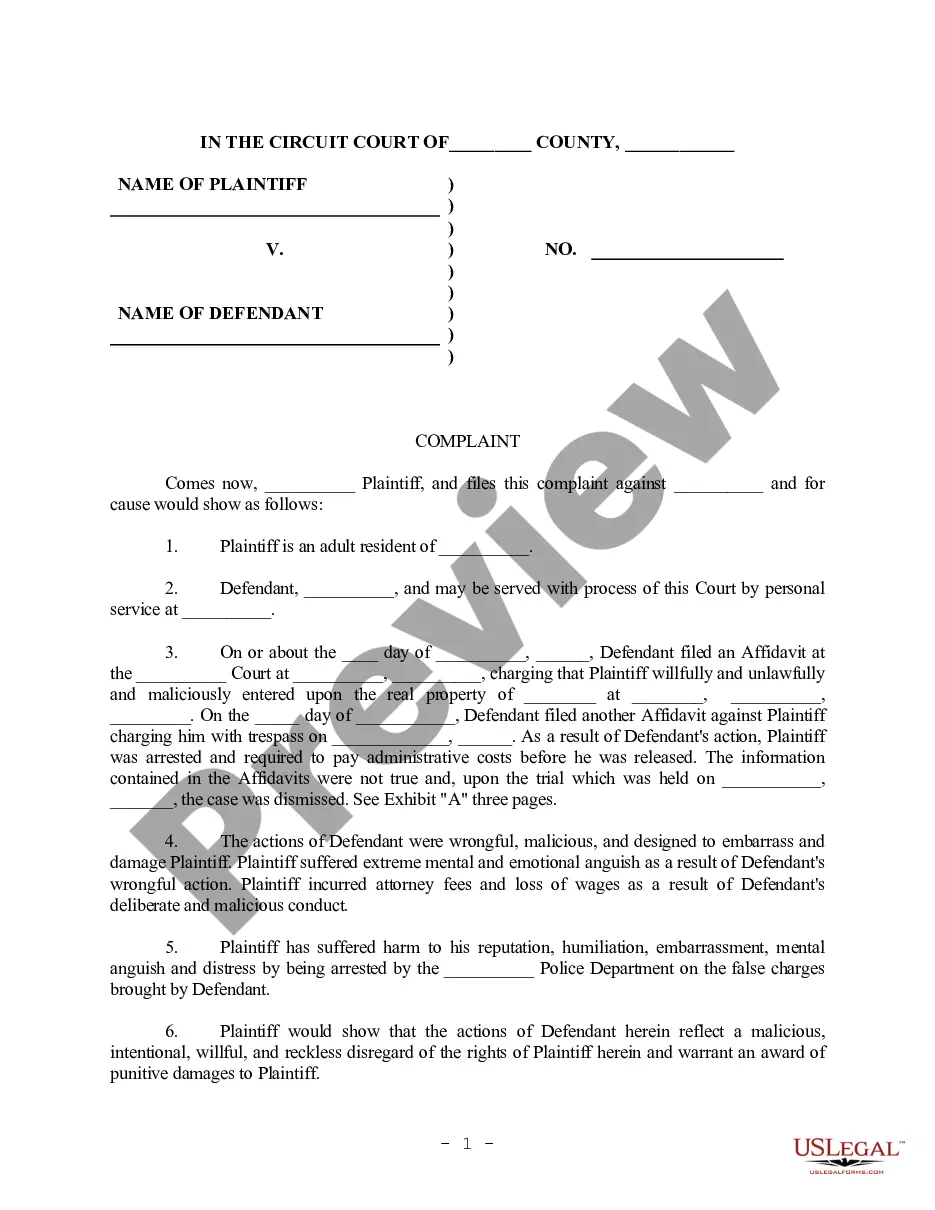

Get your form ready online
Our built-in tools help you complete, sign, share, and store your documents in one place.
Make edits, fill in missing information, and update formatting in US Legal Forms—just like you would in MS Word.
Download a copy, print it, send it by email, or mail it via USPS—whatever works best for your next step.
Sign and collect signatures with our SignNow integration. Send to multiple recipients, set reminders, and more. Go Premium to unlock E-Sign.
If this form requires notarization, complete it online through a secure video call—no need to meet a notary in person or wait for an appointment.
We protect your documents and personal data by following strict security and privacy standards.

Make edits, fill in missing information, and update formatting in US Legal Forms—just like you would in MS Word.

Download a copy, print it, send it by email, or mail it via USPS—whatever works best for your next step.

Sign and collect signatures with our SignNow integration. Send to multiple recipients, set reminders, and more. Go Premium to unlock E-Sign.

If this form requires notarization, complete it online through a secure video call—no need to meet a notary in person or wait for an appointment.

We protect your documents and personal data by following strict security and privacy standards.
Looking for another form?




Form popularity
FAQ
In most cases, not without permission. There are some situations where you are permitted to share information about your clients with other members of the public. In others, it can get you in legal trouble. Regardless, willy-nilly naming your clients isn't good practice.
"The power to waive the corporate attorney-client privilege rests with the corporation's management and is normally exercised by its officers and directors." Weintraub, 471 U.S. at 348; see also, ABA/BNA Lawyer's Manual, at 05; United States v.
The federal attorney-client privilege in a corporate setting protects communications among employees and corporate counsel in order to obtain information not otherwise available to upper management, where the employee is communicating with an attorney at the direction of a superior in order to secure legal advice for ...
Crime or Fraud Exception. If a client seeks advice from an attorney to assist with the furtherance of a crime or fraud or the post-commission concealment of the crime or fraud, then the communication is not privileged.
California case law is unequivocal. The client of a lawyer serving as legal counsel to a corporation or other entity is that entity itself and the attorney-client relationship does not extend to the members or shareholders of the entity.
Stated differently, the attorney-client privilege “protects communications made to obtain legal advice; it does not protect the information communicated.” 22 Clients and attorneys alike must bear this important fact in mind: merely conveying something to an attorney will not prevent the underlying facts from compelled ...
The attorney-client privilege extends to third parties, such as when your lawyer shares privileged information with their legal team or experts. If you told your spouse what you said to the attorney in confidence., they are also bound by attorney-client privilege and can't be forced to disclose it.
"The power to waive the corporate attorney-client privilege rests with the corporation's management and is normally exercised by its officers and directors." Weintraub, 471 U.S. at 348; see also, ABA/BNA Lawyer's Manual, at 05; United States v.
Legal advice privilege protects client/lawyer communications from the time the communication is made until it is waived either by the client or by some other person such as a successor, who is entitled to do so. If there is no one to do so, the privilege, having been established, is absolute and remains in existence.
Crime or Fraud Exception. If a client seeks advice from an attorney to assist with the furtherance of a crime or fraud or the post-commission concealment of the crime or fraud, then the communication is not privileged.