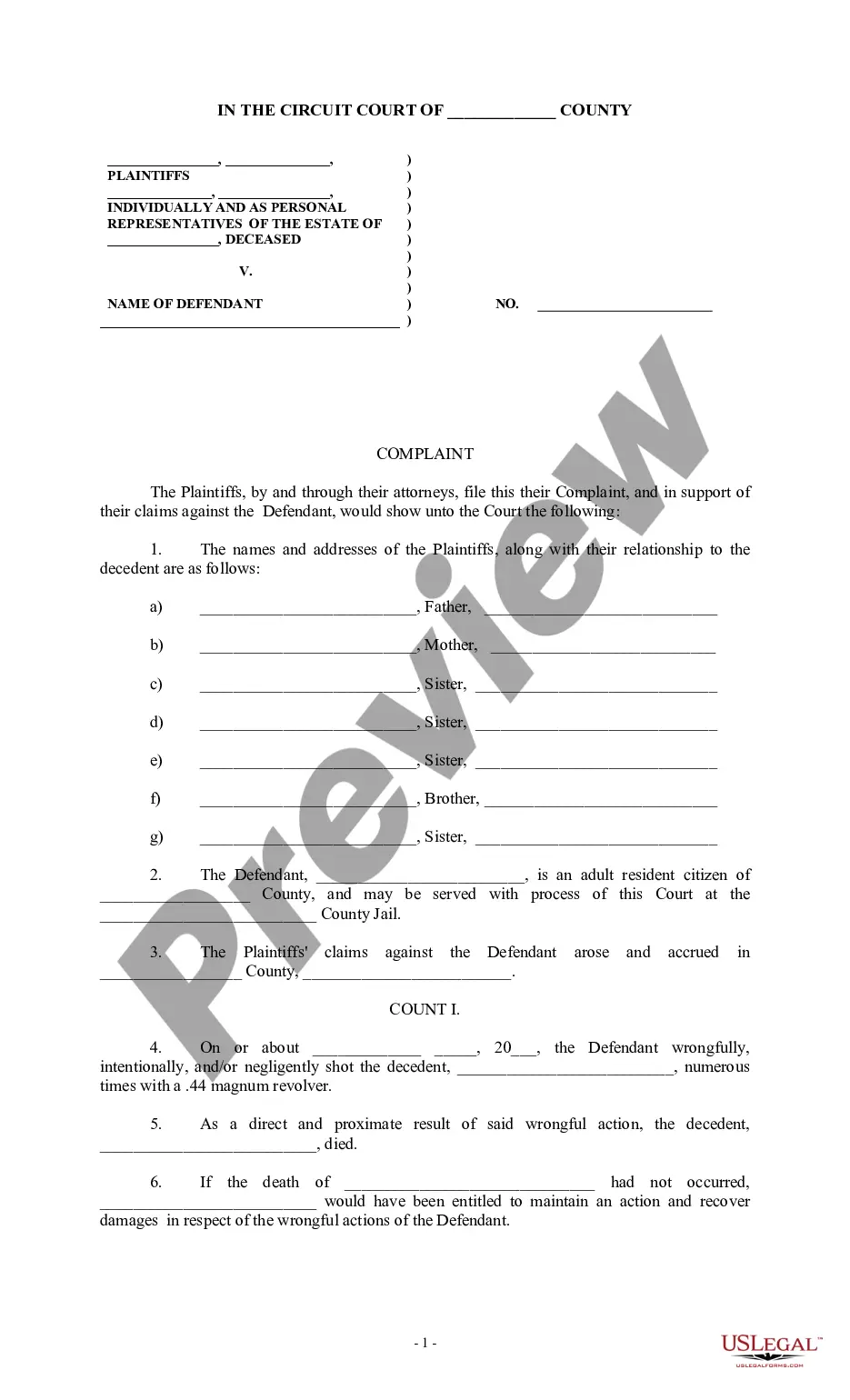
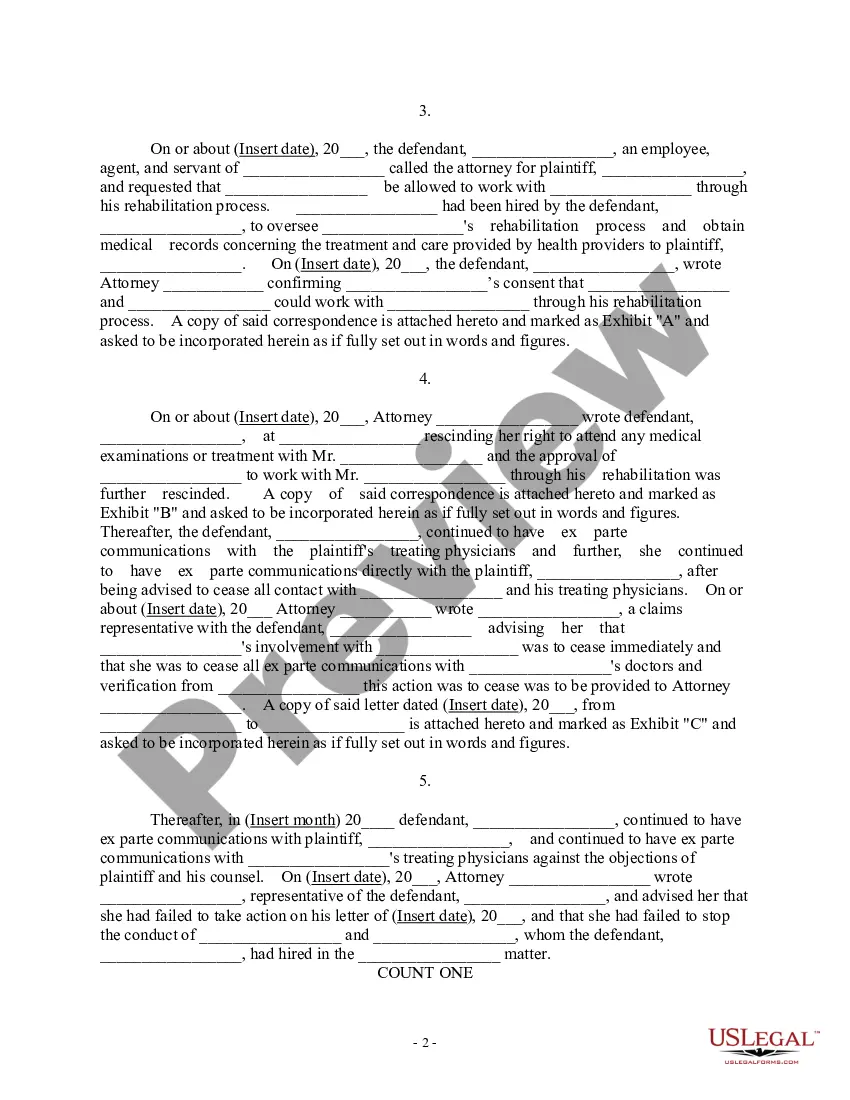
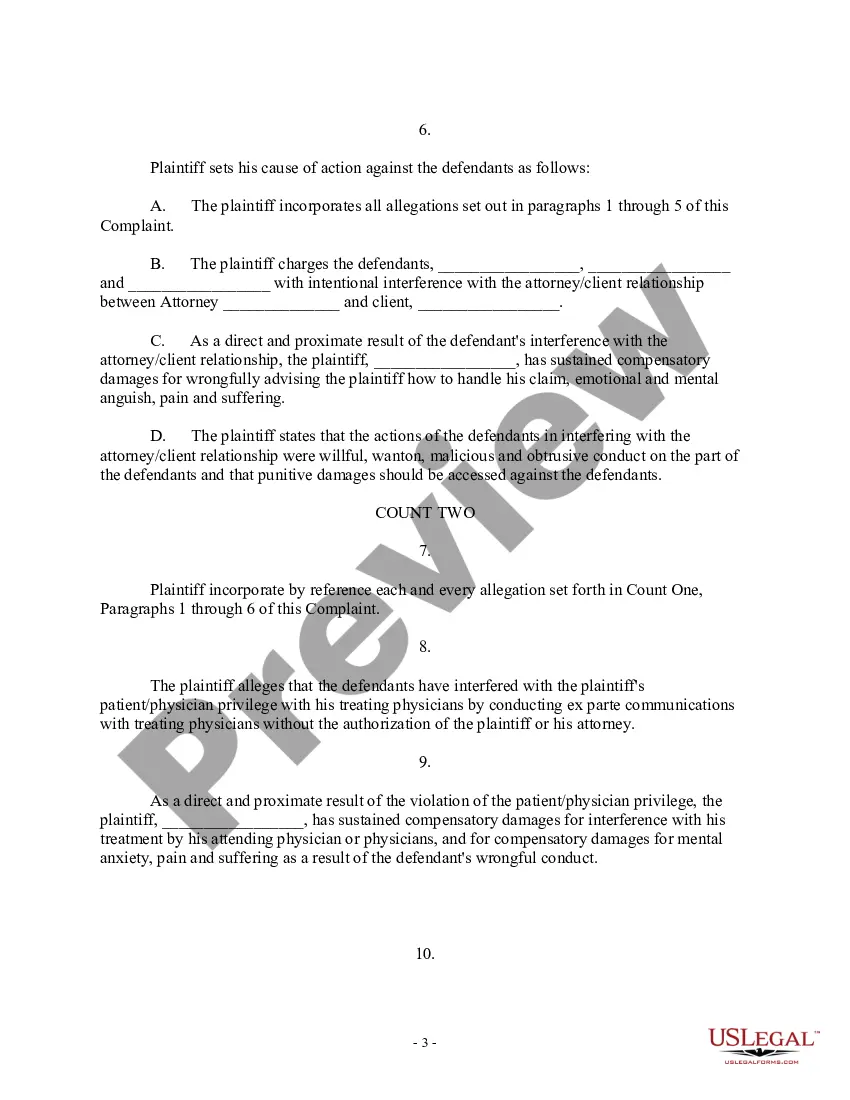
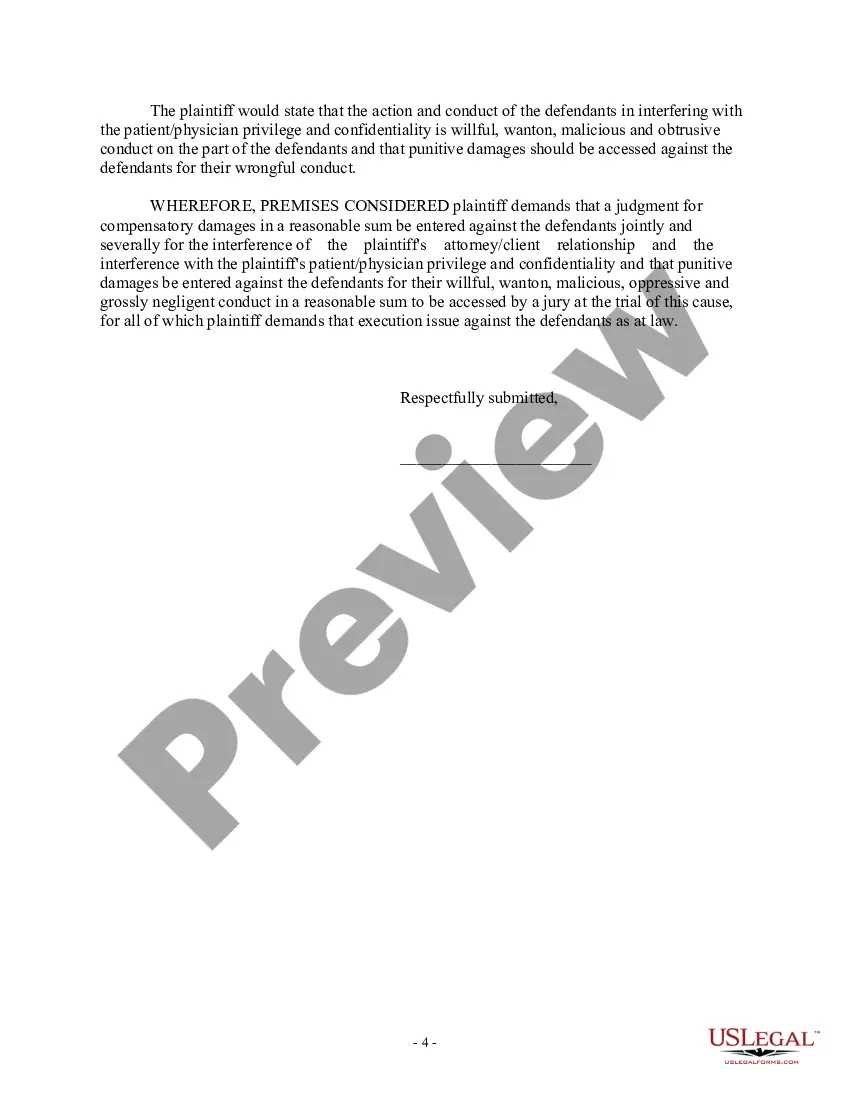
Lawyer-client Relationship In India In Houston
Description



Get your form ready online
Our built-in tools help you complete, sign, share, and store your documents in one place.
Make edits, fill in missing information, and update formatting in US Legal Forms—just like you would in MS Word.
Download a copy, print it, send it by email, or mail it via USPS—whatever works best for your next step.
Sign and collect signatures with our SignNow integration. Send to multiple recipients, set reminders, and more. Go Premium to unlock E-Sign.
If this form requires notarization, complete it online through a secure video call—no need to meet a notary in person or wait for an appointment.
We protect your documents and personal data by following strict security and privacy standards.

Make edits, fill in missing information, and update formatting in US Legal Forms—just like you would in MS Word.

Download a copy, print it, send it by email, or mail it via USPS—whatever works best for your next step.

Sign and collect signatures with our SignNow integration. Send to multiple recipients, set reminders, and more. Go Premium to unlock E-Sign.

If this form requires notarization, complete it online through a secure video call—no need to meet a notary in person or wait for an appointment.

We protect your documents and personal data by following strict security and privacy standards.
Looking for another form?








Form popularity
FAQ
Professional Ethics: Most legal ethical codes strongly discourage or outright prohibit lawyers from engaging in romantic relationships with clients during representation. This is to maintain professional boundaries and ensure that the lawyer-client relationship is based solely on the client's legal needs.
In the overcrowded conditions of most courthouses, attorneys can be seen meeting with their clients in public-waiting areas, the cafeteria, the law library, in the back of courtrooms, in telephone booths, or any place that is available.
Professional Ethics: Most legal ethical codes strongly discourage or outright prohibit lawyers from engaging in romantic relationships with clients during representation. This is to maintain professional boundaries and ensure that the lawyer-client relationship is based solely on the client's legal needs.
Conflict of interest: Romantic involvement can cloud judgment, leading to compromised legal representation or decisions in favor of personal relationships. Confidentiality breaches: Intimate relationships may result in inadvertent disclosure of sensitive information, violating attorney-client privilege.
Can a foreign lawyer give counsel in the United States? A foreign lawyer cannot provide legal services in the United States without being admitted to at least one state's bar. Exceptions may exist in some states for example, where foreign lawyers may apply for a license as a foreign law consultant.
Dating a client can raise serious ethical concerns, primarily because it can create a conflict of interest. When an attorney enters into a personal relationship with a client, it can compromise their ability to remain objective and advocate effectively on behalf of the client.
It is not enough to say “well, we didn't have sexual intercourse” or “we didn't get to know one another in the Biblical sense.” Kissing a client, even if the attorney exercises self-restraint with respect to any further sexual activity, runs afoul of California Rule of Professional Conduct 1.8.