Lawyer With Client In Fulton
Description





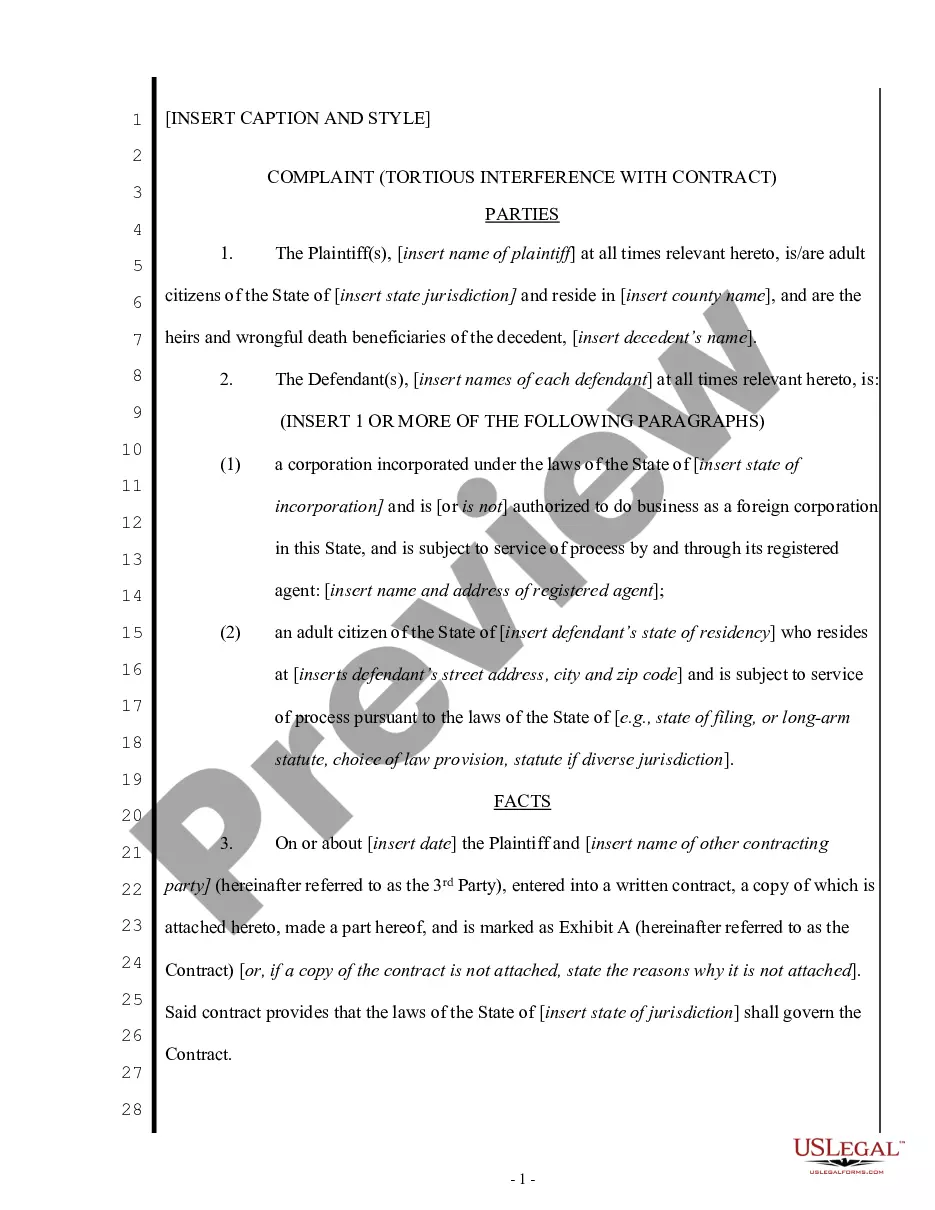
Get your form ready online
Our built-in tools help you complete, sign, share, and store your documents in one place.
Make edits, fill in missing information, and update formatting in US Legal Forms—just like you would in MS Word.
Download a copy, print it, send it by email, or mail it via USPS—whatever works best for your next step.
Sign and collect signatures with our SignNow integration. Send to multiple recipients, set reminders, and more. Go Premium to unlock E-Sign.
If this form requires notarization, complete it online through a secure video call—no need to meet a notary in person or wait for an appointment.
We protect your documents and personal data by following strict security and privacy standards.

Make edits, fill in missing information, and update formatting in US Legal Forms—just like you would in MS Word.

Download a copy, print it, send it by email, or mail it via USPS—whatever works best for your next step.

Sign and collect signatures with our SignNow integration. Send to multiple recipients, set reminders, and more. Go Premium to unlock E-Sign.

If this form requires notarization, complete it online through a secure video call—no need to meet a notary in person or wait for an appointment.

We protect your documents and personal data by following strict security and privacy standards.
Looking for another form?





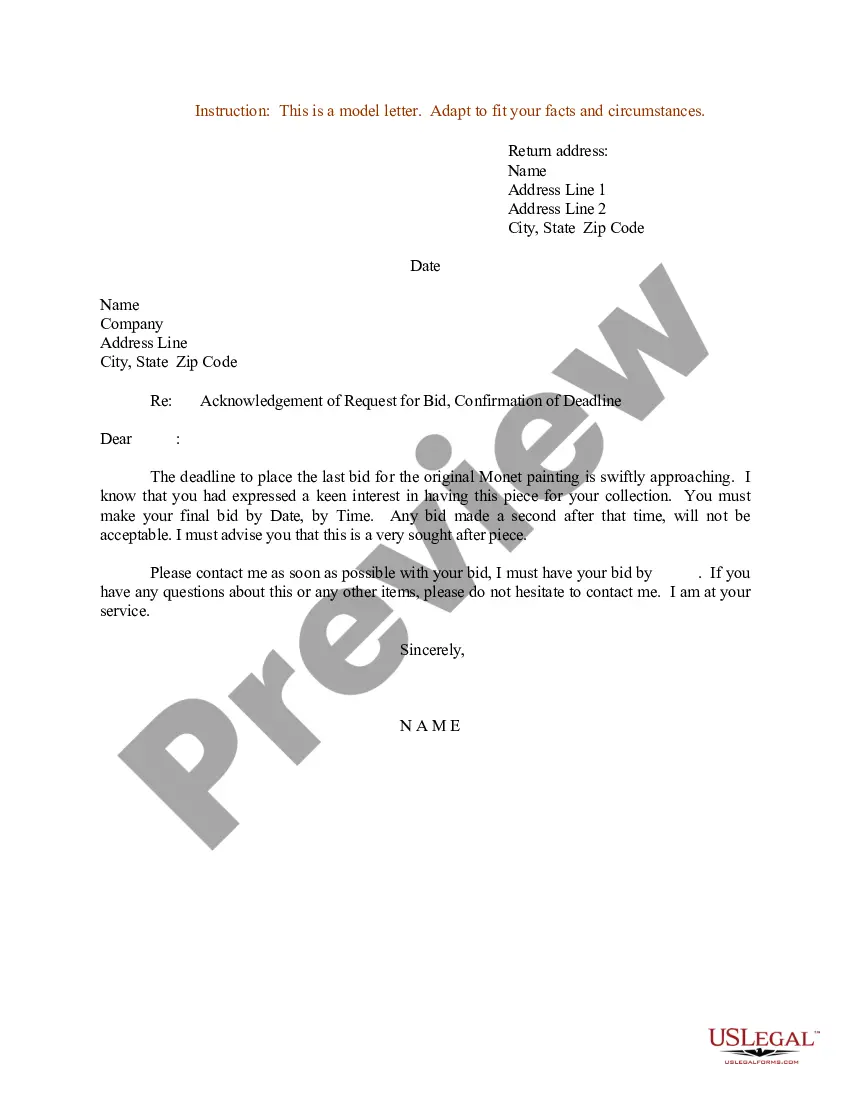


Form popularity
FAQ
Subject line for email to lawyer Best subject lines for email communication with lawyers: Urgent legal matter: Need your expertise, Lawyer's Name? Legal assistance needed: Could you advise, Lawyer's Name? Lawyer's Name, can we discuss Brief Description?
Address an attorney as "Mr." or "Ms." in most contexts. In the salutation for a letter or email, address an attorney the same way you would any other respected professional- using "Mr." or "Ms." followed by their surname. Generally, this is the best way to address an attorney if you've never spoken to them before.
Be sure you make your request to the attorney in writing and either fax to him (and save the confirmation) or send certified mail, return receipt requested. Generally, unless the file is extremely difficult, a reasonable time to allow the lawyer would be 3 working days or so.
Put your business forward: Saying no to a client seeking representation isn't personal; it's just business. If an attorney is unable to provide effective counsel, they could ultimately find themselves in a lawsuit.
Salutations in Correspondence: Mr., Ms., and Esq. It's the conventional way to address an attorney in any legal matter. If the professional relationship with the attorney is newly established, using a comma after “Dear Mr./Ms. Last Name” would be more suitable.
A straightforward statement like, “I'm seeking legal counsel for…” or “I'm asking a lawyer about…” will let the attorney know right off the bat what the email is about. Make sure to indicate why you believe they are the right attorney to handle or take your case.
Try to create a clear, comprehensive story of your situation. For example, if it's an event-related incident (e.g. traffic ticket), you should make sure you write down everything that took place, from start to finish, in chronological order. Create a folder of relevant legal documents.
In the overcrowded conditions of most courthouses, attorneys can be seen meeting with their clients in public-waiting areas, the cafeteria, the law library, in the back of courtrooms, in telephone booths, or any place that is available.