Attorney Relationship With Client In Dallas
Description

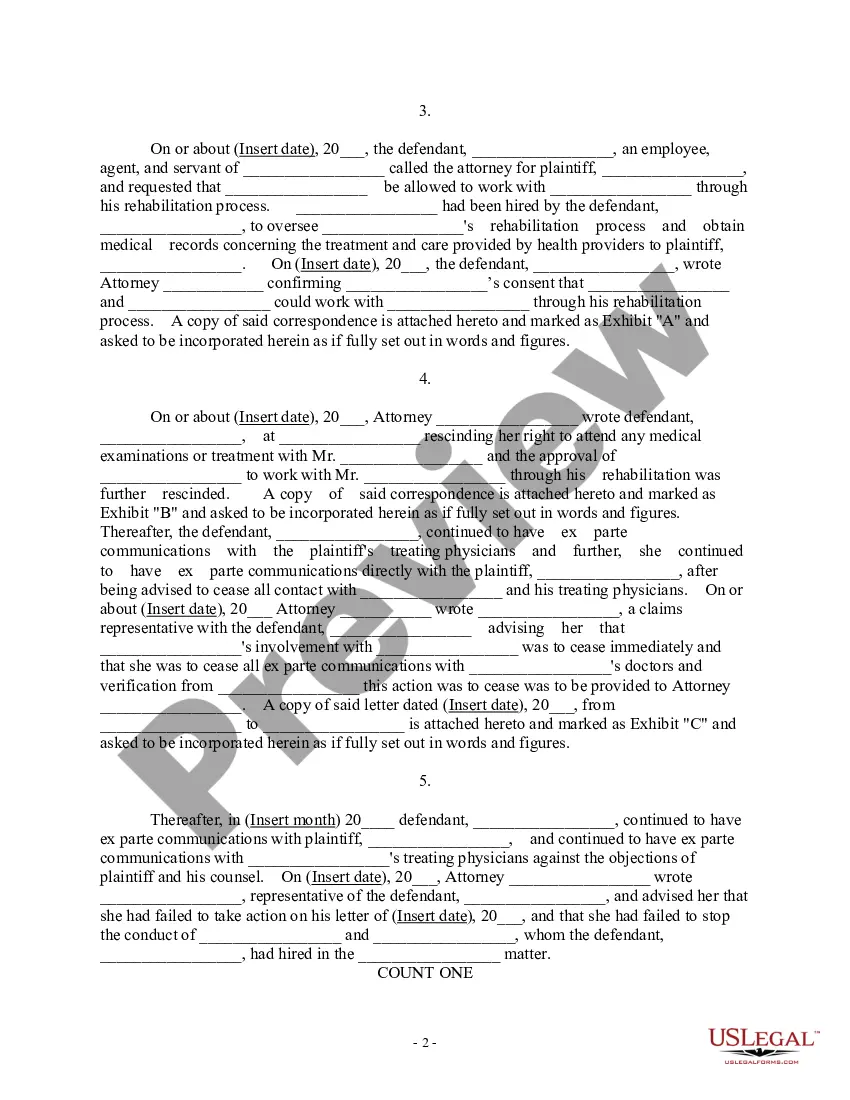
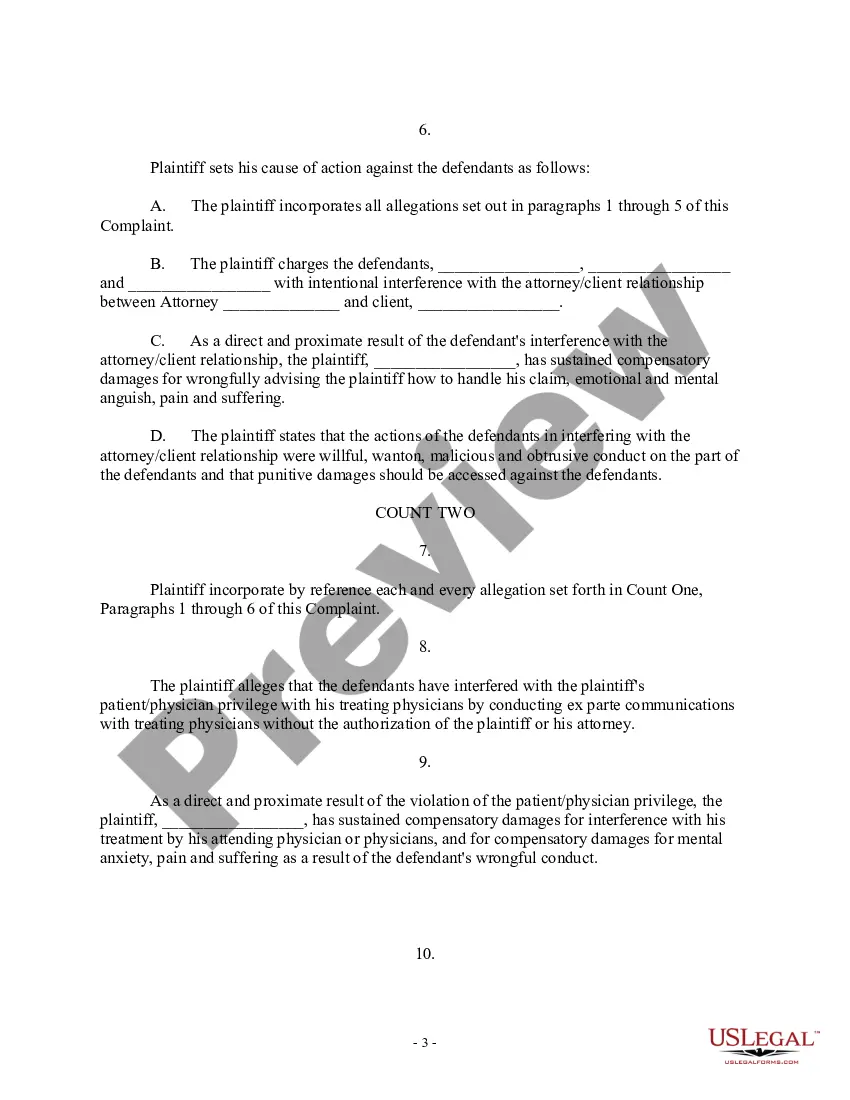
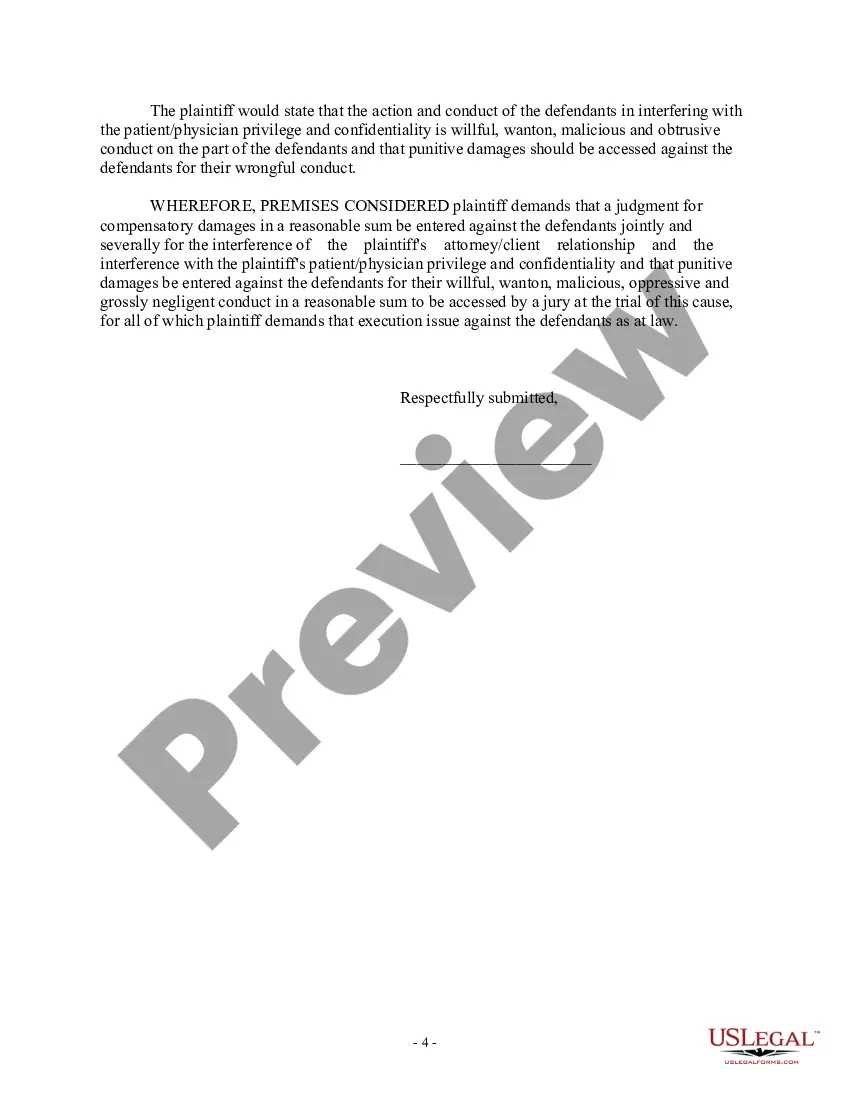

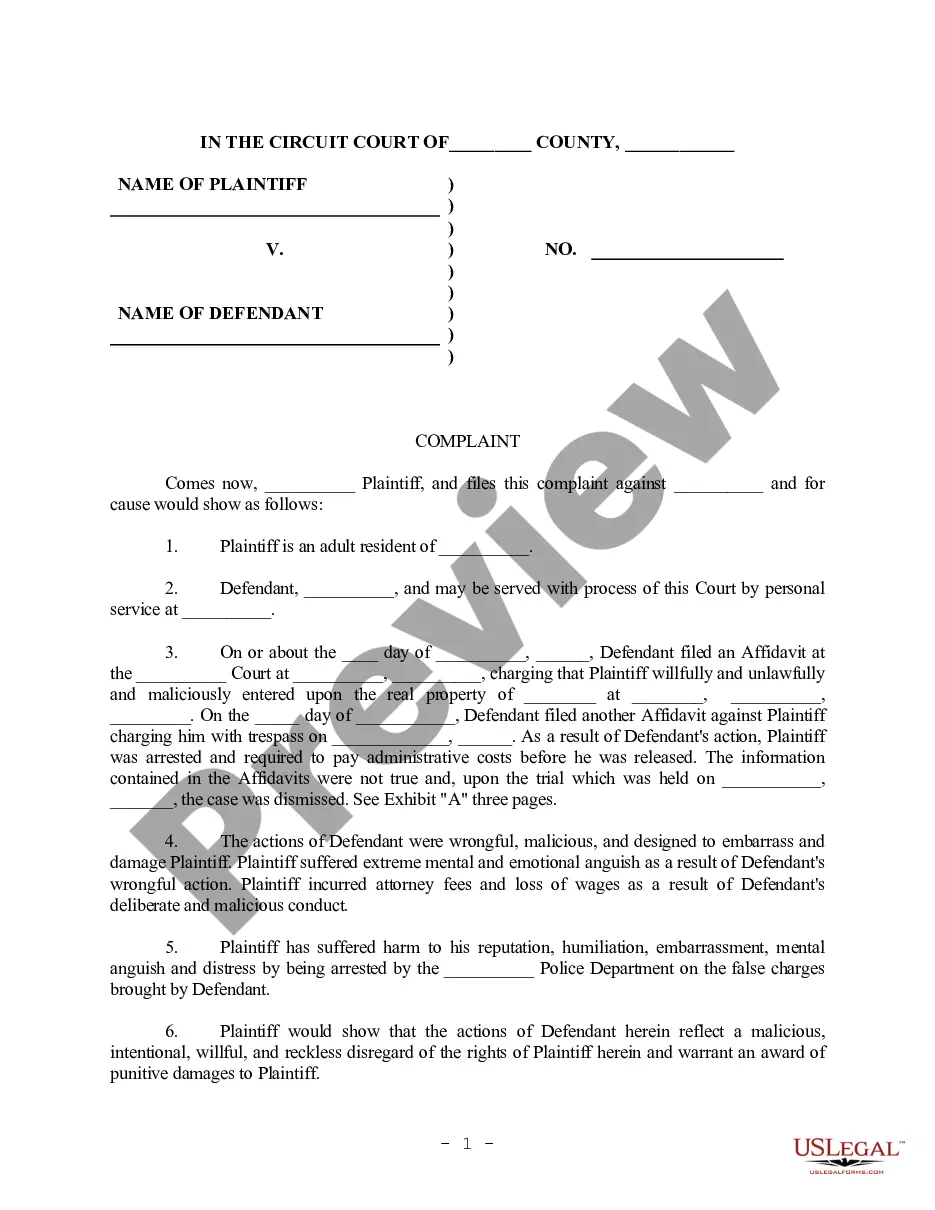

Get your form ready online
Our built-in tools help you complete, sign, share, and store your documents in one place.
Make edits, fill in missing information, and update formatting in US Legal Forms—just like you would in MS Word.
Download a copy, print it, send it by email, or mail it via USPS—whatever works best for your next step.
Sign and collect signatures with our SignNow integration. Send to multiple recipients, set reminders, and more. Go Premium to unlock E-Sign.
If this form requires notarization, complete it online through a secure video call—no need to meet a notary in person or wait for an appointment.
We protect your documents and personal data by following strict security and privacy standards.

Make edits, fill in missing information, and update formatting in US Legal Forms—just like you would in MS Word.

Download a copy, print it, send it by email, or mail it via USPS—whatever works best for your next step.

Sign and collect signatures with our SignNow integration. Send to multiple recipients, set reminders, and more. Go Premium to unlock E-Sign.

If this form requires notarization, complete it online through a secure video call—no need to meet a notary in person or wait for an appointment.

We protect your documents and personal data by following strict security and privacy standards.
Looking for another form?




Form popularity
FAQ
Communication. Open, honest, and regular communication forms the backbone of an effective attorney-client relationship. Our attorneys ensure they are accessible to clients, providing updates on their cases and being clear about the legal process.
Some firms do make decisions about partnership after 7 years; however, many firms have partnership tracks based on 8, 9, 10 or 11 years. At a firm with a track of 10 years, it would not be at all unusual to be a 7th year associate that was not yet up for partner.
Contact the Local Bar Association: If your lawyer continues to be unresponsive, contact your local or state bar association. They can provide guidance and may have a grievance procedure for attorney misconduct. In some cases, they can also help in mediating the situation.
The establishment of the attorney-client relationship involves two elements: a person seeks advice or assistance from an attorney; and the attorney appears to give, agrees to give or gives the advice or assistance.
Professional Ethics: Most legal ethical codes strongly discourage or outright prohibit lawyers from engaging in romantic relationships with clients during representation. This is to maintain professional boundaries and ensure that the lawyer-client relationship is based solely on the client's legal needs.
A legal consultation is the initial meeting between a potential lawyer and client. These meetings allow the client to discuss their case with an attorney. Then, the attorney can give an overview of their recommended course of action.
If an attorney-client relationship exists, an attorney owes a duty of confidentiality to the clients. Except in those situations where a court appoints an attorney, the attorney-client relationship is created by contract, either express or implied.
Your first meeting with a lawyer is called an “initial consultation.” During this meeting, the lawyer will decide whether she wants to take your case, and you will decide whether you want to hire this lawyer.
Trial presentation entails exactly what the name implies. It is a presentation of visuals and key points that are designed to enhance an attorney's case.
Preman, 911 S.W. 2d 288, 301 (Mo. App. 1995) ("The relation between attorney and client is fiduciary and binds the attorney to a scrupulous fidelity to the cause of the client which precludes the attorney from any personal advantage from the abuse of that reposed confidence. . . .