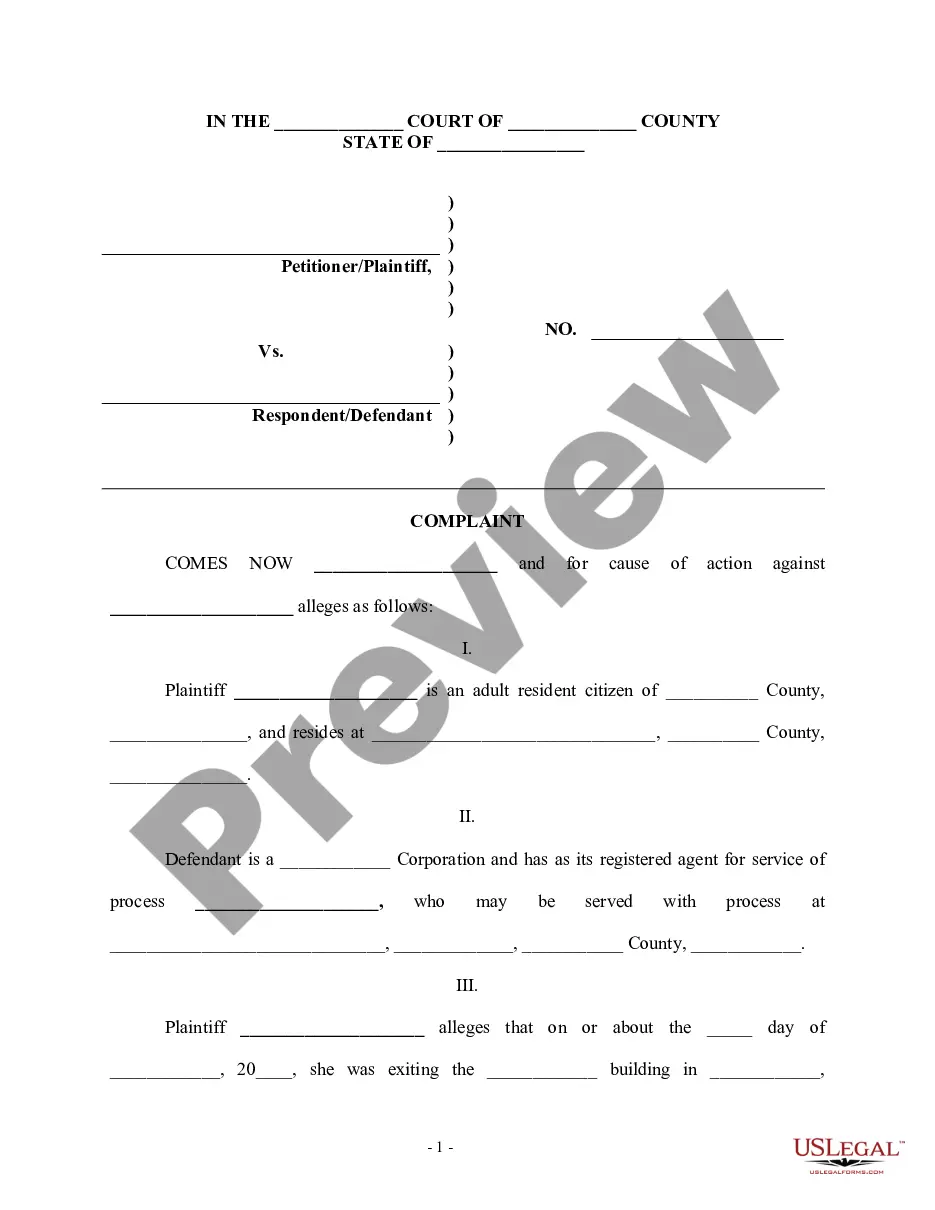
Lawyer-client Relationship In India In Collin
Description

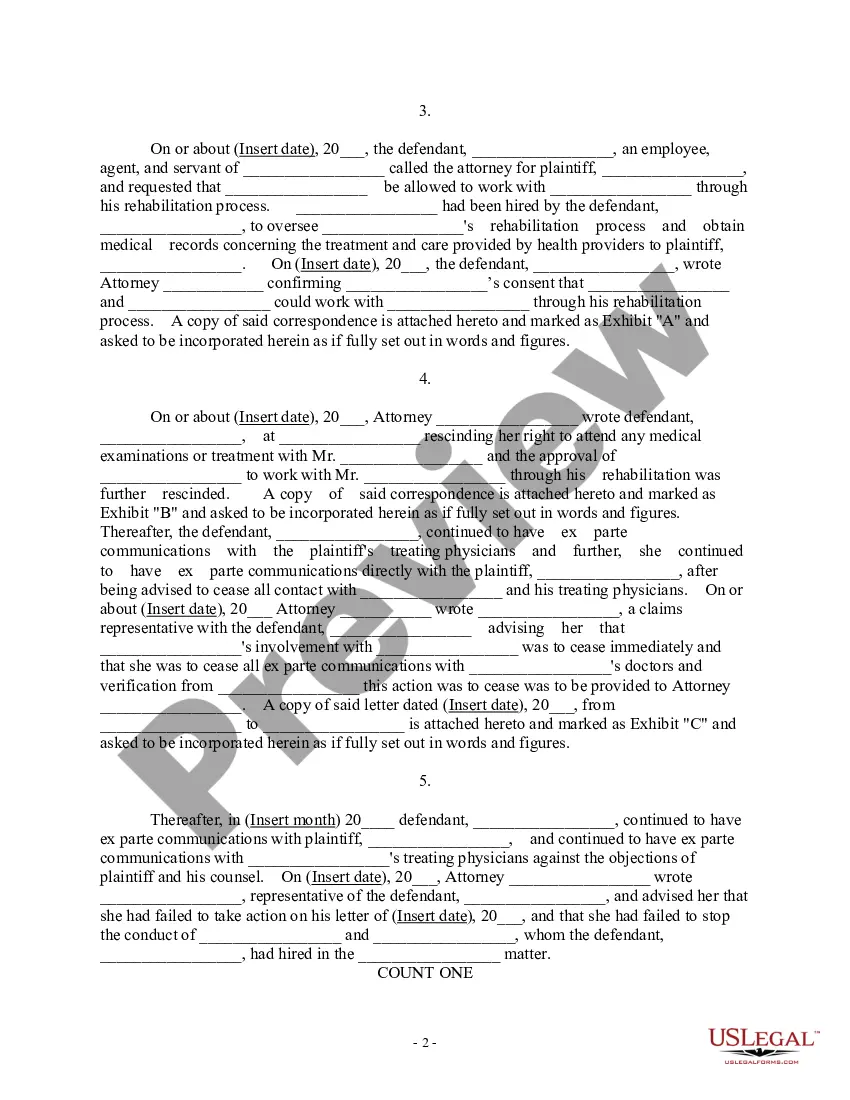
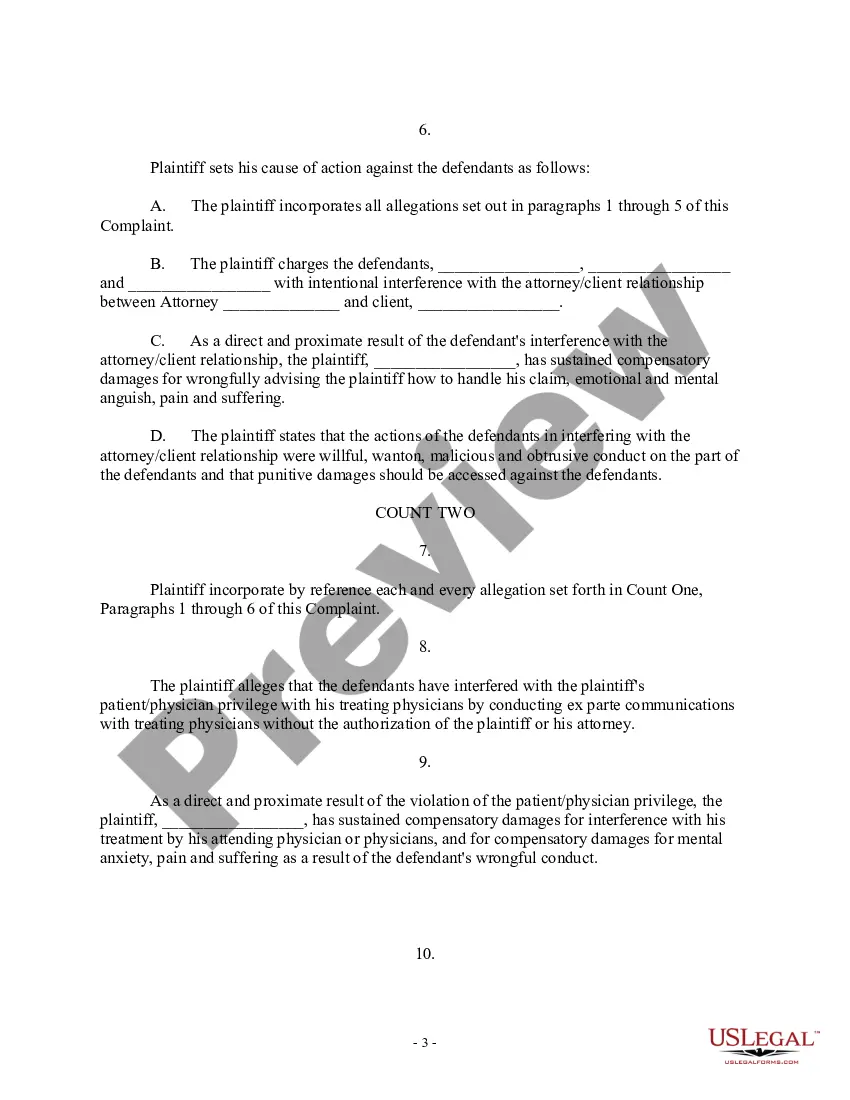
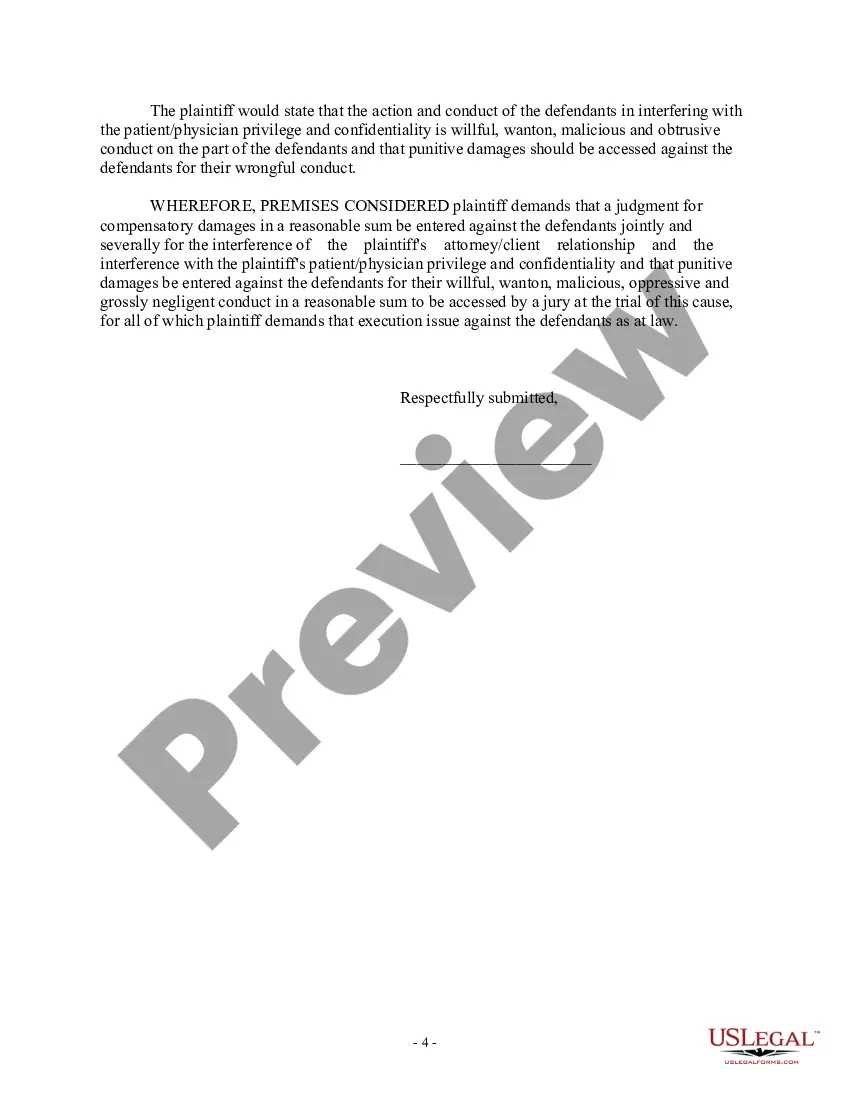


Get your form ready online
Our built-in tools help you complete, sign, share, and store your documents in one place.
Make edits, fill in missing information, and update formatting in US Legal Forms—just like you would in MS Word.
Download a copy, print it, send it by email, or mail it via USPS—whatever works best for your next step.
Sign and collect signatures with our SignNow integration. Send to multiple recipients, set reminders, and more. Go Premium to unlock E-Sign.
If this form requires notarization, complete it online through a secure video call—no need to meet a notary in person or wait for an appointment.
We protect your documents and personal data by following strict security and privacy standards.

Make edits, fill in missing information, and update formatting in US Legal Forms—just like you would in MS Word.

Download a copy, print it, send it by email, or mail it via USPS—whatever works best for your next step.

Sign and collect signatures with our SignNow integration. Send to multiple recipients, set reminders, and more. Go Premium to unlock E-Sign.

If this form requires notarization, complete it online through a secure video call—no need to meet a notary in person or wait for an appointment.

We protect your documents and personal data by following strict security and privacy standards.
Looking for another form?








Form popularity
FAQ
A foreign lawyer cannot provide legal services in the United States without being admitted to at least one state's bar. Exceptions may exist in some states for example, where foreign lawyers may apply for a license as a foreign law consultant.
Salary for a Partner in India ranges between ₹9.6 Lakhs to ₹102.0 Lakhs per year.
While the attorney-client privilege is recognized in Indian law, its application and nuances are often subject to ambiguity and inconsistency. The Indian Evidence Act, 1872, provides some protection for attorney-client communications, but the rules lack specific guidelines, leading to uncertainty.
Professional Ethics: Most legal ethical codes strongly discourage or outright prohibit lawyers from engaging in romantic relationships with clients during representation. This is to maintain professional boundaries and ensure that the lawyer-client relationship is based solely on the client's legal needs.
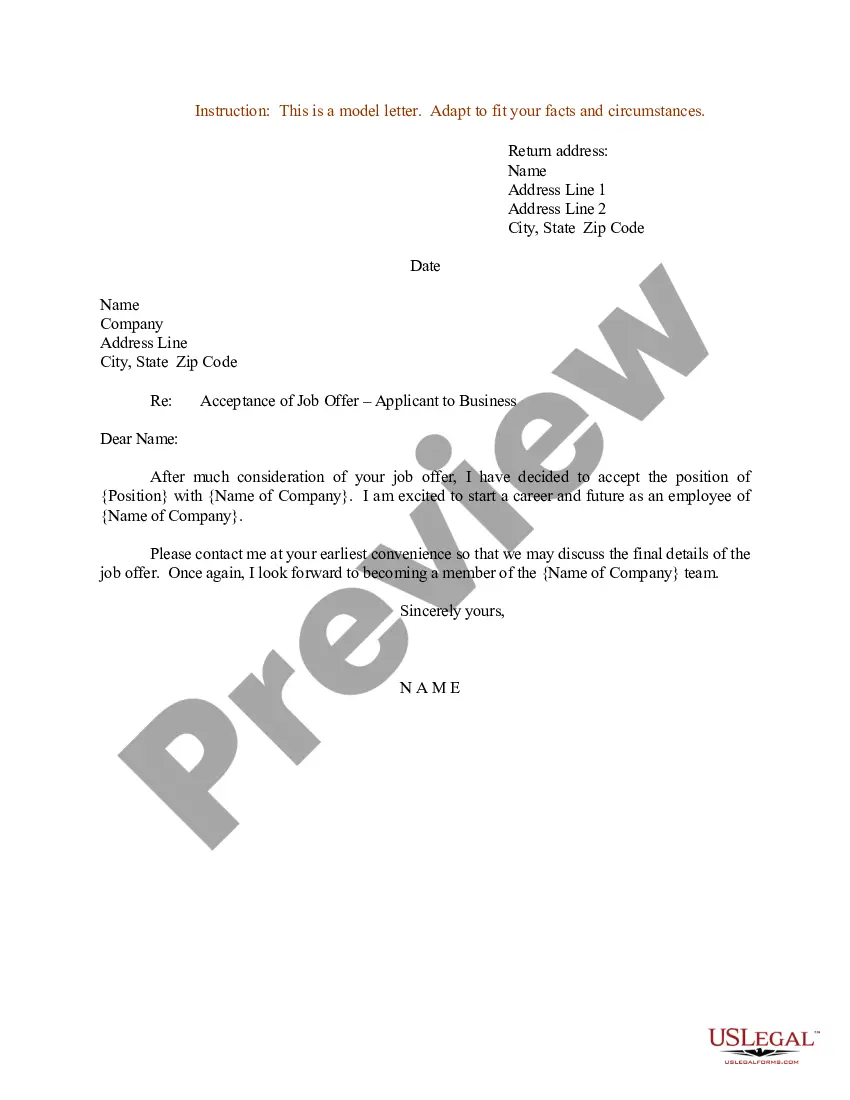
If all else fails and you need to fire your attorney, you'll need to draft a termination letter. Here are some tips to keep in mind: Always terminate the relationship in writing. Even if you fire your attorney in a verbal exchange, you should follow up by sending a written termination letter.
The lawyer should send a disengagement letter to establish that the relationship is no longer continuing, and to refer the client to another lawyer. In the disengagement letter, the lawyer should warn the client of applicable time limitations, deadlines, and uncompleted investigation or casework.
Professional Ethics: Most legal ethical codes strongly discourage or outright prohibit lawyers from engaging in romantic relationships with clients during representation. This is to maintain professional boundaries and ensure that the lawyer-client relationship is based solely on the client's legal needs.
Even if the matter is not pending before a tribunal, the ethics rules of most states provide that a lawyer cannot withdraw until he or she has taken reasonable steps to avoid foreseeable prejudice to the rights of his client, such as giving notice to the client, allowing time for employment of other counsel, delivering ...
Mentioned below is the simple step-by-step process for drafting a Power of Attorney for an NRI: Step 1: Determining the Scope of Authority. Step 2: Consulting Legal Experts. Step 3: Drafting the POA Document. Step 4: Implementing the POA. Step 5: Registering the POA (Optional) ... Step 6: Transmitting the POA to India.
1. Terminating Your Current Attorney: You can terminate your attorney-client relationship at any time. However, it is crucial to do so in writing. A formal letter stating your intention to end the relationship should be sent to your attorney. This letter serves as a record of your decision and its date. 2.