Lawyer-client Relationship In India In California
Description

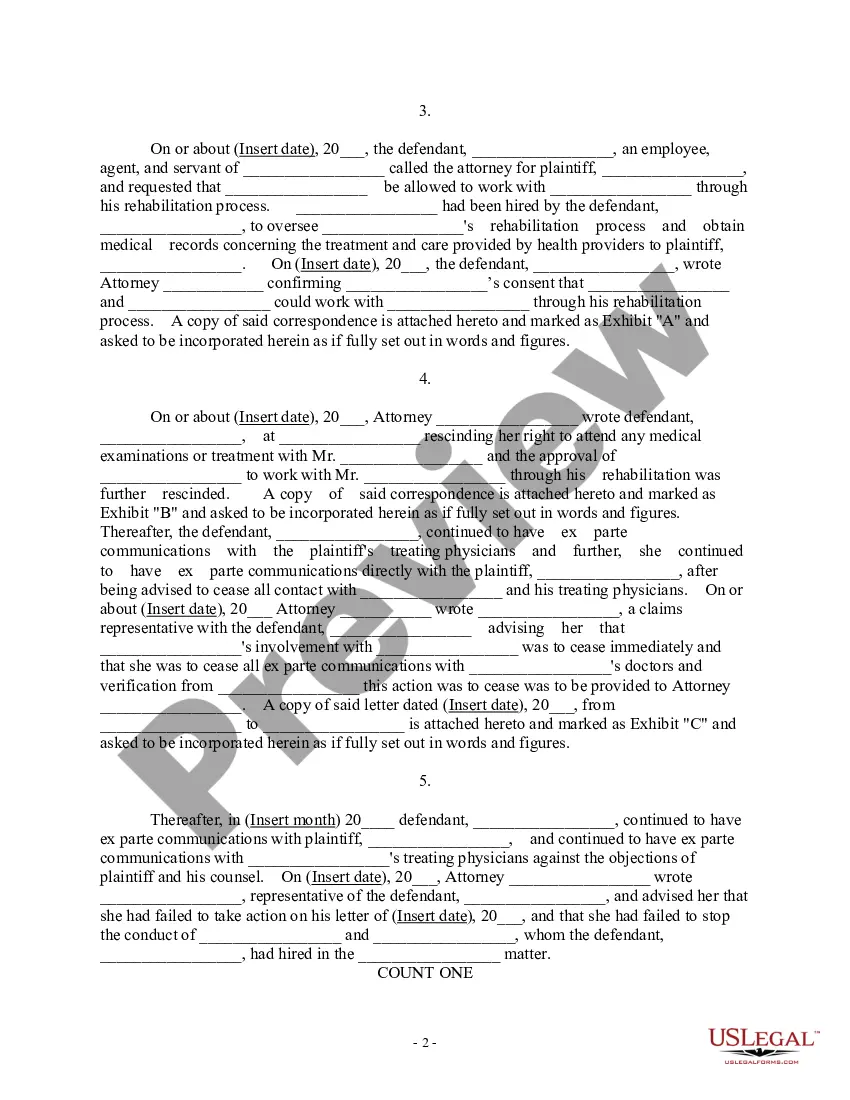
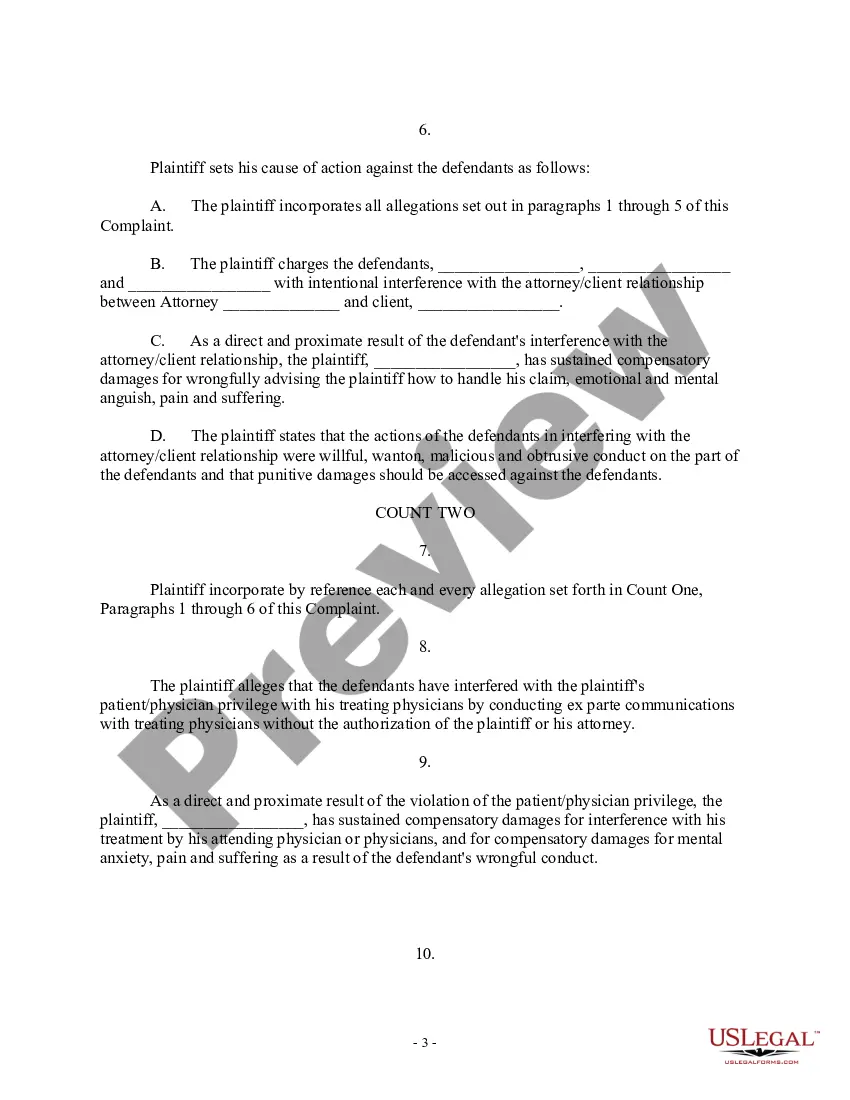
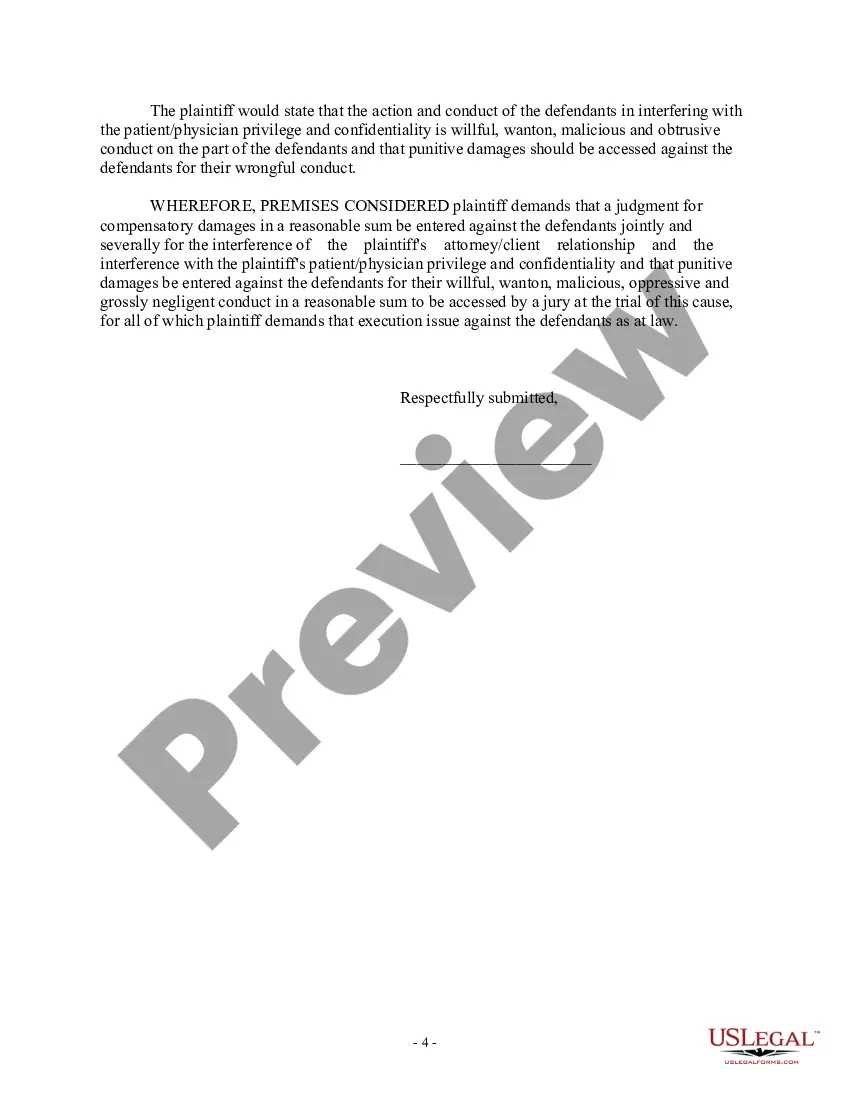




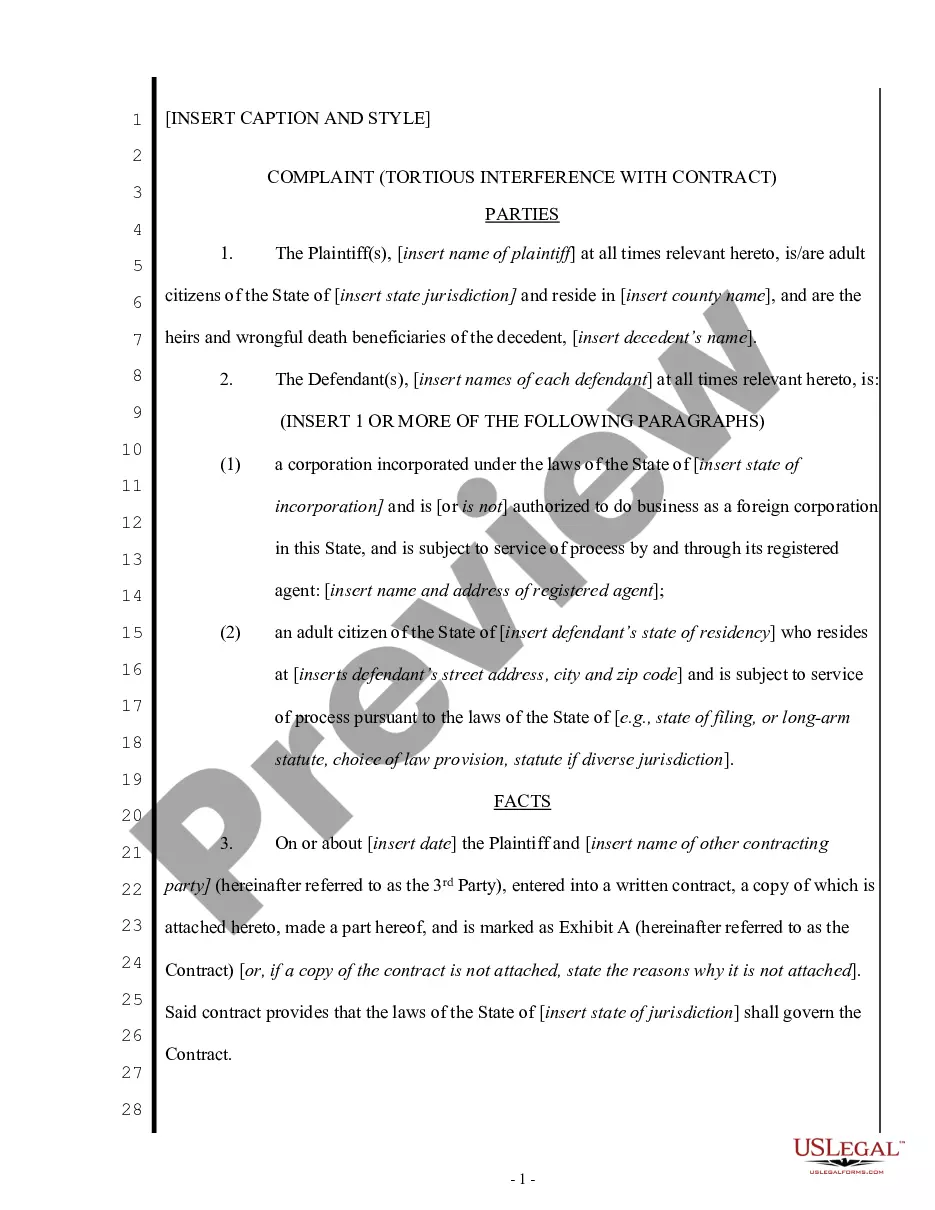
Get your form ready online
Our built-in tools help you complete, sign, share, and store your documents in one place.
Make edits, fill in missing information, and update formatting in US Legal Forms—just like you would in MS Word.
Download a copy, print it, send it by email, or mail it via USPS—whatever works best for your next step.
Sign and collect signatures with our SignNow integration. Send to multiple recipients, set reminders, and more. Go Premium to unlock E-Sign.
If this form requires notarization, complete it online through a secure video call—no need to meet a notary in person or wait for an appointment.
We protect your documents and personal data by following strict security and privacy standards.

Make edits, fill in missing information, and update formatting in US Legal Forms—just like you would in MS Word.

Download a copy, print it, send it by email, or mail it via USPS—whatever works best for your next step.

Sign and collect signatures with our SignNow integration. Send to multiple recipients, set reminders, and more. Go Premium to unlock E-Sign.

If this form requires notarization, complete it online through a secure video call—no need to meet a notary in person or wait for an appointment.

We protect your documents and personal data by following strict security and privacy standards.
Looking for another form?







Form popularity
FAQ
Except when created by court appointment, the attorney-client relationship may be found to exist based on the intent and conduct of the parties and the reasonable expectations of the potential client.
Professional Ethics: Most legal ethical codes strongly discourage or outright prohibit lawyers from engaging in romantic relationships with clients during representation. This is to maintain professional boundaries and ensure that the lawyer-client relationship is based solely on the client's legal needs.
Lawyers are generally aware of the “no contact rule,” which prohibits them from communicating with represented individuals about the subject of representation if the lawyer is also representing someone in the matter, unless the represented person's lawyer consents.
Not to negotiate directly with opposing party An advocate shall not in any way communicate or negotiate or call for settlement upon the subject matter of controversy with any party represented by an advocate except through the advocate representing the parties.
Under the POA Act, the holder (or donee) of a power-of-attorney may, if he thinks fit, execute or do any instrument or thing in and with his own name and signature, and his own seal, where sealing is required, by the authority of the issuer (or donor) of the power; and every instrument and thing so executed and done, ...
(1) Where, in a trial before the Court of Session, the accused is not represented by a pleader, and where it appears to the Court that the accused has not sufficient means to engage a pleader, the Court shall assign a pleader for his defence at the expense of the State.
While the attorney-client privilege is recognized in Indian law, its application and nuances are often subject to ambiguity and inconsistency. The Indian Evidence Act, 1872, provides some protection for attorney-client communications, but the rules lack specific guidelines, leading to uncertainty.
Yes, India recognizes the concept of attorney-client privilege, which protects professional communications as well as work product created in anticipation of litigation.
California courts have held that an attorney-client relationship can only be created by contract.