Attorney Suing Client For Fees In California
Description


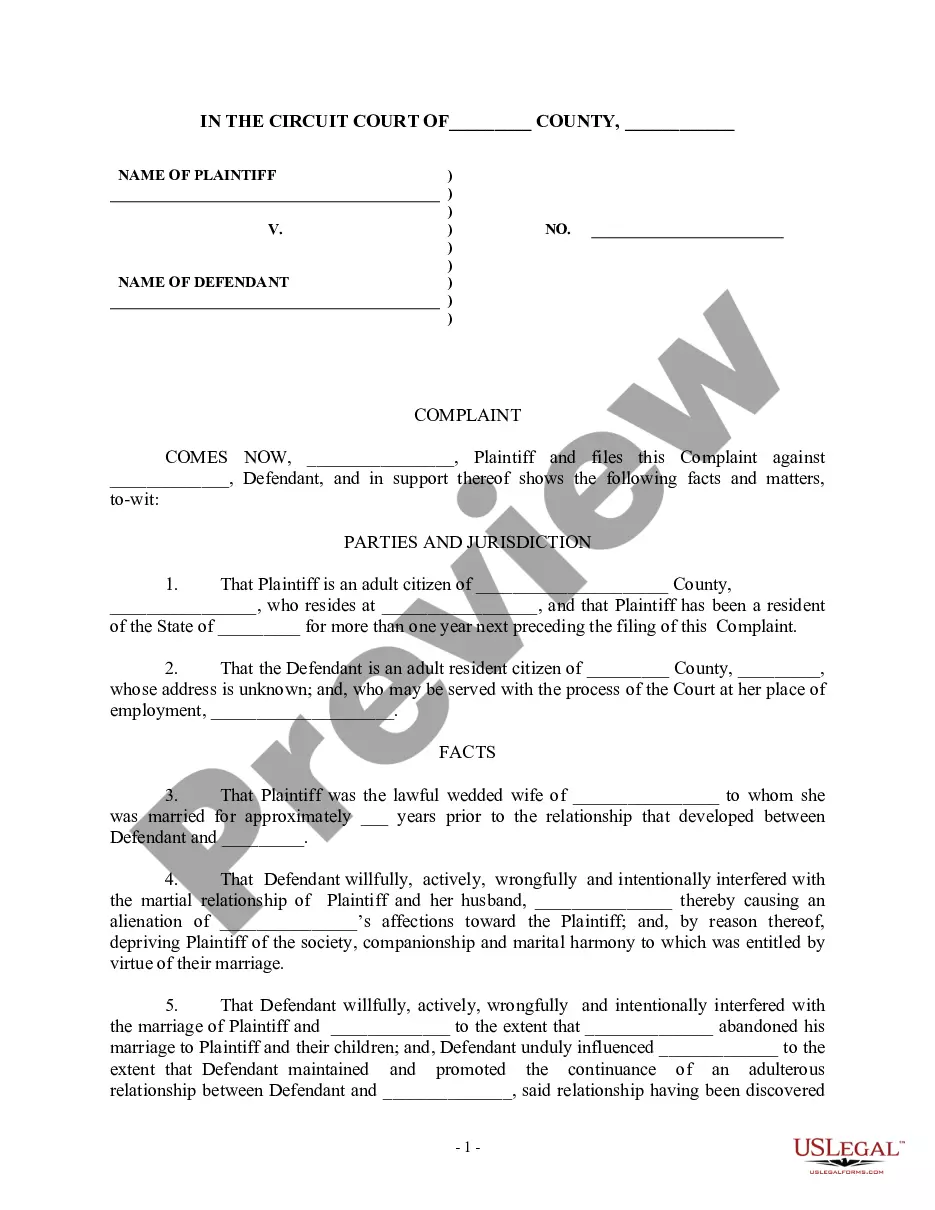

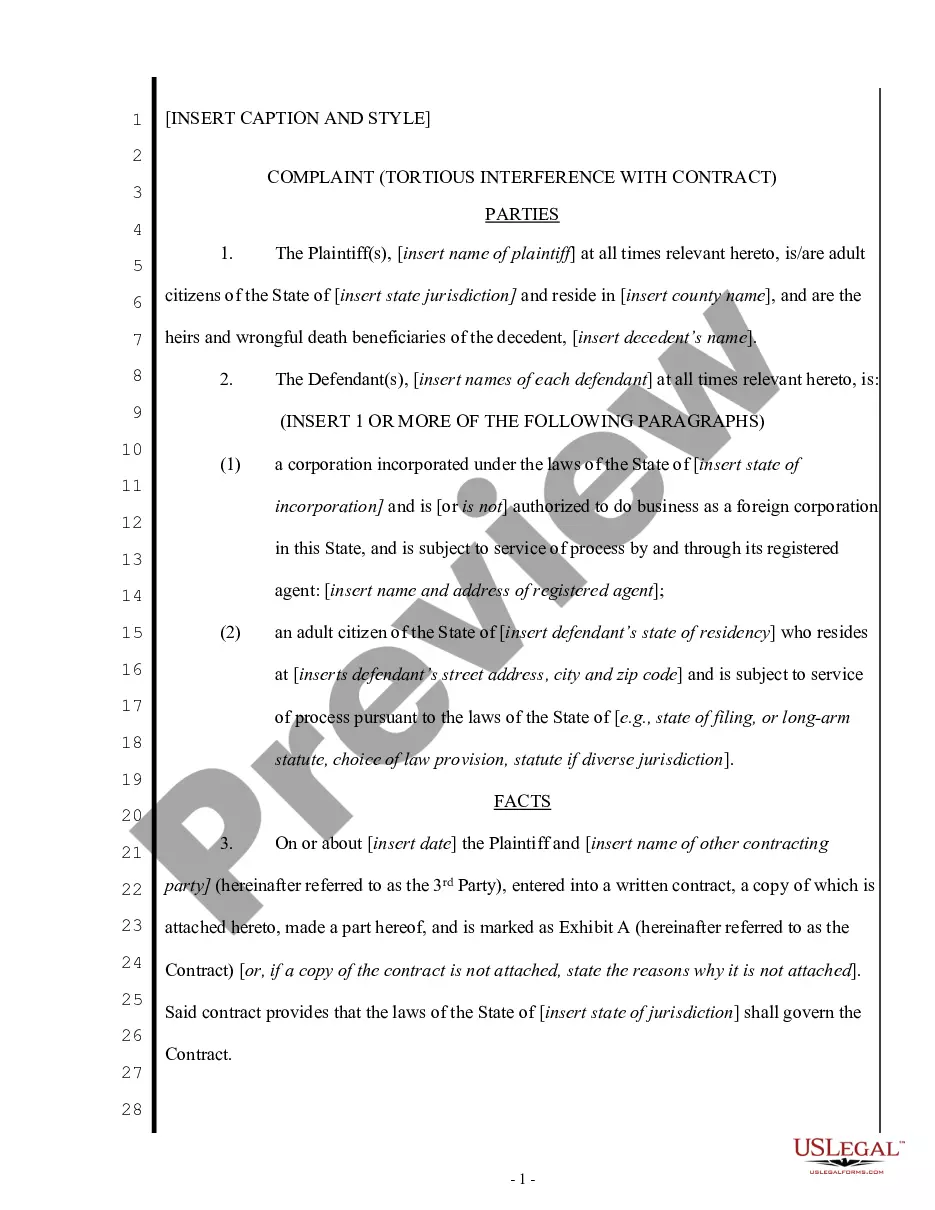
Get your form ready online
Our built-in tools help you complete, sign, share, and store your documents in one place.
Make edits, fill in missing information, and update formatting in US Legal Forms—just like you would in MS Word.
Download a copy, print it, send it by email, or mail it via USPS—whatever works best for your next step.
Sign and collect signatures with our SignNow integration. Send to multiple recipients, set reminders, and more. Go Premium to unlock E-Sign.
If this form requires notarization, complete it online through a secure video call—no need to meet a notary in person or wait for an appointment.
We protect your documents and personal data by following strict security and privacy standards.

Make edits, fill in missing information, and update formatting in US Legal Forms—just like you would in MS Word.

Download a copy, print it, send it by email, or mail it via USPS—whatever works best for your next step.

Sign and collect signatures with our SignNow integration. Send to multiple recipients, set reminders, and more. Go Premium to unlock E-Sign.

If this form requires notarization, complete it online through a secure video call—no need to meet a notary in person or wait for an appointment.

We protect your documents and personal data by following strict security and privacy standards.
Looking for another form?

Form popularity
FAQ
This is common in personal injury cases. In California, contingency fees typically range from 33.33% to 40% of the total recovery, depending on whether the case settles before or after a lawsuit is filed. It's crucial to clearly understand these percentages before entering into an agreement with your lawyer.
Under the “American Rule” each party to a lawsuit is responsible for their own attorney's fees and costs absent a contractual agreement or statutory exception. (Cal. Code Civ.
California Civil Code Section 1717 allows for the collection of attorney's fees if there is a clause in a contract specifying such a provision. The provision, however, cannot be “one-sided,” meaning both the plaintiff and defendant should be able to recover attorney's fees if they win.
Is an attorney more powerful than a lawyer? Not necessarily. While attorneys specifically represent clients in court, both lawyers and attorneys have the same level of legal education and training. The distinction is more about their role, rather than their power or authority.
Deciding whether to sue a client for unpaid fees and expenses requires a careful and in-depth analysis of the risks and benefits of bringing such a claim. Attorneys should be wary of the risk of a malpractice counterclaim, as well as the financial risks associated with a collection suit.
To recover unpaid awarded attorney fees in California, you may need to file a motion with the court to enforce the judgment or order for attorney fees. This typically involves completing and filing a Request for Order form, specifically requesting enforcement of the attorney fees award.
A notice of motion to claim attorney's fees for services up to and including the rendition of judgment in the trial court-including attorney's fees on an appeal before the rendition of judgment in the trial court-must be served and filed within the time for filing a notice of appeal under rules 8.104 and 8.108 in an ...